

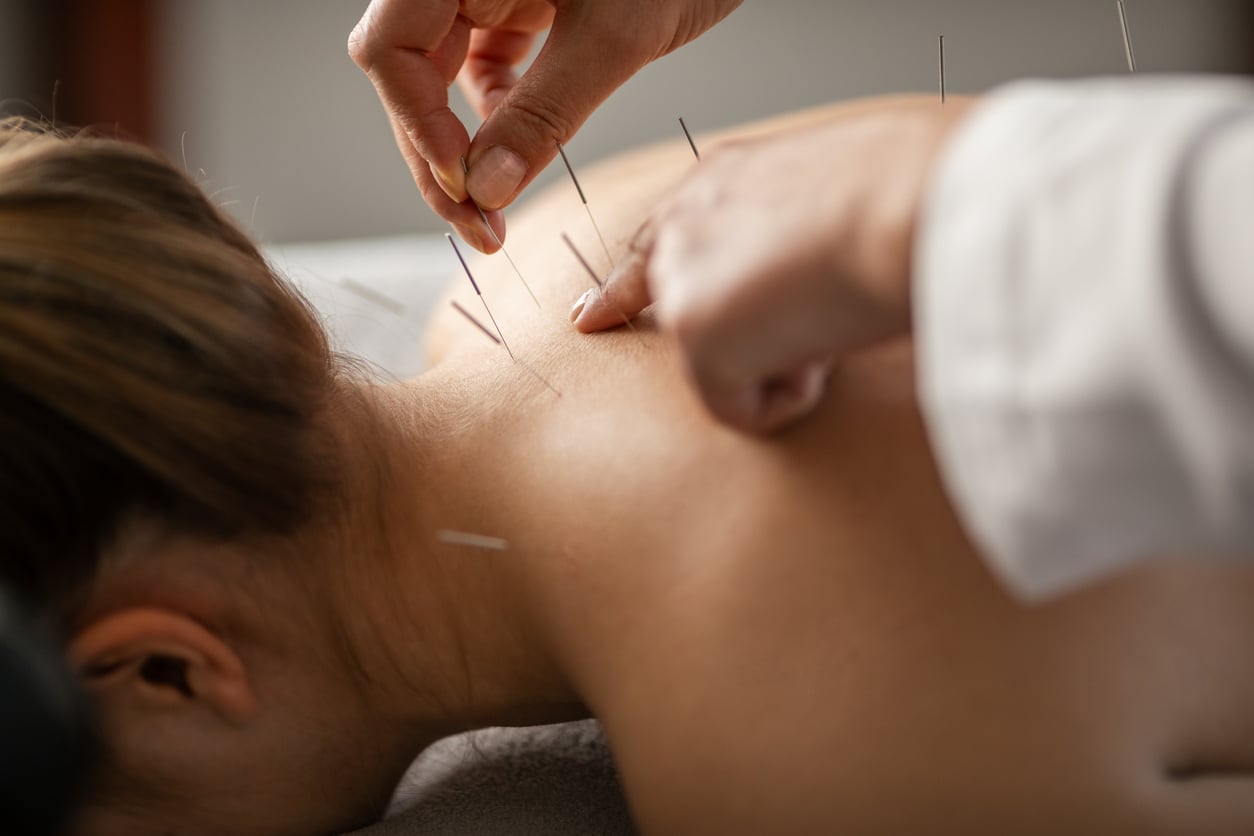
Acupuncture is an ancient practice that inserts very thin needles into specific points to relieve pain, reduce stress, and support wellness; it is widely used today alongside conventional care, with evidence strongest for some pain and nausea conditions.
What is acupuncture?
Acupuncture is a therapeutic technique originating in Traditional Chinese Medicine that involves inserting very thin, single‑use needles into precise points on the body to influence health and symptoms. Historically framed as a method to balance Qi (vital energy) along meridians, acupuncture has been practiced for millennia and adapted into many modern healthcare settings worldwide. In contemporary biomedical terms, acupuncture is thought to work through several physiological mechanisms: stimulation of sensory nerves in skin and muscle that modulates pain pathways in the spinal cord and brain, activation of descending inhibitory systems that release endogenous opioids and neurotransmitters, and local effects on blood flow and tissue healing at needle sites. Clinically, acupuncture is most often used for pain management (low back pain, neck pain, osteoarthritis, headaches) and for nausea control (postoperative and chemotherapy‑related), with systematic reviews showing modest to moderate benefits for some conditions; evidence for other indications is mixed and varies by study quality. Sessions may include traditional needle insertion, electroacupuncture (mild electrical stimulation through needles), auricular (ear) acupuncture, or adjunctive techniques such as cupping and moxibustion depending on practitioner training and patient needs.
What are the different types of acupuncture?
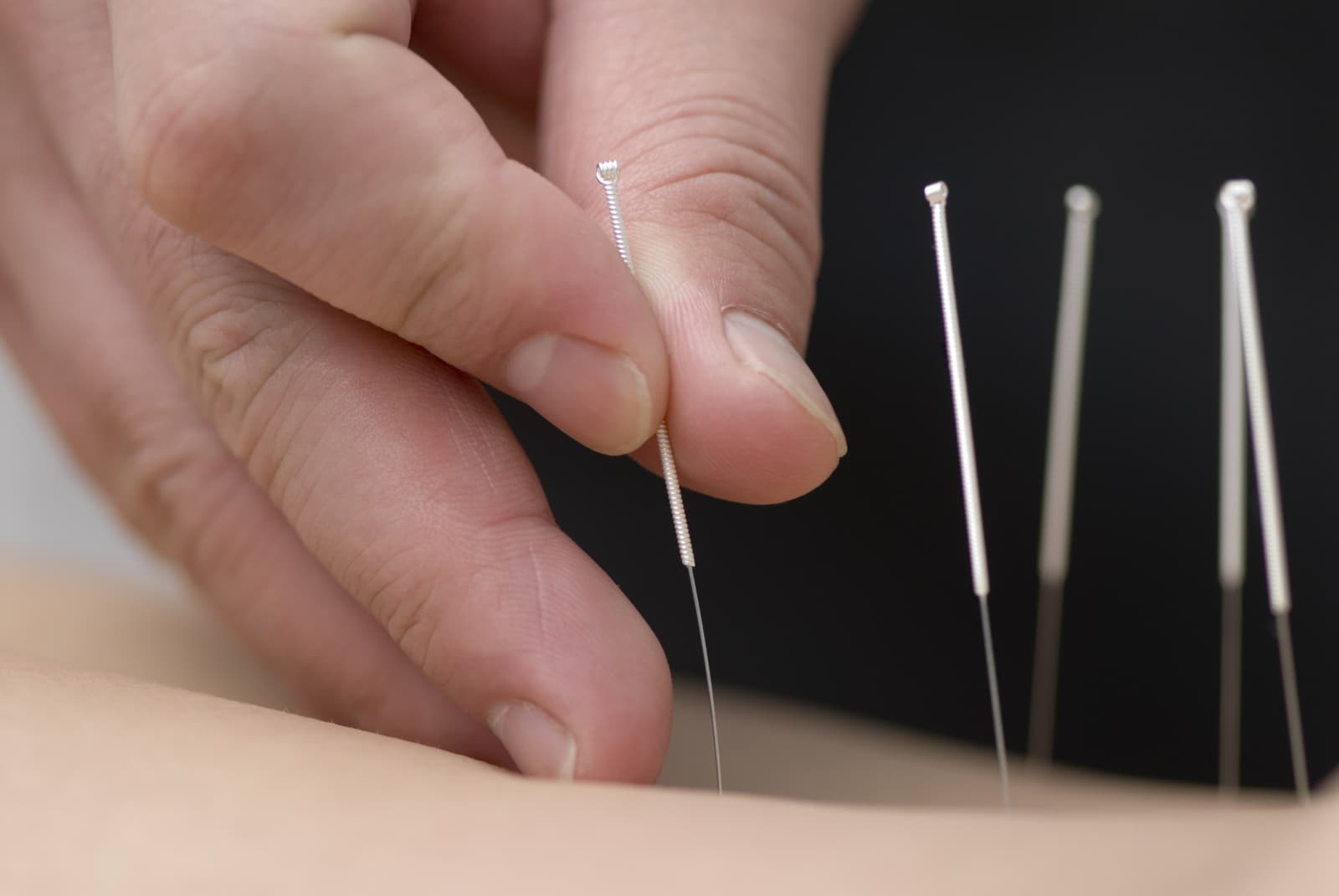
Acupuncture encompasses many styles and techniques—ranging from classical Traditional Chinese Medicine (TCM) and Five Element approaches to modern adaptations like electroacupuncture, dry needling, and sports or medical acupuncture—each with distinct theory, point selection, and clinical emphasis; choose a style based on your goals and a qualified practitioner’s recommendation. Acupuncture has diversified into numerous schools and techniques:
Traditional Chinese Medicine (TCM) acupuncture is the broad, meridian‑based system most commonly taught in East Asia and the West, using point combinations to balance Qi and treat patterns of disharmony;
Five Element acupuncture focuses on constitutional diagnosis and the five elemental relationships to address root causes;
Japanese acupuncture emphasizes gentler needling, palpation, and subtle point selection with often shallower insertion;
Electroacupuncture applies mild electrical stimulation through needles to enhance neuromodulation and analgesia;
Dry needling (practiced mainly by physical therapists in some regions) targets myofascial trigger points for musculoskeletal pain using a biomedical framework;
Medical or Western acupuncture adapts needling to neurophysiological principles and evidence‑based indications;
Auricular (ear) acupuncture treats systemic or localized issues via ear microsystems;
Scalp acupuncture targets cortical representations for neurological recovery (stroke, brain injury);
Sports acupuncture integrates needling with athletic rehabilitation to speed recovery and improve performance;
blends orthopedic assessment with needling and manual therapies;
Each approach differs in diagnostic framework, needle technique, session structure, and typical indications, so matching the method to your clinical goals—pain relief, neurological rehab, constitutional change, or sports performance—is important. Safety and practitioner qualifications vary by style and region; choose licensed practitioners who use single‑use sterile needles, disclose your medical history, and explain their approach; if you have bleeding disorders, implants, pregnancy, or severe medical conditions, consult your healthcare provider first and ask the acupuncturist about contraindications and emergency procedures.
Which Type of Acupuncture is right for me?
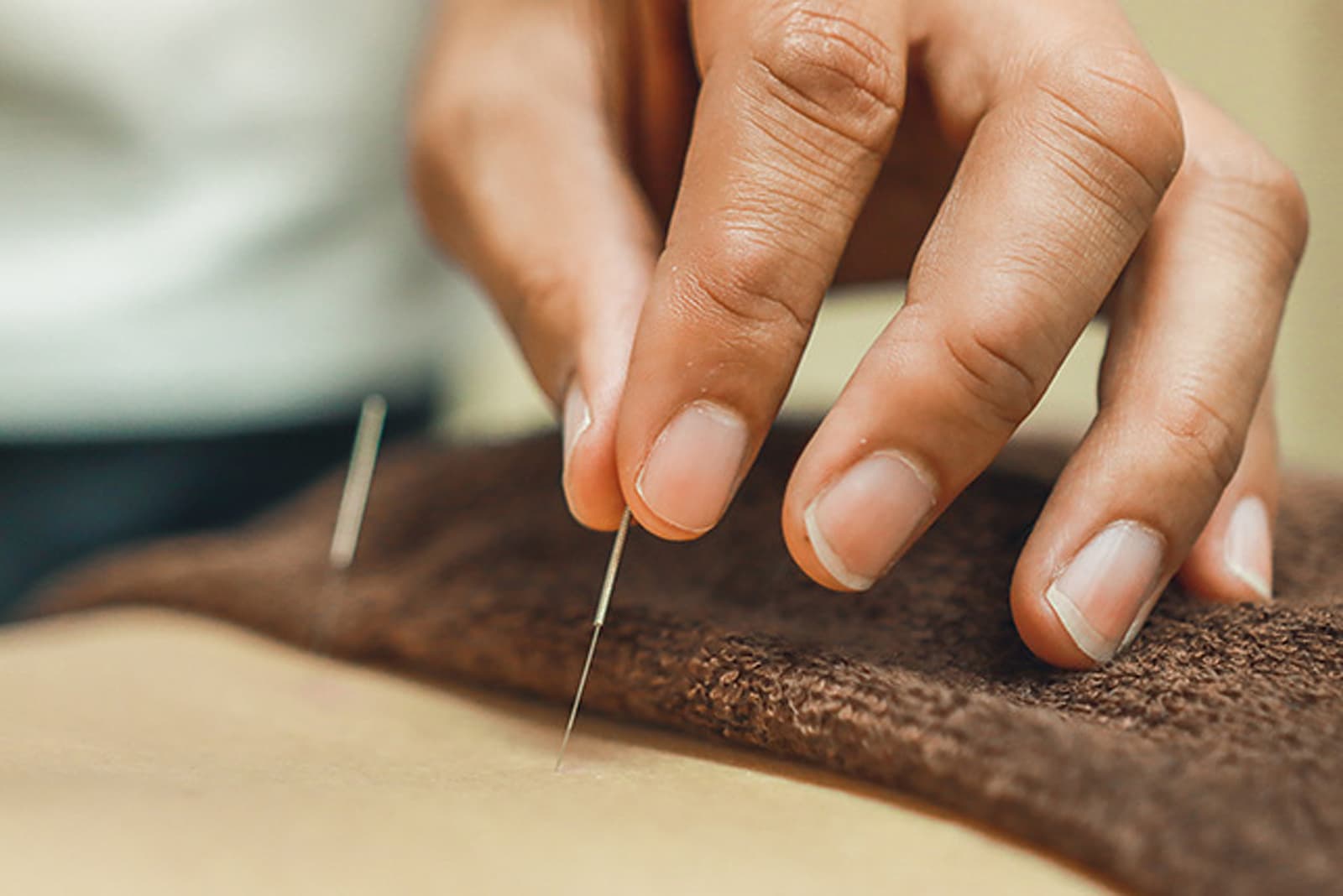
Selecting the right acupuncture style starts with your clinical goal, comfort with needles, and the practitioner’s training. If you want broad, pattern‑based care that addresses constitutional and symptom patterns, Traditional Chinese Medicine (TCM) or Five Element approaches are common choices because they use meridian diagnosis and point combinations to treat root and branch issues. For targeted musculoskeletal pain or sports recovery, consider sports acupuncture, Acupuncture Physical Medicine (APM), dry needling, or medical/Western acupuncture, which emphasize functional assessment and neuromuscular techniques to speed rehabilitation and restore movement. If you need neurological rehabilitation (post‑stroke, brain injury), scalp acupuncture or specialized protocols are often used to target cortical areas and motor recovery. For those who prefer gentler stimulation, Japanese acupuncture and auricular (ear) acupuncture use shallower insertion and palpation‑based diagnosis, while electroacupuncture adds mild electrical stimulation when stronger neuromodulation is desired.

Conclusion
Acupuncture encompasses many styles and techniques—from classical TCM and Five Element approaches to modern medical, sports, and scalp methods—and the best choice depends on your goals, tolerance for needles, and the practitioner’s training; prioritize safety, clear goals, and a licensed clinician.
Read More