


Heart rhythm disorders, medically known as arrhythmias, are among the most common cardiovascular conditions affecting people worldwide. While some arrhythmias are harmless and temporary, others can be serious and even life-threatening if left untreated.
What Is an Arrhythmia?
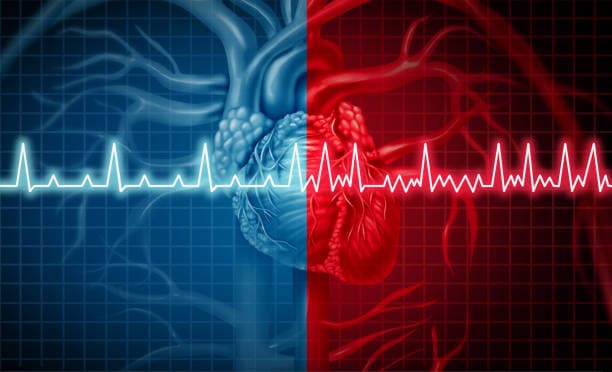
An arrhythmia is an abnormal heart rhythm that occurs when the electrical signals controlling the heartbeat malfunction. These irregularities may cause the heart to beat too fast (tachycardia), too slow (bradycardia), or irregularly.
The heart relies on a precise electrical system to pump blood efficiently throughout the body. When this system is disrupted, it can lead to reduced blood flow, dizziness, or more serious complications like stroke or cardiac arrest.
Common Types of Arrhythmias
Understanding the type of arrhythmia is key to determining the right treatment approach. The most common types include:
Atrial Fibrillation (AFib): A rapid, irregular heartbeat originating in the upper chambers of the heart.
Atrial Flutter: Similar to AFib but with a more organized rhythm.
Ventricular Tachycardia: A fast heartbeat originating in the lower chambers.
Ventricular Fibrillation: A life-threatening condition causing chaotic heart rhythms.
Bradycardia: A slower-than-normal heart rate.
Premature Heartbeats: Early beats that disrupt the normal rhythm.

Symptoms of Arrhythmia
Arrhythmia symptoms can vary widely depending on the type and severity of the condition. Some individuals may not experience noticeable symptoms, while others may have significant discomfort. Common Symptoms Include:
Palpitations: A fluttering, pounding, or racing sensation in the chest
Shortness of Breath: Difficulty breathing during activity or at rest
Dizziness or Lightheadedness: Often due to reduced blood flow to the brain
Chest Pain or Discomfort: Especially in more serious cases
Fatigue: Persistent tiredness even with minimal exertion
Fainting (Syncope): Sudden loss of consciousness in severe cases
It is important to note that symptoms may come and go, making arrhythmias sometimes difficult to detect without medical testing.
Causes and Risk Factors
Arrhythmias can be triggered by a variety of factors, ranging from lifestyle habits to underlying health conditions. Common Causes:
Heart disease or previous heart attacks
High blood pressure (hypertension)
Electrolyte imbalances (such as potassium or sodium levels)
Thyroid disorders
Stress and anxiety
Excessive caffeine or alcohol intake
Smoking
Certain medications
Risk Factors:
Aging
Family history of heart conditions
Obesity
Diabetes
Sleep apnea
Understanding these risk factors is crucial for both prevention and management.

How Arrhythmias Are Diagnosed
Accurate diagnosis is essential to determine the type and severity of arrhythmia. Healthcare providers use several diagnostic tools:
Electrocardiogram (ECG): Records the electrical activity of the heart
Holter Monitor: A portable ECG worn for 24–48 hours
Event Monitor: Used over a longer period to capture intermittent symptoms
Echocardiogram: Uses ultrasound to visualize heart structure
Stress Test: Evaluates heart function during physical activity
Electrophysiology Study (EPS): An invasive test to map electrical signals
Treatment Options for Arrhythmia
Treatment depends on the type, severity, and underlying cause of the arrhythmia. Modern medicine offers a wide range of effective treatment options.
Lifestyle Modifications
In mild cases, lifestyle changes can significantly improve symptoms:
Reducing caffeine and alcohol intake
Quitting smoking
Managing stress
Maintaining a healthy weight
Regular physical activity
These changes are often recommended alongside other treatments.
Medications
Medications are commonly used to control heart rhythm and prevent complications:
Antiarrhythmic drugs: Help restore normal rhythm
Beta-blockers: Slow down the heart rate
Calcium channel blockers: Regulate heart rhythm
Anticoagulants (blood thinners): Reduce stroke risk, especially in AFib patients
Medication plans are tailored to each patient and require careful monitoring.
Electrical Cardioversion
This procedure delivers controlled electrical shocks to reset the heart’s rhythm. It is often used for atrial fibrillation or atrial flutter and is performed under sedation.
Catheter Ablation
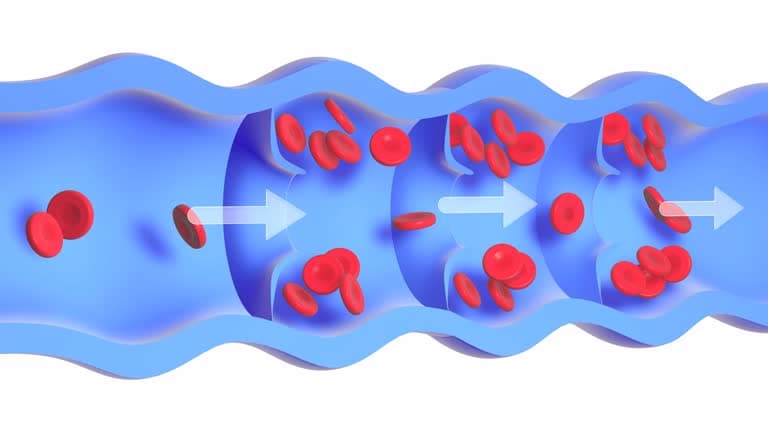
Catheter ablation is a minimally invasive procedure that targets and destroys abnormal electrical pathways in the heart.
A thin catheter is inserted through a blood vessel and guided to the heart
Heat (radiofrequency) or cold (cryoablation) is used to eliminate problematic tissue
Implantable Devices
For patients with severe or recurring arrhythmias, implantable devices may be necessary:
Pacemaker: Helps regulate slow heart rhythms
Implantable Cardioverter Defibrillator (ICD): Detects and corrects life-threatening arrhythmias
Cardiac Resynchronization Therapy (CRT): Improves heart efficiency in certain patients
Surgical Treatment
In rare cases, surgery may be required:
Maze Procedure: Creates scar tissue to redirect electrical signals
Often performed during other heart surgeries, such as bypass surgery
Recovery and Long-Term Management
Recovery depends on the type of treatment received. Minimally invasive procedures like catheter ablation typically require shorter recovery times, while surgical interventions may need longer healing periods. Long-Term Care Includes:
Regular follow-up appointments
Medication adherence
Monitoring heart health
Lifestyle adjustments
Conclusion
Arrhythmias are a diverse group of heart rhythm disorders that can range from mild to life-threatening. Recognizing symptoms early and seeking proper medical evaluation is crucial for effective management. With advancements in diagnostic tools and treatment options, most arrhythmias can be successfully controlled or even cured. From medications and lifestyle changes to cutting-edge procedures like catheter ablation and implantable devices, patients have access to a wide range of solutions.
Read More