

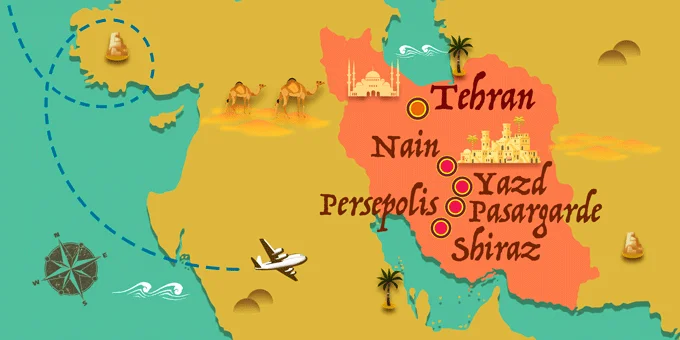
Iran, a land of rich history and diverse landscapes, offers something for every type of traveler. The best time to visit largely depends on what you want to experience. Spring (March to May) is often considered the best time to explore Iran.
best time to visit Iran
Iran's varied climate makes it a year-round destination, but the best times to visit are generally in the spring (March to May) and fall (September to November). During these periods, the weather is mild and comfortable, perfect for exploring the country's rich cultural heritage and stunning landscapes. Spring brings blooming flowers and lush greenery, making it an ideal time for nature enthusiasts. Fall, with its pleasant temperatures and beautiful autumn colors, is equally appealing. Each season offers unique experiences, so your choice of when to visit can be tailored to your interests and preferred activities.
The average weather in Iran’s major cities
Iran's major cities experience a diverse range of climates due to the country's varied geography. In Tehran, the capital, the weather is generally mild in spring and fall, with average temperatures ranging from 15°C to 25°C. Summers can be hot, with temperatures often exceeding 35°C, while winters are cool, with averages around 5°C to 10°C.
Mashhad, located in the northeast, has a more continental climate. Spring and fall temperatures are pleasant, ranging from 10°C to 20°C. Summers are warm, with averages around 25°C to 30°C, and winters can be quite cold, with temperatures often dropping below freezing.
Tabriz, in the northwest, experiences cold winters and hot summers. Winter temperatures can fall to around -5°C to 5°C, while summer temperatures can soar to 30°C to 35°C.
Bandar Abbas, on the southern coast, has a tropical climate with warm temperatures year-round. Average temperatures range from 20°C to 35°C, with little variation between seasons.
Each city offers a unique climate experience, reflecting Iran's diverse landscape and geography. Whether you're looking for mild weather to explore cultural sites or warm coastal breezes, Iran's major cities have something to offer throughout the year.
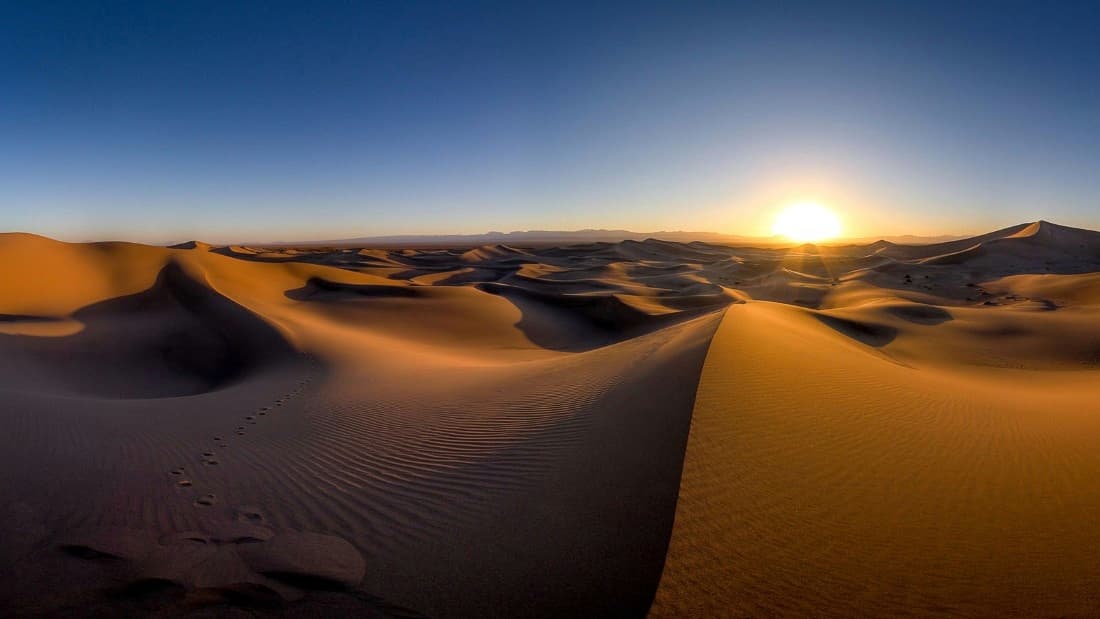
The weather in Iran all year round
Iran experiences a diverse climate throughout the year, largely influenced by its varied topography and expansive geography. This diversity means you can find almost every type of weather condition across the country at any given time.
In spring (March to May), most regions, including Tehran and Shiraz, enjoy mild and pleasant temperatures, ranging from 15°C to 25°C. This season is ideal for exploring the historical sites and beautiful gardens, as the countryside is lush and vibrant with blooming flowers.
Summer (June to August) brings heat to central and southern regions like Isfahan and Yazd, where temperatures can soar above 35°C. However, the northern regions, especially along the Caspian Sea in cities like Rasht and Nowshahr, experience more moderate and humid conditions, with temperatures averaging around 25°C. The mountainous areas, such as Alborz and Zagros ranges, offer a cool respite from the heat, making them popular destinations for trekking and nature excursions.
Autumn (September to November) is another beautiful season in Iran, with temperatures cooling down to a comfortable range of 15°C to 25°C in most areas. The fall foliage adds a picturesque charm to cities like Tabriz and Mashhad. This period is perfect for cultural tours and outdoor activities.
Winter (December to February) brings significant variations depending on the region. Northern and mountainous areas like Tehran, Tabriz, and Mashhad experience cold winters, with temperatures often dropping below freezing and occasional snowfall. This season is perfect for skiing and snowboarding enthusiasts, with resorts such as Dizin and Shemshak offering excellent facilities. In contrast, southern regions, including Bandar Abbas and Kish Island, enjoy mild winter temperatures, ranging from 15°C to 25°C, making them ideal destinations for escaping the cold and enjoying the Persian Gulf's warmth.
Overall, Iran's diverse climate offers a unique opportunity to experience a range of weather conditions throughout the year, making it a fascinating destination for travelers with different interests. Whether you prefer exploring historical sites in pleasant spring weather, seeking refuge in the cool mountains during the scorching summer, enjoying the colorful autumn landscapes, or hitting the ski slopes in winter, Iran has something to offer year-round. This climatic variety ensures that every visit to Iran can be a new and exciting adventure, tailored to the season's unique charms.
Conclusion
In conclusion, the best time to visit Iran largely depends on what you want to experience. Spring and fall are generally considered the ideal seasons, offering mild weather perfect for exploring the country's historical and natural treasures. However, each season in Iran brings its own unique charm—whether it's the blooming landscapes of spring, the colorful foliage of autumn, the refreshing mountain escapes during summer, or the winter sports opportunities in the snowy peaks. This diverse climate ensures that whenever you choose to visit, Iran will always have something extraordinary to offer.
Read More