

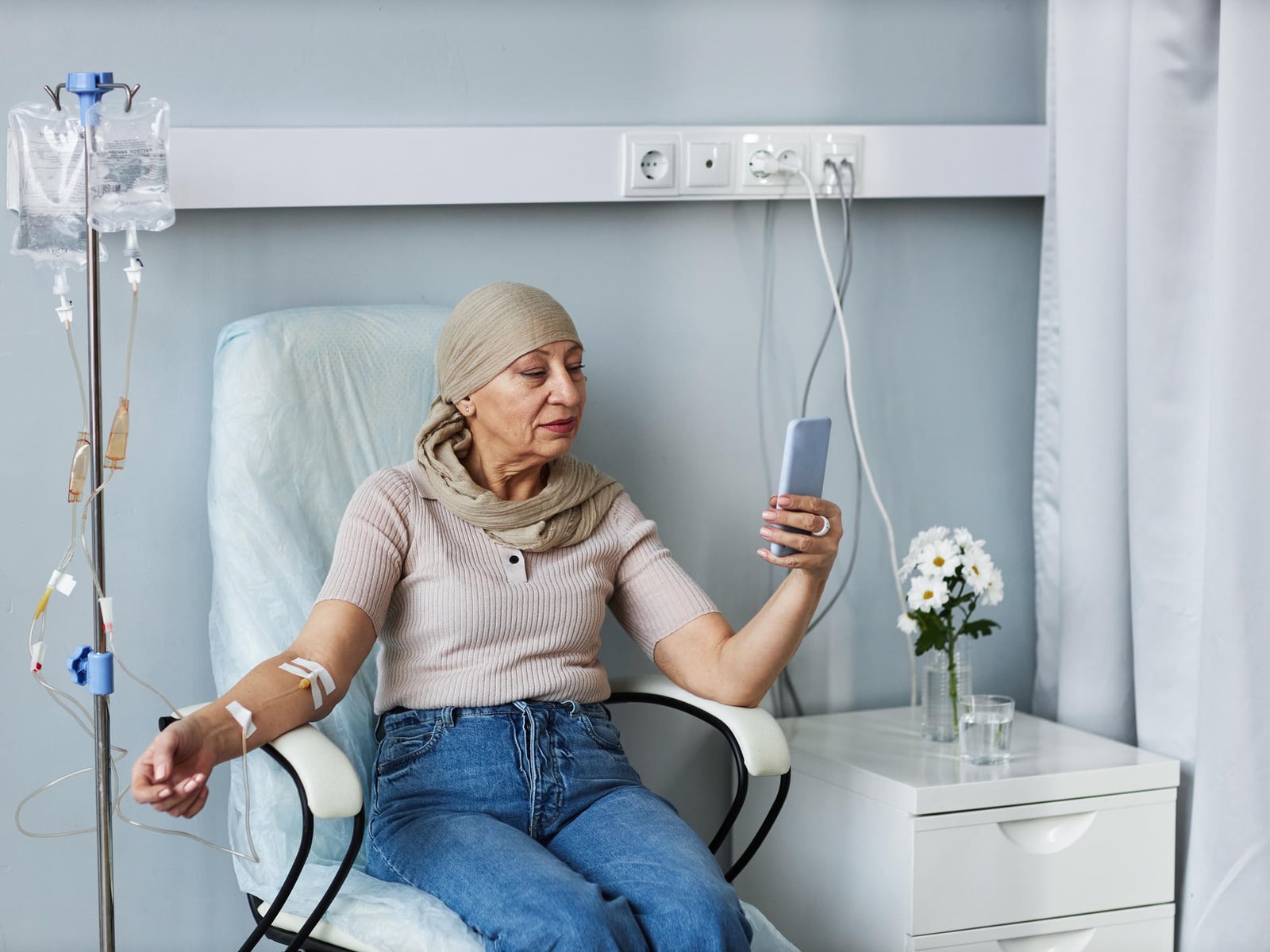
Chemotherapy is a systemic cancer treatment that uses powerful drugs to kill or slow the growth of cancer cells; it can be used alone or with surgery, radiation, and newer therapies to cure, control, or relieve symptoms.
What is chemotherapy?
Chemotherapy refers to a broad group of cytotoxic medications designed to interfere with the processes that allow cells to grow and divide; because cancer cells typically divide more quickly than most normal cells, these drugs preferentially harm tumors while also affecting some healthy tissues. Chemotherapy is systemic, meaning it travels through the bloodstream and can reach cancer cells almost anywhere in the body, so it is used for cancers that have spread as well as for localized disease when combined with surgery or radiation. Different classes of chemotherapy—alkylating agents, antimetabolites, plant alkaloids, topoisomerase inhibitors, and antitumor antibiotics—work at distinct points in the cell cycle or directly damage DNA, and oncologists commonly use combinations to increase effectiveness and reduce resistance. Treatment is typically given in cycles to allow normal tissues time to recover; routes include intravenous infusion, oral tablets, injections, and sometimes regional delivery directly into a body cavity or organ. The goals of chemotherapy vary: it can be curative for some blood cancers and certain solid tumors, neoadjuvant to shrink tumors before surgery, adjuvant to lower recurrence risk after surgery, or palliative to control symptoms and prolong life in advanced disease. Because chemotherapy also affects healthy rapidly dividing cells—such as those in bone marrow, the digestive tract, and hair follicles—common side effects include fatigue, nausea, hair loss, low blood counts, and increased infection risk; many of these are manageable today with supportive medicines, dose adjustments, and close monitoring.
How does chemotherapy work?
Chemotherapy drugs are systemic treatments that preferentially affect cells that divide rapidly, so they work by damaging DNA, blocking DNA replication, or interfering with the machinery of cell division; different drug classes act at different points in the cell cycle—for example, alkylating agents create DNA crosslinks, antimetabolites mimic building blocks of DNA and RNA, microtubule inhibitors prevent chromosomes from separating, and topoisomerase inhibitors block enzymes that untangle DNA—this diversity lets oncologists combine agents to attack cancer cells from multiple angles and reduce the chance that resistant cells survive. Because chemotherapy circulates through the blood, it can reach microscopic cancer cells throughout the body, making it useful for treating both localized tumors (often alongside surgery or radiation) and cancers that have spread; treatments are given in repeated cycles so healthy tissues—especially bone marrow, the lining of the gut, and hair follicles—have time to recover between doses. Clinicians tailor drug choice, dose, and schedule to the cancer type, stage, and the patient’s overall health, balancing maximal tumor kill against manageable toxicity; supportive measures such as antiemetics, growth factors, and infection monitoring help reduce side effects and allow patients to stay on effective regimens.
What types of cancer can chemotherapy treat?
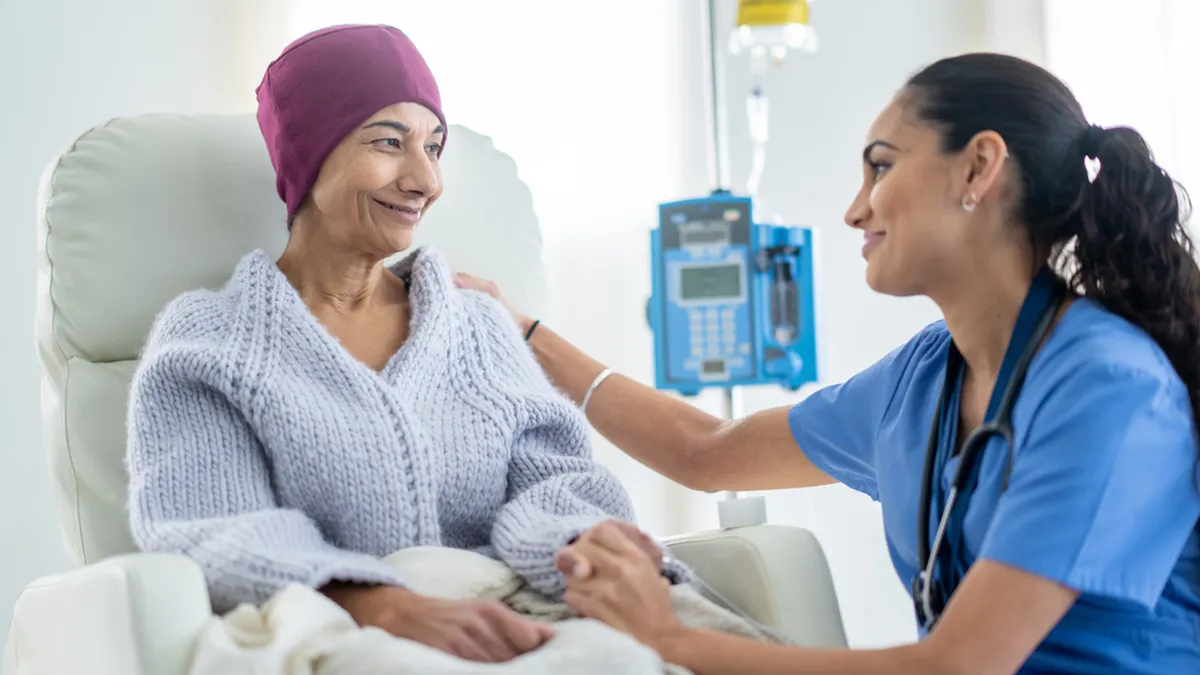
Chemotherapy is a versatile systemic therapy that is applied across numerous cancer types because its drugs circulate through the bloodstream and can reach cancer cells throughout the body; it is a mainstay for hematologic malignancies such as acute and chronic leukemias, Hodgkin and non‑Hodgkin lymphomas, and multiple myeloma, where chemotherapy often plays a central or curative role. For solid tumors, chemotherapy is commonly used for breast, lung, colorectal, ovarian, pancreatic, stomach, bladder, and head and neck cancers, and it is a standard component of treatment for testicular cancer—a disease notably sensitive to chemotherapy and often curable even when metastatic. Chemotherapy may be given before surgery (neoadjuvant) to shrink tumors, after surgery (adjuvant) to reduce recurrence risk, or as primary or palliative therapy to control symptoms and slow progression in advanced disease. Oncologists select specific agents or combinations based on tumor type, stage, molecular features (biomarkers), and patient health, and they often combine chemotherapy with surgery, radiation, targeted therapies, or immunotherapy to improve outcomes. Some cancers rely primarily on chemotherapy (for example many leukemias and lymphomas), while others use it as one part of a multimodal approach; in metastatic settings it frequently aims to prolong life and preserve quality of life. Because the effectiveness and role of chemotherapy vary by diagnosis, patients are encouraged to discuss how chemotherapy fits into the recommended plan for their specific cancer and what goals—curative, control, or symptom relief—are intended.

What happens during chemotherapy treatment?
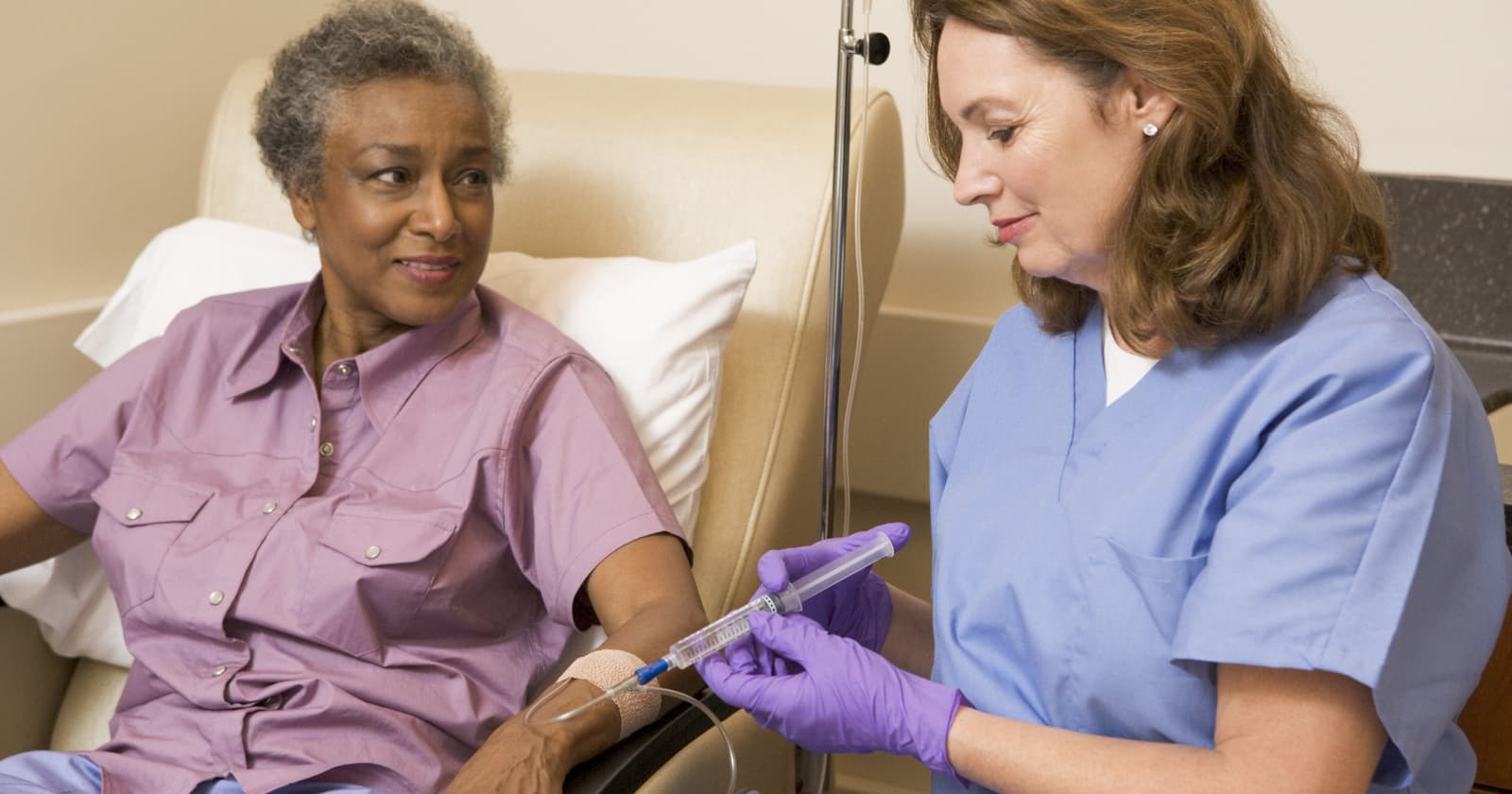
Chemotherapy sessions typically begin with preparation and testing, proceed through drug administration and monitoring, and continue with recovery, side‑effect management, and scheduled follow‑up to assess response and plan the next cycle. During a treatment visit you’ll usually have blood tests and a brief exam to confirm it’s safe to proceed; many patients receive premedications such as antiemetics or steroids to reduce immediate side effects, and chemotherapy is then given either intravenously, orally, or by another route depending on the drug and regimen. Infusions can last minutes to several hours, and some patients have a central line or port placed for repeated access; nurses monitor vital signs and watch for allergic reactions while the drug is delivered. After the dose is given you’ll be observed briefly, given instructions about expected side effects and symptom management, and provided prescriptions for supportive medicines (for nausea, pain, or to boost blood counts) as needed. Treatments are scheduled in cycles—periods of dosing followed by rest—to allow normal tissues to recover, and clinicians check blood counts and organ function before each cycle and use imaging or lab markers periodically to evaluate tumor response. Ongoing communication with the oncology team helps manage toxicities, adjust doses, and coordinate additional therapies such as surgery or radiation.
How long is chemo treatment?
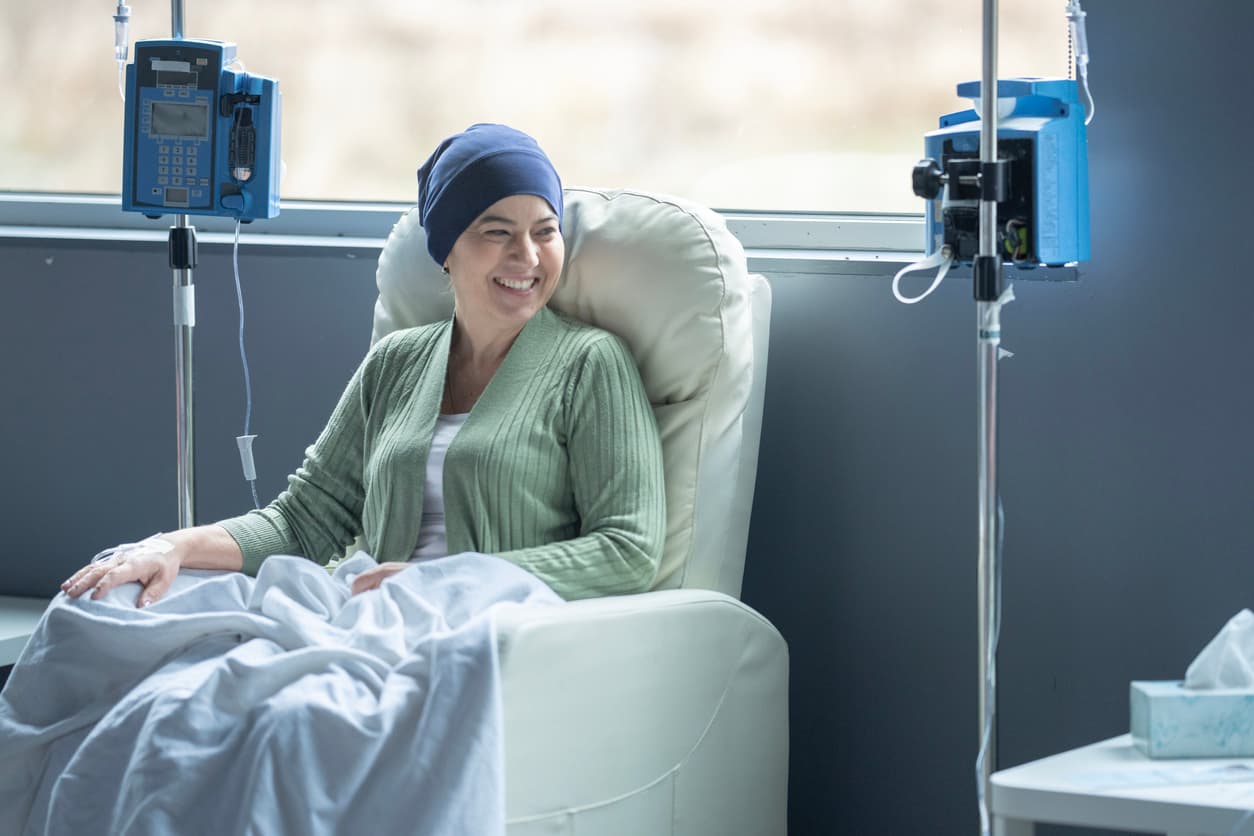
How long chemotherapy lasts depends on several interacting factors: the specific drugs and regimen, the cancer type and stage, treatment intent (curative, neoadjuvant, adjuvant, or palliative), and how the patient tolerates therapy. Individual infusions or oral doses may take anywhere from a few minutes for a pill to several hours for an IV infusion, and some complex regimens require multi‑day inpatient infusions; most outpatient sessions, however, are measured in hours and include premedication and monitoring. Chemotherapy is delivered in cycles—a treatment period followed by a rest period to allow normal tissues to recover—and a full course is defined by the number of cycles prescribed: common adjuvant schedules run over 3–6 months, some curative blood‑cancer protocols last several months, and certain maintenance or targeted‑chemo approaches may continue for a year or longer. In metastatic or chronic settings, patients may receive repeated cycles indefinitely or switch to oral agents taken continuously until progression or unacceptable toxicity. Response to therapy and side‑effect management often prompt dose adjustments or schedule changes, and clinicians reassess with blood tests and imaging between cycles to decide whether to continue, stop early, or change treatment. Because of this variability, expect a personalized timeline discussed with your oncology team that balances effectiveness with quality of life and safety.
What are the benefits & side effects of chemotherapy?
Chemotherapy’s primary benefits are its ability to destroy or control cancer cells systemically, making it effective for cancers that have spread beyond a single site and for blood cancers where it can be curative; it is also used neoadjuvantly to shrink tumors before surgery, adjuvantly to lower the chance of recurrence after surgery, and palliatively to relieve symptoms and prolong life in advanced disease. Many regimens combine drugs with different mechanisms to increase tumor kill and reduce resistance, and when integrated with surgery, radiation, targeted agents, or immunotherapy, chemotherapy can substantially improve survival and quality of life for many patients.
Because chemotherapy affects rapidly dividing normal cells, it produces a predictable set of side effects. Common short‑term effects include fatigue, nausea and vomiting, hair loss, mouth sores, diarrhea or constipation, and low blood counts (anemia, neutropenia, thrombocytopenia), which raise infection and bleeding risks; most of these can be reduced or managed with antiemetics, growth factors, transfusions, and other supportive measures. Peripheral neuropathy, cognitive changes (“chemo brain”), fertility impairment, and organ-specific toxicities (heart, lungs, kidneys, or nerves) are possible longer‑term or cumulative effects for some drugs, and a small risk of treatment‑related secondary cancers exists with certain agents.
Can cancer come back after chemotherapy?
Cancer can recur because small numbers of cancer cells may survive initial treatment or spread before therapy began, later regrowing into detectable disease; some cells can enter a dormant state and evade drugs that target actively dividing cells, and others may develop resistance mechanisms that allow them to survive chemotherapy. Recurrence may appear locally (near the original tumor), regionally (nearby lymph nodes), or as distant metastasis (in other organs), and the timing varies widely—from months to many years after treatment—so long‑term follow‑up is standard practice. The likelihood of recurrence varies by diagnosis: some cancers have low recurrence rates after successful therapy, while others carry higher long‑term risks. Population‑level recurrence estimates are useful for planning but do not predict an individual’s outcome; clinicians combine tumor stage, molecular markers, and response to treatment to estimate personal risk and guide surveillance and additional therapies. For many early‑stage cancers, adjuvant chemotherapy reduces recurrence risk substantially, but it does not eliminate it entirely.
Conclusion
Chemotherapy remains a cornerstone of cancer treatment, offering the ability to cure some cancers, shrink tumors, reduce recurrence risk, and relieve symptoms when disease is advanced. Its power comes with predictable toxicities because it targets rapidly dividing cells, but modern supportive care, tailored dosing, and combination strategies help manage side effects and improve outcomes. Decisions about chemotherapy are individualized—based on cancer type, stage, and patient goals—and made in partnership with the oncology team to balance effectiveness with quality of life.
Read More