


Dentures and dental implants are two common ways to replace missing teeth: dentures are removable prostheses that restore appearance and function affordably, while implants are surgically placed fixtures that mimic natural teeth and preserve jawbone.
What are dentures?
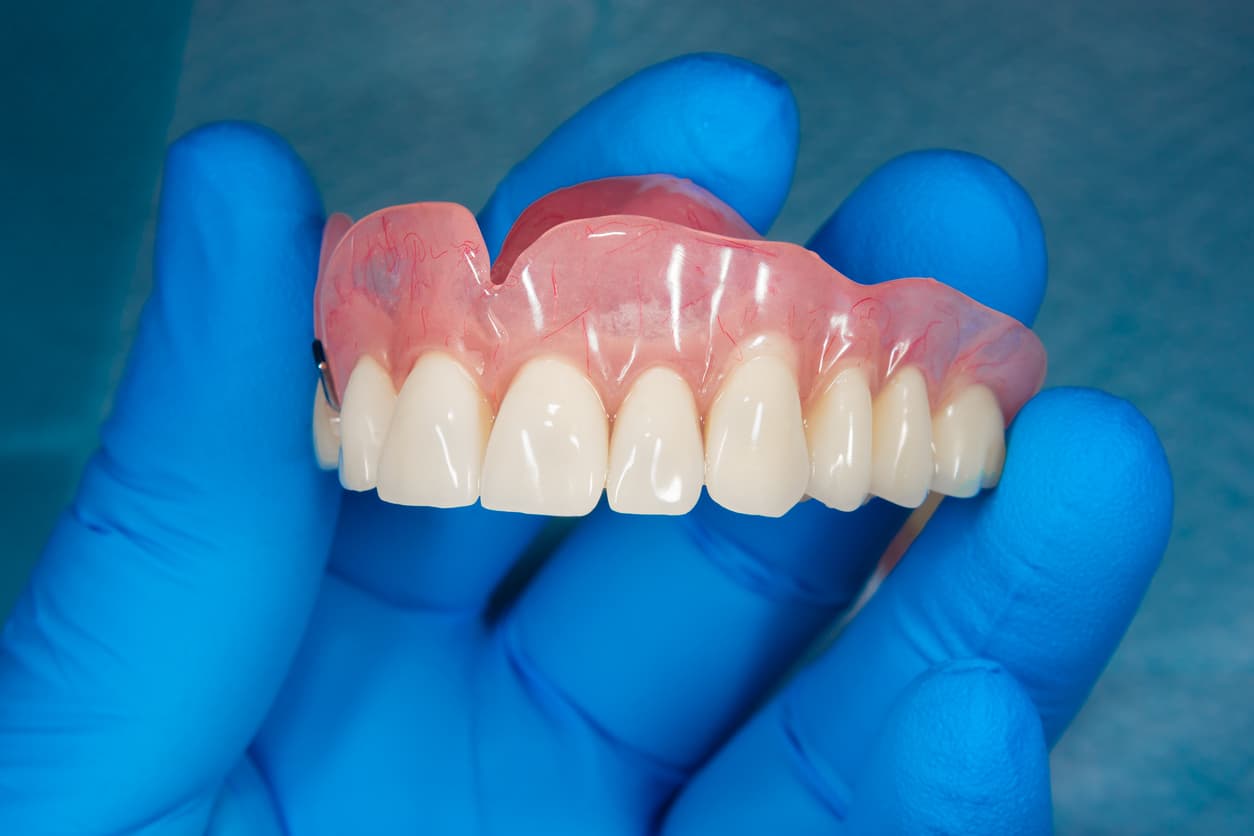
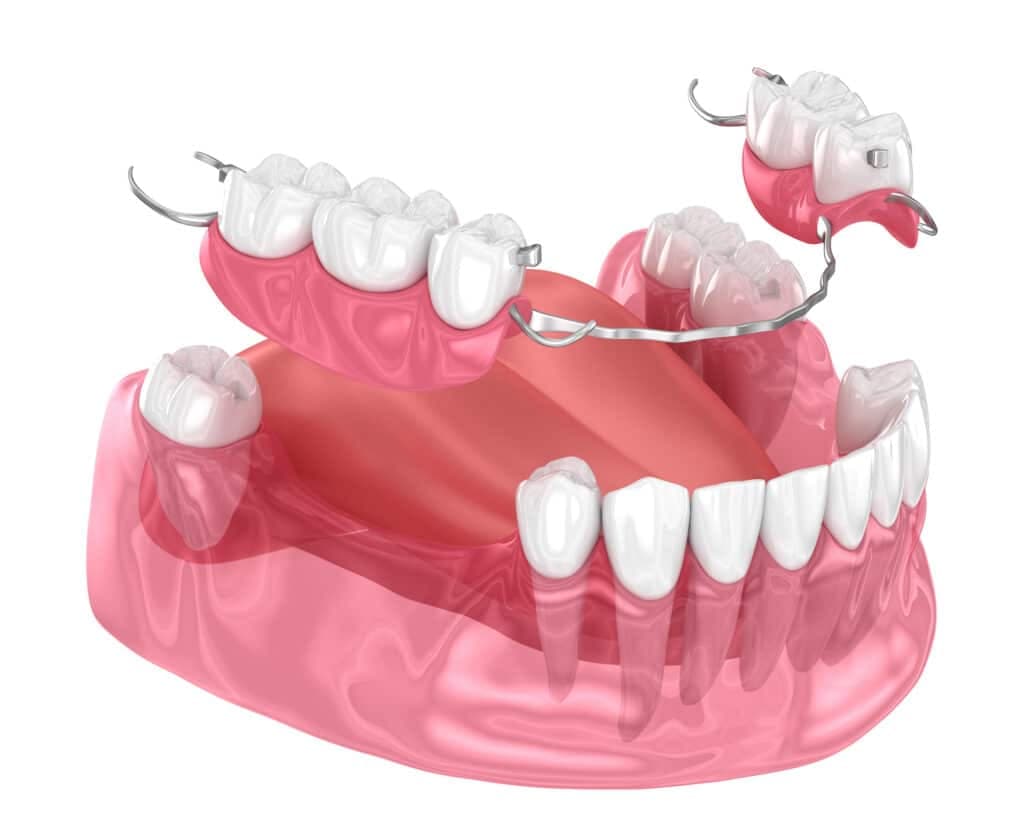
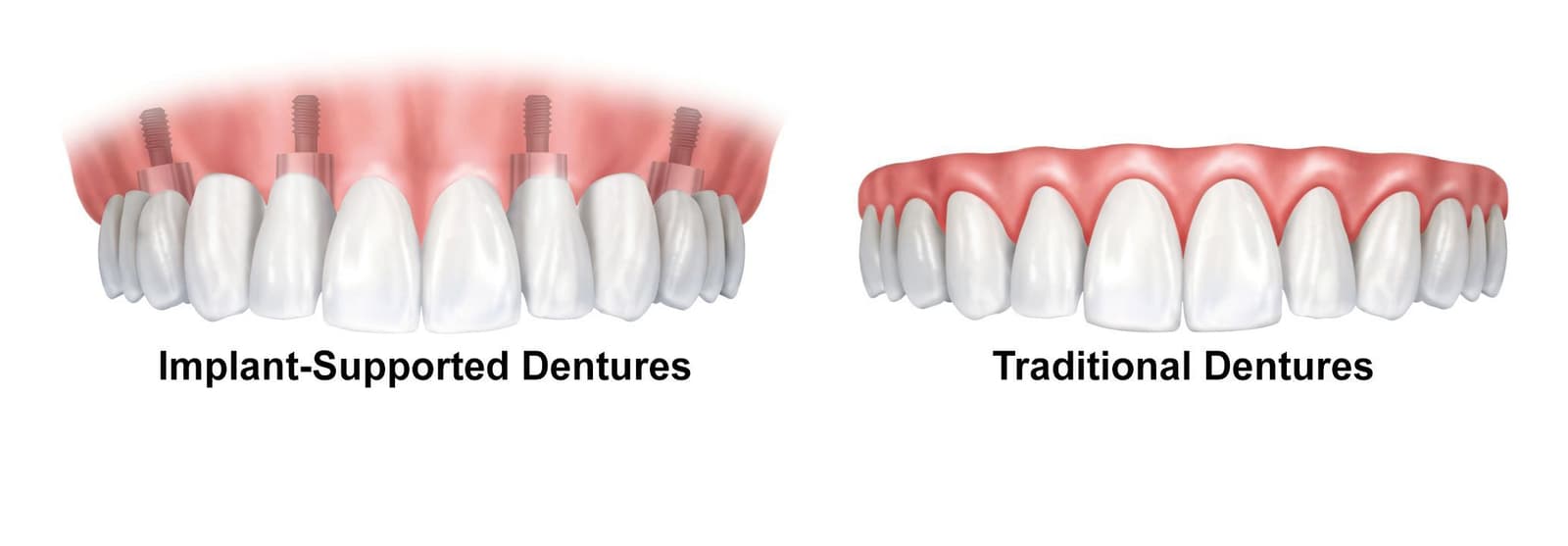
Dentures are removable oral appliances designed to replace missing teeth and the surrounding gum tissue, improving appearance, speech, and chewing ability. They can be full (complete) dentures that replace an entire arch or partial dentures that fill gaps while using remaining natural teeth for support. Dentures are typically crafted by dental technicians from materials such as acrylic resin, nylon, metal alloys, and sometimes porcelain for the teeth; the base is often gum‑colored acrylic that rests on the oral tissues. Some dentures are immediate, fitted to be worn right after extractions, while others are made after healing to ensure a better fit. Implant‑retained dentures attach to dental implants for improved stability and function but remain removable for cleaning. Dentures require an adaptation period—initial soreness, increased saliva, and changes in speech are common—and they need regular maintenance: daily cleaning, periodic adjustments or relining as the jawbone remodels, and replacement every several years depending on wear and oral changes. For many people dentures offer an affordable, non‑surgical way to restore a smile and oral function, while implant options provide greater long‑term stability when anatomy and budget permit.
What are dental implants?
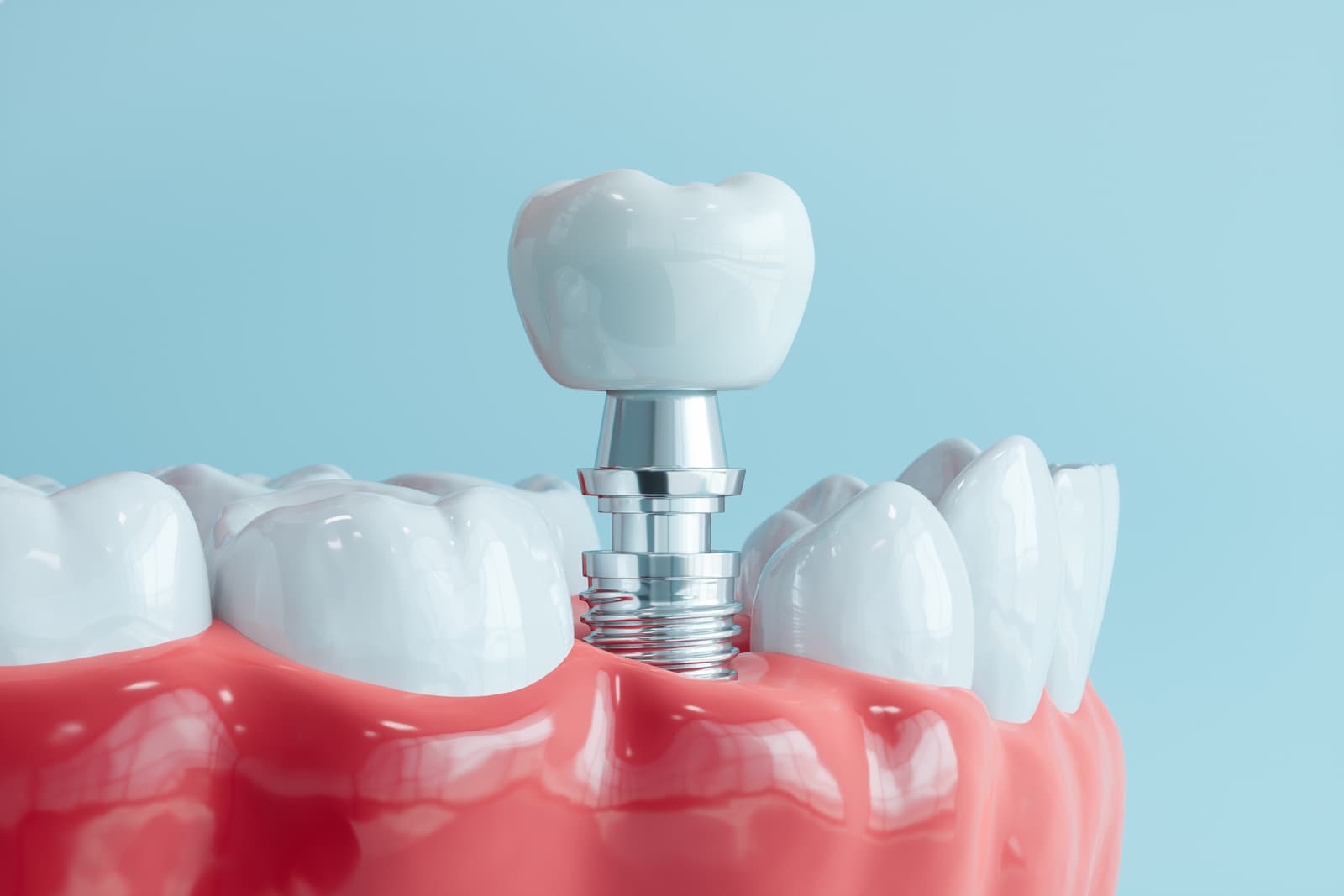
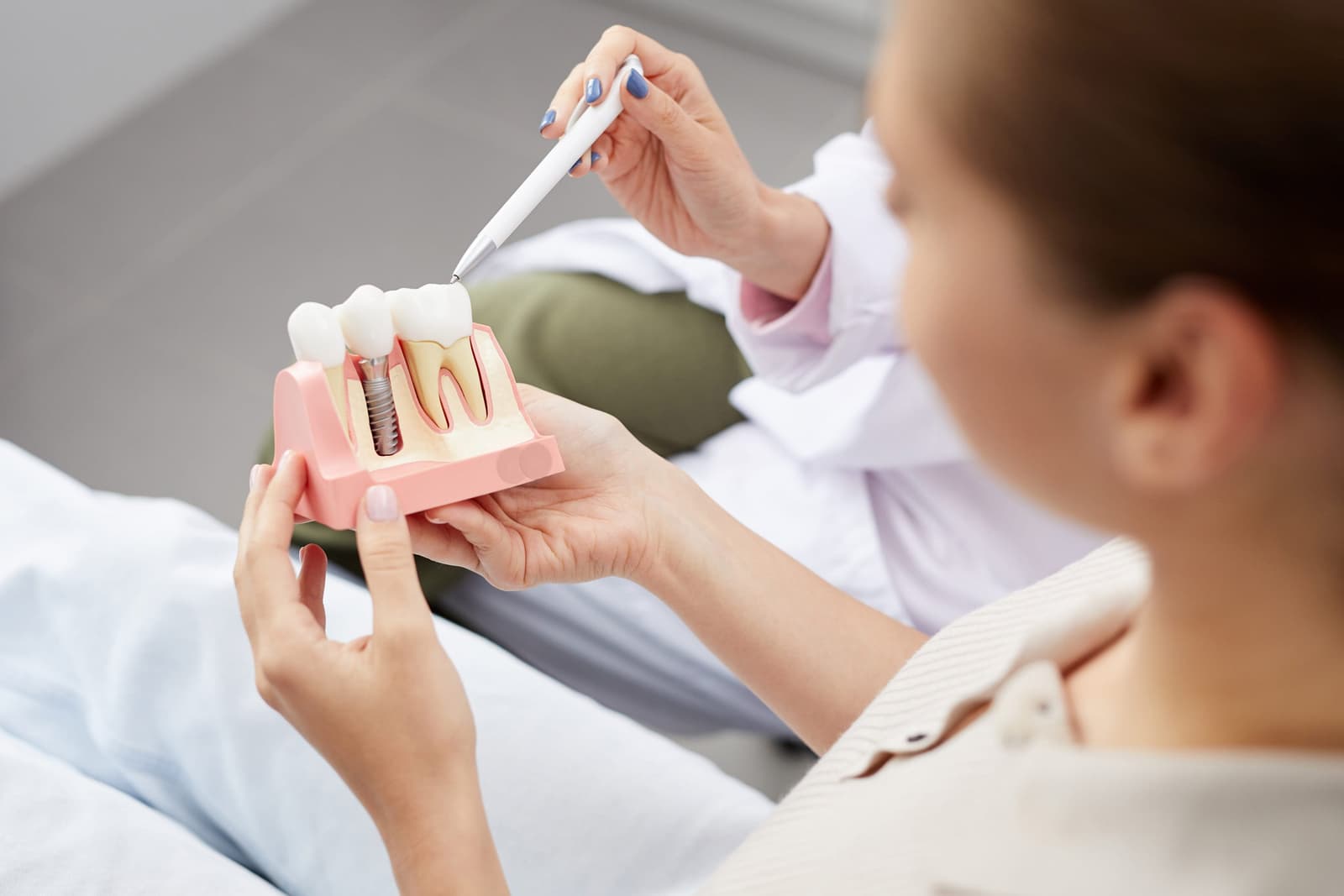
Dental implants are biocompatible posts surgically inserted into the jawbone to replace missing tooth roots, providing a stable foundation for prosthetic teeth such as single crowns, bridges, or implant‑retained dentures. An implant restoration typically has three parts: the implant fixture (the screw‑like post placed in bone), an abutment that connects the fixture to the visible restoration, and the crown or prosthesis that restores appearance and function. Implants are most commonly made from titanium or ceramic materials chosen for their ability to integrate with bone. The key biological principle behind their success is osseointegration, a process in which bone cells grow tightly around the implant surface, anchoring it firmly and allowing the implant to withstand normal chewing forces. Implant therapy can replace one tooth or an entire arch and is often recommended when preserving jawbone and maximizing chewing efficiency are goals. Treatment planning involves radiographic assessment, possible bone augmentation, surgical placement, a healing period for integration, and final prosthetic attachment. While implants require surgery and a larger initial investment, they frequently deliver superior comfort, function, and longevity compared with removable prostheses when patients are appropriate candidates.
What are the advantages of dentures?
Dentures provide a cost‑effective and non‑invasive solution for replacing missing teeth, making them accessible to many patients who cannot or prefer not to undergo surgery.
They restore facial appearance and smile aesthetics, filling gaps that otherwise cause sagging cheeks and altered facial contours, which often improves self‑confidence and social comfort.
Functionally, dentures reestablish basic chewing and speaking ability, allowing a broader diet and clearer speech compared with having multiple missing teeth.
Dentures are customizable in shape, color, and fit, so technicians can match them to remaining teeth or desired aesthetics, and they can be delivered as immediate dentures to avoid a period without teeth after extractions.
Maintenance is straightforward: daily removal for cleaning and periodic relining or adjustment addresses normal jawbone changes, and repairs or replacements are generally simpler and less costly than revising implant restorations.
For patients with limited bone volume, systemic health issues, or financial constraints, dentures offer a reliable route to restore oral function and appearance without the time, surgical risk, or expense of implant therapy.
What are the advantages of dental implants?
Dental implants provide several compelling advantages over removable prostheses and traditional bridges.
They restore both the tooth root and crown, which preserves jawbone by transmitting chewing forces into bone and reducing the bone resorption that follows tooth loss.
This bone preservation helps maintain facial contours and prevents the “sunken” appearance that can accompany long‑term tooth loss.
Functionally, implants deliver superior chewing efficiency and stability, allowing patients to eat a wider variety of foods without the slipping or adhesive dependence common with dentures.
Implants also offer excellent durability and longevity; when placed and maintained properly they frequently last decades and have high long‑term success rates.
Aesthetic and comfort benefits are notable: implant crowns look and feel like natural teeth, support clear speech, and avoid the need to alter adjacent healthy teeth as with some bridgework.
Because implants are made from biocompatible materials and are fixed in bone, the restored tooth is not susceptible to decay in the implant itself, though surrounding gum health must be maintained.
For many patients the combination of improved function, bone preservation, and long‑term value makes implants the preferred option when anatomy and budget allow.
Is it better to have dentures or implants?
Deciding whether dentures or implants are better depends on individual priorities, anatomy, and resources. Dental implants replace the tooth root with a biocompatible post that integrates with bone, offering superior chewing efficiency, stability, and long‑term preservation of jawbone and facial contours; they often feel and function like natural teeth and can last decades with proper care.
Dentures, by contrast, are removable prostheses that restore appearance and basic function quickly and without surgery, making them a practical choice when medical conditions, bone loss, or budget limit implant candidacy.
Implants typically require surgical placement, possible bone grafting, and a longer timeline before final restoration, plus a higher upfront cost; dentures can be delivered sooner and adjusted or relined as the jaw changes.
For many clinicians and patients, implants are the preferred option when anatomy and finances allow because of their functional and biological advantages, but high‑quality dentures remain a valid, cost‑effective solution for full‑arch replacement or when surgery is contraindicated.
Which lasts longer, dentures or implants?
Dental implants typically outlast conventional dentures because they replace the tooth root and integrate with jawbone, providing a stable, long‑term foundation for crowns or prostheses. With good surgical technique, appropriate patient selection, and consistent oral hygiene, implants commonly remain functional for decades; many studies and clinical reports show high survival rates at 10–20 years and beyond, making implants a durable investment for tooth replacement. Dentures, by contrast, are prosthetic appliances that rest on soft tissues and the residual ridge; they wear, stain, and lose fit as the jawbone remodels after tooth loss, so most patients need periodic relining, adjustment, or replacement every 5–10 years depending on material, use, and anatomical change. Implant‑retained restorations also help preserve bone by transmitting chewing forces into the jaw, which slows resorption and supports long‑term facial form—another reason implants maintain function longer than tissue‑borne dentures. However, implants require surgery, possible grafting, and careful maintenance to avoid complications such as peri‑implantitis; when implants fail or are poorly maintained, their longevity can be compromised.
Conclusion
Dentures and dental implants both restore missing teeth, but implants generally offer superior long‑term function and bone preservation, while dentures remain the faster, less invasive, and more affordable option for many patients.
Read More
