


After a tooth extraction, the first 24–48 hours are the most critical: protect the blood clot, control bleeding and swelling, and follow gentle oral-hygiene and pain‑management steps to reduce pain and prevent complications like infection or dry socket.
What is a tooth extraction?
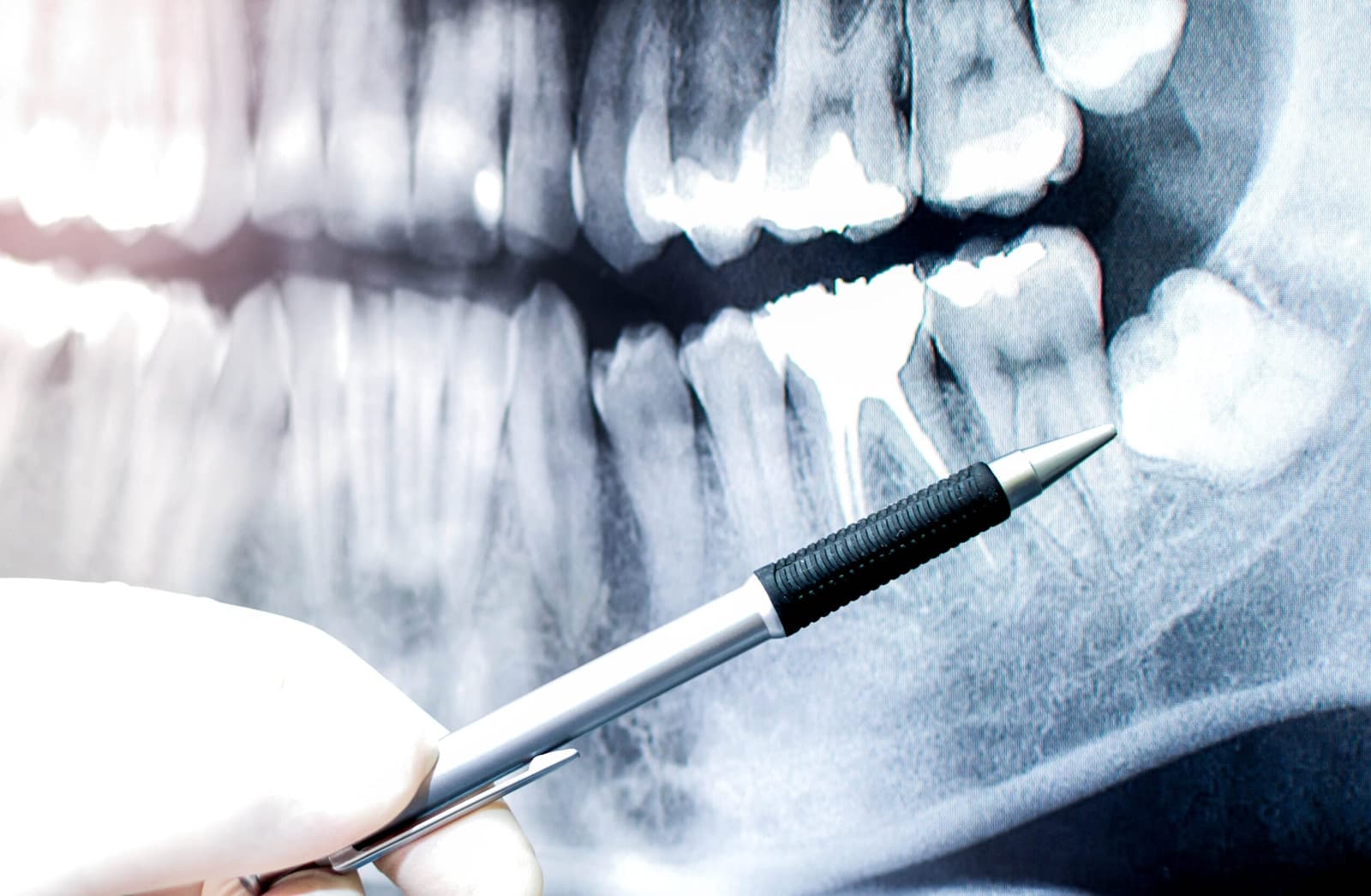
A tooth extraction is a common dental procedure in which a dentist or oral surgeon removes a tooth from its alveolar socket in the jaw when the tooth is damaged, diseased, or causing other oral-health problems. Extractions are recommended when restorative treatments like fillings, crowns, or root canals cannot reliably save the tooth, or when a tooth is impacted, severely decayed, fractured, loose from advanced gum disease, or obstructing orthodontic treatment. The procedure ranges from a straightforward, non‑surgical removal of a fully erupted tooth under local anesthesia to a surgical extraction that may involve cutting gum tissue, removing bone, or sectioning the tooth into pieces for safer removal. Before extraction, clinicians evaluate medical history, take radiographs to assess root shape and proximity to vital structures, and discuss anesthesia and sedation options. After removal, the socket is cleaned, sometimes grafted to preserve bone, and may be sutured; patients bite on gauze to form a blood clot that aids healing. Recovery typically involves short‑term pain, swelling, and controlled bleeding, with instructions to protect the clot and maintain gentle oral hygiene to reduce risks such as infection or dry socket.
What happens during a tooth extraction?
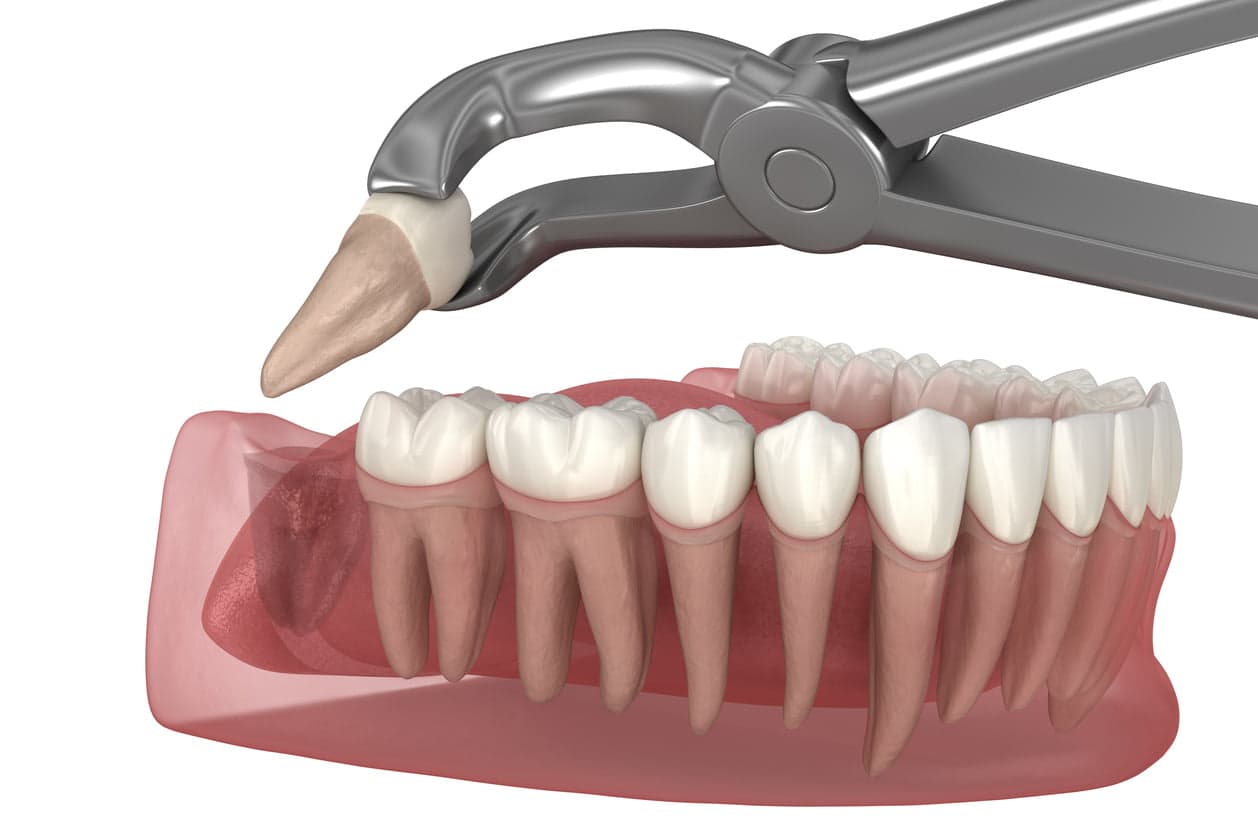
A tooth extraction begins with a clinical exam and radiographs to evaluate root shape, bone, and nearby structures; the dentist reviews medical history and explains anesthesia options. On the day of the procedure, local anesthesia is administered to numb the tooth and surrounding tissues, and sedation may be used if needed. For a simple extraction, the clinician uses elevators to loosen the tooth and forceps to remove it, typically producing a sensation of pressure rather than sharp pain. For a surgical extraction, the dentist or oral surgeon may make a small incision in the gum, remove a bit of bone, or section the tooth into pieces to extract it safely. After removal, the socket is cleaned and inspected; the provider may place a bone graft to preserve the ridge and may use sutures to close the site. Sterile gauze is placed for the patient to bite on to encourage a blood clot to form, which is essential for healing. Post‑procedure instructions cover bleeding control, pain management, swelling reduction, diet, and activity restrictions to protect the clot and reduce complications such as dry socket.

How does a tooth extraction heal?
Healing after a tooth extraction is a staged biological process that begins immediately when a blood clot forms in the empty socket, sealing the wound and protecting underlying bone and nerve endings. Over the first few days the clot stabilizes while the surrounding gum tissue begins to close the surface of the socket; this early phase reduces bleeding and provides a scaffold for incoming cells. During the first one to two weeks, soft tissue continues to proliferate and the socket gradually fills with granulation tissue, which is later replaced by connective tissue and immature bone. Over the following weeks to months, bone remodeling occurs: osteoblasts deposit new bone that slowly fills the socket and restores ridge contour, while the gum tissue matures and reattaches to adjacent areas. Healing speed varies with wound size, surgical complexity, systemic health, and habits such as smoking; more invasive extractions (for example, impacted wisdom teeth) take longer to fully resolve. Proper aftercare—rest, avoiding actions that dislodge the clot, gentle oral hygiene, and following medication instructions—supports each healing stage and reduces the risk of complications like infection or dry socket.
Tooth extraction aftercare
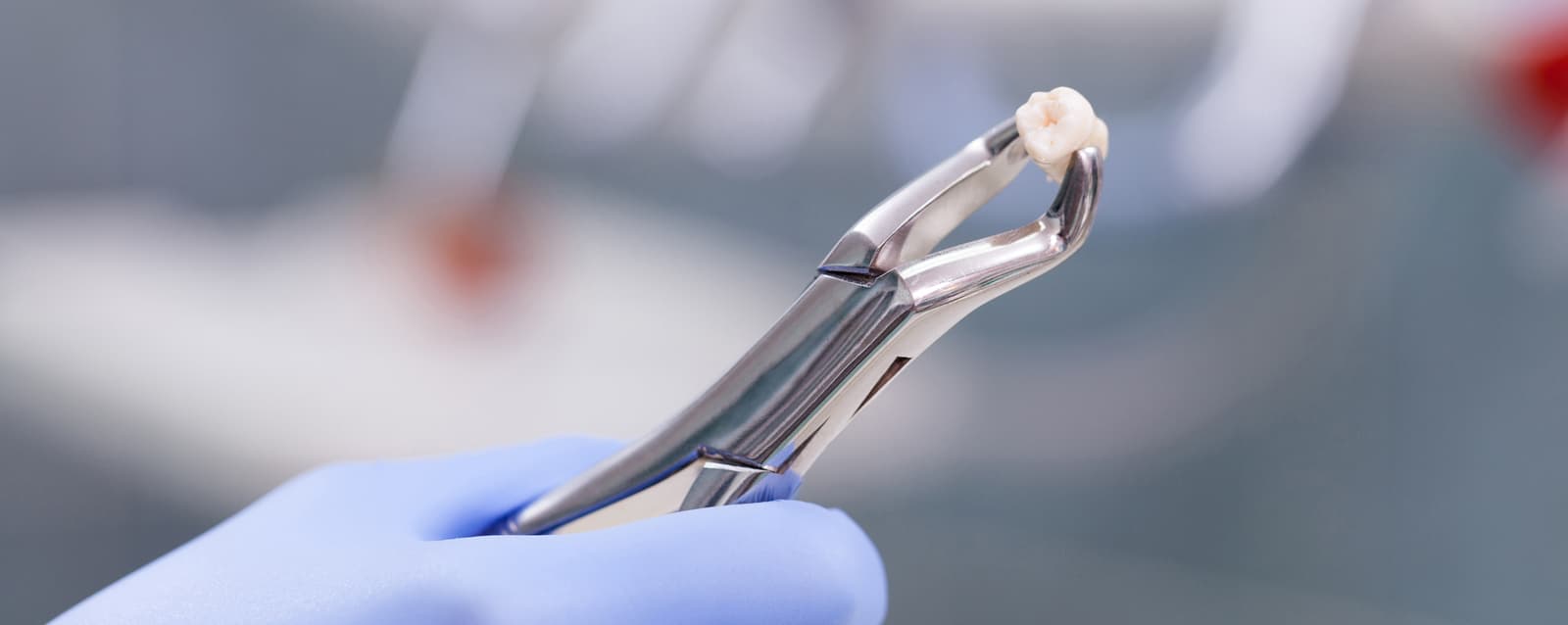
After a tooth extraction, proper aftercare is essential to promote healing and reduce complications. Do bite gently on the provided gauze for the recommended time to allow a stable blood clot to form, keep your head elevated when resting, and apply ice intermittently during the first 24 hours to limit swelling.
Do follow medication instructions, maintain hydration, and eat soft, cool foods while avoiding hot, spicy, or crunchy items that could irritate the socket. Begin gentle oral hygiene immediately but don’t rinse vigorously, spit, or use a straw for the first 24 hours because suction can dislodge the clot; avoid smoking and vaping for at least 72 hours since tobacco greatly increases the risk of dry socket. After 24 hours, rinse gently with warm salt water several times daily to keep the area clean without disturbing healing tissue. Avoid touching the site with your tongue or fingers, and postpone strenuous exercise for a few days. If bleeding is heavy, pain worsens after two to three days, or you develop fever or foul discharge, contact your dentist promptly for assessment and possible treatment.
What to eat after a tooth extraction?
After a tooth extraction, choose soft, nutrient‑rich foods that require minimal chewing and won’t irritate the socket; during the first 24–48 hours stick to cool or room‑temperature liquids and purees such as broths, smoothies (no seeds), yogurt, applesauce, and blended soups, then progress to mashed potatoes, scrambled eggs, oatmeal, soft pasta, and well‑cooked vegetables as comfort allows.
Emphasize protein (Greek yogurt, cottage cheese, protein shakes, soft tofu) and easy‑to‑digest carbohydrates for energy, plus fruits and vegetables in pureed or mashed form for vitamins that support healing. Avoid crunchy, sticky, or seedy foods that can lodge in the socket, and do not use straws or smoke because suction and tobacco both increase the risk of dislodging the clot and developing dry socket.
Keep foods lukewarm rather than hot to prevent dissolving the clot, and eat smaller, frequent meals if swelling or pain reduces appetite.
If you have dietary restrictions or medical conditions, choose soft options that meet those needs and follow your dentist’s tailored guidance; staying hydrated and getting adequate protein and calories will help tissue repair and reduce recovery time.
Conclusion
A short, consistent aftercare routine makes the difference between a smooth recovery and avoidable complications. Protect the clot, rest, and follow medication and hygiene instructions: bite on gauze until bleeding slows, avoid actions that create suction, keep activity light for a few days, and begin gentle warm salt‑water rinses after 24 hours to keep the site clean without disturbing healing tissue.
Read More