

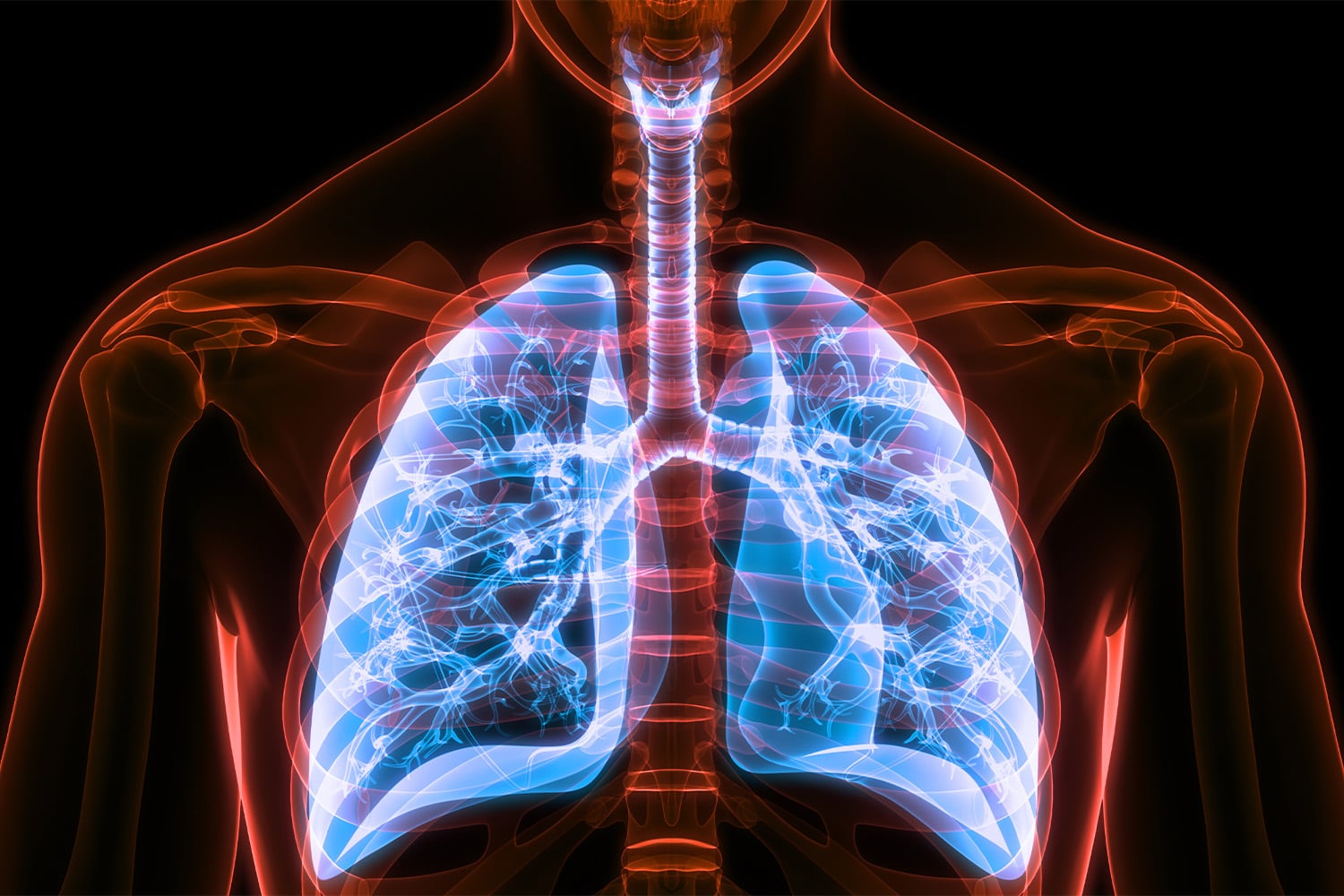
Emphysema and chronic bronchitis are two common lung conditions that can cause breathing difficulties, coughing, and reduced exercise tolerance. Although they are different conditions, they are closely related and are both commonly associated with chronic obstructive pulmonary disease (COPD). In many people with COPD, features of both emphysema and chronic bronchitis can occur at the same time.
Understanding the difference between emphysema and chronic bronchitis can help patients recognize their symptoms, understand how doctors diagnose these conditions, and learn about available treatment options. While neither condition can usually be completely reversed once permanent lung damage has developed, appropriate treatment and lifestyle changes can help manage symptoms and slow disease progression.
What is Emphysema?
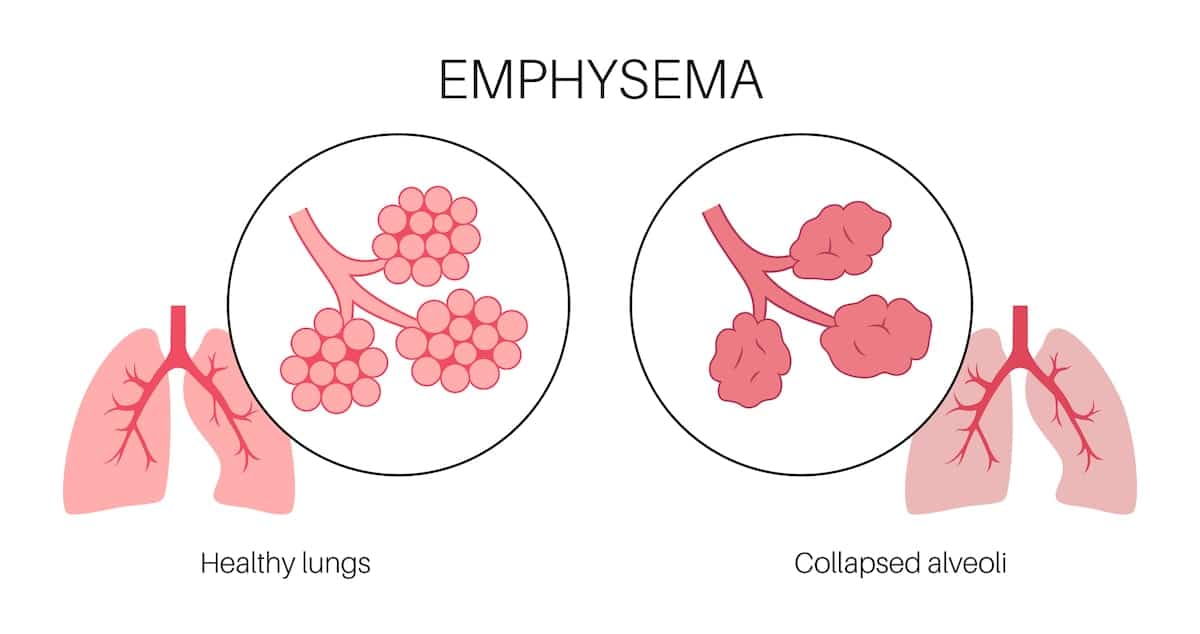
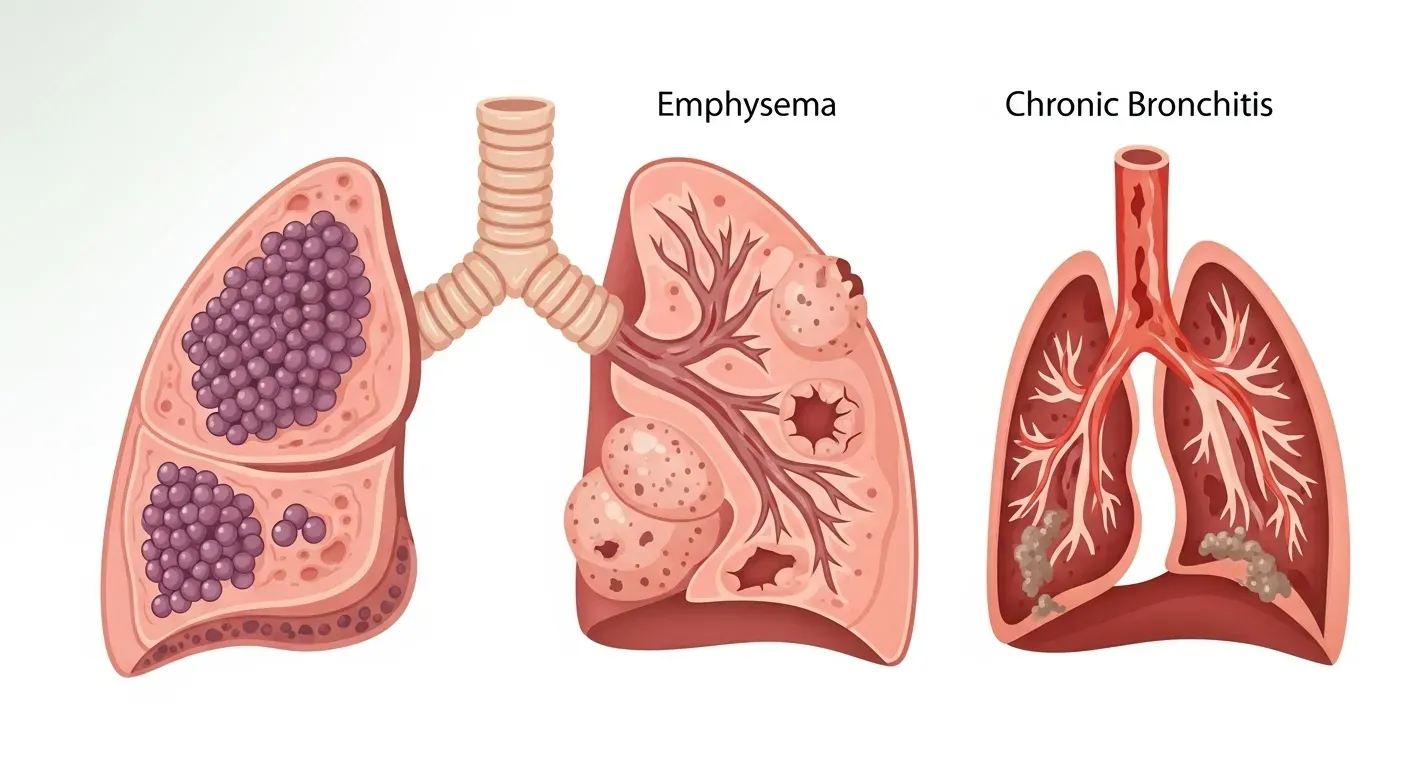
Emphysema is a chronic lung condition in which the walls of the tiny air sacs, known as alveoli, become damaged. These air sacs are responsible for exchanging oxygen and carbon dioxide between the lungs and bloodstream. Healthy alveoli have flexible walls that expand and contract during breathing. In emphysema, the walls between some air sacs are gradually destroyed. This creates larger, less efficient air spaces and reduces the surface area available for gas exchange. Damage to the alveoli also makes it harder for air to leave the lungs. As a result, air can become trapped inside the lungs, a phenomenon called air trapping. This can contribute to shortness of breath, particularly during physical activity.
The most common cause of emphysema is long-term exposure to cigarette smoke. However, exposure to secondhand smoke, air pollution, workplace dust, and certain chemical fumes may also contribute to lung damage. A rare inherited condition called alpha-1 antitrypsin deficiency can also increase the risk of developing emphysema, sometimes at a younger age.
What is Chronic Bronchitis?
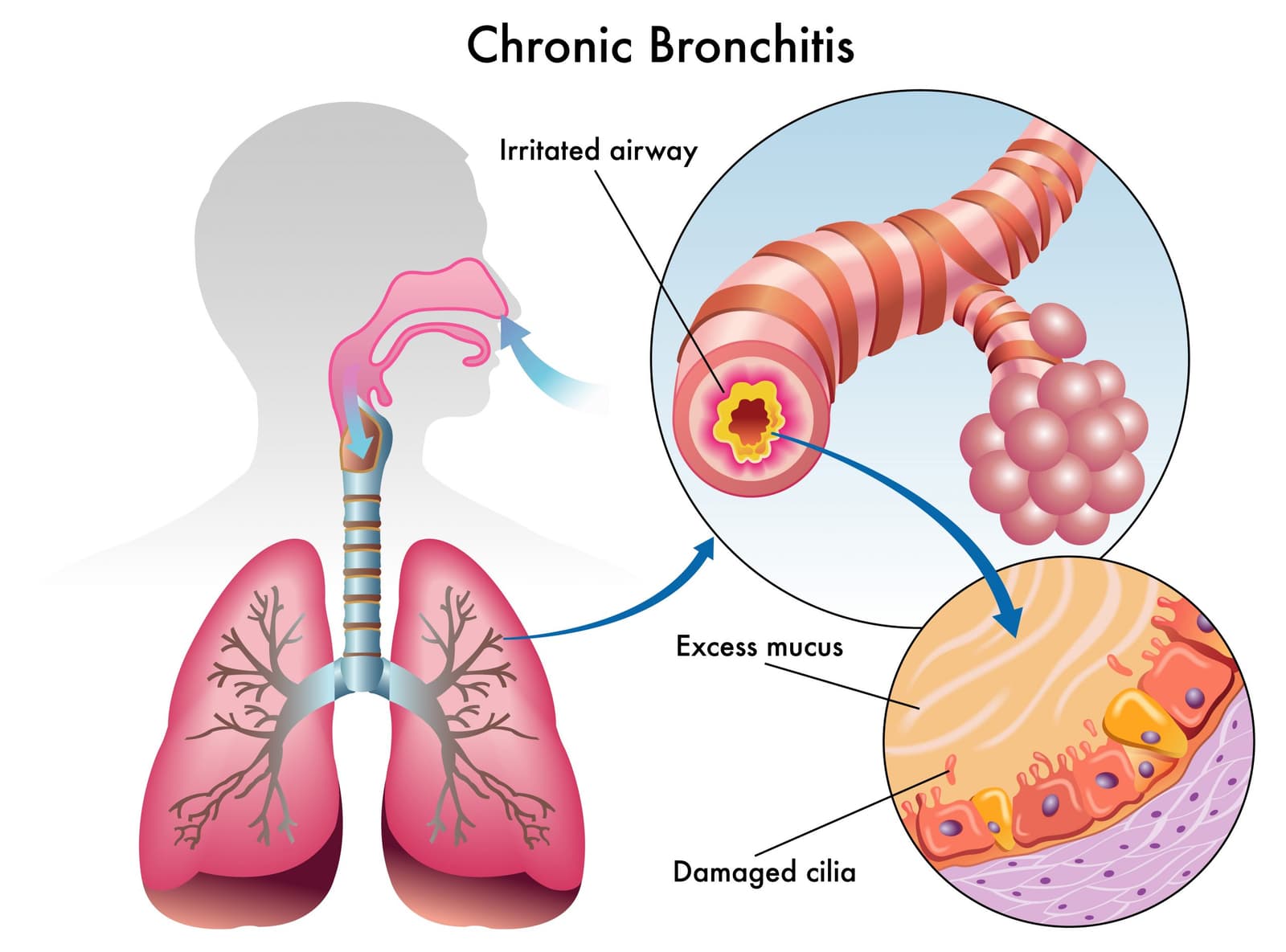
Chronic bronchitis primarily affects the bronchi, which are the larger airways that carry air into and out of the lungs. Bronchitis involves inflammation and irritation of the bronchial tubes. In chronic bronchitis, this irritation persists over a long period and is associated with excessive mucus production.
Doctors generally define chronic bronchitis based on a history of a productive cough that occurs for at least three months in two consecutive years, after other possible causes have been considered. The increased mucus can narrow the airways and make it more difficult for air to move freely. It can also contribute to persistent coughing and repeated respiratory infections.
Like emphysema, chronic bronchitis is strongly associated with smoking. Long-term exposure to air pollution, dust, chemical fumes, and other respiratory irritants can also increase the risk.
Emphysema vs. Chronic Bronchitis: Key Differences
The main difference between the two conditions is the part of the respiratory system that is primarily affected.
Emphysema
Mainly damages the alveoli, or air sacs.
Causes destruction of the walls between air sacs.
Reduces the lungs' ability to exchange gases efficiently.
Often causes significant shortness of breath.
Can result in air trapping and lung hyperinflation.
Chronic Bronchitis
Mainly affects the bronchial airways.
Causes persistent inflammation and increased mucus production.
Commonly produces a long-lasting cough with phlegm.
Can narrow the airways and interfere with airflow.
May increase the risk of respiratory infections.
Despite these differences, the two conditions can overlap. A person may have both emphysema and chronic bronchitis, particularly when they have COPD.
What is COPD?
Chronic obstructive pulmonary disease (COPD) is a long-term lung condition that makes it increasingly difficult to breathe. It develops when the airways or air sacs in the lungs become damaged or inflamed, limiting the flow of air in and out of the lungs. COPD is a progressive condition, meaning symptoms can worsen over time, although appropriate treatment can help slow its progression and improve quality of life. Common symptoms include persistent cough, increased mucus production, wheezing, shortness of breath, chest tightness, and fatigue. Symptoms may initially be mild and become more noticeable during physical activity. Some people also experience periods called exacerbations, when symptoms suddenly become significantly worse.
The most common cause of COPD is long-term exposure to cigarette smoke. However, exposure to secondhand smoke, air pollution, workplace dust and chemicals, and certain genetic conditions can also contribute to its development. Although COPD currently has no cure, treatments such as inhaled medications, pulmonary rehabilitation, oxygen therapy when appropriate, vaccinations, and lifestyle changes can help manage symptoms and reduce complications. Early diagnosis and avoiding further exposure to lung irritants are important parts of COPD management.
Symptoms of Emphysema
Shortness of breath is one of the most characteristic symptoms of emphysema. It may initially occur only during exercise or other physical activities, but it can become more persistent as the condition progresses. Other possible symptoms include:
Shortness of breath during everyday activities
Wheezing
Chest tightness
Reduced exercise tolerance
Fatigue
Unintentional weight loss in more advanced disease
A persistent cough, sometimes with mucus
Because emphysema usually develops gradually, people may not notice the decline in their breathing capacity at first. Some individuals may unconsciously reduce their activity level to avoid becoming breathless.
Symptoms of Chronic Bronchitis
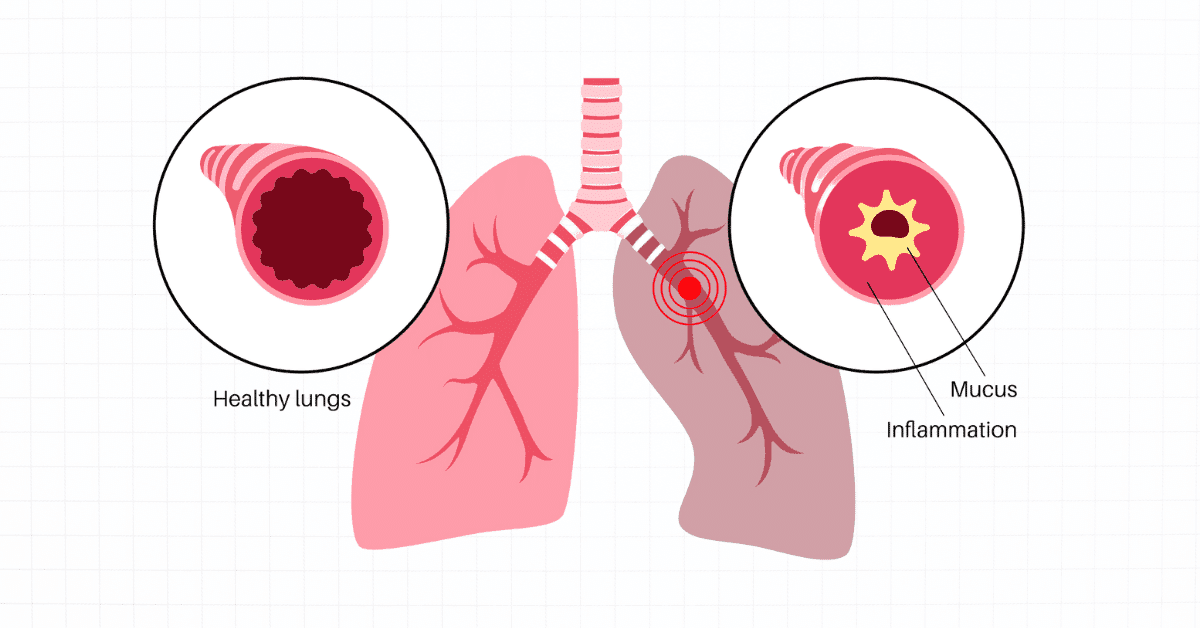
The most characteristic symptom of chronic bronchitis is a persistent cough that produces mucus. Other symptoms may include:
Frequent coughing
Production of clear, white, yellow, or greenish mucus
Wheezing
Shortness of breath
Chest discomfort
Fatigue
Frequent respiratory infections
Symptoms may become worse during periods known as exacerbations, when inflammation and breathing difficulties suddenly increase. Respiratory infections can trigger these episodes, although other environmental factors may also contribute.
What causes Emphysema & Chronic Bronchitis?
Smoking is the most important preventable risk factor for both conditions. Cigarette smoke contains substances that can damage lung tissue and cause chronic inflammation. However, smoking is not the only potential risk factor. Others include:
Long-term exposure to secondhand smoke
Air pollution
Occupational exposure to dust and chemical fumes
Repeated respiratory infections
Increasing age
Genetic factors
Long-term exposure to indoor pollutants
People who work in environments involving dust, industrial chemicals, smoke, or other airborne irritants may have an increased risk of developing chronic respiratory disease.
How are they diagnosed?
Doctors generally begin with a medical history and physical examination. They may ask about smoking history, occupational exposure, symptoms, respiratory infections, and how breathing problems affect daily activities. One of the most important tests for diagnosing COPD and evaluating airflow limitation is spirometry. During this test, the patient breathes into a device called a spirometer, which measures how much air they can breathe out and how quickly they can do so. Depending on the patient's symptoms and medical history, additional tests may include:
Chest X-ray
CT scan of the chest
Pulse oximetry
Arterial blood gas testing
Lung volume testing
Diffusion capacity testing
Blood tests, including testing for alpha-1 antitrypsin deficiency in appropriate patients
Treatment Options
There is currently no treatment that completely reverses the permanent structural lung damage caused by emphysema or chronic bronchitis. However, treatment can reduce symptoms, improve quality of life, and help prevent or manage exacerbations.
Smoking Cessation
For people who smoke, stopping smoking is one of the most important steps in managing COPD and preventing further lung damage. Healthcare professionals can recommend smoking-cessation strategies, medications, and behavioral support when appropriate.
Medications
Doctors may prescribe inhaled medications to improve airflow and reduce symptoms. These can include:
Bronchodilators
Inhaled corticosteroids for selected patients
Combination inhalers
The appropriate medication depends on the individual's symptoms, lung function, exacerbation history, and other health factors.
Pulmonary Rehabilitation
Pulmonary rehabilitation combines supervised exercise, breathing techniques, education, and lifestyle guidance. It can help some people with chronic lung disease improve their physical capacity and manage breathlessness.
Oxygen Therapy
Some people with advanced COPD develop chronically low blood oxygen levels. In these cases, a doctor may recommend supplemental oxygen. Oxygen therapy should be used according to medical assessment and prescription.
Surgical & Advanced Treatments
In carefully selected patients with severe emphysema, advanced treatments may include lung volume reduction procedures or surgery, and in certain cases, lung transplantation.
These approaches are not appropriate for everyone. Doctors consider factors such as the severity and distribution of lung damage, overall health, lung function, and other medical conditions before recommending them.
Can Emphysema & Chronic Bronchitis be prevented?
Because smoking is a major risk factor, avoiding tobacco use is an important preventive measure. People who smoke may benefit from professional support to quit. Reducing exposure to workplace dust, chemical fumes, secondhand smoke, and air pollution can also help protect lung health.
Vaccination against respiratory infections may be recommended for people with COPD, depending on their age, health status, and local medical guidelines. Regular medical follow-up can also help identify changes in lung function and manage symptoms.
When should you see a doctor?
Persistent coughing, unexplained shortness of breath, wheezing, or reduced ability to perform normal physical activities should be evaluated by a healthcare professional. People with an established diagnosis of COPD should seek medical attention if their breathing suddenly becomes worse, they develop a significant increase in mucus production, or their mucus changes substantially in color or amount. Severe breathing difficulty, bluish lips or fingertips, confusion, or an inability to speak normally because of breathlessness can indicate a medical emergency and requires urgent medical attention.
Conclusion
Emphysema and chronic bronchitis are distinct lung conditions, but both can cause persistent respiratory symptoms and are commonly associated with COPD. Emphysema primarily damages the alveoli and reduces the lungs' ability to exchange gases, while chronic bronchitis mainly involves long-term inflammation of the airways and excessive mucus production. Although established lung damage cannot generally be completely reversed, early diagnosis, smoking cessation, appropriate medications, pulmonary rehabilitation, and regular medical care can play important roles in managing COPD and maintaining quality of life.
Read More