


Transgender celebrities are public figures who are openly transgender and whose visibility has helped shift cultural understanding, increase representation in media, and spark conversations about rights, identity, and inclusion.
What is gender reassignment surgery?
Gender reassignment surgery—more commonly called gender‑affirming surgery or gender confirmation surgery—refers to a range of surgical procedures that help transgender, non‑binary, and gender‑diverse people align their physical bodies with their gender identity. These procedures are highly individualized: for transmasculine people this often includes chest masculinization (top surgery) and, if desired, phalloplasty or metoidioplasty; for transfeminine people common options include breast augmentation, vaginoplasty, and facial feminization. Surgeons may also perform voice‑related procedures, body contouring, hair removal, and reproductive‑related surgeries as part of a broader plan. Not everyone who is transgender seeks surgery, and surgery is one element of care that may follow social transition and hormone therapy.
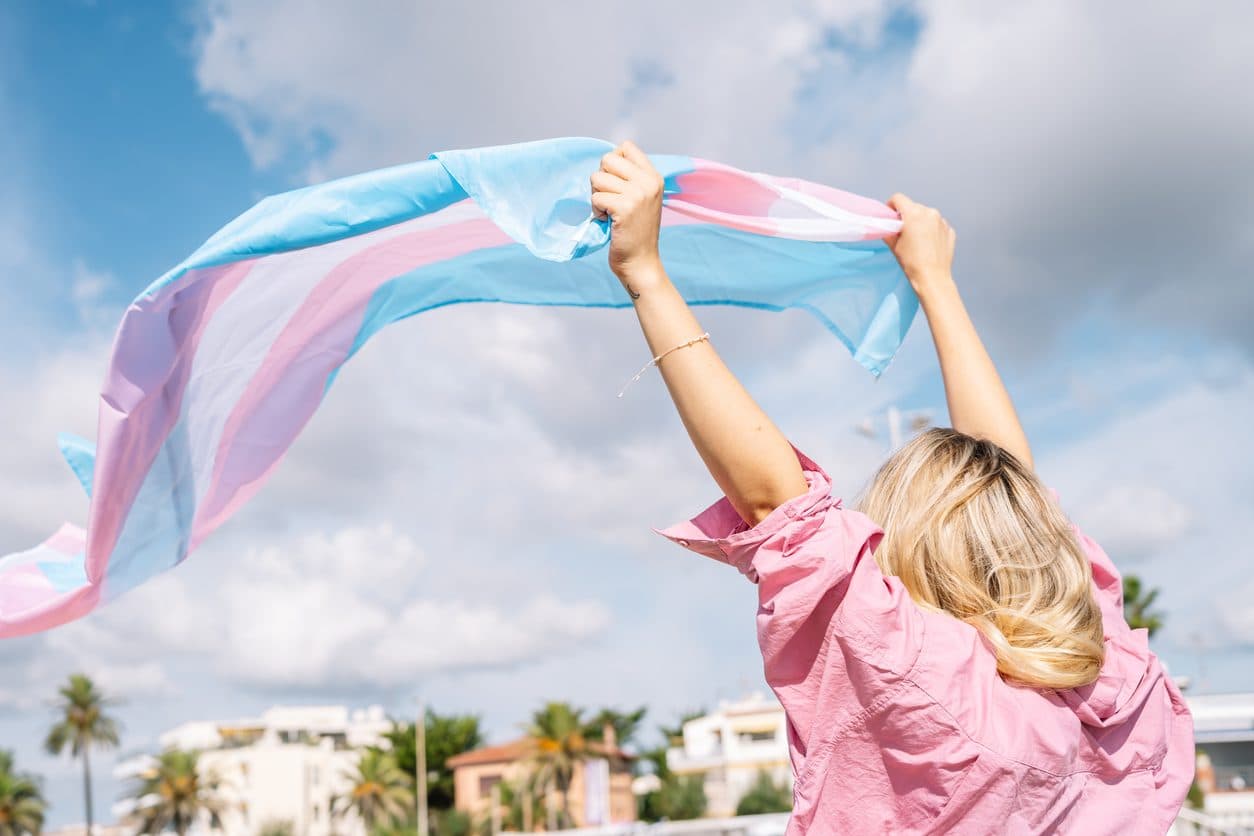
Which Hollywood celebrities are transgender?
Transgender celebrities include actors, musicians, models, and creators whose public transitions or long‑standing openness about gender identity have made them prominent cultural figures. Their visibility ranges from trailblazers who first broke into mainstream media to newer performers reshaping casting and storytelling.
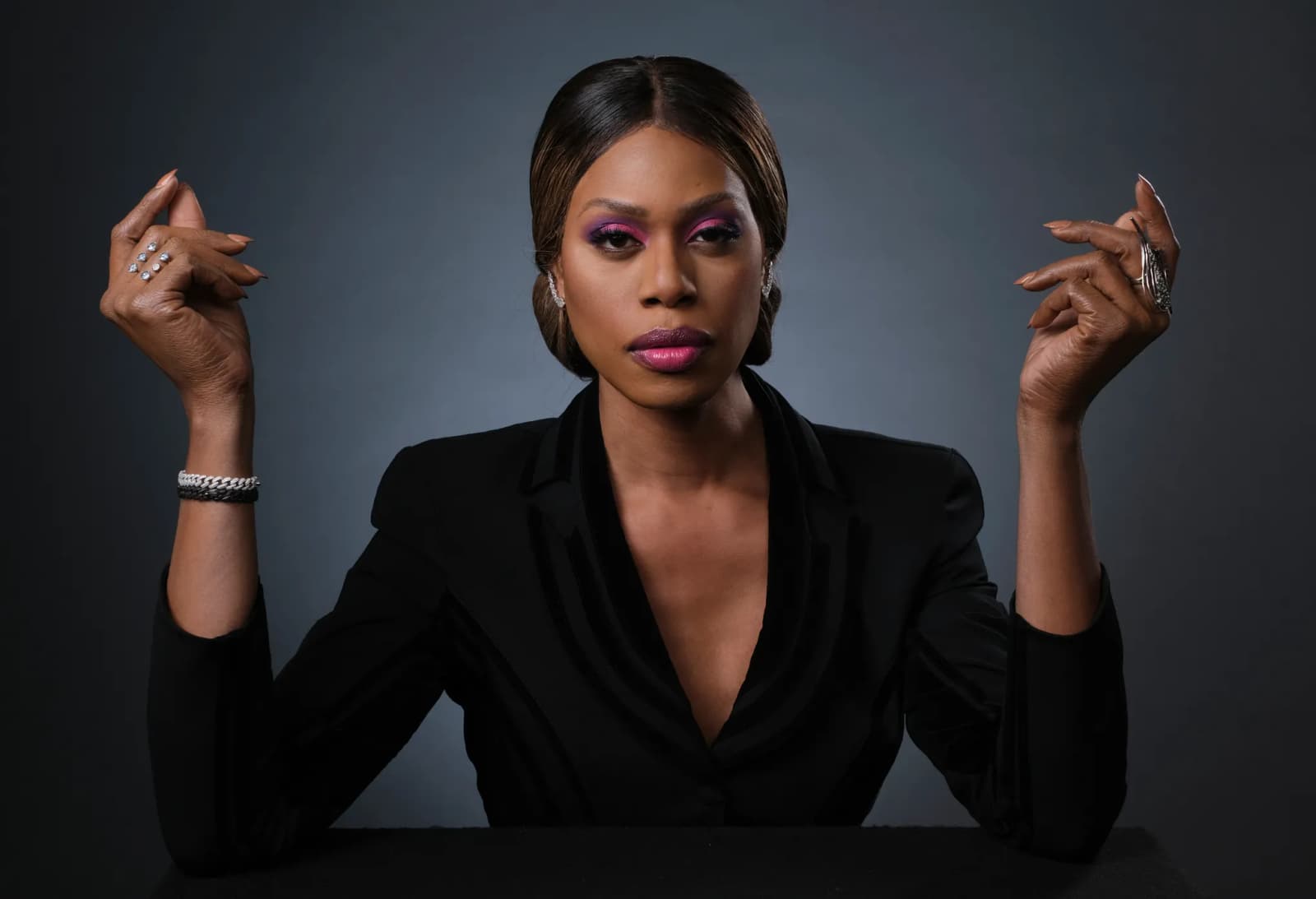
Laverne Cox
Laverne Cox was born May 29, 1972, and trained in dance and performing arts before moving into acting; she rose to international prominence for portraying Sophia Burset, a transgender woman incarcerated in the Netflix series Orange Is the New Black, a role that brought mainstream attention to transgender stories and earned her historic recognition in television awards circles. Cox became the first openly transgender person nominated for a Primetime Emmy Award in an acting category, and she later won a Daytime Emmy as an executive producer for the documentary Laverne Cox Presents: The T Word, milestones that marked important visibility moments for transgender performers. Beyond acting, she is a prominent advocate who speaks on issues including healthcare access, anti‑trans violence, and media representation; her public work blends storytelling with policy and community outreach, and she frequently appears in interviews, panels, and campaigns to elevate trans voices.
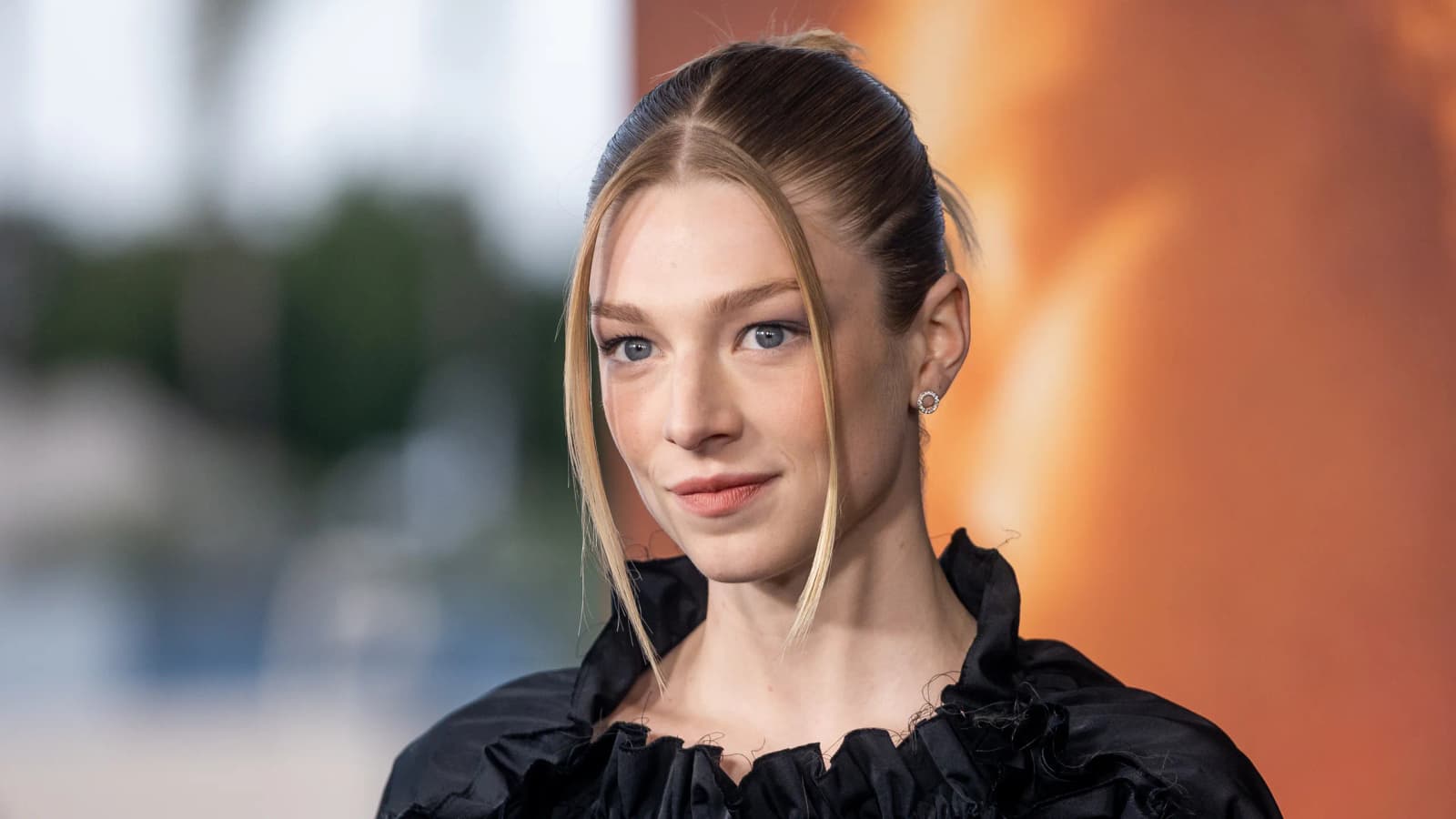
Hunter Schafer
Hunter Schafer (born December 31, 1998) is an American model, actress, artist, and activist who rose to prominence for her portrayal of Jules Vaughn on HBO’s Euphoria, a role that earned critical acclaim and broadened mainstream visibility for transgender performers. Raised in North Carolina, Schafer became publicly active in LGBTQ+ advocacy as a teenager, notably joining legal and public efforts opposing North Carolina’s “bathroom bill,” which brought early attention to her activism. She began a successful modeling career with high‑profile fashion houses and editorial work, and she has expanded into film and television projects while continuing to create visual art. Schafer’s public presence blends creative work with advocacy, and she is widely recognized for bringing nuance to transgender representation on screen while speaking about policy, youth mental health, and queer visibility.
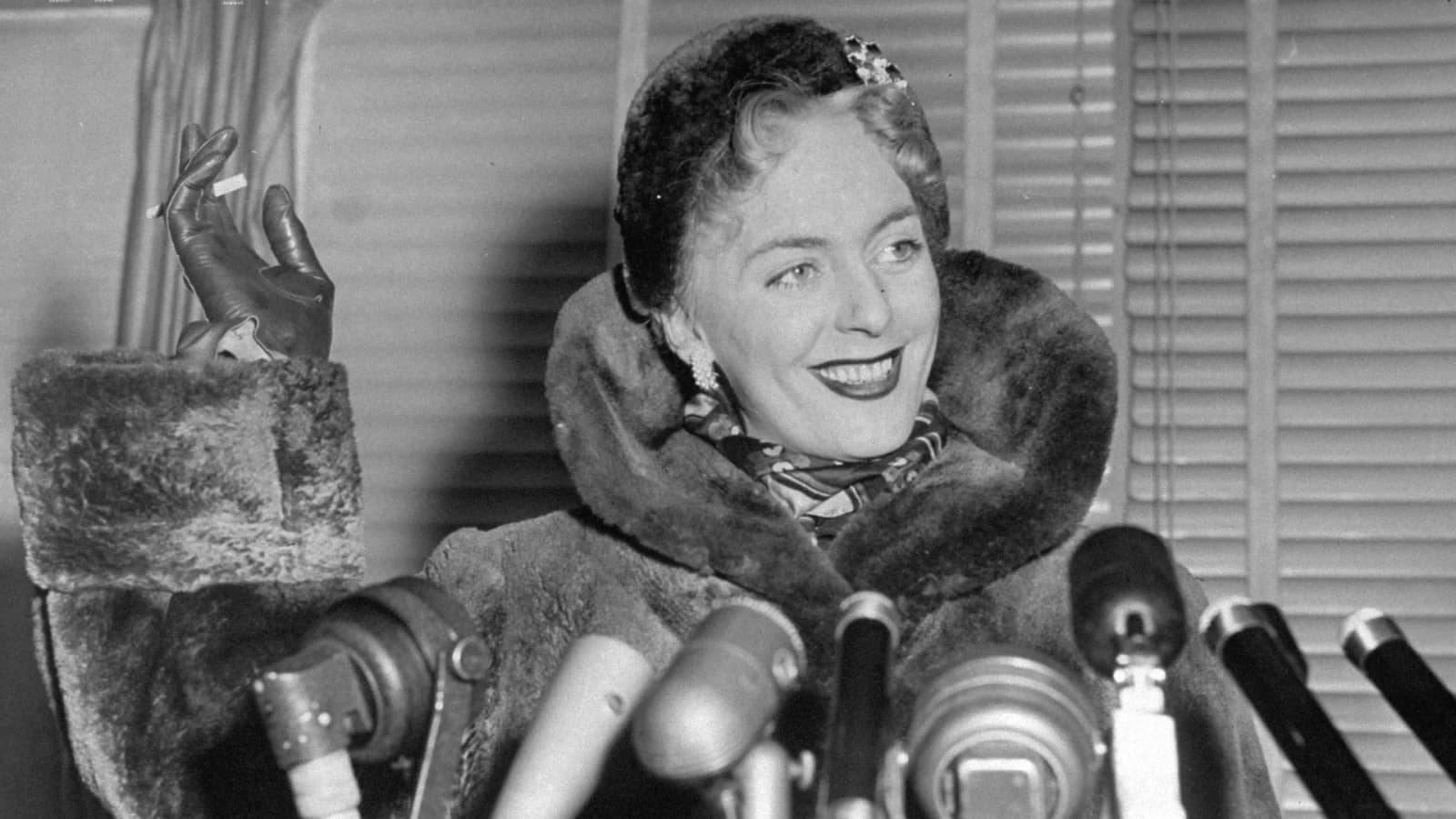
Christine Jorgensen
Christine Jorgensen (born George William Jorgensen Jr., May 30, 1926) was an American entertainer and transgender pioneer who gained international attention after traveling to Denmark in the early 1950s for hormone therapy and surgical procedures that were not then available in the United States. Her return to New York in 1952 made headlines and introduced many Americans to the concept of gender transition; she later worked as a nightclub performer, author, and public speaker, using her visibility to educate audiences about gender identity while navigating intense media scrutiny. Jorgensen’s openness about her life and medical care helped shift public discourse, even as coverage often sensationalized her story. Over subsequent decades she remained a public figure and wrote an autobiography, and historians now view her as a complex cultural icon whose fame both advanced awareness and highlighted the limits of mid‑century understanding of transgender lives.
Josie Totah
Josie Totah (born August 5, 2001) began her career as a child actor under the name J.J. Totah, appearing in Disney Channel and network comedies before gaining wider recognition for film and television roles; she publicly came out as a transgender woman in 2018 and adopted the name Josie, a step that brought attention to transgender visibility among young performers. Totah has been praised for her range and charisma on screen, and she starred as Lexi Haddad‑DeFabrizio in the Saved by the Bell revival while also receiving critical notice for earlier film work. Beyond acting, she writes and produces, and she speaks about representation and the experiences of transgender youth. Totah’s background includes Palestinian and Lebanese heritage, and she has used interviews and public appearances to discuss identity, career choices, and the importance of authentic casting and storytelling for trans performers.

The Wachowskis
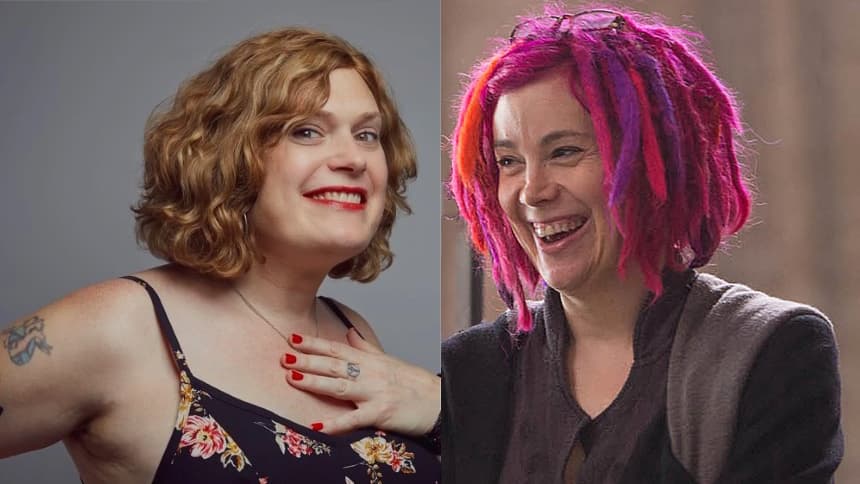
The Wachowskis, Lana and Lilly, are American film and television directors, writers, and producers whose collaborative work reshaped late‑20th and early‑21st‑century genre cinema. They first gained wide recognition with Bound and then achieved global fame with The Matrix trilogy, a landmark blend of philosophy, action, and visual innovation that influenced effects, narrative form, and pop culture. Both siblings later came out as transgender women, a personal journey that has been publicly discussed and that many viewers read into the themes of identity and transformation in their films. Their later projects, including Cloud Atlas and the Netflix series Sense8, continued to explore interconnectedness, empathy, and fluid identities while experimenting with form and ensemble storytelling. The Wachowskis’ career combines commercial success with ambitious, often polarizing artistic choices, and their visibility as transgender creators has added an important dimension to conversations about representation behind the camera.
Elliot Page
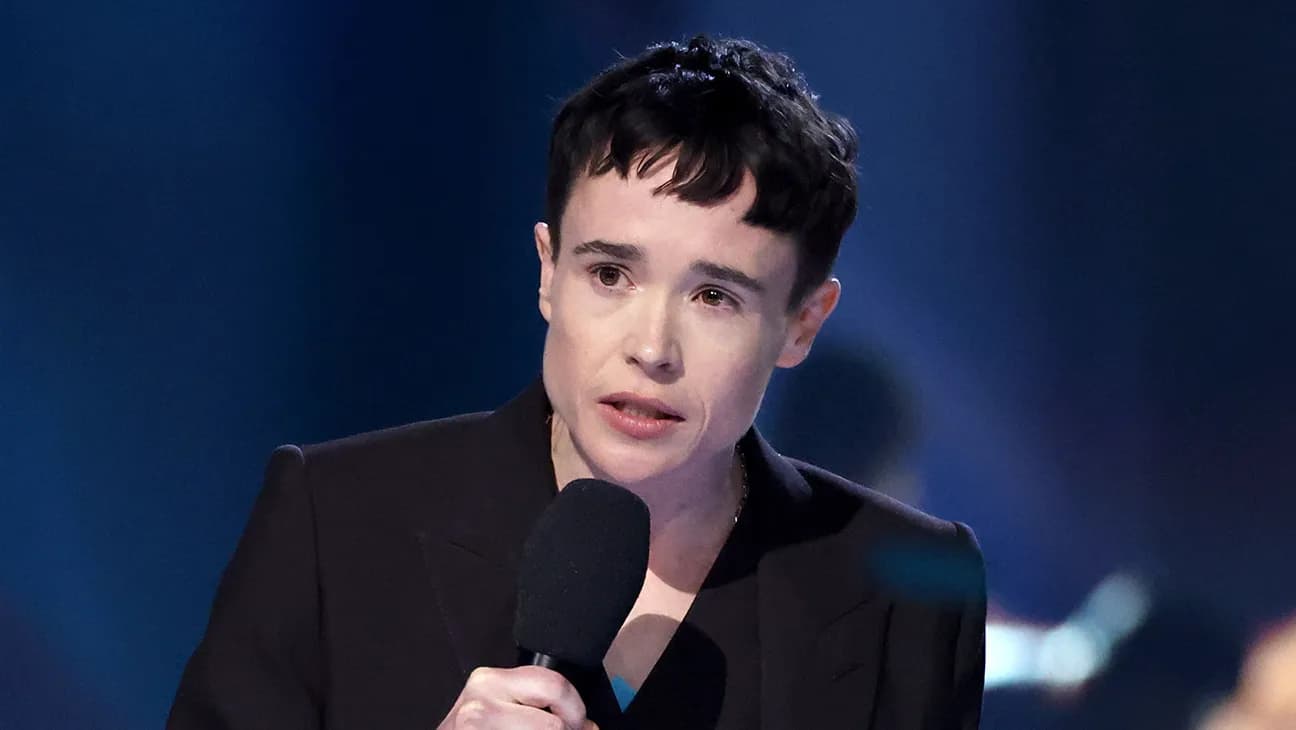
Elliot Page (born February 21, 1987) rose to international prominence with an Academy‑nominated performance in Juno and later starred in major films and series including Inception and The Umbrella Academy. Page publicly came out as transgender in 2020, a disclosure that sparked widespread media attention and renewed conversations about trans representation in Hollywood. Beyond acting, Page is an outspoken advocate for LGBTQ+ rights, using interviews, public appearances, and writing to address discrimination and mental‑health issues; their memoir and public statements have further shaped public understanding of gender transition and the challenges faced by trans youth. Page’s career blends mainstream success with activism, and their visibility has influenced casting conversations and inspired many in and beyond the queer community.
Caitlyn Jenner
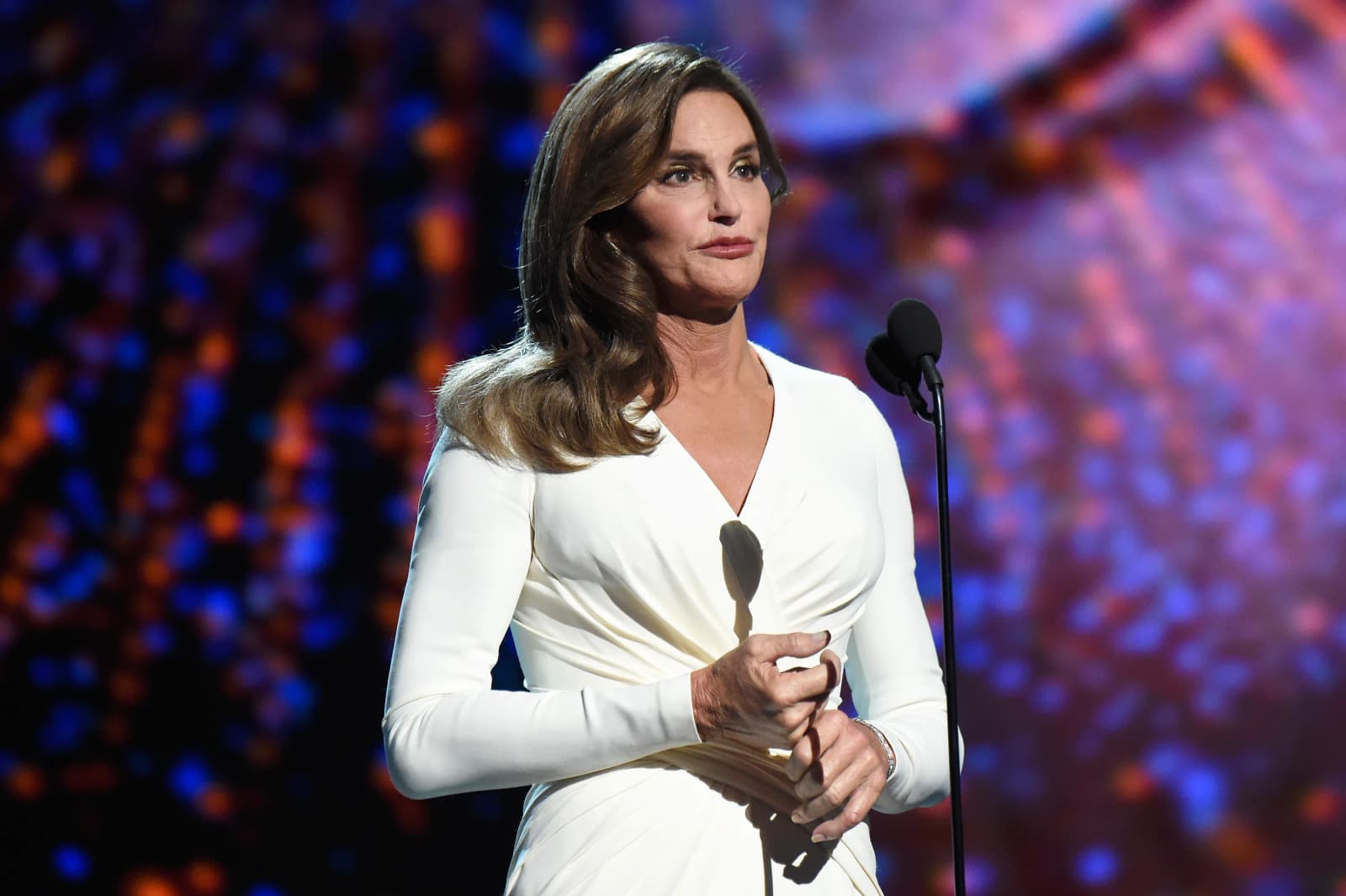
Caitlyn Jenner (born William Bruce Jenner on October 28, 1949) is an American former Olympic decathlete, television personality, and public figure whose life spans elite sport, reality television, and a high‑profile gender transition that captured global attention. Jenner won the gold medal in the decathlon at the 1976 Montreal Olympics, becoming a celebrated athlete, and later entered mainstream fame through reality TV, notably Keeping Up with the Kardashians. In 2015 Jenner publicly announced her transition and adopted the name Caitlyn, a disclosure that made her one of the most widely recognized transgender public figures and sparked broad public conversation about gender identity, medical transition, and media representation. Her visibility brought both support and criticism: she has used her platform for visibility while also engaging in political commentary that has divided public opinion. Jenner’s life illustrates how celebrity can amplify conversations about gender but also how fame intersects with complex debates about advocacy, privacy, and public influence.
Michaela Jaé Rodriguez
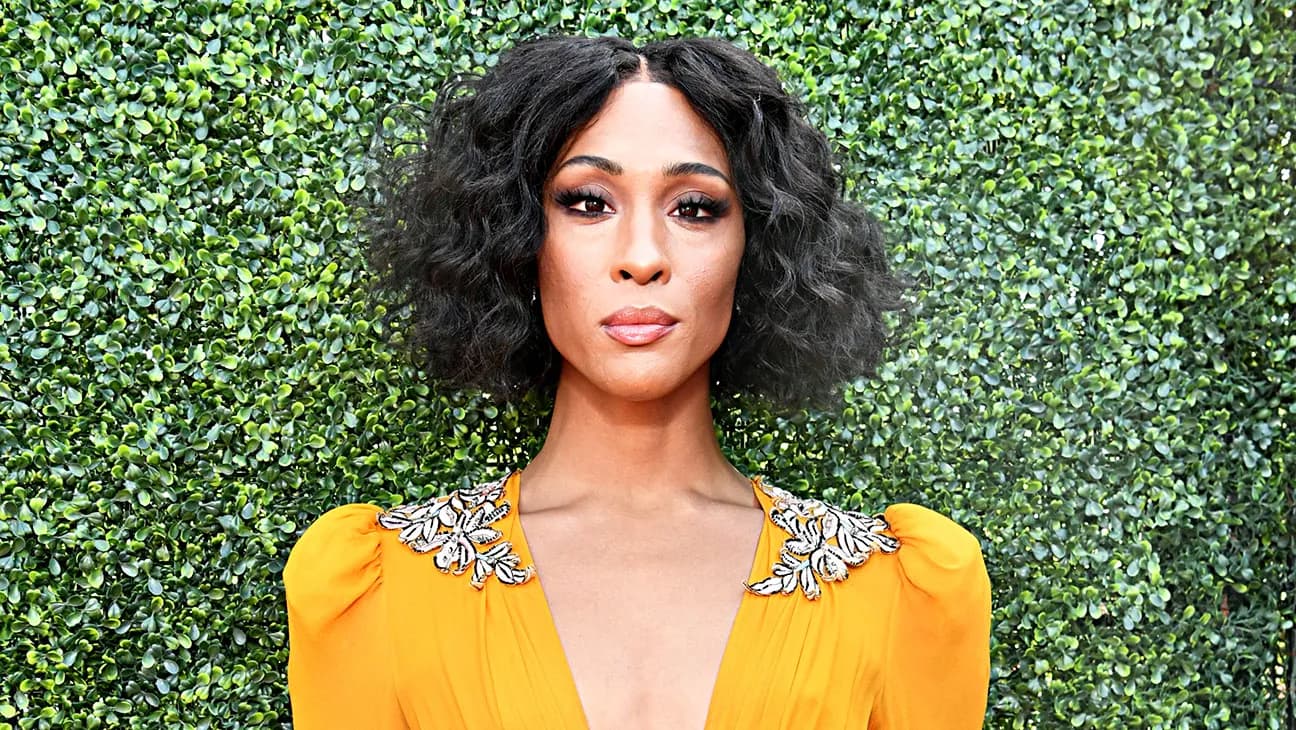
Michaela Jaé Rodriguez (born January 7, 1991) is an American actress and singer who rose from theater training to national prominence through her portrayal of Blanca Evangelista on FX’s Pose, a role that showcased the lives of Black and Latinx transgender women in New York’s ballroom scene and earned widespread critical praise. Rodriguez won early recognition for stage work and took a deliberate hiatus to transition before returning to performance; her casting in Pose marked a significant moment for authentic trans representation on television. She has been celebrated for bringing emotional depth and dignity to her characters, and her visibility has helped open doors for trans actors while spotlighting issues such as healthcare access and community resilience. Rodriguez’s career blends artistic achievement with public advocacy, and she continues to work across acting, music, and public speaking to amplify queer and trans stories.
Conclusion
Transgender celebrities have increased public visibility for trans lives, helped normalize diverse gender identities in mainstream culture, and driven important conversations about representation and rights, while also revealing the limits of visibility as a substitute for systemic change.
Read More