

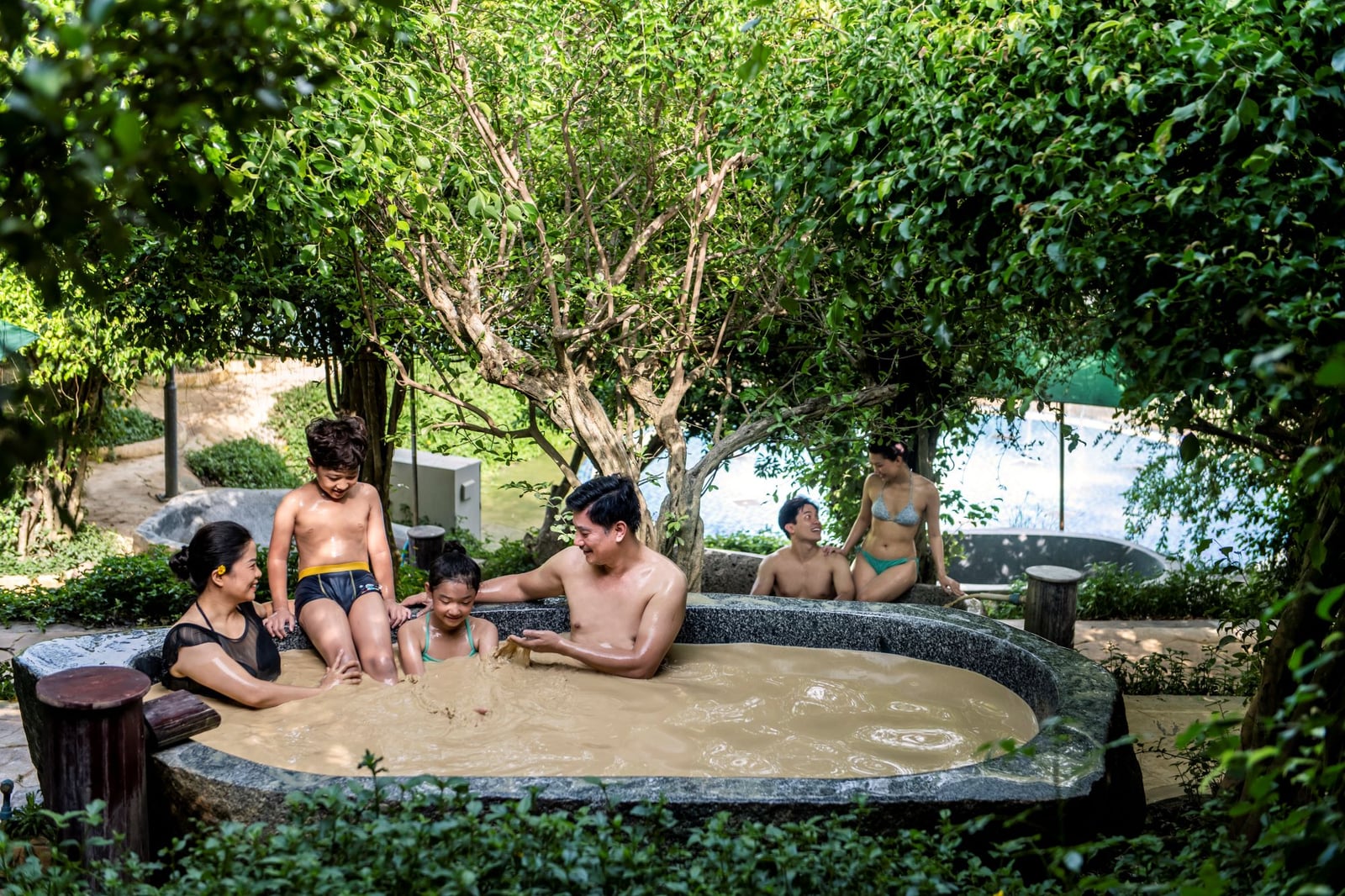
Mud therapy, also known as pelotherapy, is one of the oldest healing practices in natural medicine. Rooted in traditional systems of healing such as Ayurveda and modern naturopathy, this therapeutic technique uses mineral-rich mud to detoxify the body, improve circulation, and promote overall wellness. In naturopathy, mud is considered a powerful natural agent due to its ability to absorb toxins, regulate temperature, and stimulate the body’s natural healing processes.
What Is Mud Therapy?
Mud therapy involves the external application of specially prepared mud—usually sourced from clean, mineral-rich environments such as riverbeds, lakes, or volcanic regions. This mud is often purified and processed before use to ensure safety and effectiveness. The therapy can be applied in several forms:
- Full-body mud baths
- Localized mud packs (e.g., eyes, abdomen, joints)
- Mud wraps
In naturopathy, mud is believed to contain essential minerals like magnesium, calcium, potassium, and silica, which play a role in healing and rejuvenation.
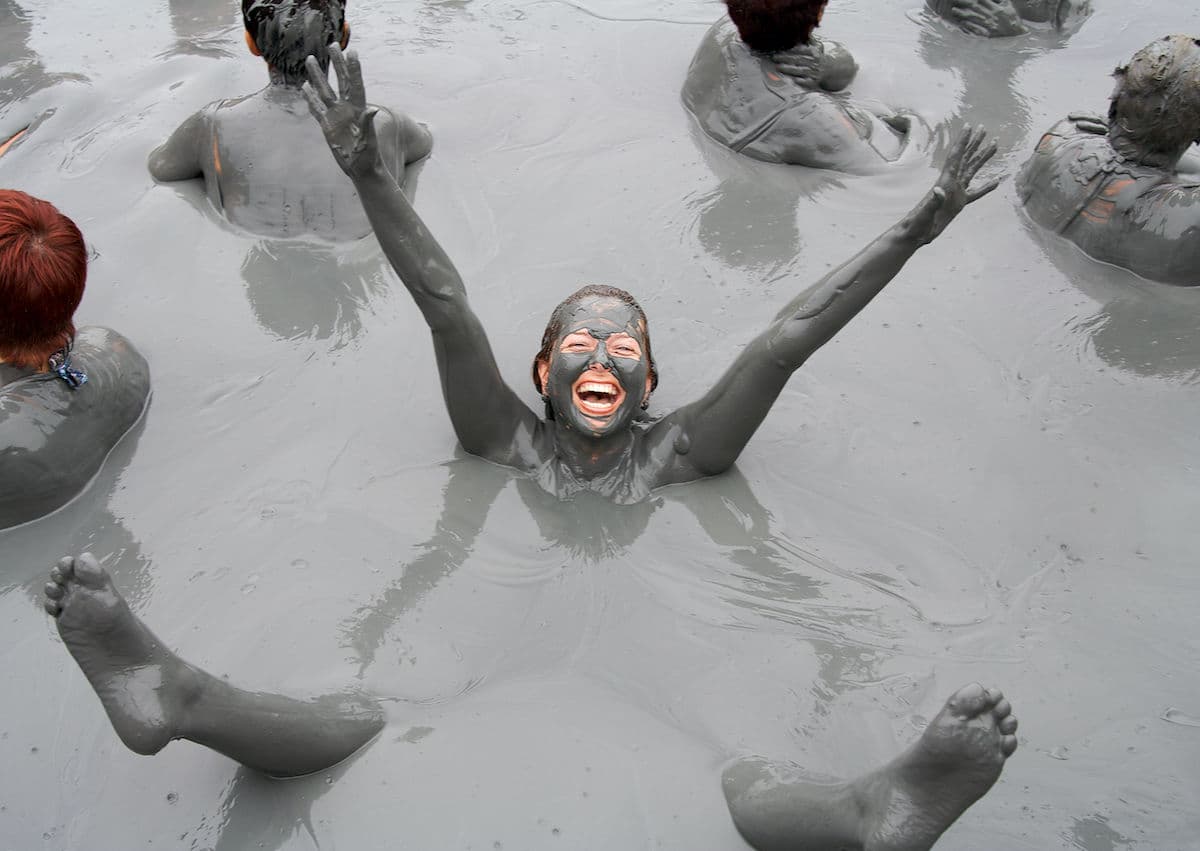
The Science behind Mud Therapy
Mud therapy works through a combination of thermal, mechanical, and chemical effects on the body:
Thermal Effects (Temperature Regulation)
Mud has excellent heat-retention properties. When applied to the body, it can either cool or warm the skin depending on its temperature.
Cold mud packs help reduce inflammation and soothe irritated tissues.
Warm mud applications improve blood circulation and relax muscles.
This temperature regulation stimulates the body’s natural responses, enhancing healing.
Absorption and Detoxification
One of the key mechanisms of mud therapy is its absorptive capacity. Mud acts like a sponge, drawing out toxins, impurities, and excess oils from the skin.
It helps remove metabolic waste products
Clears clogged pores
Supports the lymphatic system
This detoxifying effect is why mud therapy is commonly used in skin treatments and cleansing therapies.
Mineral Exchange (Chemical Effects)
Mud contains various minerals that can be absorbed through the skin in small amounts. These minerals may:
Nourish skin cells
Improve metabolic activity
Support tissue repair
At the same time, harmful substances are pulled out, creating a beneficial exchange process.
Mechanical Stimulation
When mud is applied and later removed, it creates a mild friction effect on the skin. This:
Stimulates nerve endings
Improves circulation
Enhances skin tone and texture
This gentle stimulation contributes to the rejuvenating effects of the therapy.
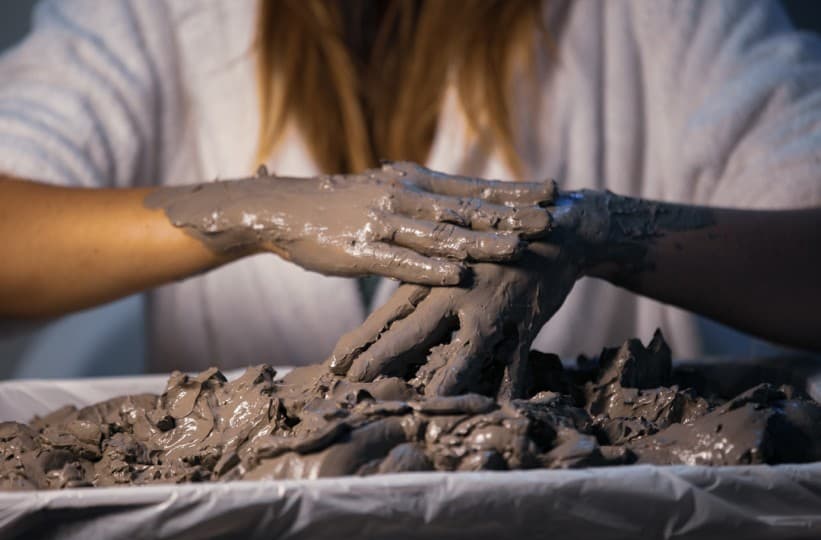
Benefits of Mud Therapy in Naturopathy
Mud therapy offers a wide range of physical and mental health benefits:
Skin Health
Mud therapy is widely used for improving skin conditions such as:
Acne
Eczema
Psoriasis
Sun damage
It cleanses the skin deeply, removes dead cells, and improves complexion.
Pain Relief and Inflammation Reduction
Warm mud packs are often applied to joints and muscles to relieve:
Arthritis pain
Muscle stiffness
Back pain
The heat and minerals help reduce inflammation and improve mobility.
Detoxification
By drawing out toxins through the skin, mud therapy supports:
Liver function
Lymphatic drainage
Overall detox processes
This can lead to improved energy levels and better organ function.
Stress Reduction and Relaxation
Mud therapy has a calming effect on the nervous system. The cooling or warming sensation, combined with the grounding nature of earth elements, helps:
Reduce stress
Improve sleep
Promote mental clarity
Improved Circulation
The application and removal of mud stimulate blood flow, which:
Enhances oxygen delivery to tissues
Speeds up healing
Improves overall vitality
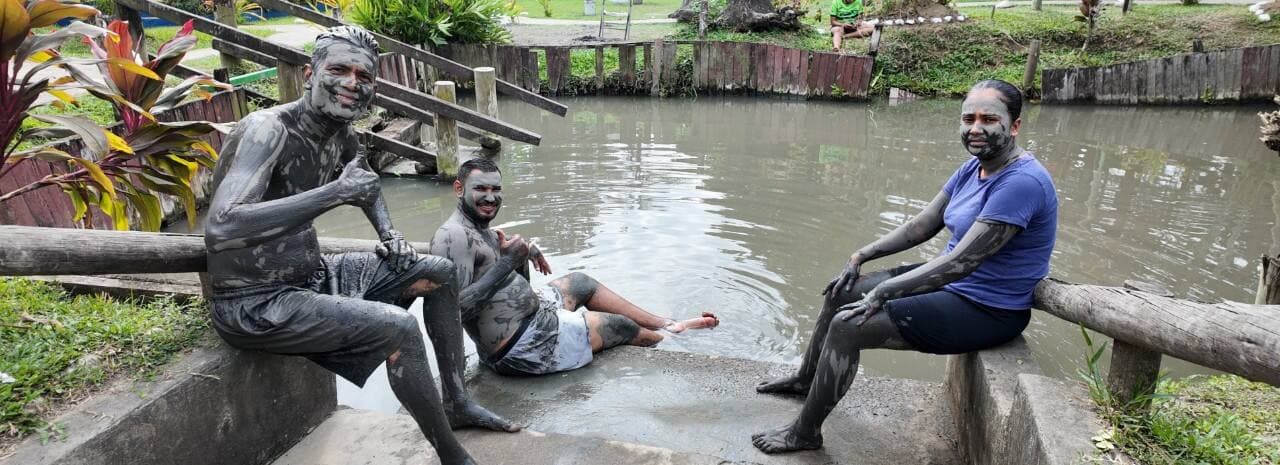
Common Applications in Naturopathy
Mud therapy is used in a variety of treatments, depending on the condition being addressed:
Mud Packs for Eyes
Used to reduce:
Eye strain
Dark circles
Puffiness
Abdominal Mud Packs
Helpful for digestive issues such as:
Constipation
Indigestion
Bloating
Full Body Mud Baths
These are used for:
Detoxification
Skin rejuvenation
General wellness
Joint and Muscle Packs
Applied to specific areas to relieve:
Swelling
Pain
Stiffness
What to Expect During a Mud Therapy Session
A typical mud therapy session in a naturopathy center includes the following steps:
Preparation of Mud: The mud is cleaned, filtered, and mixed to the right consistency.
Application: The mud is applied to the body or specific areas in a thick layer.
Rest Period: The patient relaxes for 20–45 minutes while the mud dries or retains heat.
Removal: The mud is washed off with water, often followed by a shower.
Relaxation: A short rest period allows the body to stabilize and absorb the benefits.
Is Mud Therapy Safe?
Mud therapy is generally safe when performed under proper supervision. However, certain precautions should be taken:
Avoid use on open wounds or infections
People with severe heart conditions should consult a doctor
Ensure the mud is clean and free from contaminants
Pregnant individuals and those with chronic illnesses should seek professional advice before undergoing treatment.
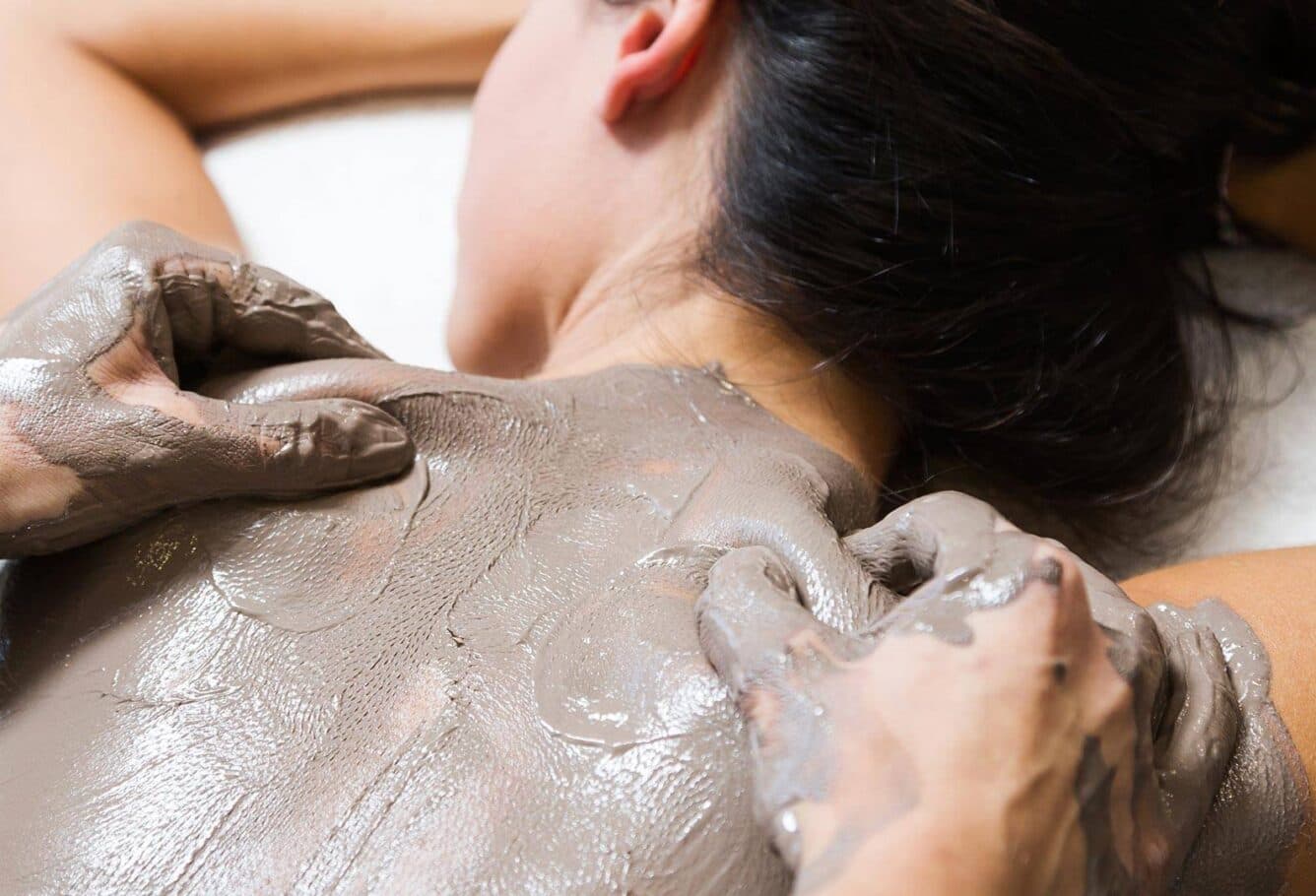
Mud Therapy vs. Modern Spa Treatments
While mud therapy is often associated with spa treatments, its role in naturopathy is more therapeutic than cosmetic.
Aspect | Naturopathy Mud Therapy | Spa Mud Treatments |
Purpose | Healing & detox | Relaxation & beauty |
Approach | Holistic | Cosmetic |
Customization | Based on health condition | General use |
Naturopathy focuses on long-term wellness rather than temporary results.
Conclusion
Mud therapy is a powerful, natural healing method that combines the therapeutic properties of earth, water, and minerals. By working through thermal regulation, detoxification, mineral exchange, and mechanical stimulation, it supports the body’s innate ability to heal itself. In naturopathy, mud therapy is not just a skincare treatment—it is a holistic approach to improving physical health, reducing stress, and restoring balance. Whether used for pain relief, detoxification, or relaxation, it offers a safe and effective way to reconnect with nature and enhance overall well-being.
Read More