


A neck lift, medically known as lower rhytidectomy, is a cosmetic surgical procedure designed to improve the appearance of the neck and jawline.
What is a neck lift?
A neck lift is a cosmetic surgical procedure designed to improve the appearance of the neck and jawline by addressing visible signs of aging. As people age, the skin loses elasticity and muscle tone weakens, leading to sagging skin, excess fat, wrinkles, and the appearance of vertical neck bands or a “turkey neck.” A neck lift aims to create a smoother, firmer, and more youthful contour by tightening underlying muscles, removing or redistributing fat deposits, and trimming excess skin. The procedure is often performed on its own or in combination with a facelift to achieve more balanced facial rejuvenation. Incisions are typically made behind the ears and sometimes under the chin, allowing surgeons to discreetly access the neck structures while minimizing visible scarring. Candidates for a neck lift are usually individuals in good overall health who are bothered by loose or sagging neck skin and desire long-lasting results that cannot be achieved through non-surgical treatments alone. While results vary from person to person, a neck lift can significantly enhance facial harmony and boost self-confidence by restoring a more defined and youthful neck profile.
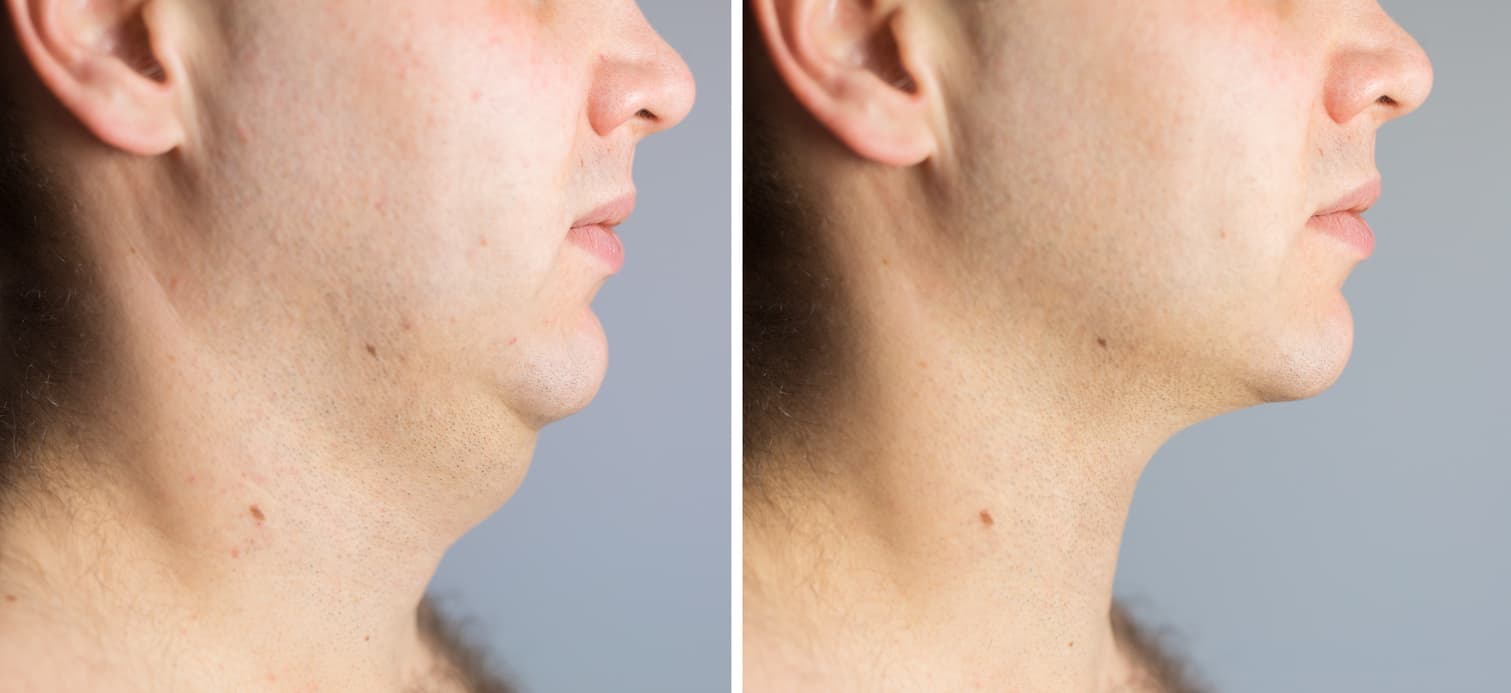
What can a neck lift treat?
A neck lift can treat a variety of cosmetic concerns related to aging and changes in skin elasticity in the neck and jawline area.
One of the primary issues it addresses is loose or sagging skin, often referred to as “turkey neck,” which can create an aged or tired appearance.
The procedure is also effective in reducing excess fat deposits beneath the chin and along the neck, helping to eliminate a double chin and improve overall contour.
Additionally, a neck lift can tighten weakened or separated neck muscles that cause visible vertical bands, restoring a smoother and more youthful neckline.
Fine lines, wrinkles, and creases in the neck area can also be softened as excess skin is removed and underlying structures are repositioned.
By redefining the jawline, a neck lift can improve the transition between the face and neck, creating a more balanced and harmonious profile.
While non-surgical treatments may offer temporary or mild improvements, a neck lift provides longer-lasting and more dramatic results for individuals with moderate to severe neck aging.
Overall, the procedure treats both structural and surface-level concerns, enhancing firmness, definition, and symmetry while helping patients achieve a rejuvenated and refreshed appearance.
What are the alternatives to having a neck lift?
There are several non-surgical alternatives to a neck lift that can improve the appearance of the neck with less downtime and lower risk, making them appealing to individuals with mild to moderate concerns.
Botox is commonly used to relax the neck muscles that cause vertical banding, helping create a smoother and more youthful look.
Dermal fillers can restore lost volume and improve contours in the jawline and neck area, reducing the appearance of fine lines and sagging.
Kybella is an injectable treatment designed to dissolve excess fat under the chin, effectively reducing a double chin and enhancing neck definition.
Microneedling stimulates collagen production by creating controlled micro-injuries in the skin, which can improve skin texture, firmness, and elasticity over time.
Ultherapy uses focused ultrasound energy to lift and tighten the skin by stimulating collagen deep within the neck tissues.
Fractional CO2 laser treatment targets wrinkles, sun damage, and skin laxity by resurfacing the skin and promoting collagen renewal.
While these alternatives do not provide the dramatic or long-lasting results of a surgical neck lift, they can offer noticeable improvement and are ideal for patients seeking less invasive rejuvenation options.

What happens during a neck lift procedure?
During a neck lift procedure, the surgeon follows a carefully planned series of steps to improve the contour and appearance of the neck and jawline. The procedure is typically performed under general anesthesia or local anesthesia with sedation to ensure patient comfort. Once the anesthesia takes effect, small incisions are made behind the ears and, in some cases, beneath the chin. These incisions allow the surgeon to access the underlying muscles, fat, and skin of the neck. Excess fat may be removed or repositioned through liposuction or direct excision to eliminate fullness or a double chin. The underlying neck muscles, particularly the platysma, are then tightened and sutured to reduce banding and create a firmer neckline. After the deeper structures are addressed, excess skin is carefully trimmed, and the remaining skin is gently repositioned to achieve a smooth, natural-looking result. The incisions are then closed with sutures, and a protective dressing or compression garment may be applied to support healing. The entire procedure usually takes two to three hours, and patients are monitored closely before returning home the same day to begin recovery.
What are the risks of having a neck lift?
Like any surgical procedure, a neck lift carries potential risks and complications that patients should be aware of before undergoing treatment.
While rare, some of the common risks include infection, bleeding, and scarring.
Although incisions are carefully placed to minimize visible scarring, some patients may experience noticeable scars or hypertrophic (raised) scars during the healing process.
Another potential risk is nerve damage, which could lead to temporary or, in rare cases, permanent numbness or weakness in the neck, jawline, or surrounding areas.
Hematoma, or blood collection under the skin, can also occur and may require additional medical attention to drain the blood and prevent complications.
There is also the possibility of asymmetry or uneven results, which might require revision surgery to correct.
Swelling, bruising, and discomfort are common after a neck lift, but they typically subside within a few weeks.
In very rare cases, patients may experience adverse reactions to anesthesia or blood clots.
While the risk of complications is low, choosing a board-certified, experienced surgeon can help mitigate these risks and ensure the best possible outcome.
Patients should thoroughly discuss the potential risks, benefits, and their medical history with their surgeon to make an informed decision.
Neck lift procedure aftercare
After a neck lift procedure, proper aftercare is essential to ensure optimal healing, minimize complications, and achieve the best possible results.
Immediately following surgery, patients can expect some swelling, bruising, and mild discomfort, which can be managed with prescribed pain medications and cold compresses.
A compression garment or bandage is often worn around the neck to support the healing process and reduce swelling.
This garment helps keep the skin tight and promotes proper tissue retraction during recovery.
Patients should avoid strenuous physical activity, bending over, and heavy lifting for several weeks to prevent strain on the surgical site and reduce the risk of complications like hematoma.
Sleeping with the head elevated on pillows for the first few weeks can help minimize swelling and promote comfort.
It's important to follow the surgeon’s instructions regarding incision care, including gentle cleaning and avoiding direct sunlight on the healing skin to prevent pigmentation changes or scarring.
Most patients can return to work and resume light activities within 1–2 weeks, although full recovery may take several months.
Follow-up appointments with the surgeon are crucial to monitor healing, remove sutures if necessary, and address any concerns.
With proper care and patience, the results of a neck lift will gradually become more visible, revealing a smoother, more youthful neck and jawline.

Conclusion
In summary, a neck lift is an effective procedure for rejuvenating the neck and jawline by addressing sagging skin, excess fat, and muscle laxity. It provides long-lasting, natural-looking results for those seeking a more youthful appearance. While the procedure requires careful consideration of risks, recovery time, and costs, it remains a reliable option for individuals with more significant signs of aging. With proper care and an experienced surgeon, a neck lift can deliver a refreshed, well-defined neckline that enhances overall facial harmony.
Read More