

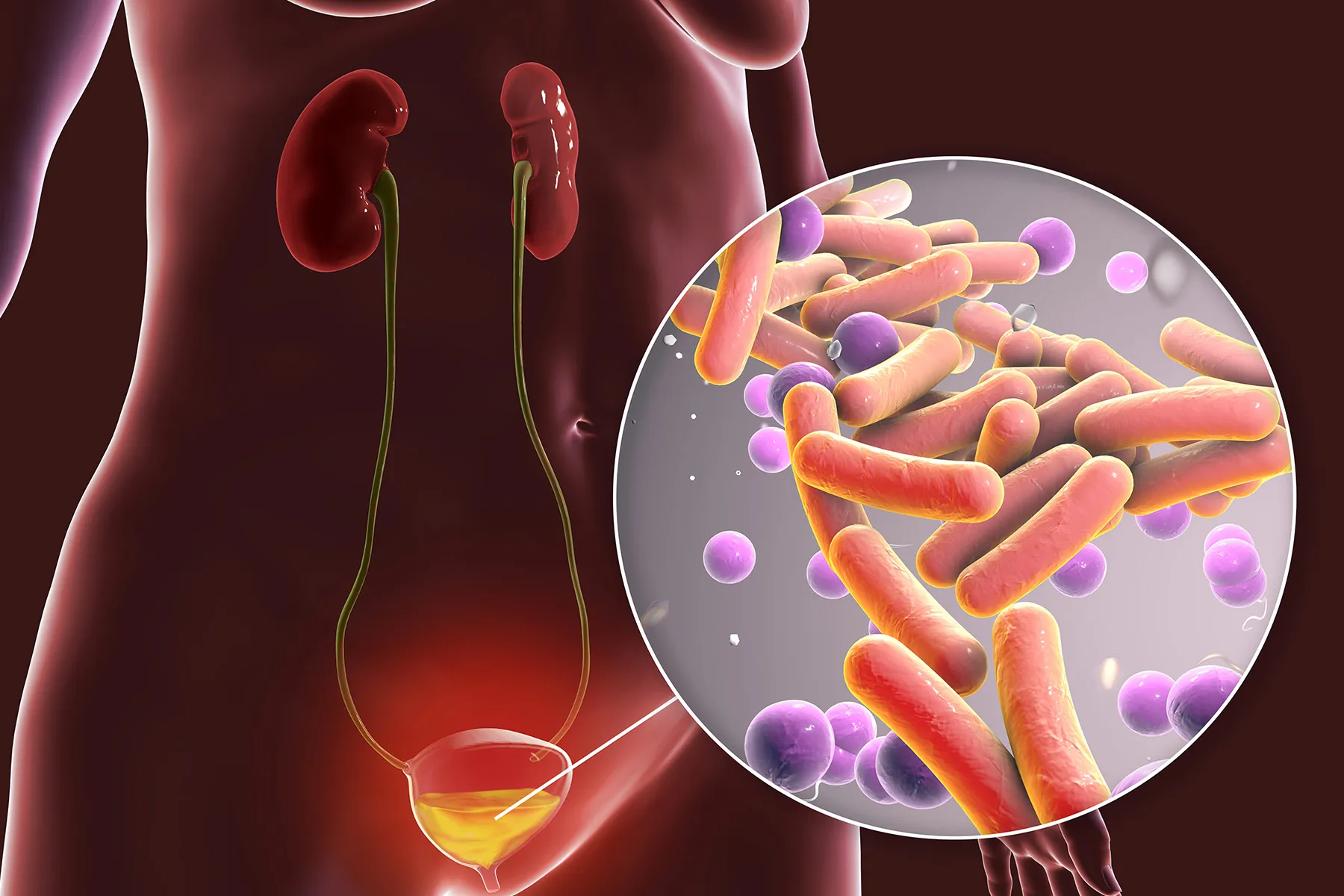
A urinary tract infection (UTI) is an infection that occurs anywhere along the urinary system, which includes the kidneys, ureters, bladder, and urethra.
What are UTIs?
Urinary tract infections (UTIs) are infections that affect any part of the urinary system, including the kidneys, ureters, bladder, and urethra. Most commonly, UTIs involve the lower urinary tract, particularly the bladder (a condition known as cystitis) and the urethra (urethritis). They occur when microorganisms—usually bacteria—enter the urinary tract through the urethra and begin to multiply. The most frequent cause is Escherichia coli, a bacterium that normally lives in the digestive tract but can cause infection when it spreads to the urinary system. Symptoms of a UTI often include a strong and persistent urge to urinate, a burning sensation during urination, cloudy or strong-smelling urine, and pelvic discomfort. In more severe cases, particularly when the infection spreads to the kidneys (pyelonephritis), symptoms may include fever, chills, nausea, and lower back pain. UTIs are very common, especially among women, due to anatomical differences that make it easier for bacteria to reach the bladder. While most UTIs are easily treated with antibiotics, prompt diagnosis and treatment are important to prevent complications or the spread of infection to the upper urinary tract.

What is the urinary tract?
The urinary tract is the body system responsible for producing, storing, and eliminating urine, which helps remove waste products and excess fluids from the bloodstream. It consists of four main parts: the kidneys, ureters, bladder, and urethra. The kidneys are two bean-shaped organs located on either side of the spine that filter waste, toxins, and extra water from the blood to form urine. This urine then travels through two thin tubes called ureters, which carry it from the kidneys to the bladder. The bladder is a hollow, muscular organ that stores urine until it is ready to be expelled from the body. When the bladder fills, nerve signals trigger the urge to urinate, and urine leaves the body through the urethra. In addition to waste removal, the urinary tract plays an essential role in maintaining fluid balance, regulating electrolytes, and helping control blood pressure. The system works closely with other organs and hormones to ensure that the body’s internal environment remains stable. When functioning properly, the urinary tract efficiently removes harmful substances while conserving important nutrients and maintaining overall health.
What are the signs & symptoms of Urinary Tract Infections?
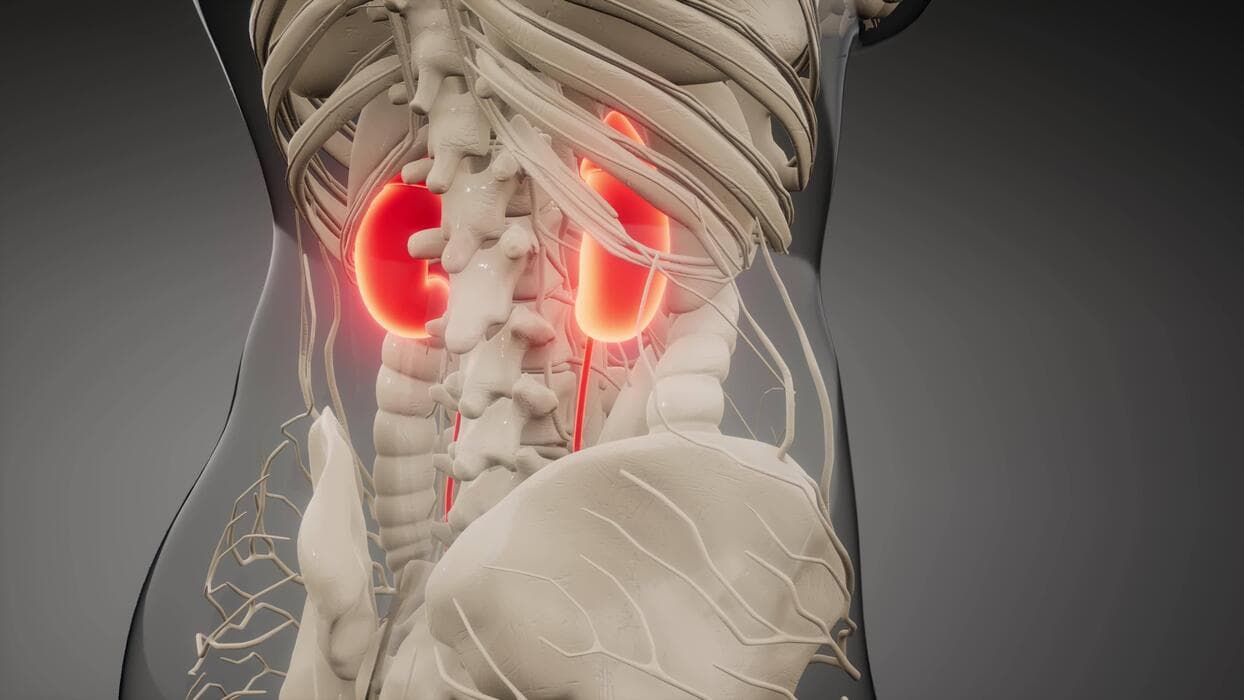
Urinary tract infections (UTIs) can cause a range of signs and symptoms depending on which part of the urinary system is affected. Infections of the lower urinary tract, particularly the bladder (cystitis), are the most common and often produce a strong, persistent urge to urinate along with a burning sensation during urination. People may notice passing small amounts of urine frequently, even when little comes out. Urine may appear cloudy, dark, or tinged with blood and can have a strong or unusual odor. Pelvic pressure or discomfort in the lower abdomen is also common, especially in women. When a UTI spreads to the kidneys (pyelonephritis), symptoms can become more severe and may include high fever, chills, nausea, vomiting, and pain in the lower back or side beneath the ribs. Some individuals, particularly older adults, may experience more subtle symptoms such as confusion, fatigue, or general weakness rather than the typical urinary complaints. Children may develop fever, irritability, or feeding difficulties. Because symptoms can vary in intensity and presentation, recognizing changes in urination patterns or unexplained discomfort is important. Prompt medical evaluation and treatment can help relieve symptoms quickly and prevent the infection from progressing to more serious complications.

What are the types of UTIs?
Urinary tract infections (UTIs) are classified based on the part of the urinary system they affect. The most common type is a lower urinary tract infection, which typically involves the bladder, known as cystitis. Cystitis often causes symptoms such as burning during urination, frequent urges to urinate, and pelvic discomfort. Another lower UTI is urethritis, an infection of the urethra, the tube that carries urine out of the body; this may cause pain during urination and discharge in some cases. Upper urinary tract infections are more serious and involve the kidneys, a condition called pyelonephritis. Kidney infections can develop when bacteria travel upward from the bladder and may lead to high fever, chills, nausea, vomiting, and back or flank pain. UTIs can also be categorized as uncomplicated or complicated. Uncomplicated UTIs typically occur in otherwise healthy individuals with normal urinary anatomy, while complicated UTIs may be associated with factors such as urinary obstruction, catheter use, pregnancy, or underlying medical conditions. Additionally, some people experience recurrent UTIs, defined as multiple infections occurring within a short period.
Understanding the different types of UTIs is important for proper diagnosis, treatment, and prevention of potential complications.

What are the causes of urinary tract infections?
Urinary tract infections (UTIs) are most commonly caused by bacteria entering the urinary system through the urethra and multiplying in the bladder.
The primary culprit is Escherichia coli, a bacterium that normally lives in the intestines but can spread from the anal area to the urethra. Once inside the urinary tract, these bacteria can attach to the lining of the bladder and begin to grow, leading to infection and inflammation.
Although bacteria are responsible for the vast majority of UTIs, fungi and viruses can occasionally cause infections, particularly in people with weakened immune systems.
Several factors can increase the risk of developing a UTI, including sexual activity, improper wiping after using the toilet, urinary retention, dehydration, and the use of urinary catheters.
Women are at higher risk due to having a shorter urethra, which allows bacteria to reach the bladder more easily.
Other contributing causes may include urinary tract blockages such as kidney stones, enlarged prostate in men, pregnancy, and conditions like diabetes that weaken the body’s ability to fight infection.
Understanding these causes helps highlight the importance of hygiene, hydration, and timely treatment in preventing UTIs.

How are Urinary Tract Infections diagnosed?
Urinary tract infections (UTIs) are diagnosed through a combination of symptom assessment, physical examination, and laboratory testing.
A healthcare provider will first ask about common symptoms such as burning during urination, frequent urges to urinate, pelvic pain, fever, or back pain.
If a UTI is suspected, a urine sample is typically collected for analysis. The most common initial test is a urinalysis, which checks for the presence of white blood cells, red blood cells, bacteria, and substances like nitrites that suggest bacterial infection.
If the infection appears more severe, recurrent, or complicated, a urine culture may be performed to identify the specific type of bacteria causing the infection—most often Escherichia coli—and to determine which antibiotics will be most effective for treatment.
In certain cases, especially when UTIs are frequent or do not respond to treatment, additional imaging tests such as ultrasound or CT scans may be used to examine the urinary tract for structural abnormalities, blockages, or kidney involvement.
Accurate diagnosis is important to ensure appropriate treatment, prevent complications, and reduce the risk of recurrent infections or progression to more serious kidney infections.
How can UTIs be avoided?
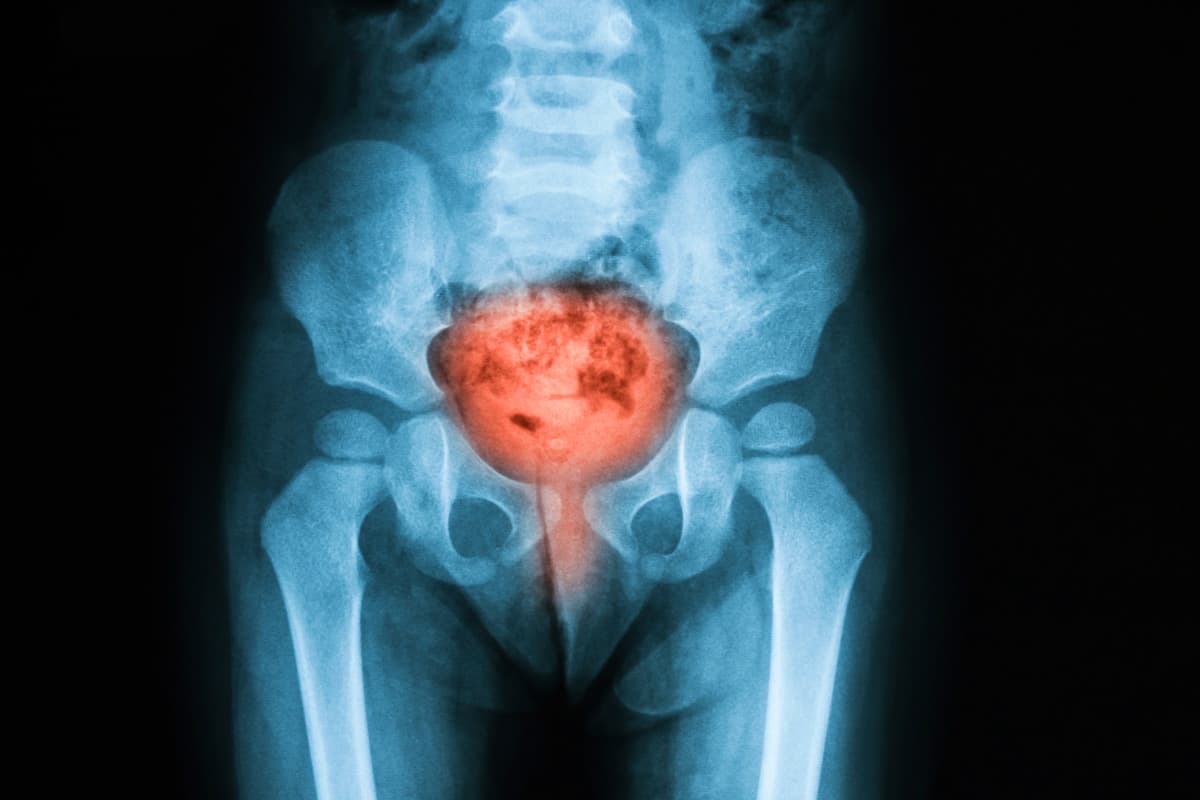
Urinary tract infections (UTIs) can often be prevented through simple hygiene practices and healthy lifestyle habits that reduce the risk of bacteria entering the urinary tract.
Drinking plenty of water is one of the most effective prevention strategies, as it helps dilute urine and flush bacteria out of the bladder before they can multiply.
Urinating regularly and not holding urine for long periods also helps clear the urinary system.
After using the toilet, wiping from front to back is especially important for women to prevent bacteria such as Escherichia coli from spreading from the anal area to the urethra.
Urinating soon after sexual activity can further help remove bacteria that may have entered the urethra.
Avoiding irritating feminine products, harsh soaps, or douches in the genital area can reduce irritation and maintain the natural protective balance of bacteria.
Wearing breathable cotton underwear and loose-fitting clothing may also help keep the area dry and limit bacterial growth.
For individuals prone to recurrent UTIs, healthcare providers may recommend additional preventive measures, such as low-dose preventive antibiotics or other medical strategies.
By maintaining good personal hygiene, staying hydrated, and addressing risk factors, many UTIs can be effectively prevented.
How to treat UTIs?
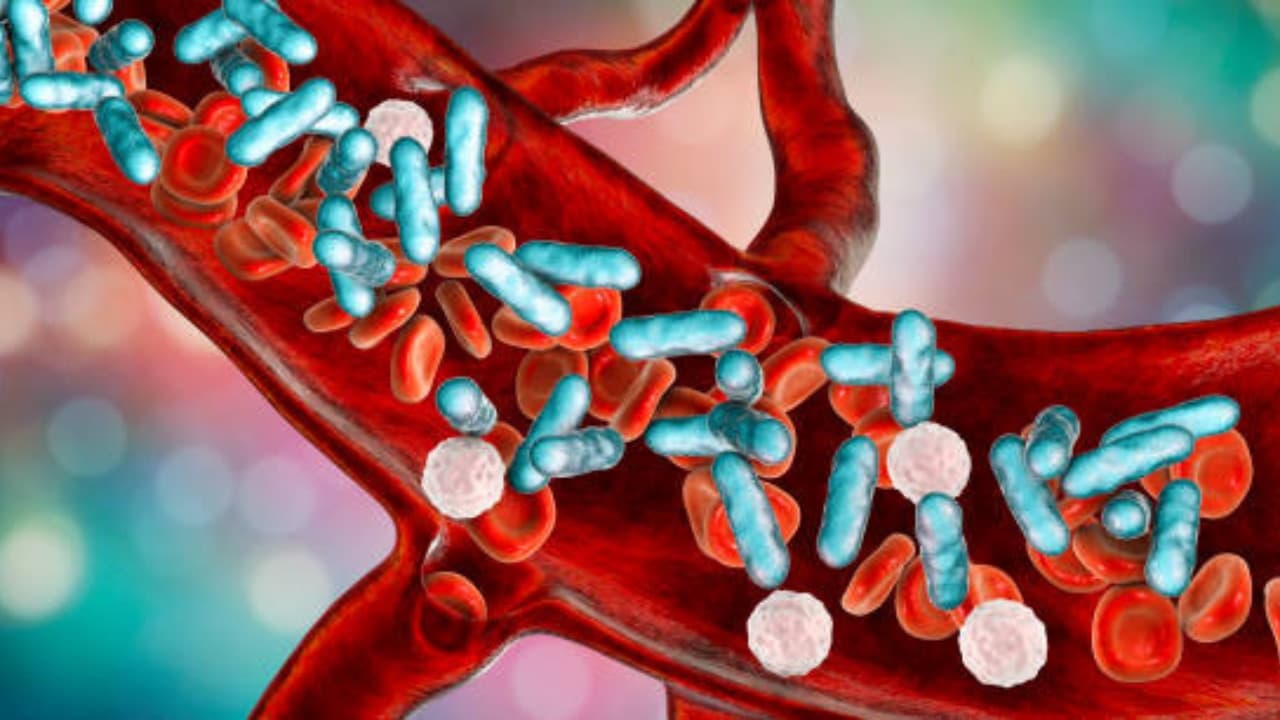
Urinary tract infections (UTIs) are most commonly treated with antibiotics to eliminate the bacteria causing the infection. After diagnosis, a healthcare provider typically prescribes a short course of oral antibiotics, with the specific medication chosen based on the suspected or confirmed bacteria—most often Escherichia coli—and local resistance patterns.
It is important to take the full course of antibiotics as prescribed, even if symptoms improve within a few days, to ensure the infection is completely cleared and to reduce the risk of recurrence or antibiotic resistance. For mild, uncomplicated UTIs, symptoms often begin to improve within 24 to 48 hours of starting treatment. In addition to antibiotics, supportive measures such as drinking plenty of water can help flush bacteria from the urinary tract. Over-the-counter pain relievers may be recommended to reduce discomfort, fever, or pelvic pain.
In cases of more severe infections, such as kidney infections, hospitalization and intravenous antibiotics may be necessary. Individuals with recurrent or complicated UTIs may require longer treatment courses or further medical evaluation. Prompt and appropriate treatment is essential to relieve symptoms quickly, prevent complications, and stop the infection from spreading to the kidneys.
Conclusion
In summary, urinary tract infections (UTIs) are common infections of the urinary system, usually caused by bacteria like Escherichia coli. They can cause discomfort, frequent urination, and, in severe cases, kidney complications. Most UTIs are easily diagnosed and treated with antibiotics, and simple preventive measures—such as good hygiene, staying hydrated, and urinating regularly—can reduce the risk. Prompt recognition and treatment are key to preventing complications and maintaining urinary health.
Read More