

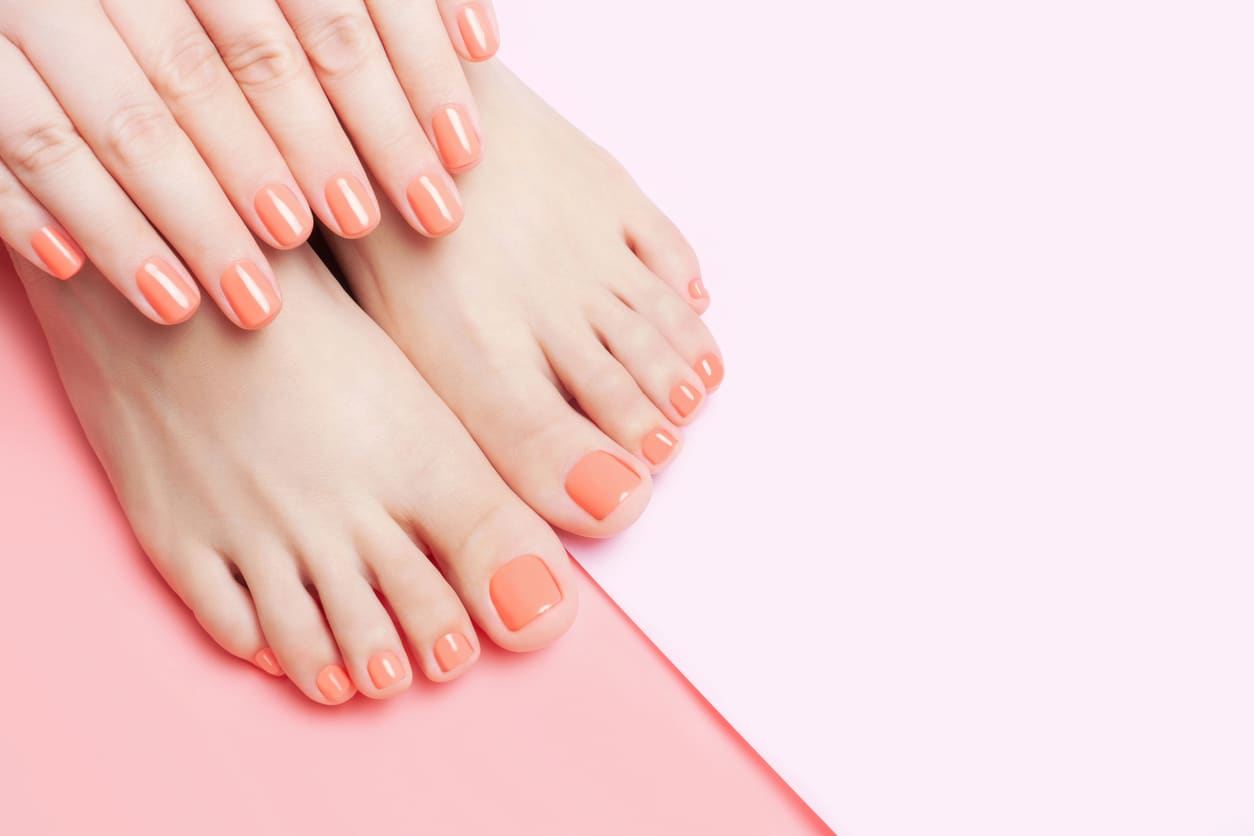
A manicure and a pedicure are grooming treatments that care for the nails, skin, and overall appearance of the hands and feet. Both treatments combine hygiene, aesthetics, and relaxation.
What is a Manicure?
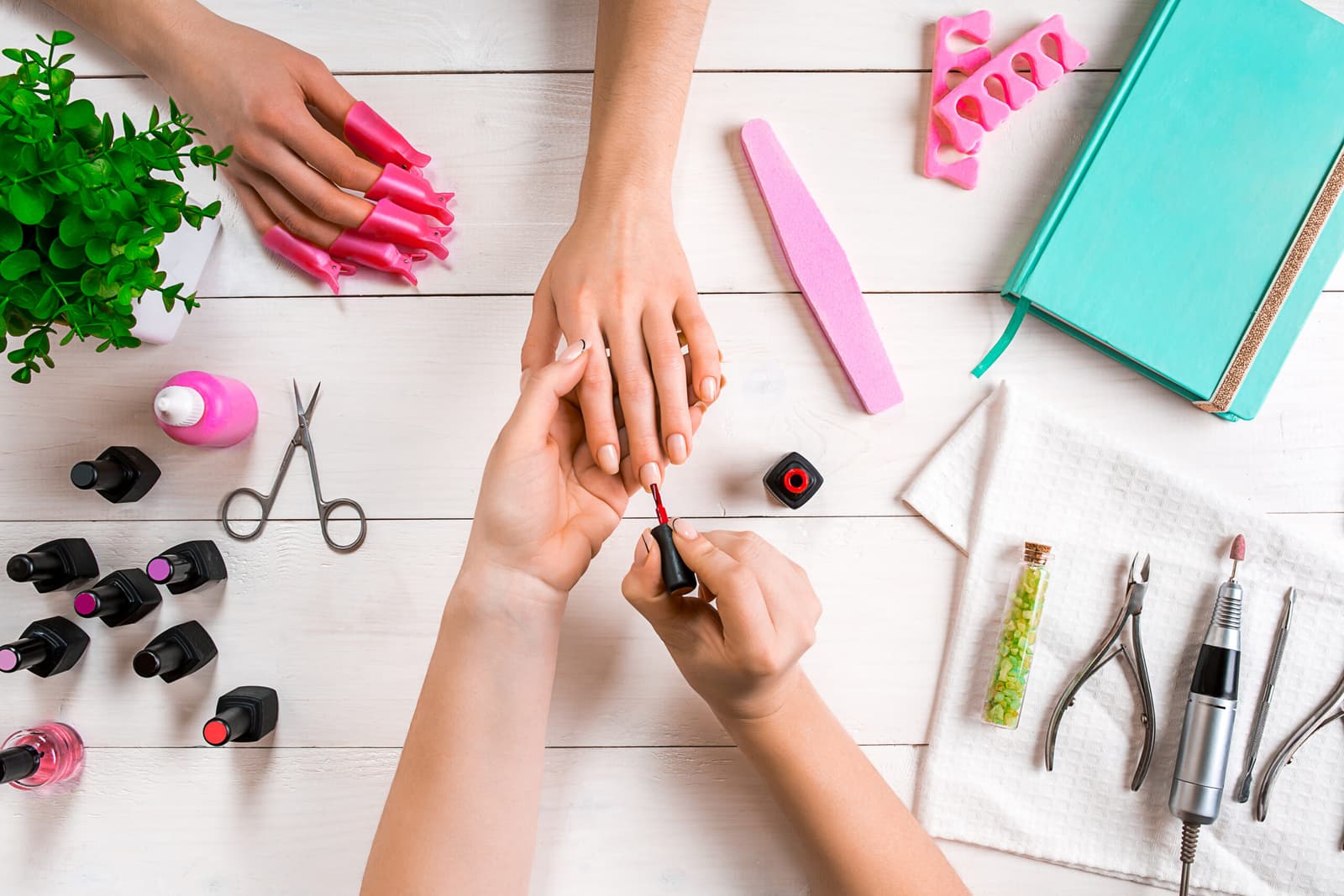
A manicure is a cosmetic beauty treatment for the hands and fingernails that combines hygiene, grooming, and aesthetic enhancement to keep nails healthy and attractive. It generally includes trimming and shaping the nails, pushing back or removing excess cuticle, cleaning under the nail beds, and smoothing rough edges to prevent snags and breakage. Many manicures also feature gentle exfoliation of the hands, a moisturizing massage to improve circulation and soften skin, and application of a base coat, color polish, and top coat for protection and shine. Variations range from quick maintenance services like nail file-and-polish to more elaborate treatments such as gel or shellac manicures, nail extensions, and decorative nail art. Beyond visual improvement, manicures help identify early signs of nail or skin problems, reduce the risk of ingrown nails and minor infections, and support overall hand care through specialized treatments for dryness or cuticle issues. Whether performed professionally in a salon or at home, a manicure is both practical and indulgent: it maintains nail health while offering a moment of self-care and polish that leaves hands looking neat, groomed, and refreshed.
What is a Pedicure?
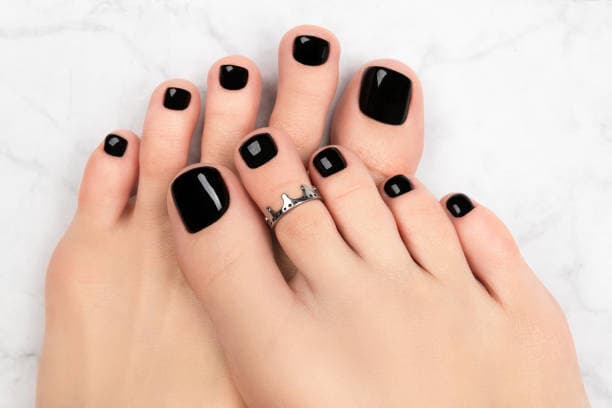
A pedicure is a cosmetic and therapeutic treatment for the feet and toenails that combines hygiene, grooming, and skin care to promote healthy, comfortable, and attractive feet. Typical steps include soaking the feet to soften skin and nails, trimming and shaping toenails, cleaning and caring for the cuticles, and removing rough or callused skin with a pumice, file, or specialized tool. Many pedicures also include exfoliation to slough away dead skin cells, a hydrating mask or rich moisturizer to restore softness, and a relaxing foot and lower-leg massage that improves circulation and relieves tension. The service often finishes with the application of a base coat, color polish, and top coat for protection and shine, with options for longer-lasting treatments like gel polish or enhancements such as nail art. Beyond aesthetics, pedicures help prevent ingrown toenails, detect early signs of fungal infections or other foot issues, and address common problems like cracked heels and dry skin. Performed professionally in a salon or adapted for home care, a pedicure is both practical foot maintenance and a form of self-care that leaves feet feeling refreshed, healthier, and more comfortable for daily activities.
What is a Manicure good for?
A manicure is good for more than just a polished look; it supports nail health, hand hygiene, and overall wellbeing. Regular manicures keep nails trimmed, shaped, and free from rough edges that can cause breaks or tears, while professional cuticle care reduces the risk of ingrown nails and minor infections. Exfoliation and moisturizing treatments restore skin softness and help heal dry, cracked areas, improving comfort and the appearance of hands. The massage component commonly included in manicures boosts local circulation, which can relieve tension, reduce stiffness, and promote faster nail growth. Cosmetic benefits include even, long-lasting polish application, damage-resistant finishes like gel or shellac, and the option for strengthening treatments and protective base coats that guard against environmental wear. Manicures also serve as a chance to detect early signs of fungal or dermatological issues so they can be addressed promptly. Beyond physical effects, manicures provide a brief restorative ritual—time to relax, de-stress, and practice self-care—which can enhance mood and confidence. Whether pursued for maintenance, recovery from brittle nails, or as a pampering ritual before an event, manicures offer practical health advantages together with aesthetic and psychological benefits.
What is a Pedicure good for?
A pedicure is good for far more than an attractive polish; it provides practical foot health, comfort, and relaxation that support daily mobility. Regular pedicures keep toenails trimmed and correctly shaped, which helps prevent painful ingrown nails and reduces the risk of nail breakage. Professional cuticle care and cleaning under the nails lower the chance of minor infections, while the removal of calluses and hard skin with pumice or specialized tools restores smoother, more comfortable soles and reduces pressure points when walking. Exfoliation and hydrating masks replenish moisture, healing dry, cracked heels and improving skin elasticity. The foot and lower-leg massage often included in pedicures enhances local circulation, eases muscle tension, and can relieve stress and fatigue after long periods of standing or activity. Cosmetic benefits—neat nails, long-lasting polish, and options like gel finishes—boost confidence and make wearing open shoes more comfortable. Additionally, regular professional attention helps detect early signs of fungal infections, abnormal nail changes, or dermatological issues so they can be treated sooner. Whether chosen for medical maintenance, to address specific foot problems, or as a restorative self-care ritual, pedicures combine hygiene, therapeutic care, and relaxation to keep feet healthy, comfortable, and presentable.
Different types of Manicures
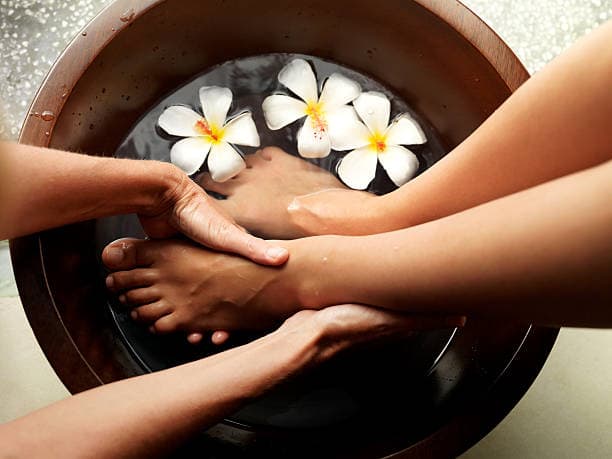
Different types of manicures cover a wide range of techniques and finishes to suit nail health, longevity, and aesthetic preference.
A basic or classic manicure focuses on trimming, shaping, cuticle care, a hand scrub, moisturizing massage, and polish application for a neat, everyday look.
Spa manicures expand on this with longer exfoliation, hydrating masks, paraffin dips, and extended massage for extra nourishment and relaxation.
Gel manicures use a UV- or LED-cured gel polish that resists chipping and lasts two to three weeks with a shiny, durable finish.
Shellac combines aspects of gel and traditional polish for a similarly long-lasting result with easier removal.
Acrylic and hard-gel extensions provide length and structure for those wanting dramatic shape or nail art; acrylics are powder-and-liquid systems while hard gels are cured for a sculpted finish.
Dip powder manicures involve layering colored powder over a base for strength and longevity without UV curing.
Natural or “nail care” manicures prioritize strengthening treatments, cuticle health, and breathable finishes, often skipping heavy polish.
Express or polish-only services are quick touch-ups that focus on color application.
Specialty manicures include vegan or hypoallergenic formulas, medical-grade care for problem nails, and bespoke nail art sessions for creative finishes.
Different types of Pedicure
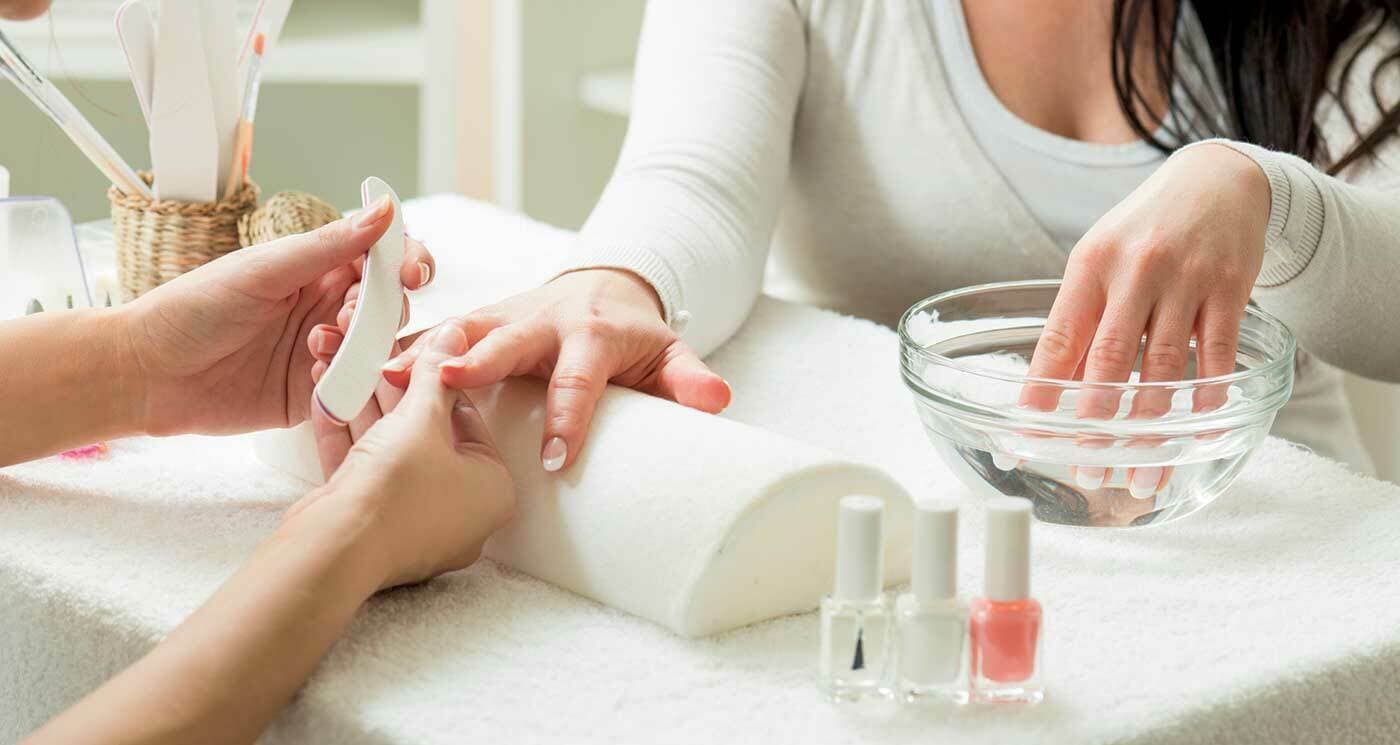
Different types of pedicures offer a range of therapeutic, cosmetic, and corrective options to suit foot health, time, and style preferences.
A basic pedicure includes soaking, nail trimming and shaping, cuticle care, exfoliation, moisturizing, and polish for neat everyday maintenance.
Spa pedicures build on that with extended exfoliation, hydrating masks, paraffin dips, and longer massages for deeper softening and relaxation.
Medical or podiatry pedicures focus on treating specific foot problems—thick or fungal nails, ingrown toenails, calluses, corns, and diabetic foot concerns—and are performed by trained clinicians using sterile instruments.
Gel or shellac pedicures use long-lasting, UV- or LED-cured polishes that resist chipping for several weeks.
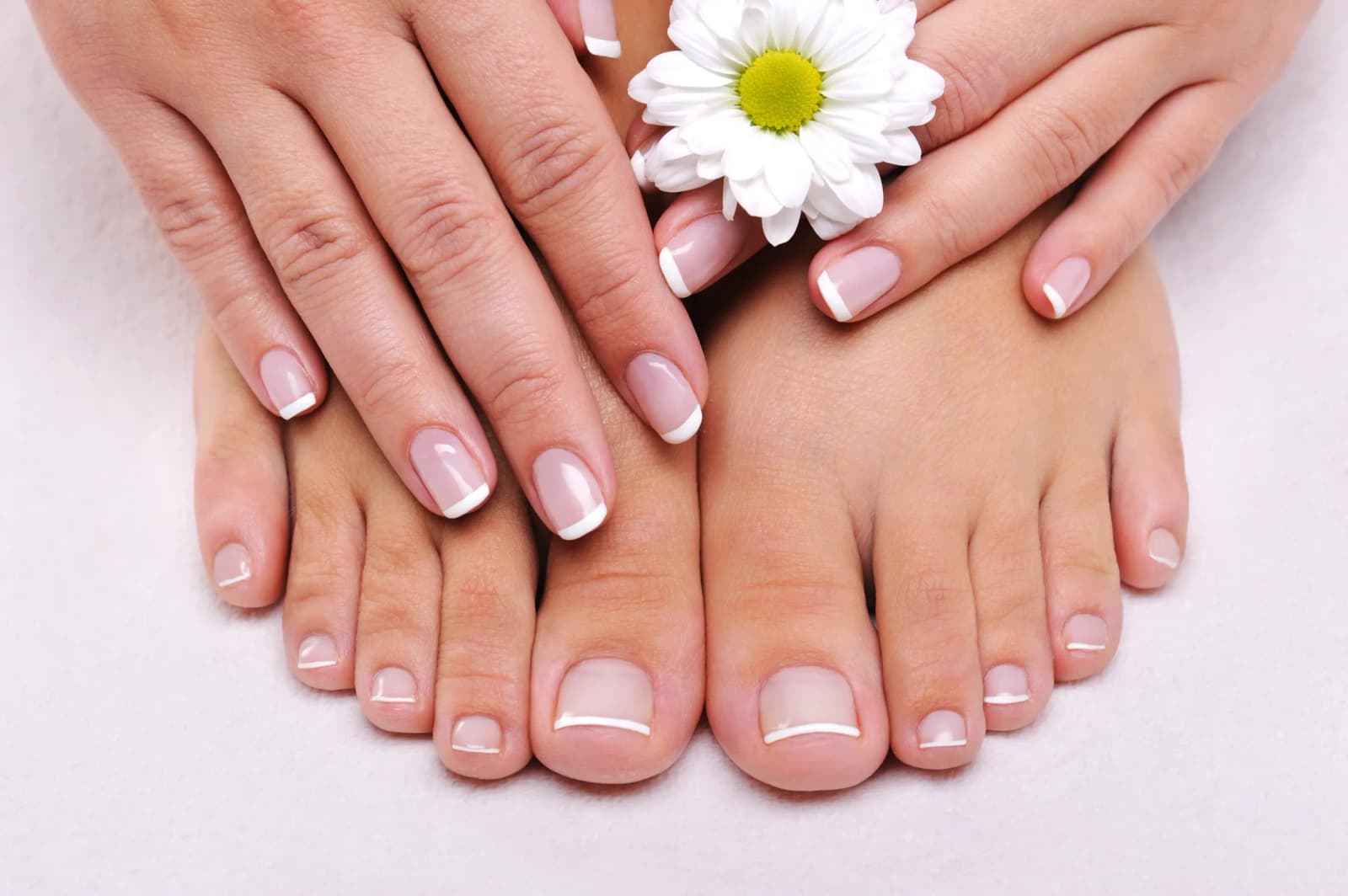
French and classic polish pedicures offer timeless, understated finishes, while creative or nail-art pedicures incorporate decals, stones, gradients, and intricate designs.
Dip powder and hybrid pedicures provide durable color without traditional curing methods.
Express or polish-only services are fast touch-ups that skip massage and intensive care.
Specialty treatments like hot stone, aromatherapy, or oxygen pedicures add sensory elements, and paraffin-only or callus-removal sessions target hydration or thickened skin specifically.
Choosing the right type balances cosmetic goals with foot health needs and the desired level of pampering.

What are the tools used in a manicure & pedicure?
Manicure and pedicure toolkits combine precision metal instruments, abrasive implements, and consumables to keep nails healthy, neat, and attractive.
Basic tools include nail clippers and toenail nippers for trimming, multiple-grit nail files and buffers for shaping and smoothing, and cuticle pushers and nippers for managing excess cuticle and hangnails.
Metal or glass tools such as orangewood sticks and a nail brush are used to clean under nails and direct cuticle work, while buffers and polishes create a smooth, glossy finish.
Pedicure-specific implements add a callus file, pumice stone, foot file, and foot rasp to safely remove hardened skin, plus a basin or tub for soaking.
Sterile instruments, disposable files, and single-use pumice pads are common in professional settings to reduce infection risk.
Electric files or E-files, used by trained technicians, speed shaping and callus removal, and LED/UV lamps are required for curing gel or shellac products.
Other essentials include base and top coats, base strengtheners, cuticle oil, exfoliating scrubs, paraffin or moisturizing masks, and towels.
Together these items let technicians deliver trimming, shaping, sanitation, hydration, therapeutic care, and long-lasting finishes for hands and feet.
What to expect from a manicure & pedicure?
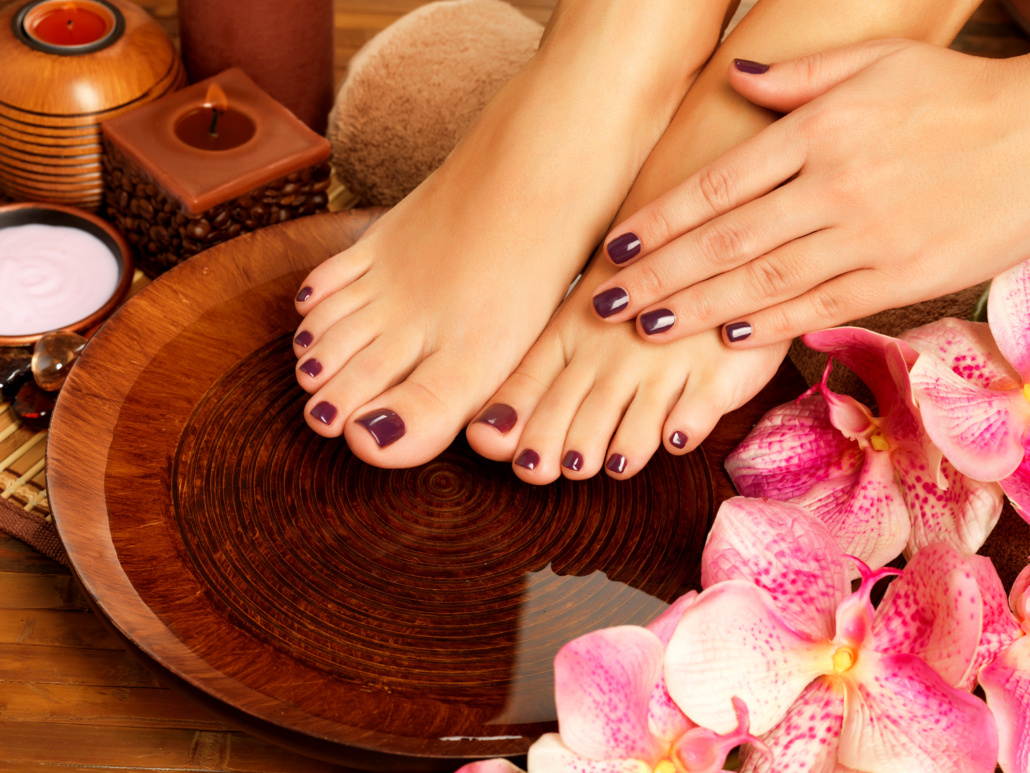
A manicure and pedicure typically begin with a consultation to discuss preferences, nail health, and any concerns; then the technician performs a cleansing soak to soften skin and cuticles, followed by nail trimming, shaping, and gentle cuticle care to create a neat foundation. Exfoliation with a scrub or pumice removes dead skin and calluses on feet, while a hand or foot massage restores circulation and relaxes muscles; professional services often include a hydrating mask, paraffin dip, or rich moisturizer for deeper nourishment. After preparation, base coat, color, and top coat are applied for a smooth, durable finish, with options for gel, shellac, dip powder, or traditional polish depending on desired longevity. Throughout the service you can expect hygienic practices such as sterilized or single-use tools, tidy stations, and clear communication about any protective or corrective treatments. Timing varies by service—express polish takes minutes while spa or corrective treatments can last an hour or more—and technicians may recommend aftercare like cuticle oil, avoiding harsh detergents, or follow-up visits for maintenance. The experience blends practical nail care, early detection of common issues, and a restorative pause that leaves hands and feet healthier, comfortable, and presentable.
How long do manicures & pedicures last?
The longevity of a manicure or pedicure depends mainly on the type of service, application method, nail growth rate, and how you care for your hands and feet afterward.
Traditional nail polish typically lasts about five to seven days before visible chipping appears, while gel and shellac systems cured under LED or UV lamps can maintain a glossy, chip-free finish for two to three weeks with proper application and removal. Dip powder and acrylic finishes are known for durability and can last two to four weeks depending on wear and thickness; however, natural nail growth will create a gap at the cuticle that many people choose to have refilled or removed around the same timeframe.
Pedicures generally endure longer than manicures because toenails and foot polish experience less daily friction; a regular polish pedicure often remains presentable for up to two weeks, and gel pedicures can last several weeks. Daily activities, repeated exposure to water, use of harsh chemicals, and mechanical wear shorten longevity, while careful aftercare — using cuticle oil, wearing gloves for chores, and avoiding prolonged soaking — extends it.
For routine maintenance many clients schedule manicures every one to two weeks and pedicures every three to four weeks.
Conclusion
Manicure and pedicure treatments combine essential hygiene, targeted care, and aesthetic finishing to keep hands and feet healthy, comfortable, and attractive. Beyond trimming, shaping, and polish, these services address cuticle management, callus reduction, hydration, and circulation through exfoliation and massage, while offering opportunities to spot early signs of nail or skin issues. Choices range from quick maintenance to restorative spa or medical-grade options, so treatments can be tailored to cosmetic goals or specific foot and nail concerns. Regular professional or at-home care extends the life of polish and improves nail strength, while the ritual itself provides a practical moment of self-care that enhances confidence and well-being.
Read More