

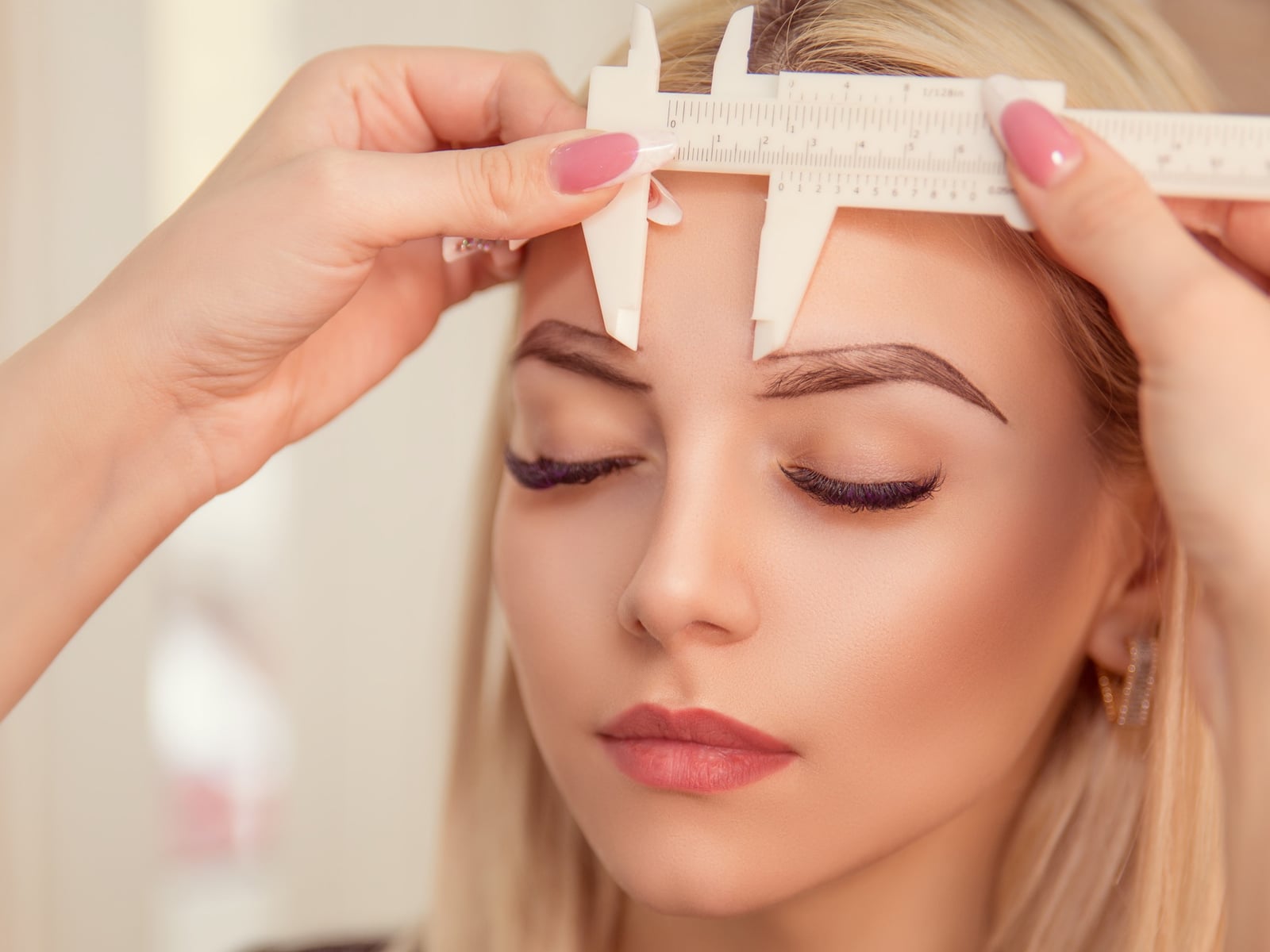
Microblading and eyebrow tattooing are two popular methods for enhancing brow shape and density, but they differ in technique, depth, and longevity.
What is Microblading?
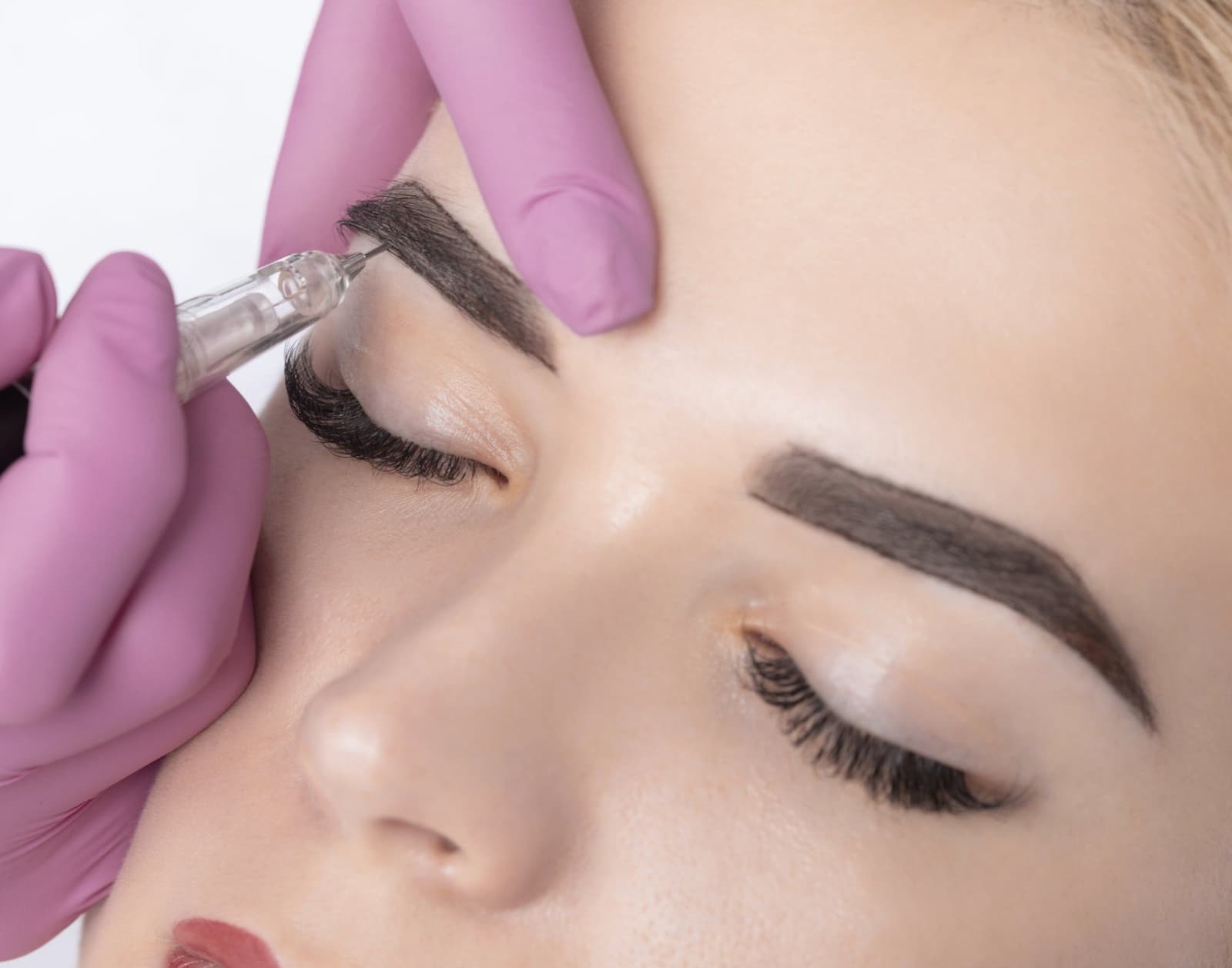
Microblading is a semi‑permanent cosmetic technique for enhancing eyebrow shape and density that uses a small handheld tool composed of several fine needles to create hair‑like strokes by depositing pigment into the upper layers of the skin, producing a natural, textured appearance that mimics real eyebrow hairs; unlike traditional machine tattooing, which implants pigment more deeply and can look more solid or blocky over time, microblading targets the epidermis so results are subtler and typically fade over months to a few years, requiring touch‑ups to maintain color and shape. The procedure begins with brow mapping to design the ideal arch for the client’s face, topical anesthetic to minimize discomfort, and then careful stroke work by a trained technician to layer pigment in a pattern that follows natural hair growth; healing includes initial darkening and scabbing followed by a softer settled appearance. Microblading can be ideal for people with sparse brows, over‑plucked areas, or those seeking a low‑maintenance routine, but it carries risks if performed in unsanitary conditions or by inexperienced providers, and outcomes depend on skin type, pigment choice, and aftercare.
What is Eyebrow Tattooing?
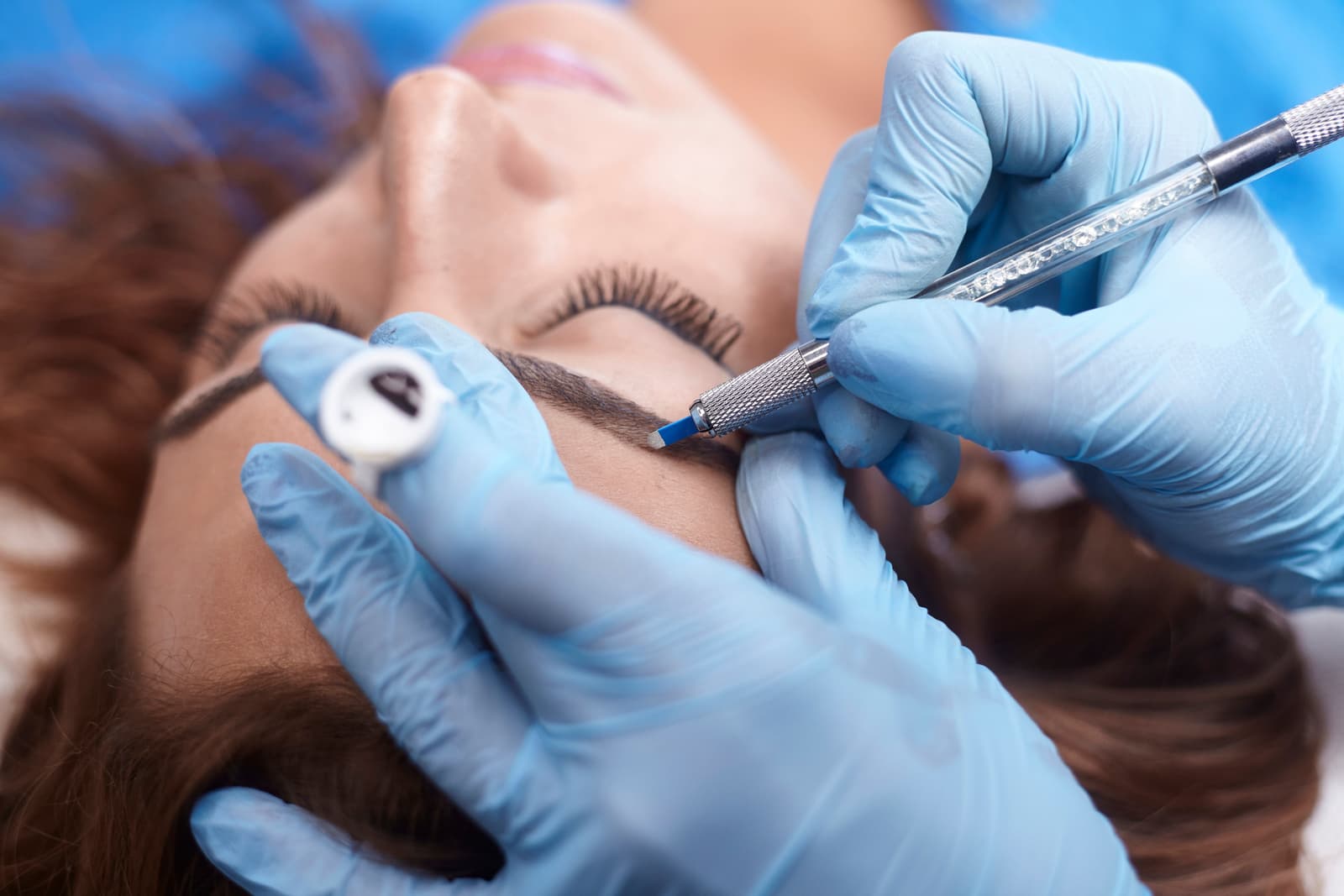
Eyebrow tattooing is a cosmetic procedure that implants pigment into the skin of the brows to create longer‑lasting shape, density, and definition; it ranges from traditional machine tattooing, which deposits pigment more deeply for a solid, durable result, to modern semi‑permanent techniques such as microblading, microshading, ombré, and nano‑strokes that aim for a more natural, hair‑like or powdered finish depending on the method used. The process begins with consultation and brow mapping to design the ideal arch for the client’s face, followed by topical numbing and careful pigment application by a trained technician; healing involves initial darkness and slight scabbing before colors soften and settle, and most approaches require a touch‑up session to perfect tone and longevity. Eyebrow tattooing is chosen by people with sparse, over‑plucked, or uneven brows or by those seeking a low‑maintenance routine, but it carries risks including color changes over time, poor retention on certain skin types, and complications if performed in unsanitary conditions or by inexperienced providers. Because results can be semi‑permanent to permanent, thorough research, realistic expectations, and aftercare commitment are important when considering eyebrow tattooing.
How long does Microblading last?
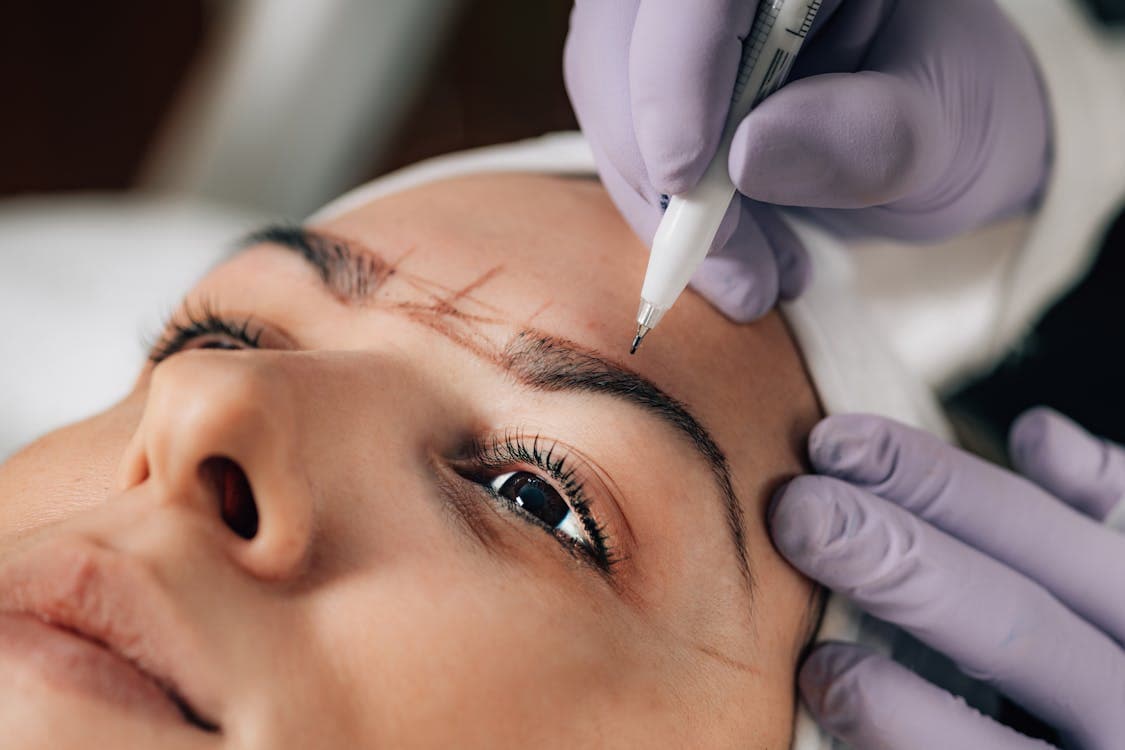
Microblading typically lasts between about 12 and 30 months, with many clients seeing optimal results for roughly 18–24 months before noticeable fading requires a touch‑up; longevity varies widely because pigment sits in the superficial layers of skin and is gradually broken down by natural cell turnover and environmental exposure. Factors that shorten wear include oily or combination skin (which can blur and fade strokes faster), frequent sun exposure, aggressive exfoliation or chemical peels, certain skincare ingredients (like retinoids and strong acids), and lifestyle factors such as swimming or heavy sweating; conversely, careful aftercare, good sun protection, and pigment selection by an experienced technician can extend results. Most artists perform an initial perfecting touch‑up 6–8 weeks after the first session to set color and refine strokes, with maintenance touch‑ups commonly recommended every 12–24 months to refresh shape and tone. Some people with very slow skin turnover or deeper pigment placement may retain visible strokes longer, while others will need more frequent refreshes; because microblading is semi‑permanent rather than truly permanent, realistic expectations, proper aftercare, and periodic maintenance are key to long‑lasting brows.

How long does Eyebrow Tattoo last?
Eyebrow tattooing is considered semi‑permanent and typically lasts anywhere from about one to five years, with most people seeing noticeable softening or fading after one to three years; longevity depends heavily on the specific technique used, pigment depth and quality, individual skin type, and aftercare. Traditional machine tattoos that deposit pigment more deeply can persist longer and sometimes appear permanent, while modern cosmetic techniques (microblading, nano strokes, ombré/powder shading) place pigment more superficially and therefore fade more predictably over months to a few years. Factors that accelerate fading include oily skin, frequent sun exposure, aggressive exfoliation or chemical skincare (retinoids, acids), swimming or heavy sweating, and lighter pigment choices, while careful aftercare, sun protection, and periodic maintenance touch‑ups will extend the look. Most artists recommend an initial perfecting session 6–8 weeks after the first procedure and maintenance touch‑ups every 12–24 months to preserve shape and color; some clients may require more frequent refreshes, others much less, and complete removal or significant color change often involves additional procedures such as laser or saline removal. Realistic expectations, a qualified technician, and proper aftercare are key to long‑lasting results.
What are the benefits of Microblading?
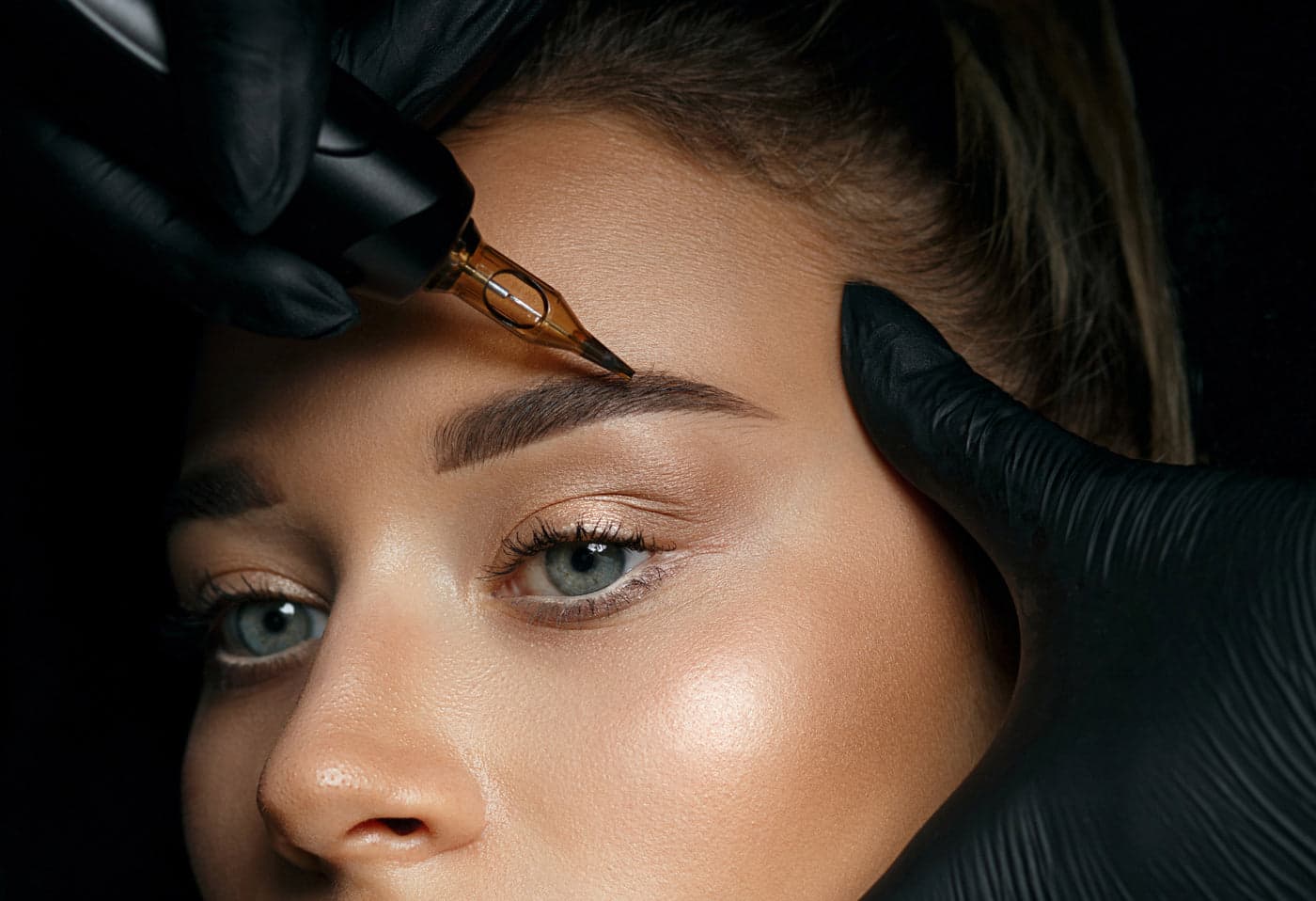
Microblading offers several compelling benefits for people seeking fuller, more defined brows with a natural appearance: it creates ultra-fine, hair‑like strokes that mimic real eyebrow hairs, producing realistic density and shape that can correct sparse, over‑plucked, or asymmetrical brows while reducing daily makeup time; many clients report saving time and effort because they no longer need to fill or redraw brows each morning. The semi‑permanent nature means results last months to a few years, allowing wearers to enjoy consistent, polished brows without permanent commitment, and the technique can be customized—shape, stroke direction, and pigment tone are mapped to each face for a tailored outcome. Microblading also enhances facial symmetry and can boost confidence by framing the eyes more effectively, and when performed by a skilled, hygienic technician it carries lower thermal and pigment‑depth risks than older machine tattooing methods. An initial touch‑up session helps perfect strokes and color retention, and periodic maintenance refreshes sustain the look over time. Candidates with appropriate skin types and realistic expectations often find microblading a convenient, high‑impact solution for long‑lasting natural brow enhancement.
What are the Benefits of Eyebrow Tattoos?
Eyebrow tattoos offer several practical and aesthetic benefits for people seeking a long‑lasting solution to sparse, uneven, or time‑consuming brow routines. By implanting pigment into the skin, eyebrow tattoos create consistently shaped, well‑defined brows that reduce or eliminate daily filling and shaping, saving time and providing a polished look from morning to night. Because machine techniques can deposit pigment more deeply than hand‑tool methods, results often last longer and withstand sweating, swimming, and daily activities better than conventional makeup. Modern cosmetic tattooing can be tailored to produce natural hair‑like strokes, soft powdered fills, or hybrid looks that match hair color and facial proportions, improving symmetry and framing the eyes to enhance overall facial balance. For people with hair loss due to aging, medical conditions, or over‑plucking, eyebrow tattoos can restore visible density and confidence without relying on topical brow products. Additionally, the semi‑permanent nature allows for gradual color and shape evolution through touch‑ups rather than a single permanent change, giving clients flexibility to refine their look over time. When performed by a skilled, hygienic professional, eyebrow tattooing minimizes daily maintenance while delivering reliable, long‑wearing results that suit active lifestyles and those seeking low‑maintenance beauty solutions.
Eyebrow Tattoos vs. Microblading
Eyebrow tattoos and microblading are both cosmetic procedures designed to enhance brow shape and density, but they differ in technique, longevity, and the final look; microblading uses a handheld blade to create ultra‑fine, hair‑like strokes deposited in the superficial layers of skin for a very natural, textured appearance that typically fades over months to a few years, while eyebrow tattooing performed with a machine implants pigment more deeply, producing longer‑lasting results that can appear fuller or more solid and may require different maintenance as color and shape evolve. Choice hinges on skin type, desired aesthetic, and commitment level: microblading often suits those wanting delicate, realistic strokes and a semi‑permanent commitment, whereas machine-based tattooing benefits people who need greater durability, are very active, or have skin that doesn’t retain hand‑made strokes well. Both approaches require careful brow mapping, qualified technicians, hygienic practice, and proper aftercare to avoid complications and get the intended result; realistic expectations and planned touch‑ups are essential because pigment behavior varies by individual factors like oiliness, sun exposure, and skin renewal rate.
Conclusion
Microblading and eyebrow tattooing each have clear strengths depending on the client’s goals, skin type, and tolerance for permanence: microblading delivers ultra‑natural, hair‑like strokes and a softer, shorter‑term commitment ideal for those seeking realistic texture and frequent style updates, while eyebrow tattooing (including machine‑based powder, ombré, or traditional methods) offers greater durability, uniform fill, and better retention for oily skin types or active lifestyles. The best choice balances desired aesthetic, medical or skin considerations, and willingness to maintain touch‑ups; both require a skilled, licensed technician, precise brow mapping, and strict aftercare to reduce risks and ensure optimal results.
Read More