

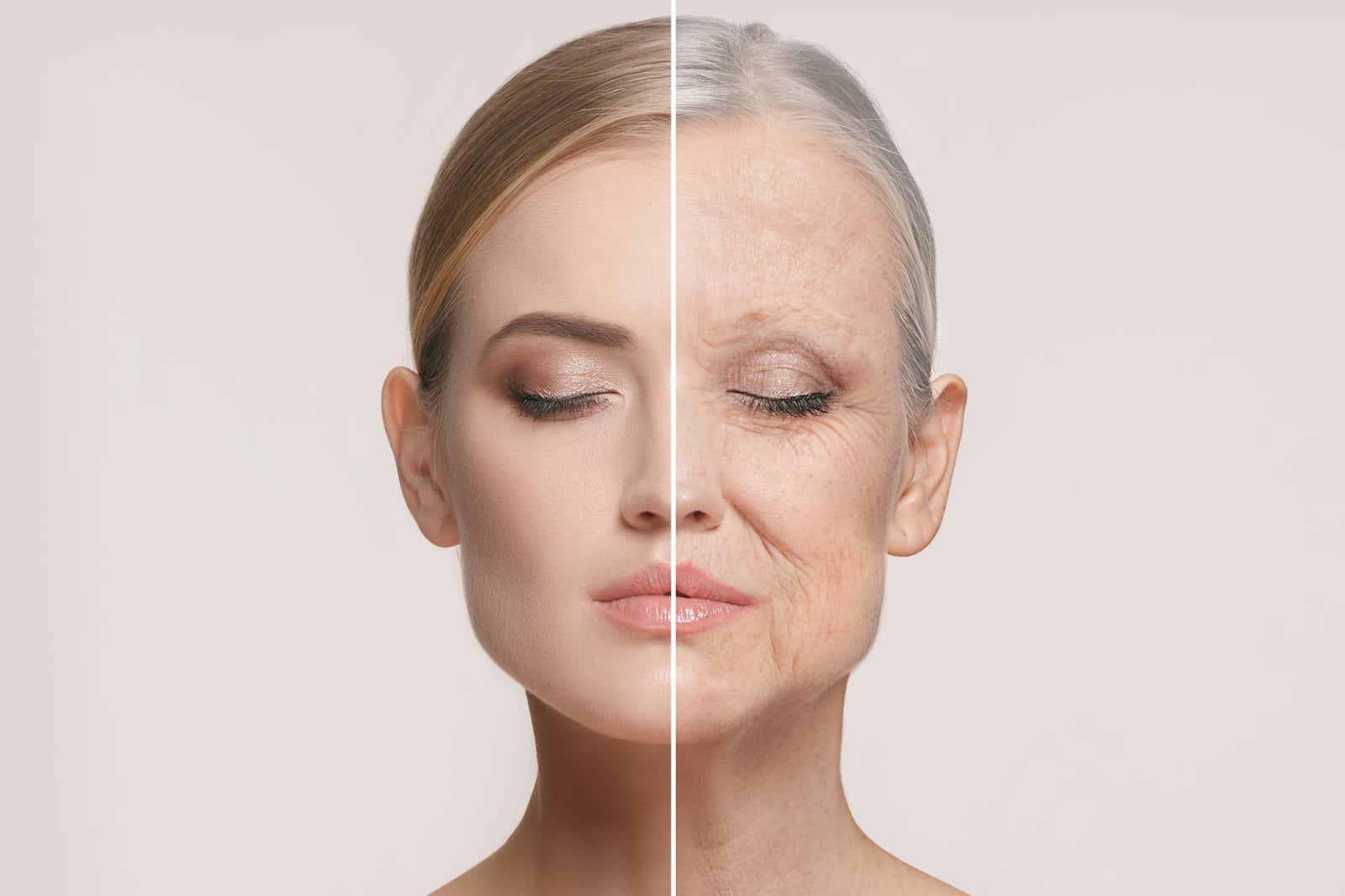
In recent years, anti-aging treatments have become increasingly popular among international patients seeking affordable, high-quality cosmetic care. From non-invasive skincare routines to advanced dermatological procedures, modern aesthetic medicine offers a wide spectrum of options to rejuvenate the skin, restore volume, and reduce visible signs of aging. Below is a comprehensive overview of the most popular anti-aging treatments, including how they work, who they are best suited for, and what results to expect.
Skincare (Foundational Anti-Aging Care)
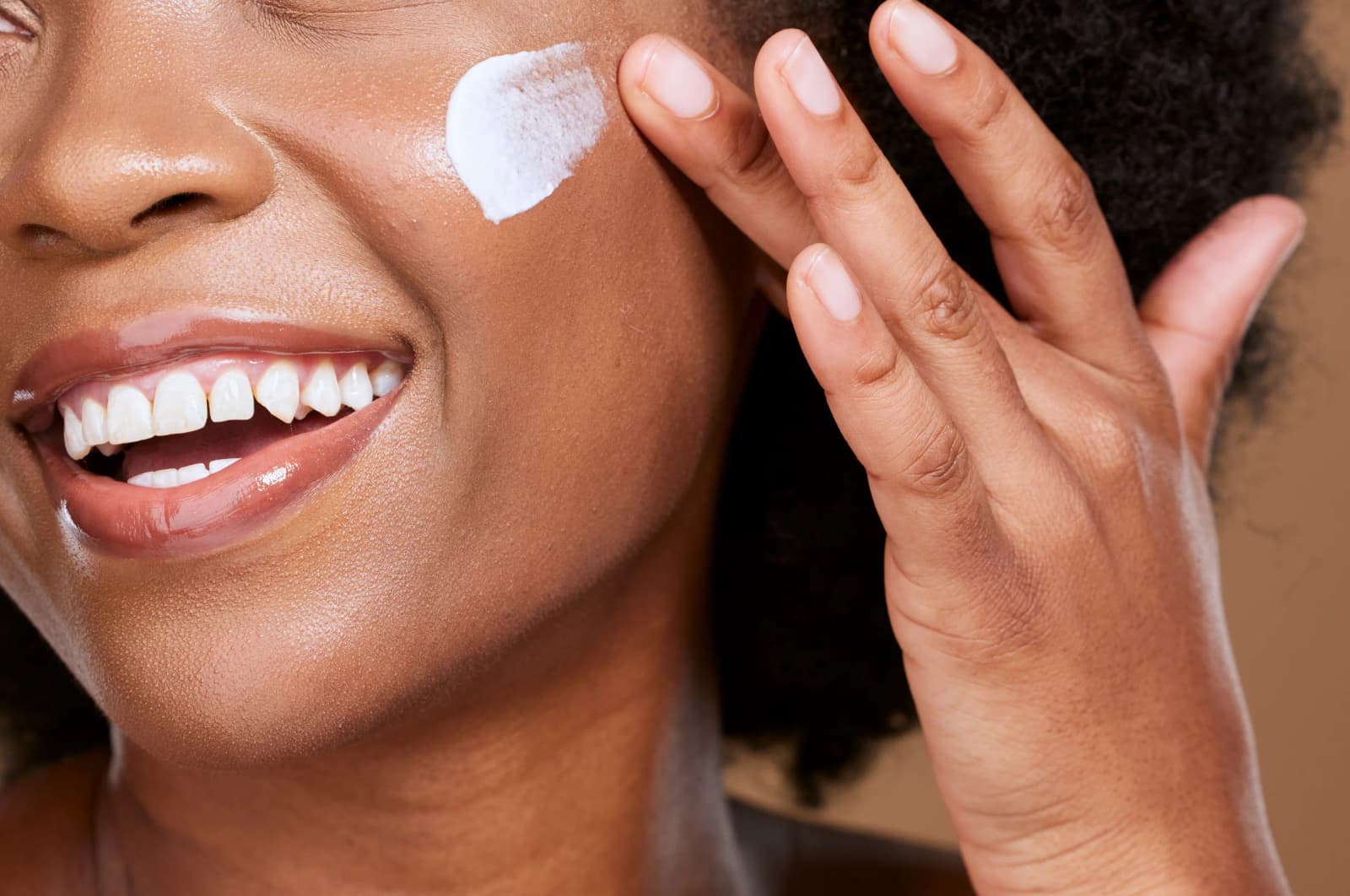
Professional and at-home skincare is the foundation of any anti-aging strategy. A well-designed skincare routine can prevent premature aging, improve skin texture, and maintain results from clinical treatments.
Medical-grade skincare products often include active ingredients such as retinoids, vitamin C, hyaluronic acid, peptides, and broad-spectrum sunscreens. These ingredients help stimulate collagen production, protect against environmental damage, and maintain hydration. Clinics may also offer personalized regimens tailored to individual skin types and concerns.
For medical tourists, investing in skincare is often the first step before undergoing more advanced procedures. It enhances and prolongs the outcomes of treatments like lasers or injectables.
Skin Laser Resurfacing
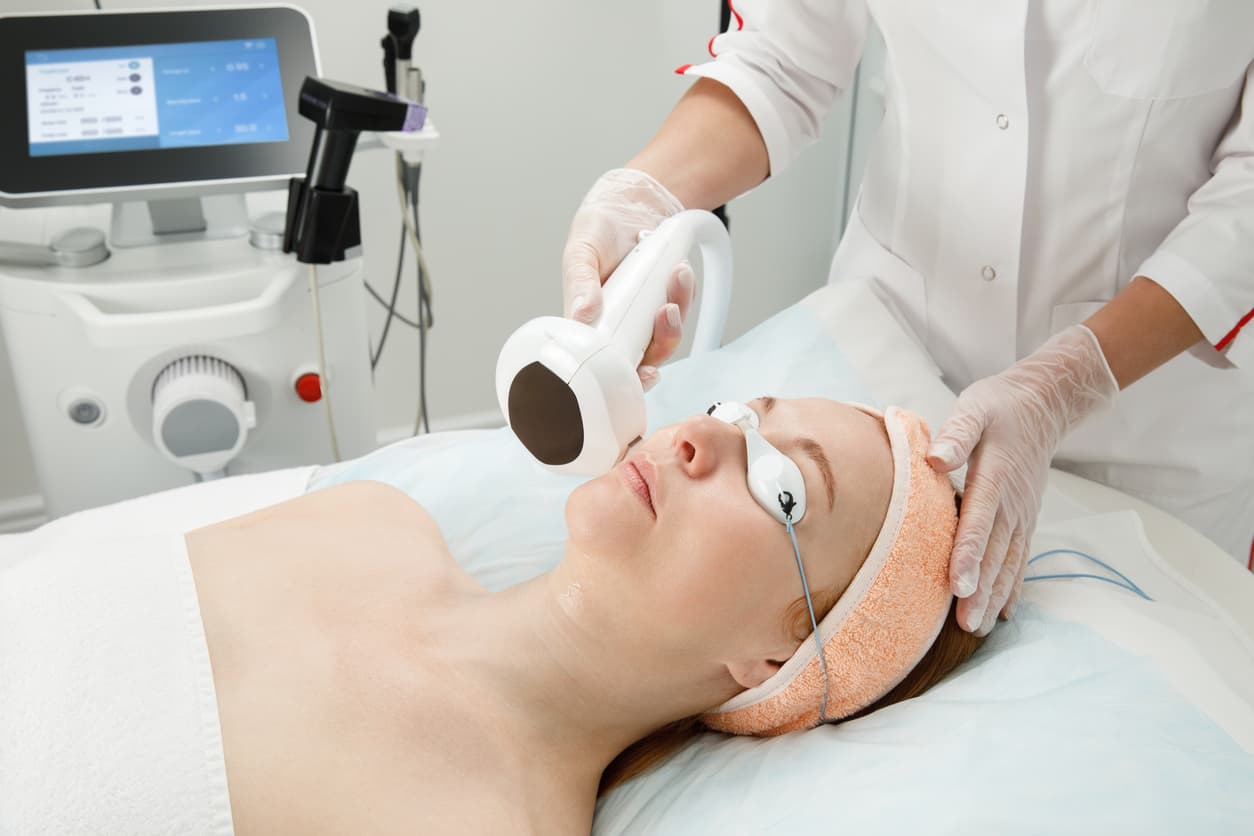
Skin laser resurfacing is a highly effective procedure for treating wrinkles, sun damage, acne scars, and uneven skin tone. It works by using concentrated beams of light to remove damaged outer skin layers while stimulating collagen production in deeper layers.
There are two main types: ablative (more intensive, longer downtime) and non-ablative (less invasive, quicker recovery). Fractional lasers, a modern advancement, treat microscopic sections of skin, promoting faster healing.
This procedure is ideal for patients seeking significant improvement in skin texture and firmness. While recovery times vary, results can be long-lasting and dramatic when performed by experienced professionals.
Dermal Fillers
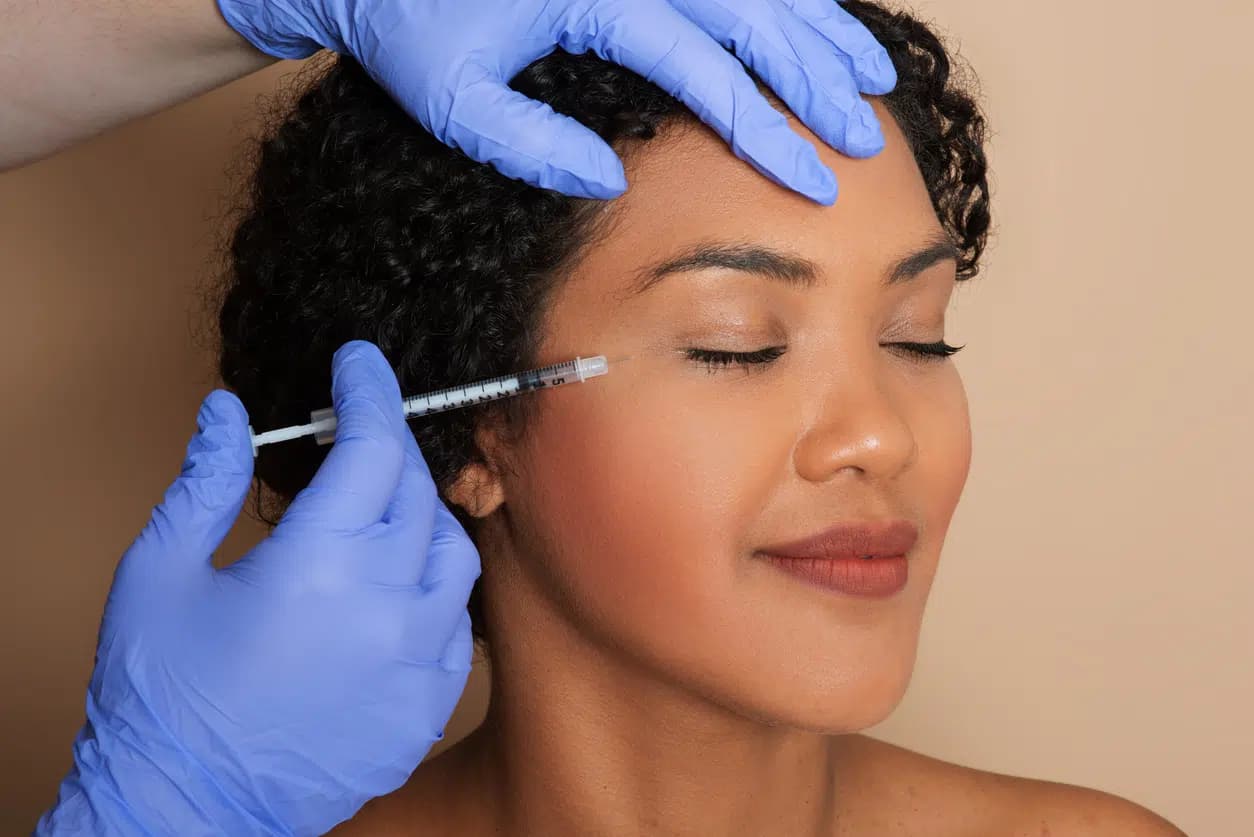
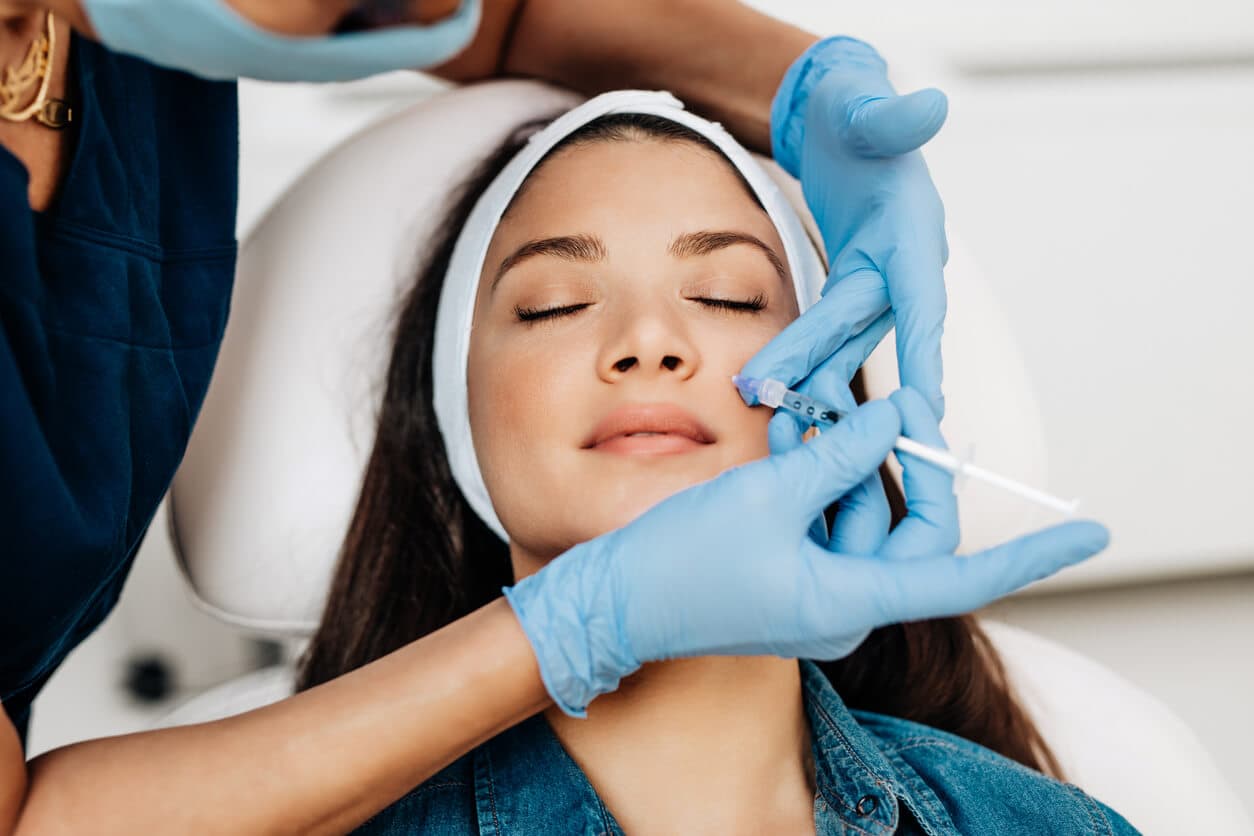
Dermal fillers are injectable substances used to restore lost volume, smooth wrinkles, and enhance facial contours. The most common fillers are based on hyaluronic acid, a naturally occurring substance in the body that retains moisture and adds plumpness.
Fillers are commonly used in areas such as the cheeks, lips, nasolabial folds, and under-eye hollows. The procedure is minimally invasive, with immediate results and little to no downtime.
For medical tourists, dermal fillers offer a quick and effective solution for facial rejuvenation without surgery. Results typically last from 6 months to 2 years, depending on the type of filler used.
Botox (Botulinum Toxin Injections)
Botox is one of the most widely performed anti-aging treatments worldwide. It works by temporarily relaxing facial muscles that cause dynamic wrinkles, such as frown lines, forehead lines, and crow’s feet.
The treatment involves a series of small injections and typically takes less than 30 minutes. Results become noticeable within a few days and last about 3 to 6 months.
Botox is ideal for patients looking to prevent or reduce expression lines. It is often combined with other treatments, such as fillers or skincare, for a more comprehensive anti-aging approach.
Chemical Peels
Chemical peels involve applying a solution to the skin that exfoliates and eventually peels off, revealing smoother, more youthful skin underneath. They are used to treat fine lines, acne scars, pigmentation, and uneven texture.
Peels vary in strength—superficial, medium, and deep—depending on the desired results and downtime. Light peels require minimal recovery, while deeper peels provide more dramatic results but involve longer healing periods.
For international patients, chemical peels are a cost-effective option that can significantly enhance skin clarity and radiance.
Microneedling with PRP (Platelet-Rich Plasma) Therapy
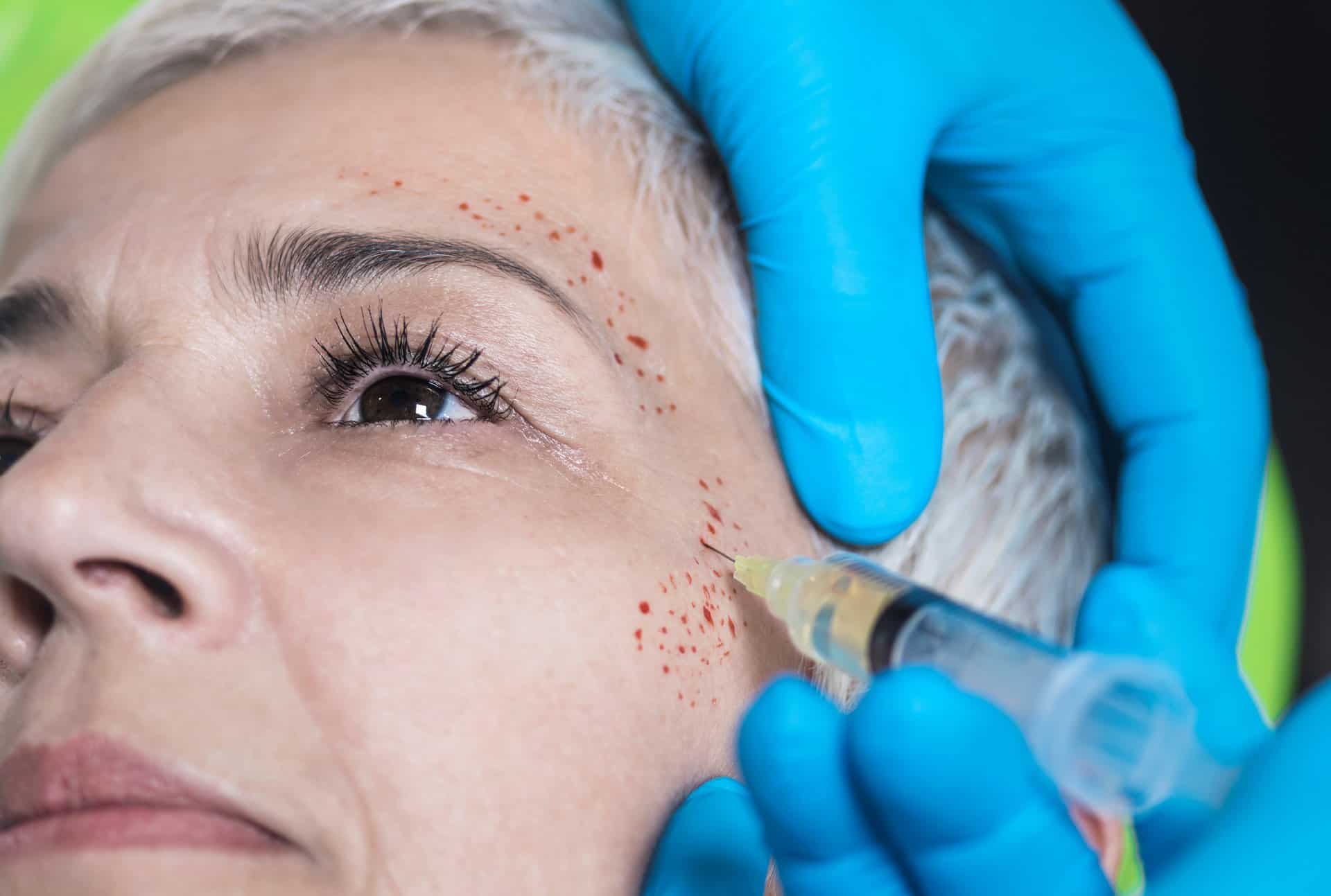
Microneedling and PRP (Platelet-Rich Plasma) therapy are two highly effective, minimally invasive anti-aging treatments that are often used individually or in combination to achieve enhanced skin rejuvenation.
Microneedling, also known as collagen induction therapy, involves the use of fine needles to create controlled micro-injuries in the skin. This process activates the body’s natural healing response, stimulating the production of collagen and elastin.
PRP therapy, commonly referred to as the “vampire facial,” complements microneedling by using the patient’s own blood to promote deeper skin regeneration. After a small blood sample is drawn, it is processed to extract platelet-rich plasma, which is rich in growth factors. This concentrated plasma is then applied or injected into the skin, accelerating tissue repair, improving skin tone, and boosting overall radiance.
When combined with microneedling, PRP can significantly amplify results by delivering these growth factors directly into the microchannels created during the procedure. This natural, non-synthetic approach is particularly appealing to patients seeking effective treatments with minimal risk of allergic reactions.
Conclusion
Anti-aging treatments today offer more choices than ever, ranging from simple skincare routines to advanced non-surgical procedures. The best approach to anti-aging is often a combination of therapies tailored to individual needs. Skincare forms the foundation, while procedures like laser resurfacing, fillers, Botox, and PRP deliver targeted results.
Read More