

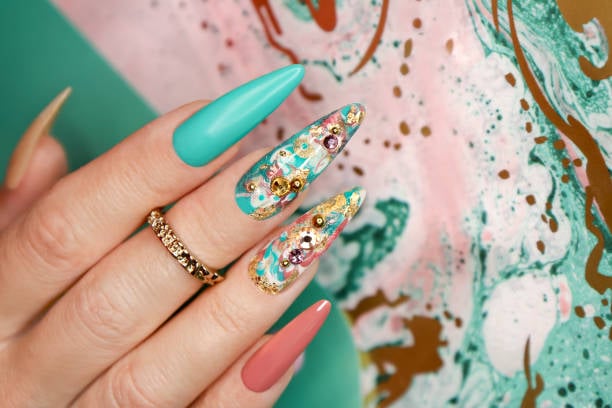
Nail lamination and gel are two popular nail-enhancing options with different goals and finishes. Nail lamination uses keratin or protein treatments to smooth, nourish, and seal the natural nail for a glossy, lightweight look that preserves flexibility. Gel involves cured polymer layers that create a thicker, more durable, chip-resistant finish and allow for sculpting or long-lasting color.
What is Nail Lamination?
Nail lamination is a restorative nail-care treatment that smooths, strengthens, and enhances the natural nail plate without using extensions or heavy overlays; it typically involves applying a keratin- or protein-rich solution that penetrates and fills micro-ridges and surface imperfections, then using gentle heat or sealing techniques to lock the formula into the nail for a glossy, uniform finish. The goal is to reconstruct the keratin structure of weakened or layered nails, restore flexibility, and create a sleeker, more resilient nail surface that looks polished and healthy for several weeks. Unlike acrylics or thick builder gels, lamination preserves the nail’s natural movement while providing visible improvement in texture and shine, and it is often recommended after extensive wear from gels or physical damage. The procedure can be performed in salons or as a professional-grade at-home treatment using specialized products and tools; removal is usually gentler than scraping off enhancements but should follow manufacturer or technician instructions to avoid disruption of the nail plate. Nail lamination suits people seeking a lightweight, nourishing alternative to traditional overlays while prioritizing natural nail health.
What is Gel Manicure?
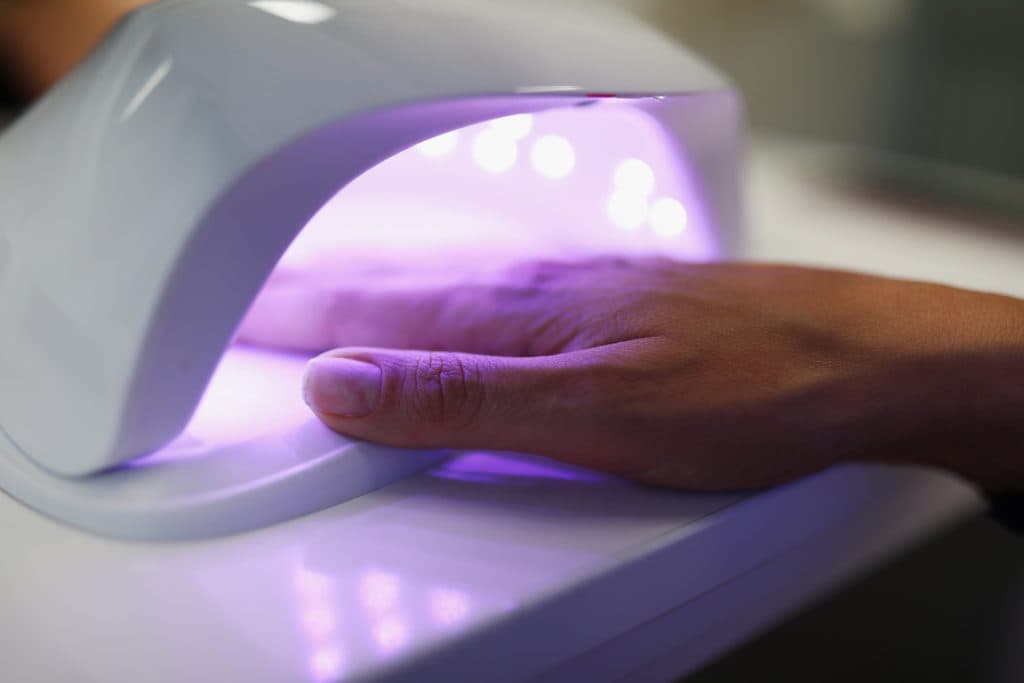
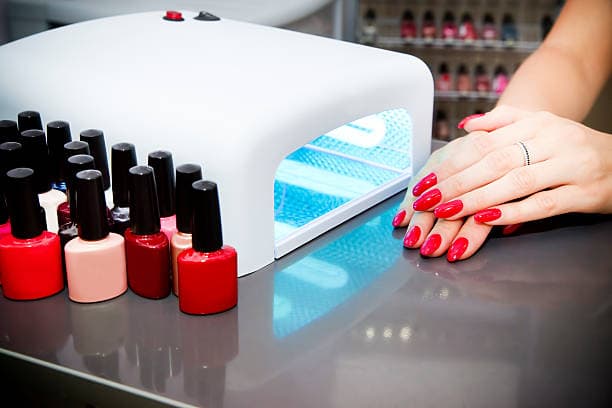
A gel manicure is a long-lasting nail treatment that uses pigmented or clear gel formulas cured under an LED or UV lamp to create a hard, glossy finish that resists chipping and retains color for up to two to three weeks. Unlike traditional polish that air-dries, gel polish is applied in thin layers—base coat, color, and top coat—and each layer is cured to lock in durability and shine, producing a more resilient surface that can withstand daily wear. Gel systems range from soft gels that flex with the natural nail to harder builder gels used for overlays or light sculpting; they allow for detailed nail art and maintain a salon-fresh look longer than regular polish. Proper application and removal are important: the nail must be prepared and dehydrated for adhesion, and removal should avoid forceful peeling to prevent damage to the nail plate. Many people choose gel manicures for their convenience and longevity, while technicians may recommend periodic breaks or strengthening treatments to support natural nail health between services.
What are the benefits of Nail Lamination?
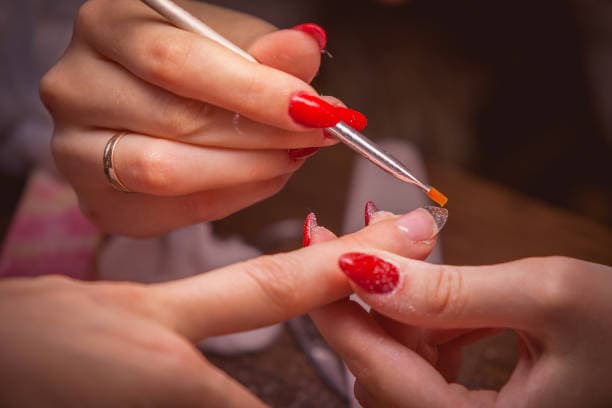
Nail lamination offers a blend of cosmetic and restorative benefits that improve the appearance, strength, and resilience of natural nails while preserving their flexibility. By infusing the nail plate with keratin- and protein-rich formulations, lamination fills micro-ridges, smooths surface imperfections, and creates a uniform, glossy finish that reduces the need for heavy overlays or extensions. The treatment helps protect weakened or brittle nails from mechanical stress and environmental damage, encourages healthier growth by sealing in moisture and nutrients, and can reduce peeling and splitting when performed correctly. Because lamination is lightweight compared with acrylics or thick builder gels, it maintains more of the nail’s natural movement and feels more comfortable for clients who prefer a subtle enhancement. The procedure also provides an immediate visual improvement—nails look smoother, shinier, and more polished without color—making it a good option for those recovering from long-term gel or acrylic wear. With proper application and professional removal, lamination can be a sustainable part of a nail-care routine, complementing strengthening treatments and promoting long-term nail health.
What are the benefits of Gel Manicure?
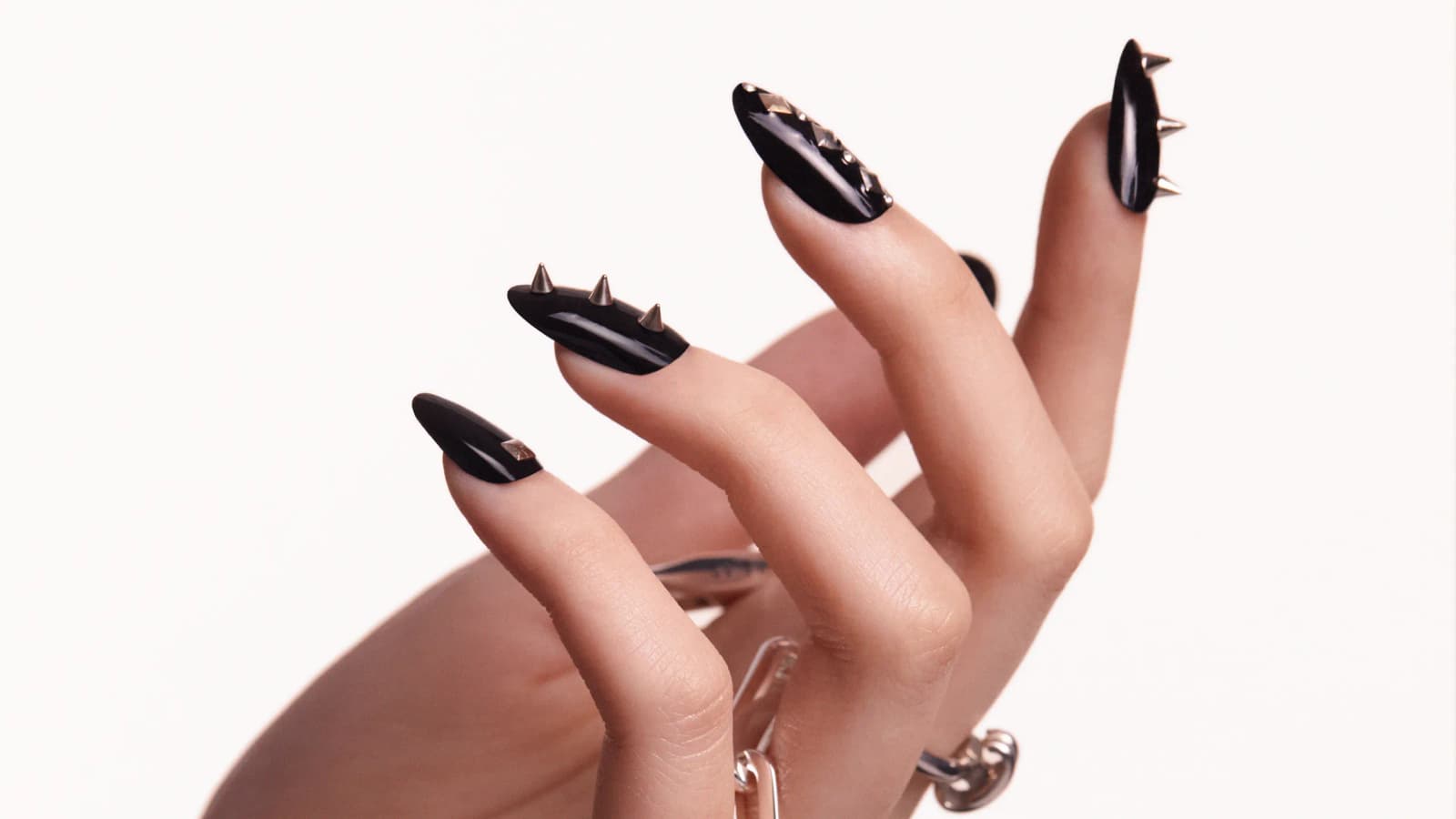
A gel manicure delivers several practical and aesthetic advantages that make it a popular choice for people seeking durable, high-shine nails: the cured gel formula produces a hard, chip-resistant surface that typically lasts two to three weeks, reducing the need for frequent touch-ups and keeping nails looking freshly finished for longer than traditional polish; the glossy cured finish enhances color intensity and maintains shine without daily top-up maintenance; gel systems also allow for thin, precise layering—base, color, and top coat—that can strengthen and protect the natural nail while accommodating detailed nail art and overlays; because each layer is cured under an LED or UV lamp, drying time is essentially eliminated, preventing smudging and enabling immediate use of hands; gel options include flexible soft gels and firmer builder gels, so technicians can tailor treatments for strengthening, light sculpting, or length retention; when applied and removed correctly by a trained professional, gels minimize lifting and prolong manicure life; many users appreciate the convenience, consistent salon finish, and resilience against everyday wear that gel manicures provide.
How long does Nail Lamination last?
Nail lamination typically lasts between two and four weeks, depending on nail growth rate, lifestyle, and aftercare. The treatment fills micro-ridges and seals the nail plate with a keratin- or protein-rich overlay, creating a glossy, strengthened surface that resists everyday wear while preserving natural flexibility. As the natural nail grows, a visible gap will form near the cuticle, which is the main cue for touch-ups or reapplication; for many people this becomes noticeable around the three-week mark. Activities that expose nails to frequent water immersion, harsh detergents, or mechanical stress can shorten the visible life of lamination, while careful aftercare—regular use of cuticle oil, avoiding aggressive filing, and wearing gloves for household chores—helps maintain the finish. Unlike thick acrylic or builder-gel extensions, lamination is lightweight and designed to support nail health, so removal and reapplication are gentler when performed correctly, reducing cumulative damage and allowing clients to space treatments as needed. Technicians may recommend maintenance every two to four weeks for optimal appearance and nail health, or longer intervals if the client prefers occasional restorative treatments rather than continuous overlays.
How long does Gel Manicure last?
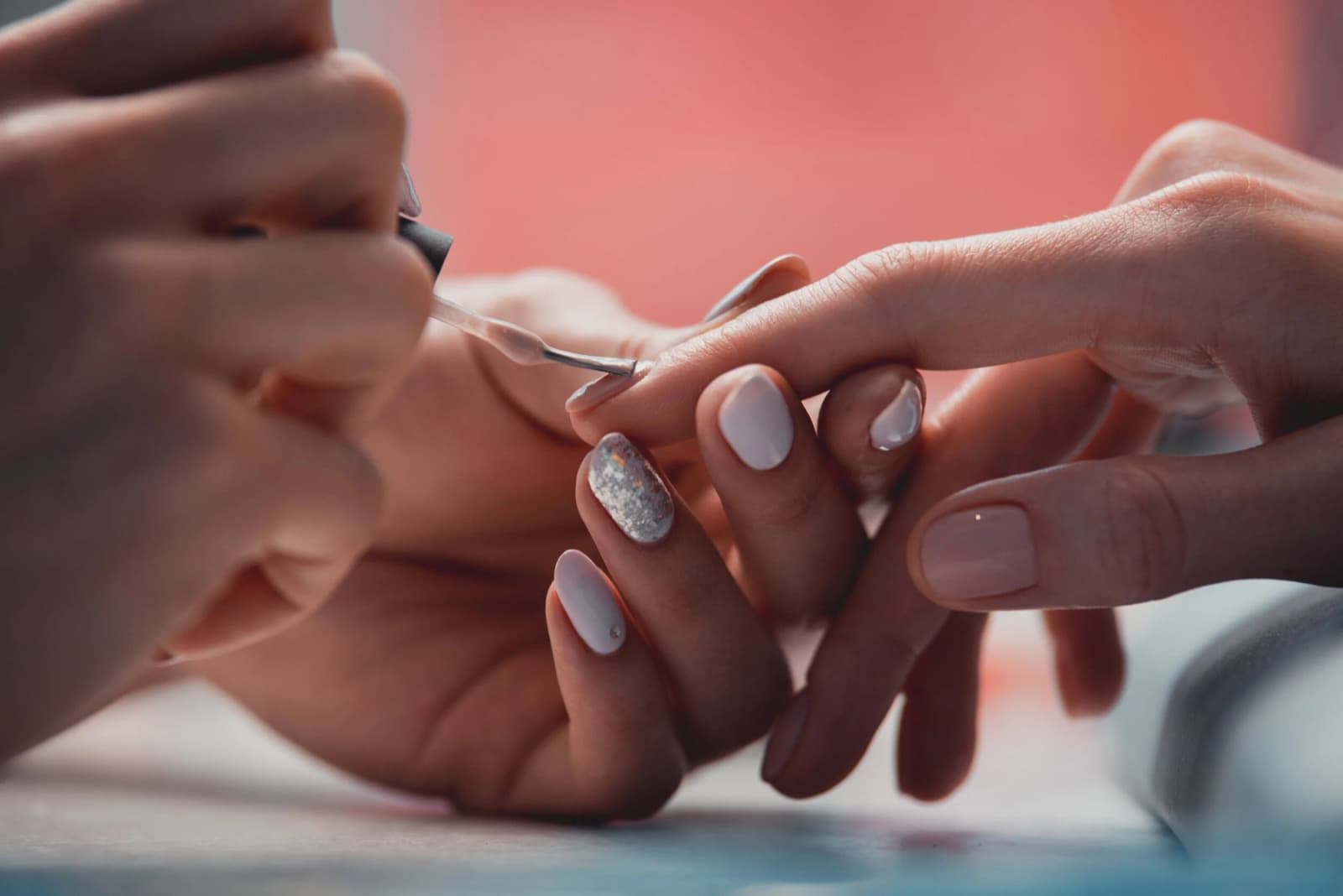
Gel manicures are prized for their durability, typically lasting about two to three weeks when applied and removed correctly, though actual wear time depends on factors like nail growth, application technique, product quality, and daily activities. Proper preparation—dehydrating the nail plate, precise thin layers of base, color, and top coat, and full curing under an LED or UV lamp—helps prevent lifting and chipping, while high-quality salon systems and experienced technicians generally deliver the longest-lasting results. Lifestyle factors such as frequent hand-washing, exposure to detergents or solvents, and mechanical stresses from typing or manual work shorten longevity, whereas careful aftercare—using cuticle oil, wearing gloves for chores, and avoiding picking—extends it. Some people see signs of wear or edge chipping after about ten days, while others enjoy a near-perfect finish for the full two to three weeks; dip powder and acrylics can outlast gels in some cases but require different maintenance. When a gel manicure begins to lift or the growth gap at the cuticle becomes visible, professional removal and reapplication preserve nail health, and periodic breaks are recommended to allow natural nails to recover.
Nail Lamination vs. Gel Manicure: which is better?
Choosing between nail lamination and a gel manicure depends on your priorities: nail health, appearance, durability, and maintenance. Nail lamination is a restorative, keratin- or protein-based treatment that fills ridges, smooths the natural nail plate, and seals in moisture to create a glossy, lightweight finish that preserves flexibility and supports nail recovery; it’s ideal if your nails are weak, peeling, or recovering from acrylics or frequent polish. Gel manicures use cured polymer layers to deliver durable, chip-resistant color and structural overlays that last longer and allow for detailed art or light sculpting; they’re better when you want long-lasting polish, strong protection, or length retention. Lamination offers a more natural feel and gentler removal, reducing cumulative damage, while gel provides superior longevity and a consistently glossy look but requires careful removal to avoid thinning the nail. Lifestyle matters: frequent handwashing, chores, or manual work may favor gel for its toughness, while those prioritizing nail rehabilitation or a subtle enhancement may prefer lamination. Both require professional application and proper aftercare—cuticle oil, gloves during chores, and scheduled maintenance—to maximize benefits and minimize harm. Ultimately, “better” is personal: choose lamination for restoration and naturalness, gel for durability and lasting cosmetic impact.

How is nail lamination vs. gel manicure removed?
Removing nail lamination and gel manicures involves distinct steps designed to protect the natural nail while eliminating the enhancement.
Gel manicures are removed by first gently filing the shiny top layer to break the seal, then soaking soaked cotton pads in acetone and placing them on each nail wrapped in foil for 10–20 minutes until the gel softens; technicians then use a wooden stick or soft pusher to lift off the loosened gel, finishing with a light buff and nourishing oil to restore moisture and reduce brittleness. Peeling or forceful scraping is avoided because it lifts layers of the natural nail.
Nail lamination removal is generally gentler: since lamination uses keratin- or protein-based sealants rather than fully cured polymer layers, technicians often soften the lamination with a specialized remover or a brief acetone soak, carefully abrading the surface with a fine buffer and using oil and gentle heat to help dissolve the treatment before polishing and treating the nail with strengthening serums; professional protocols prioritize minimal aggressive filing to prevent thinning of the nail plate.
Both removals benefit from professional handling, and follow-up care—cuticle oil, hydration, and occasional breaks between services—helps nails recover and maintain strength.

Conclusion
Nail lamination and gel each serve different needs: lamination prioritizes nail health by smoothing, nourishing, and preserving natural flexibility, making it ideal for recovery and a subtle, lightweight finish, while gel delivers long-lasting, chip-resistant color and structural strength suited to those seeking durability and elaborate styling. Both require professional application and careful removal to protect the nail plate, plus routine aftercare such as cuticle oil and occasional breaks to maintain long-term nail health.
Read More