

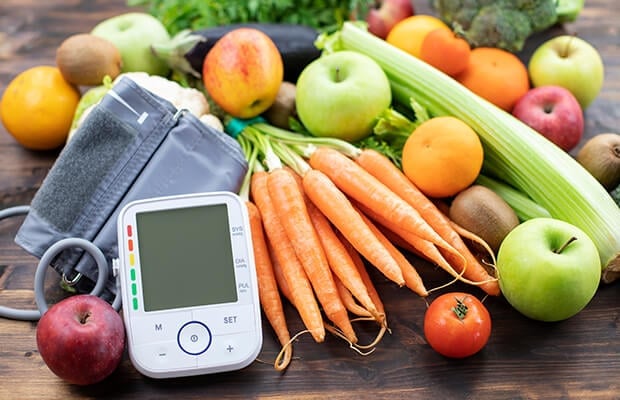
High blood pressure, also known as hypertension, is one of the most common chronic health conditions worldwide. While medications are widely used to control hypertension, many patients are increasingly interested in natural remedies that can complement or, in some cases, reduce the need for pharmaceutical treatments.
What Is High Blood Pressure?
Blood pressure measures the force of blood pushing against the walls of your arteries. It is recorded using two numbers:
Systolic pressure: The pressure when the heart beats
Diastolic pressure: The pressure when the heart rests between beats
A reading of 120/80 mmHg is considered normal, while readings consistently above 130/80 mmHg indicate hypertension.
Why Managing Blood Pressure Matters
Uncontrolled high blood pressure can damage blood vessels and organs over time. It increases the risk of:
Heart attack and heart failure
Stroke
Kidney disease
Vision problems
Cognitive decline
The good news is that lifestyle and natural interventions can play a powerful role in preventing and managing hypertension.
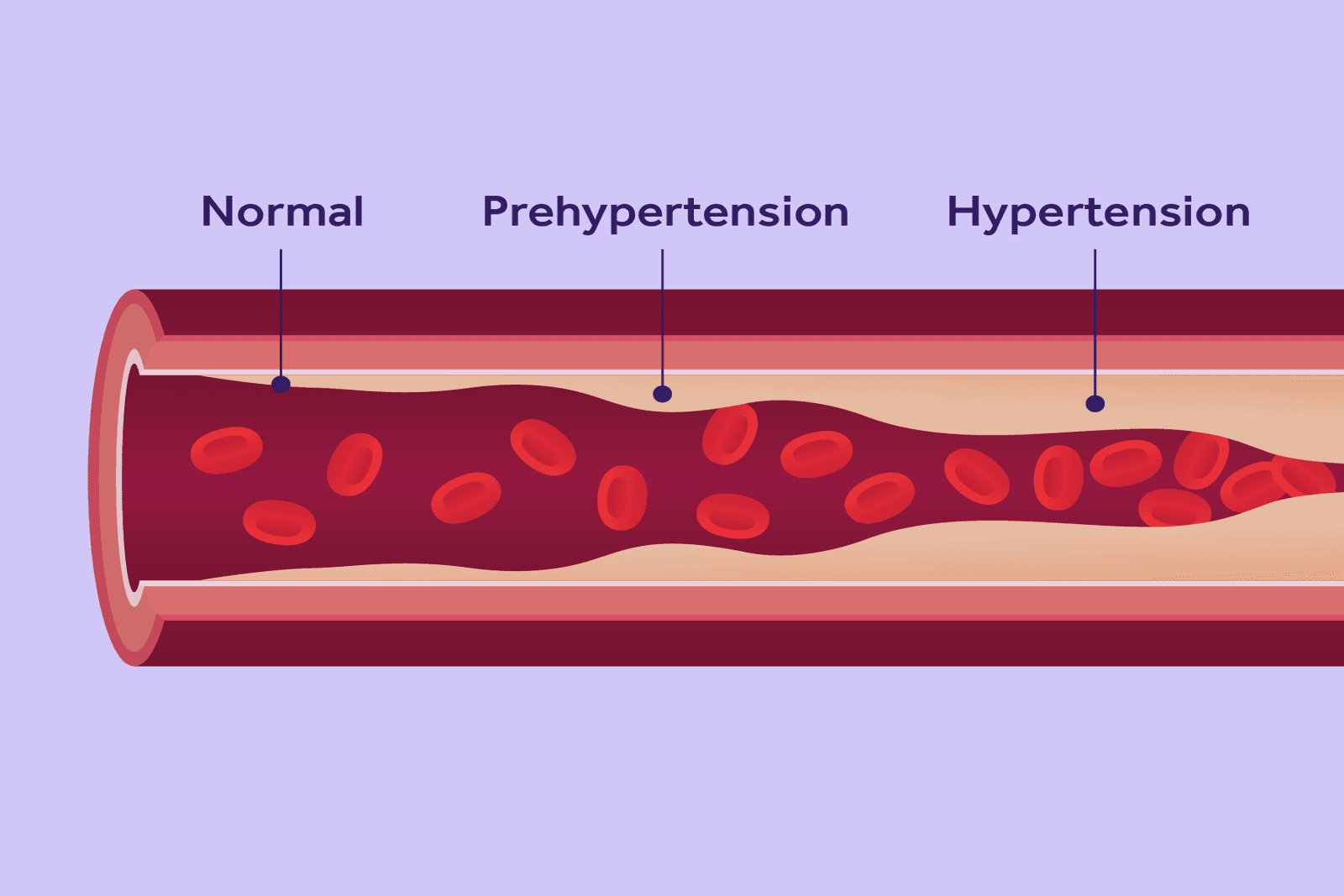
Effective Natural Remedies for High Blood Pressure
Natural remedies focus on improving overall cardiovascular health. These approaches are often recommended alongside medical supervision.
Dietary Changes
A healthy diet is one of the most effective natural ways to lower blood pressure. Key Dietary Strategies:
Reduce sodium intake: Excess salt causes the body to retain water, increasing blood pressure. Aim for less than 2,300 mg per day—or lower if advised.
Increase potassium intake: Potassium helps balance sodium levels. Foods rich in potassium include bananas, spinach, sweet potatoes, and avocados.
Adopt the DASH diet: The Dietary Approaches to Stop Hypertension (DASH) diet emphasizes fruits, vegetables, whole grains, and lean proteins.
Limit processed foods: These often contain hidden sodium and unhealthy fats.
A well-balanced diet not only lowers blood pressure but also improves overall health.
Regular Physical Activity
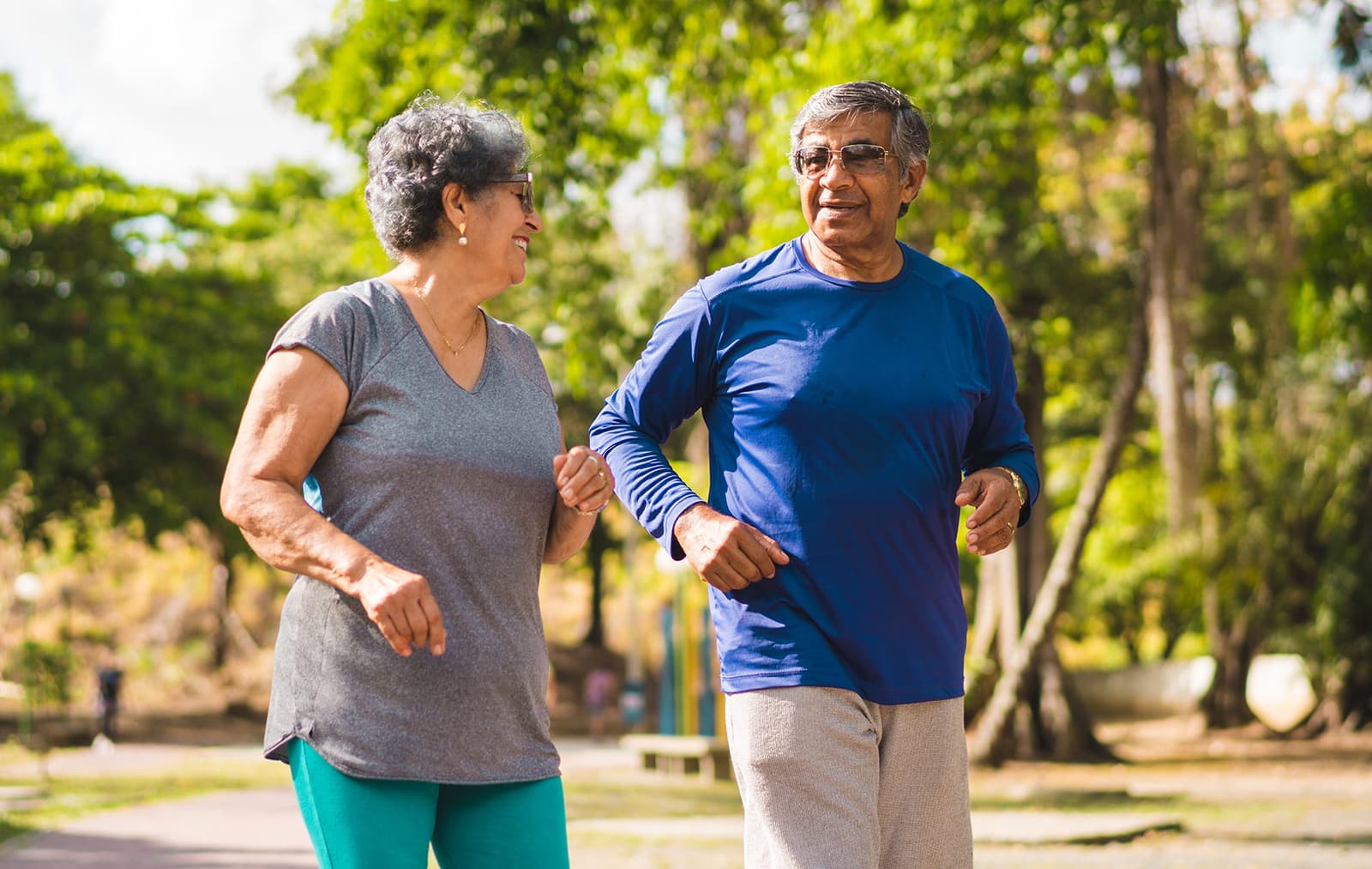
Exercise strengthens the heart, enabling it to pump blood more efficiently, which reduces pressure on the arteries. Recommended Activities:
Brisk walking (30 minutes daily)
Cycling or swimming
Yoga and stretching
Light strength training
Consistency is key. Even moderate physical activity can significantly reduce blood pressure over time.
Weight Management
Excess weight is a major risk factor for hypertension. Losing even a small amount of weight can lead to noticeable improvements.
A reduction of 5–10% of body weight can lower blood pressure
Waist circumference is particularly important—abdominal fat is closely linked to cardiovascular risk
Maintaining a healthy weight reduces strain on the heart and improves circulation.
Stress Reduction Techniques
Chronic stress contributes to elevated blood pressure. Managing stress is essential for long-term control.
Effective Stress-Relief Methods:
Meditation and mindfulness
Deep breathing exercises
Yoga and tai chi
Spending time in nature
Adequate sleep (7–9 hours per night)
Reducing stress not only benefits blood pressure but also enhances mental well-being.
Herbal and Natural Supplements
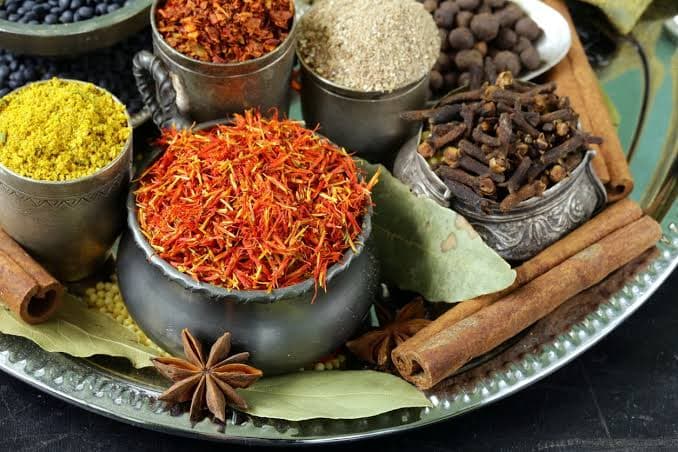
Certain natural supplements have shown potential in supporting healthy blood pressure levels. However, they should always be used under medical supervision. Common Natural Options:
Garlic: Known for its ability to relax blood vessels and improve circulation
Omega-3 fatty acids: Found in fish oil, they reduce inflammation and support heart health
Coenzyme Q10 (CoQ10): May help improve blood vessel function
Magnesium: Plays a role in regulating blood pressure
Hibiscus tea: Some studies suggest it can lower systolic blood pressure
It’s important to consult a healthcare provider before starting any supplement, especially if you are taking medications.
Limiting Alcohol and Caffeine
Excessive alcohol and caffeine consumption can raise blood pressure.
Limit alcohol to moderate levels (one drink per day for women, two for men)
Monitor caffeine intake, especially if you are sensitive to its effects
Quitting Smoking
Smoking damages blood vessels and raises blood pressure temporarily with each cigarette. Over time, it significantly increases cardiovascular risk. Quitting smoking:
Improves circulation
Lowers heart rate and blood pressure
Reduces risk of heart disease and stroke
This is one of the most impactful lifestyle changes for overall health.
Improving Sleep Quality
Poor sleep is strongly linked to hypertension. Conditions like sleep apnea can also contribute to elevated blood pressure. Tips for Better Sleep:
Maintain a consistent sleep schedule
Create a relaxing bedtime routine
Avoid screens before bedtime
Limit caffeine in the evening
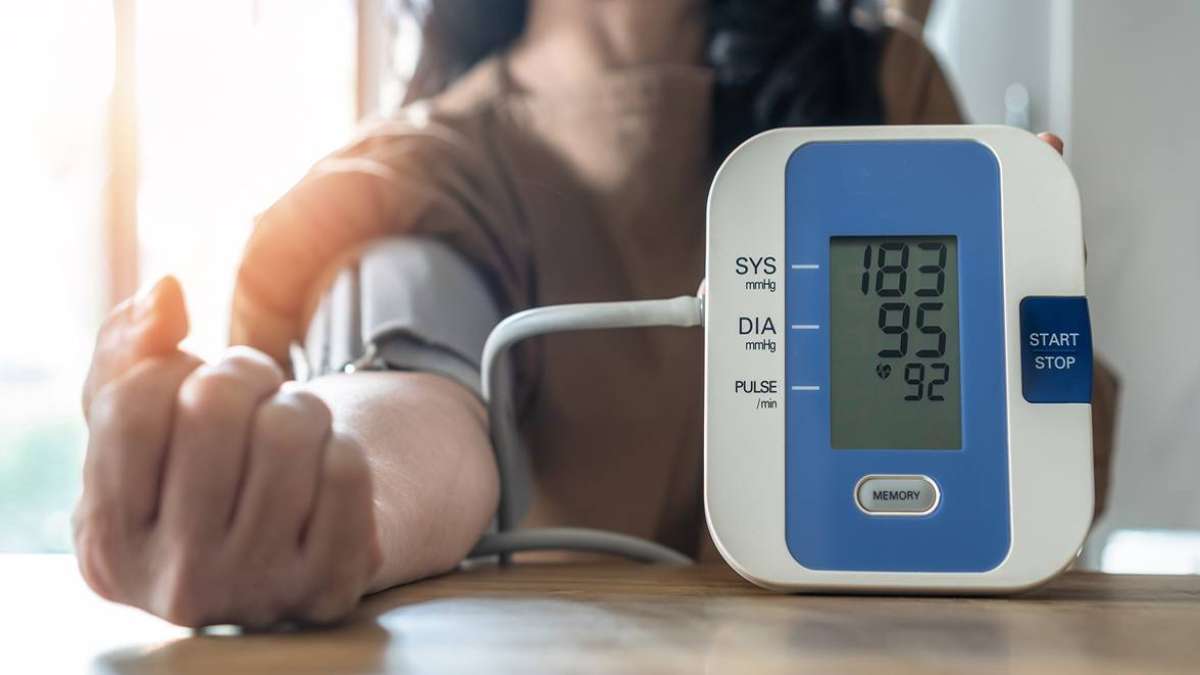
Monitoring Blood Pressure at Home
Regular monitoring helps track progress and identify patterns.
Use a reliable home blood pressure monitor
Measure at the same time each day
Keep a log to share with your healthcare provider
This proactive approach allows for better management and early intervention if needed.
When to Seek Medical Treatment
While natural remedies can be highly effective, they may not be sufficient for everyone. You should seek medical attention if:
Blood pressure remains consistently high despite lifestyle changes
You experience symptoms such as chest pain, severe headaches, or dizziness
You have underlying conditions like diabetes or heart disease
In many cases, a combination of medication and natural approaches provides the best results.
Conclusion
High blood pressure is a serious but manageable condition. Natural remedies—including dietary improvements, regular exercise, stress management, and lifestyle changes—can play a powerful role in controlling hypertension and reducing the risk of complications. By adopting a proactive approach and working closely with healthcare professionals, individuals can achieve better blood pressure control and improve their overall quality of life.
Read More