

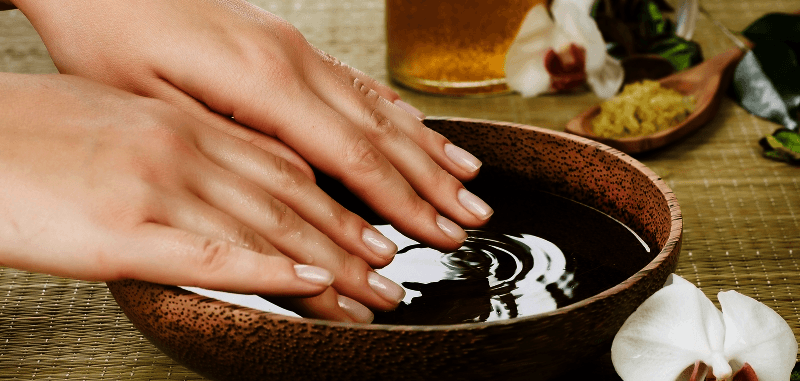
Paraffin wax treatment is a deep‑heat, topical therapy that uses melted paraffin combined with mineral or paraffin oil. Hot oil treatment for hair is a conditioning technique that uses warmed natural or cosmetic oils.
What is a Paraffin Wax Manicure?
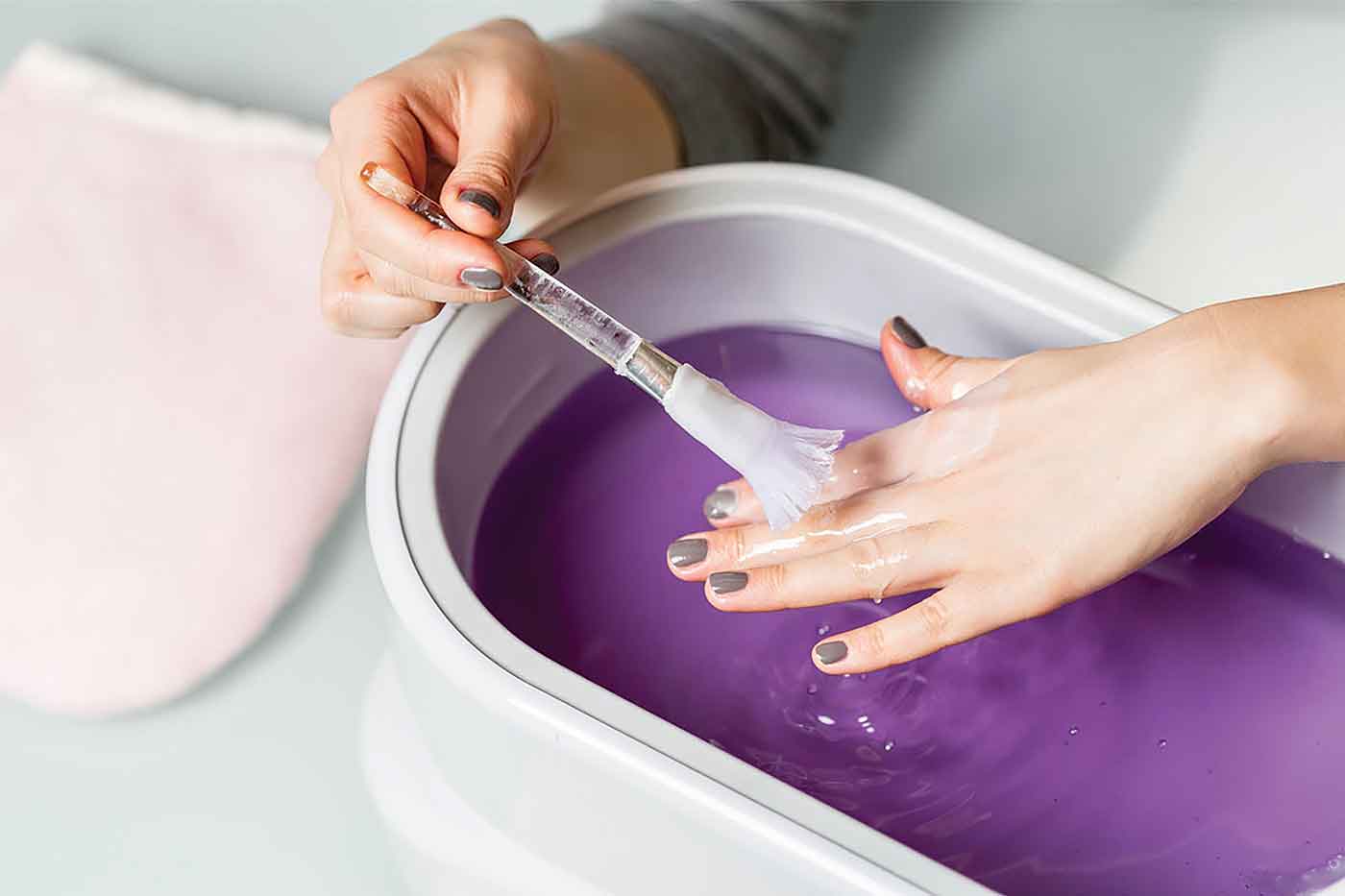
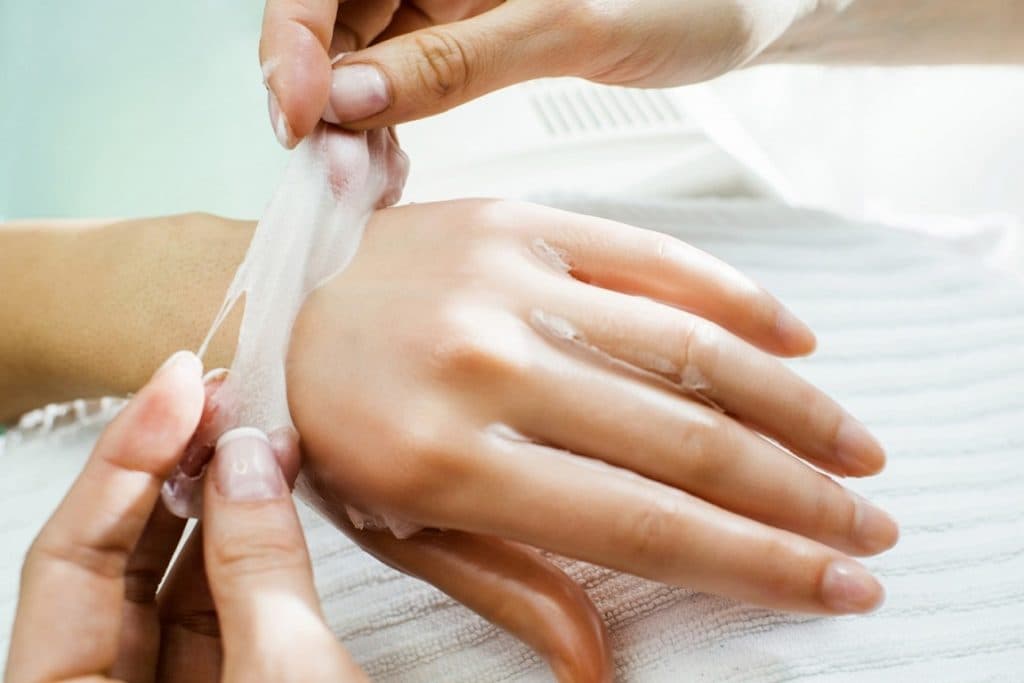
A paraffin wax manicure is a spa treatment that combines a traditional manicure with a warm paraffin wax therapy designed to deeply moisturize and soften the skin of the hands and strengthen the appearance of nails. During the service, hands are cleaned and often exfoliated, a nourishing oil or lotion may be applied, and then the technician dips or paints warm, melted paraffin over the hands in several layers so a protective wax coating forms; sometimes gloves or a plastic wrap and a towel are used to seal in heat while the wax cools and hardens. The gentle, sustained warmth helps open pores, increase local circulation, relieve stiffness in joints, and allow emollients to penetrate more effectively, leaving skin noticeably smoother and nails more conditioned. When the wax is peeled away it takes dead skin cells with it and leaves a hydrated, silky finish that can prolong the effects of the manicure and boost the results of cuticle care and polish. Contraindications include broken skin, infections, impaired sensation, or circulation issues, so technicians screen clients before treatment.
What is a Hot Oil Manicure?
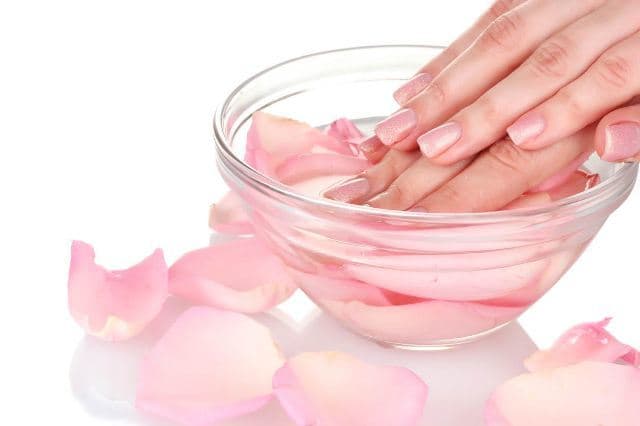
A hot oil manicure is a spa-style nail treatment that deeply conditions and nourishes the nails, cuticles, and surrounding skin by using gently warmed natural or cosmetic oils—commonly almond, jojoba, olive, coconut, or specialized blends—applied by soaking or massage; the warmth helps oils penetrate the nail plate and skin more effectively than at room temperature, delivering lipids, vitamins, and moisture that reduce brittleness, soften cuticles, and improve flexibility of the nail plate. The service typically begins with cleansing and light exfoliation, followed by a brief warm-oil soak or targeted oil application and a relaxing massage to boost circulation and encourage absorption; after the oil treatment, excess oil is removed, cuticles are tended, nails are shaped, and optional polish is applied. Hot oil manicures are particularly beneficial for dry, cracked cuticles, weak or peeling nails, and clients seeking a restorative, low-chemical alternative to standard manicures; precautions include avoiding overheated oil to prevent burns and screening for allergies or open skin conditions prior to treatment. The result is softer skin, healthier-looking nails, and improved manageability that supports longer-term nail health.
What are the benefits of Paraffin Wax Manicure?
A paraffin wax manicure delivers deep, long-lasting moisturization by enveloping the hands in warm, melted wax that seals emollients into the skin and softens rough, dry areas; the heat opens pores and increases local blood flow, which helps lotions penetrate more effectively and leaves skin noticeably smoother and more supple. The thermal effect also relaxes muscles and eases joint stiffness and mild arthritic discomfort, making the treatment both cosmetic and therapeutic. As the wax cools and is removed, it gently exfoliates dead skin cells, improving texture and enhancing the appearance of cuticles and nail beds while reducing flakiness and cracking. For salons and home users it’s a quick way to boost the results of a standard manicure, prolong polish wear by hydrating the surrounding skin, and provide an indulgent sensory experience that many clients describe as calming and restorative. When combined with oils or additives such as vitamin E or essential oils, paraffin treatments can deliver additional conditioning and a subtle improvement in skin elasticity; however, screening for open wounds, infections, reduced sensation, or poor circulation is important to avoid adverse effects.
What are the benefits of Hot Oil Manicure?
A hot oil manicure is a nourishing spa treatment that delivers concentrated hydration and strengthening benefits to the nails, cuticles, and surrounding skin by using gently warmed oils such as jojoba, almond, olive, or coconut; the heat helps open pores and increases oil penetration so lipids, vitamins, and antioxidants are absorbed more effectively, which softens cuticles, reduces cracking, and restores pliability to brittle nails. Regular hot oil treatments improve nail flexibility and reduce splitting and peeling by replenishing natural oils lost through washing, polishing, and environmental exposure, while the massage component boosts local circulation to support healthier nail growth and relieve tension in the hands. The treatment also soothes dry, flaky skin and can calm minor irritation or tightness around the nail folds, making cuticle maintenance easier and reducing the need for aggressive trimming. For people with chronically dry or damaged nails, hot oil manicures serve as a restorative complement to a regular nail-care routine and can extend the life and appearance of polish by creating a well-conditioned base; precautions include testing oil temperature, screening for allergies, and avoiding use on open wounds or active infections.
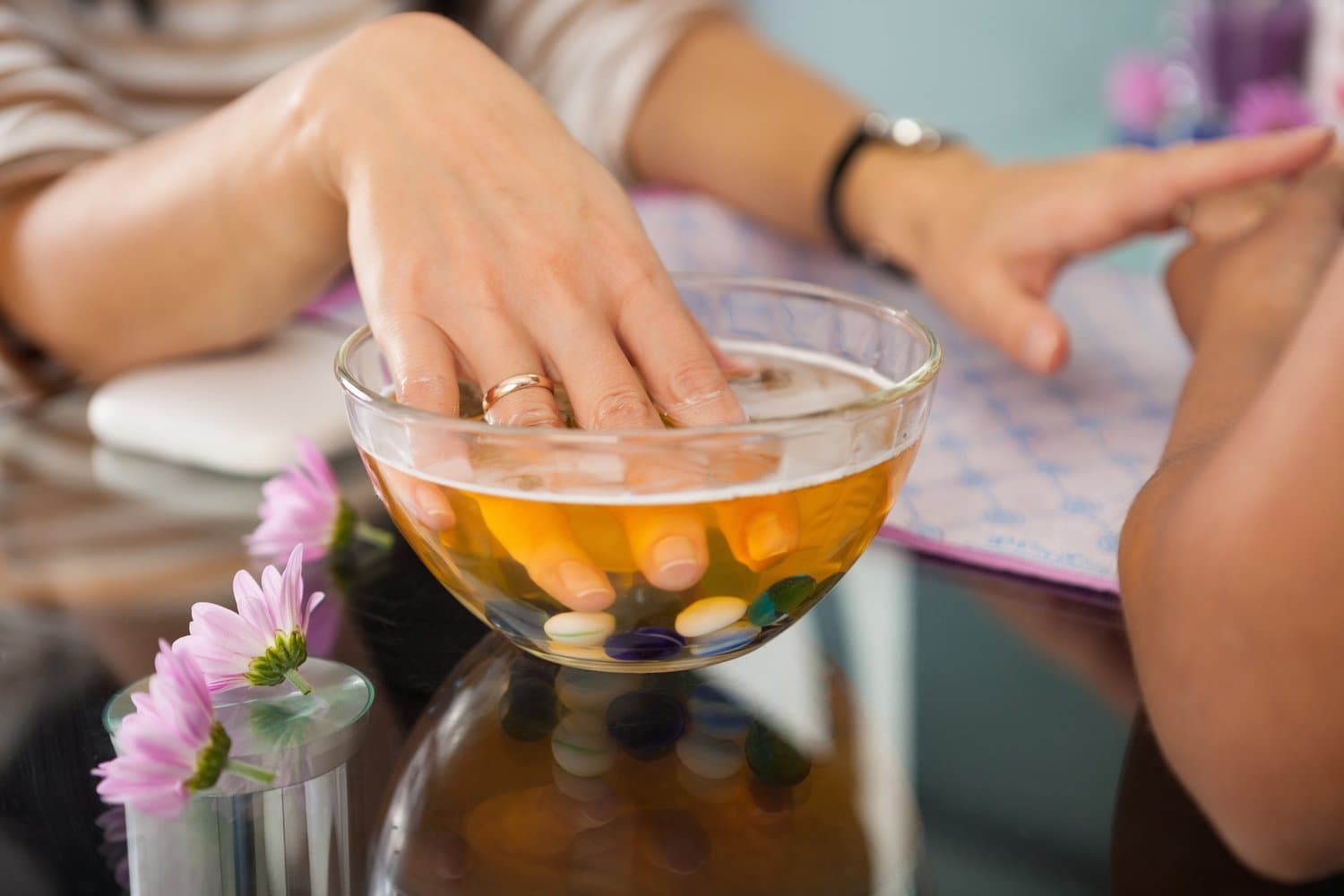
Paraffin Wax or Hot Oil Treatment: which is the best choice?
Choosing between a paraffin wax treatment and a hot oil treatment depends on goals, skin or nail condition, and safety considerations: paraffin wax is ideal when deep, uniform heat and intensive surface hydration are the priority because the warm wax forms an insulating layer that increases circulation, relaxes stiff joints, softens thick, dry skin, and seals emollients into the epidermis—making it excellent for hands and feet with rough callusing or mild arthritic discomfort; hot oil treatments excel when the aim is nourishing and strengthening nails, cuticles, and hairlike skin around the nails, since warmed plant or cosmetic oils penetrate the nail plate and surrounding tissues to replenish lipids, reduce splitting, and soften cuticles without the heavy coating paraffin leaves behind. Contraindications shift the decision: avoid paraffin if there are open wounds, circulation problems, diabetes, or reduced sensation, and avoid hot oil if the client has oil sensitivities or an active scalp/nail infection. Practically, paraffin gives a tactile, spa-like warming experience and stronger short-term softening, while hot oil offers targeted conditioning and easier cleanup. For chronic dry, callused skin or thermal therapeutic benefit choose paraffin; for restoring brittle nails and cuticles or a lighter conditioning option choose hot oil.
Conclusion
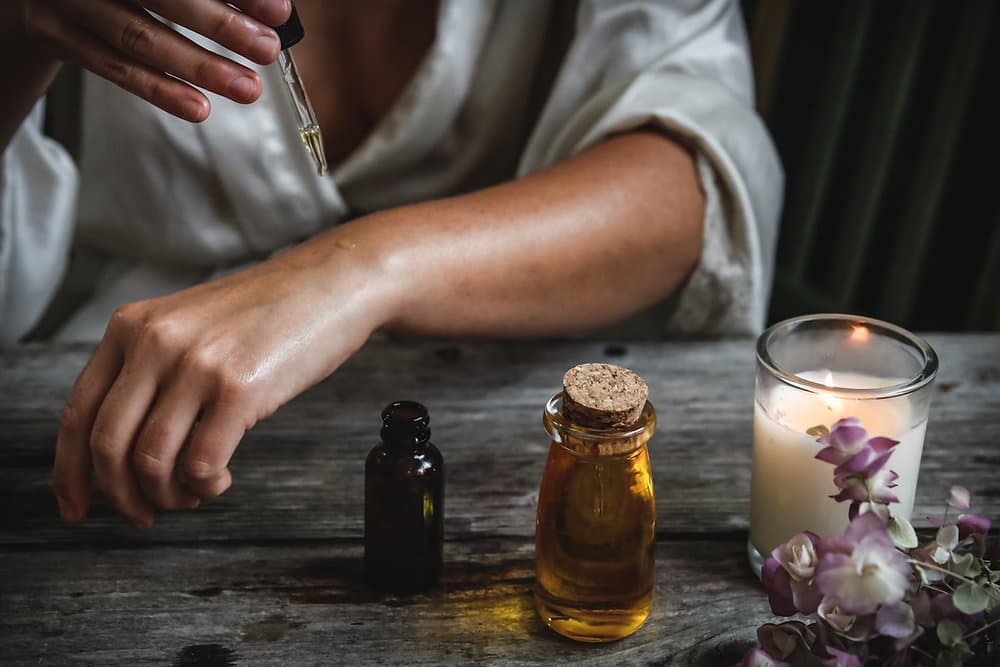
Paraffin wax and hot oil treatments each offer clear, complementary benefits: paraffin provides warming, intensive surface hydration and gentle exfoliation ideal for dry, callused skin and mild joint stiffness, while hot oil delivers targeted nourishment that strengthens nails and softens cuticles without heavy residue. Choice should be guided by the client’s goals, skin and circulation status, and any contraindications—use paraffin when thermal therapy and broad skin softening are wanted, and choose hot oil for restoring brittle nails and delicate cuticle care. Both treatments can be part of a thoughtful salon routine when temperature, product quality, and client screening are prioritized to maximize results and safety.
Read More