


Eye color change surgery refers to procedures that permanently or semi‑permanently alter the appearance of the iris; these techniques are experimental, carry significant vision risks, and are widely discouraged by eye specialists.
What is an eye color change surgery?
Eye color change surgery refers to surgical or laser procedures intended to change the apparent color of the iris for cosmetic reasons. Common approaches include iris implant surgery (placing a synthetic iris device inside the eye), laser depigmentation (using lasers to remove or reduce iris melanin to reveal a lighter hue), and keratopigmentation (depositing pigment in the cornea to change perceived color). These techniques are not standard ophthalmic care and are considered experimental in many settings because of limited safety data and growing reports of serious complications. For people seeking a different eye color without surgical risk, professionally fitted colored contact lenses are the safest reversible option and allow realistic previewing of a new color. Anyone considering permanent or experimental eye procedures should consult a board‑certified ophthalmologist for a thorough risk assessment and second opinion; many eye specialists advise against cosmetic iris implants and similar surgeries.
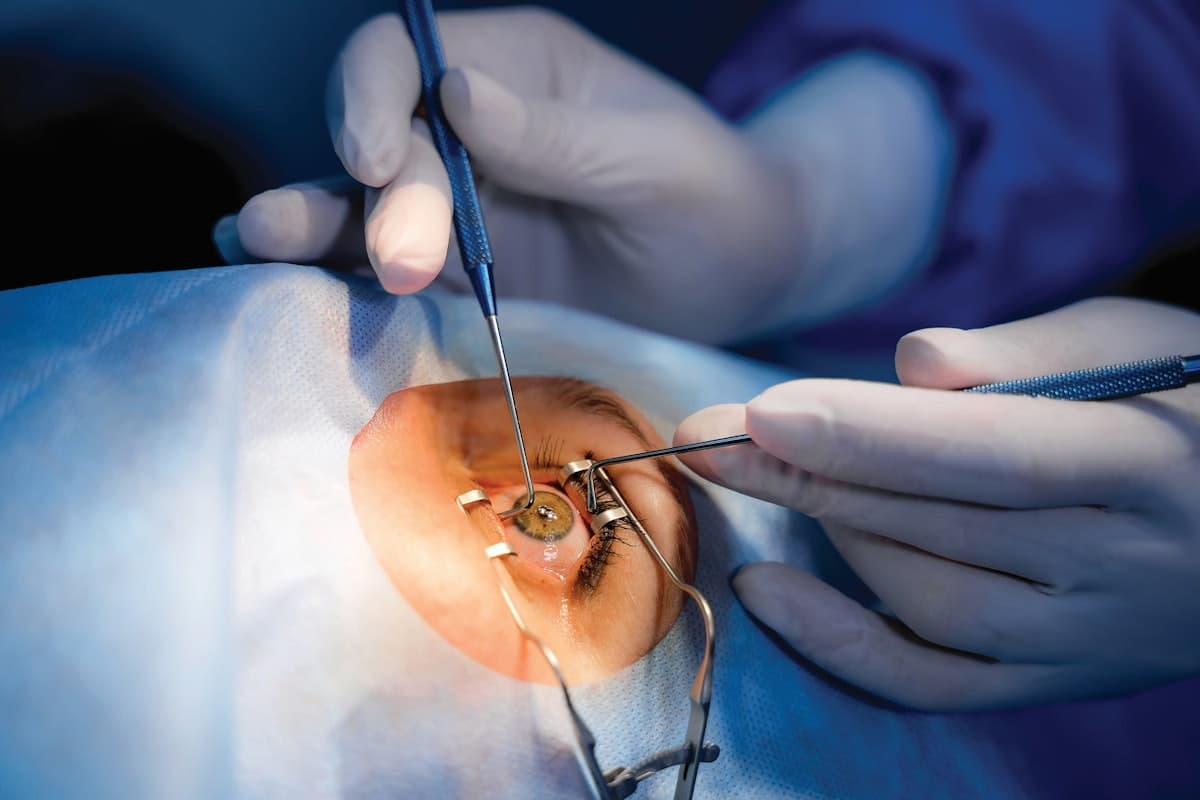
Procedures to change eye color
Eye‑color change techniques fall into three main categories: iris implant surgery, which inserts a synthetic colored diaphragm into the anterior chamber to mask the natural iris; laser depigmentation, which uses focused laser energy to reduce iris melanin and attempt to reveal a lighter hue; and keratopigmentation (corneal tattooing), which deposits pigment into corneal tissue to change the eye’s apparent color.
Iris implants can produce dramatic cosmetic results but have been repeatedly associated with severe complications—chronic inflammation, corneal endothelial damage, secondary glaucoma, cataract formation, and even permanent vision loss—leading major ophthalmology bodies to warn against cosmetic use except for medically indicated iris reconstruction.
Laser depigmentation is promoted as a less invasive route to lighten brown irides, yet it risks unpredictable pigment removal, inflammation, damage to intraocular structures, and reports of laser‑induced retinal or macular injury have raised safety concerns among clinicians.
Keratopigmentation offers a surface‑based approach by implanting biocompatible pigments into the corneal stroma; while some centers report satisfactory cosmetic and therapeutic outcomes, the procedure still carries risks of corneal haze, infection, pigment migration, and long‑term corneal health issues that may require further surgery.
Across all methods, important points are that these procedures interact with delicate ocular anatomy, can compromise intraocular pressure regulation and corneal clarity, and may necessitate implant removal or multiple corrective operations if complications arise.

What are the dangers of eye color change surgery?
Eye‑color change procedures—most commonly iris implant surgery, laser depigmentation, and keratopigmentation—are marketed for cosmetic transformation but directly interfere with delicate ocular anatomy and physiology, creating a high potential for harm.
Iris implants place a synthetic diaphragm inside the anterior chamber and have been linked to chronic intraocular inflammation, damage to the corneal endothelium, secondary glaucoma from impaired drainage, cataract formation, and in some cases permanent vision loss, often requiring implant removal and multiple corrective surgeries.
Laser depigmentation aims to remove or reduce iris melanin to lighten brown eyes, but the procedure can produce unpredictable pigment release, intense inflammation, and collateral injury to intraocular tissues, with reports of pressure spikes and retinal or macular damage in some settings.
Keratopigmentation (corneal tattooing) alters perceived color by depositing pigment in the corneal stroma; while it avoids placing devices inside the eye, it still risks corneal haze, infection, pigment migration, chronic irritation, and long‑term compromise of corneal clarity that may necessitate further surgery or even corneal transplantation.
Across techniques, the presence of a foreign body or altered tissue can provoke persistent immune responses, complicate future ocular care, and make management of common eye diseases more difficult.

Conclusion
Eye color change surgery can produce dramatic cosmetic results but carries significant, sometimes irreversible risks to vision; most eye specialists strongly advise against cosmetic iris implants and experimental color‑change procedures and recommend safer alternatives first.
Read More