


Egg donation is a medical process in which a woman donates her eggs to help another person or couple conceive; it involves screening, hormonal stimulation to produce multiple eggs, a minimally invasive retrieval procedure, and legal and medical counseling to protect donors and recipients.
What is egg donation?
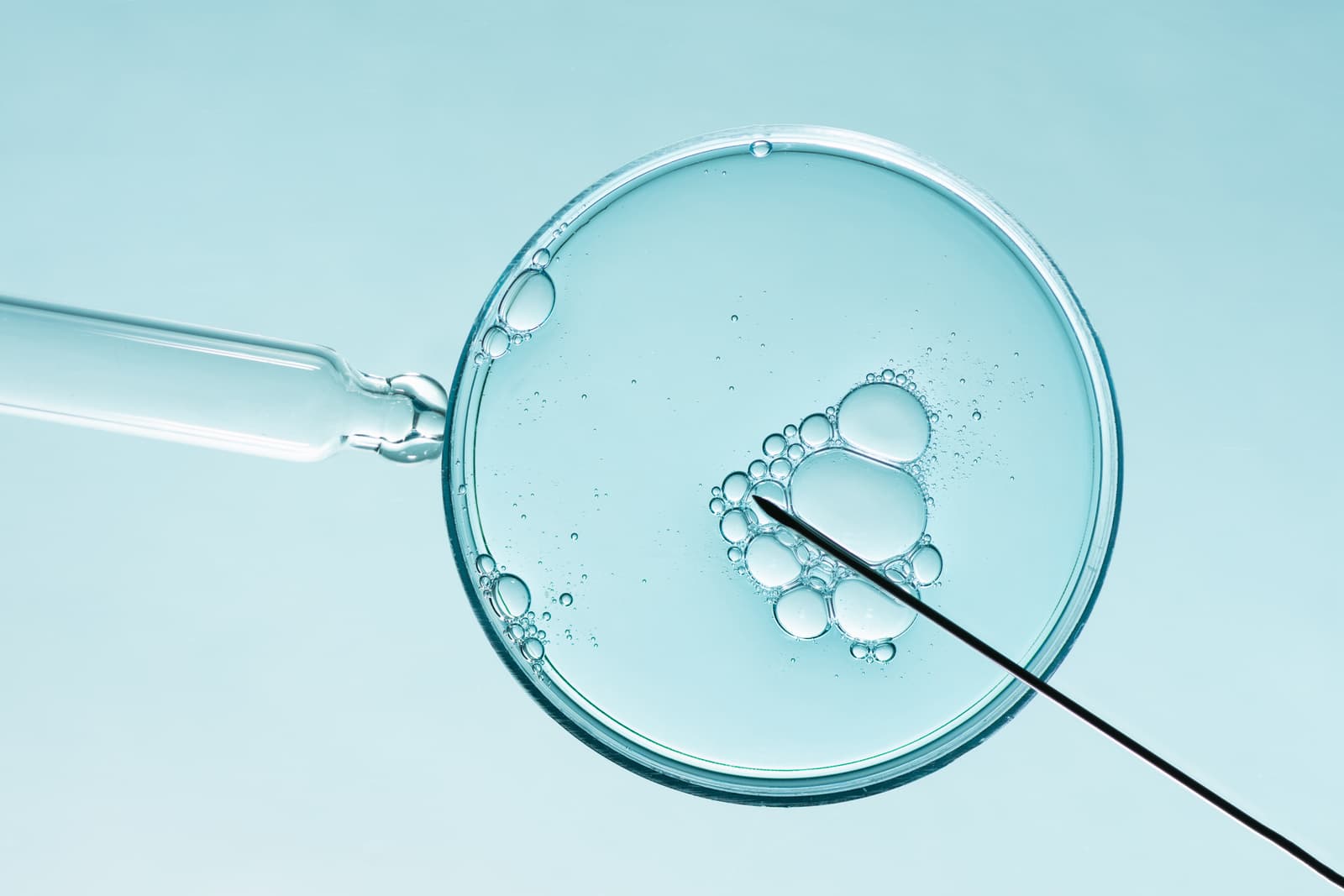
Egg donation begins with thorough medical, genetic, infectious‑disease, and psychological screening to ensure donor suitability and safety. Donors receive hormonal medications that stimulate the ovaries to produce multiple mature eggs in a single cycle; these eggs are then collected in a short outpatient procedure using ultrasound guidance and aspiration under sedation. Retrieved eggs may be fertilized with sperm in vitro and transferred to a recipient or gestational carrier, or they can be frozen for later use. Egg donation supports people with diminished ovarian reserve, premature ovarian failure, certain genetic risks, or same‑sex male couples seeking a genetic link via a gestational carrier. Programs vary in whether donors are anonymous or known, and matching can consider medical history, physical traits, and personal preferences. Donors face medical risks such as ovarian hyperstimulation syndrome, bleeding, infection, and short‑term hormonal side effects, and ethical, legal, and compensation issues differ by jurisdiction, so informed consent and legal counseling are essential.

Who can donate their eggs?
Egg donor programs set eligibility to protect donor health and maximize the chance of successful outcomes for recipients. Most clinics accept donors who are between about 19–31 years old, because egg quality and quantity decline with age; some programs narrow that window to 21–29 for optimal results. Prospective donors must be in good general health, non‑smokers, with a healthy body mass index and no chronic medical conditions that could affect ovarian response or pregnancy outcomes. Standard screening includes infectious disease testing, genetic carrier screening, detailed medical and reproductive history, and a psychological evaluation to ensure donors understand risks and implications. Many programs also require a minimum level of education or the ability to complete informed consent, and they review lifestyle factors such as substance use and medication history. Some clinics prefer donors with prior successful pregnancies, though many accept nulliparous donors if other criteria are met. Donor type choices—anonymous, open/known, or directed—affect matching and legal arrangements; jurisdictions vary on anonymity rules and required legal counseling. Agencies may exclude candidates with a family history of inheritable conditions, significant psychiatric illness, or prior ovarian surgery.

Who benefits from donated eggs?
Egg donation benefits a range of recipients by providing healthy, viable oocytes when a person’s own eggs are unavailable or unlikely to result in a healthy pregnancy. Women with diminished ovarian reserve or age‑related infertility often turn to donor eggs when their own egg quality or quantity is low; those with premature ovarian failure or surgical loss of ovarian function may also rely on donated oocytes. Donor eggs are a key option for people who carry heritable genetic conditions they do not wish to pass on, enabling conception without transmitting specific disorders. Same‑sex male couples and single men commonly use donor eggs together with a gestational carrier to build genetically related families. Donor eggs can also assist women who have undergone gonadotoxic cancer treatments or who have repeated IVF failures despite good uterine receptivity. Outcomes with donated eggs are often favorable because donors are typically young and thoroughly screened, which increases implantation and live‑birth rates compared with using older or compromised eggs. Recipients should consider medical, legal, and emotional aspects of donation, including matching preferences, anonymity rules, and counseling to support the family‑building process.

What are the possible side effects of donating your eggs?
Donating eggs can cause short‑term and rare but serious side effects, so informed consent and medical oversight are essential. Donors typically undergo ovarian stimulation with injectable hormones that commonly produce bloating, abdominal discomfort, mood changes, headaches, and breast tenderness, symptoms that usually resolve after the cycle; the egg retrieval is a brief outpatient procedure that can cause cramping, spotting, or transient pelvic pain and carries small risks of bleeding or infection. A more serious but uncommon complication is ovarian hyperstimulation syndrome (OHSS), which can cause significant abdominal swelling, rapid weight gain, nausea, and, rarely, blood clots or hospitalization; severe OHSS affects a small percentage of donors and is mitigated by careful monitoring and tailored medication protocols. Long‑term risks appear limited in current data, with no clear evidence linking donation to infertility or cancer, but research is ongoing and some clinics recommend tracking donors over time. Emotional and psychological effects—regret, unexpected feelings about genetic offspring, or stress—are also reported and underscore the value of pre‑donation counseling. Reputable programs minimize risks through thorough medical and genetic screening, ultrasound monitoring, experienced retrieval teams, and clear follow‑up plans, and prospective donors should ask about complication rates and aftercare before proceeding.

Are there benefits to donating your eggs?
Donating eggs can be emotionally rewarding because many donors report satisfaction from helping others build families and experiencing a sense of meaningful contribution; programs and donor testimonials frequently highlight this altruistic impact as a primary motivator. Donors also gain comprehensive medical screening—including infectious disease testing, genetic carrier screening, and reproductive health evaluations—which can provide useful personal health information and early detection of some conditions. For some donors the process fosters personal growth, increased body awareness, and strengthened decision‑making through counseling and informed consent steps.
Conclusion
Egg donation is a powerful and established reproductive option that responsibly connects willing donors with recipients who otherwise could not conceive using their own eggs. The process combines medical screening, controlled ovarian stimulation, minimally invasive retrieval, and laboratory fertilization or cryopreservation to maximize safety and success for both donors and recipients.
Read More