

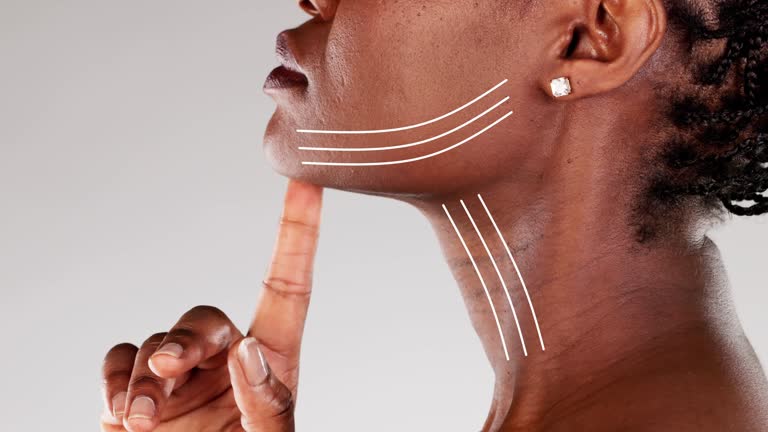
Facelift surgery, also known as rhytidectomy, is a popular cosmetic procedure aimed at reducing the visible signs of aging by tightening and lifting the skin on the face and neck. While many people achieve satisfying results, it's important to be aware of the potential risks and complications associated with the surgery.
What is a Facelift?
A facelift, known medically as rhytidectomy, is a cosmetic surgical procedure aimed at reducing the visible signs of aging on the face and neck. As we age, skin loses elasticity, muscles slacken, and fat deposits shift, leading to sagging skin, deep wrinkles, and a tired or aged appearance. A facelift targets these issues by tightening and lifting the skin, as well as repositioning and sometimes removing excess tissue to create a smoother, more youthful look.
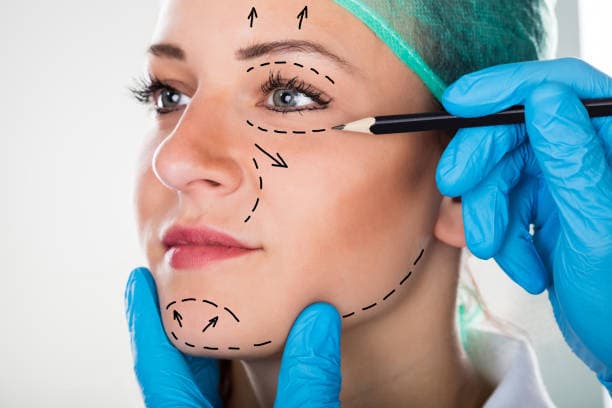
The procedure typically involves incisions made along the hairline, extending around the ears and, in some cases, under the chin. These incisions allow the surgeon to access the underlying facial structures, including muscles and fat. The skin is then carefully separated from the underlying tissue, tightened, and redraped over the newly contoured face and neck. Excess skin is trimmed away, and the incisions are closed with sutures. This process helps to eliminate jowls, reduce deep creases around the mouth and nose, and improve the overall contour of the face and neck.
There are various techniques and approaches to facelifts, depending on the patient's needs and desired outcomes. A traditional facelift, also known as a full facelift, provides comprehensive rejuvenation by addressing the entire face and neck. A mini-facelift, on the other hand, focuses on the lower face and neck, offering a less invasive option with shorter recovery times. Other variations, such as the SMAS (superficial musculoaponeurotic system) facelift, target deeper layers of tissue to achieve longer-lasting results.
Recovery from a facelift typically involves some swelling, bruising, and discomfort, which can be managed with medication and proper post-operative care. Most patients can return to light activities within a week or two, though it may take several weeks for all swelling to subside and the final results to become fully apparent. It's essential for patients to follow their surgeon's instructions carefully to ensure optimal healing and minimize the risk of complications.
While a facelift can provide significant improvements in appearance, it's important to have realistic expectations and understand that the procedure cannot stop the aging process. The results of a facelift can last for many years, but the face will continue to age naturally over time. Additionally, as with any surgical procedure, there are potential risks and complications, such as infection, scarring, and nerve damage, which should be thoroughly discussed with a qualified plastic surgeon.

The risks of facelift surgery
Facelift surgery, while popular for its ability to rejuvenate the face and restore a youthful appearance, carries several risks and potential complications that patients must consider before undergoing the procedure.
One of the primary risks is hematoma, a collection of blood beneath the skin that can cause swelling, pain, and bruising. Hematomas may require additional surgical intervention to drain the accumulated blood and alleviate symptoms.
Infection is another significant risk associated with facelift surgery. Although rare, infections can occur at the incision sites, leading to redness, swelling, and discharge. If not promptly treated, infections can become severe and may require antibiotics or additional surgical procedures to address.
Nerve injury is a serious concern during facelift surgery. The facial nerves that control muscle movement and sensation can be damaged, resulting in temporary or permanent facial numbness, weakness, or even paralysis. While most nerve injuries are temporary and resolve within a few weeks or months, permanent damage is possible and can impact facial expressions and functionality.
Scarring is an inevitable aspect of any surgical procedure, and facelifts are no exception. Although surgeons aim to place incisions in discreet locations, such as along the hairline and behind the ears, visible scars can still occur. Some individuals may experience hypertrophic scars or keloids, which are raised, thickened areas of scar tissue that can be unsightly and uncomfortable.
Facelift surgery also poses the risk of anesthesia-related complications. Patients may have adverse reactions to anesthesia, including allergic reactions, respiratory issues, or cardiovascular problems. It is crucial to discuss any pre-existing medical conditions and allergies with the anesthesiologist before the procedure to minimize these risks.
Other potential complications include hair loss at the incision sites, prolonged swelling, and unsatisfactory results. Patients may experience asymmetry or unnatural facial contours, necessitating revision surgery to achieve the desired outcome.
The Benefits of a Facelift surgery
Facelift surgery, or rhytidectomy, offers numerous benefits for individuals seeking to rejuvenate their appearance and combat the visible signs of aging.
One of the primary advantages is the significant reduction of wrinkles and sagging skin. As we age, the skin loses elasticity, resulting in deep creases and drooping areas, particularly around the cheeks, jawline, and neck. A facelift effectively tightens and smooths these regions, providing a more youthful and refreshed look.
Another notable benefit is the improvement in facial contours and definition. By repositioning and tightening the underlying tissues, a facelift can enhance the natural contours of the face, creating a firmer and more sculpted appearance. This can be particularly beneficial for individuals experiencing jowls or a double chin, as the procedure helps to restore a more defined jawline and neck.
Facelift surgery also offers long-lasting results compared to non-surgical treatments. While procedures like Botox and fillers can provide temporary improvements, a facelift addresses the deeper structural issues, yielding results that can last for many years. This long-term benefit makes the investment in facelift surgery particularly worthwhile for those seeking enduring improvements in their appearance.
In addition to the physical benefits, facelift surgery can also have a positive impact on an individual's self-esteem and confidence. By restoring a more youthful and vibrant look, patients often feel more confident in their appearance, which can translate to improved social interactions and a better quality of life. The psychological boost from feeling more attractive and youthful can be just as valuable as the physical enhancements.
Furthermore, advancements in facelift techniques have led to more natural-looking results and reduced recovery times. Modern methods focus on subtle, harmonious improvements that enhance the patient's natural features without creating an overly "done" appearance. These innovations have made facelift surgery more accessible and appealing to a broader range of individuals.

Conclusion
In conclusion, while facelift surgery can offer remarkable aesthetic benefits, it is important to be fully aware of the associated risks and potential complications. Hematomas, infections, nerve damage, scarring, and anesthesia-related issues are among the concerns that patients should discuss with their surgeon. Understanding these risks, adhering to pre- and post-operative care instructions, and having realistic expectations can help mitigate potential complications and contribute to a successful outcome. Thorough consultation with a qualified plastic surgeon is essential to ensure that patients are well-informed and prepared for the procedure, ultimately enhancing both their safety and satisfaction with the results.
Read More