


Halotherapy is a form of salt therapy where people breathe air infused with microscopic salt particles in a controlled environment.
What Is Halotherapy?
Halotherapy is a noninvasive wellness treatment that recreates the microclimate of natural salt caves by dispersing microscopic salt particles into a controlled room or chamber. Practitioners call it salt therapy or speleotherapy, and it can be delivered as a dry aerosol from a halogenerator in a salt room or as a wet saline mist in clinical-style nebulized treatments. The core idea is that inhaling tiny salt particles may help thin mucus, clear airways, and reduce airborne irritants, while topical salt exposure can have antimicrobial and anti‑inflammatory effects on the skin. Modern halotherapy grew out of observations in Eastern European salt mines and caves, where visitors and workers reported unusually good respiratory health; contemporary facilities aim to reproduce that environment in spa-like settings or specialized clinics. Sessions typically last 20–60 minutes and are promoted for conditions such as asthma, chronic bronchitis, allergic rhinitis, and certain skin issues like eczema and psoriasis. Supporters emphasize relaxation and symptomatic relief rather than cure, and many users report subjective improvements in breathing and skin comfort.

Types of Halotherapy
Halotherapy generally falls into two practical categories: active salt rooms (also called halotherapy or dry aerosol therapy) and passive salt rooms (salt‑lined grottos or caves).
Active salt rooms use a mechanical device known as a halogenerator to grind pharmaceutical‑grade salt into very fine, dry aerosol particles and disperse them into the air so they can be inhaled deeply into the respiratory tract. Sessions are typically structured, timed (often 20–60 minutes), and may be guided by a practitioner; the goal is direct respiratory exposure to salt particles to help thin mucus, clear airways, and reduce airborne irritants. Active delivery can also include handheld salt inhalers or nebulized saline in clinical settings, which concentrate the exposure for targeted inhalation.
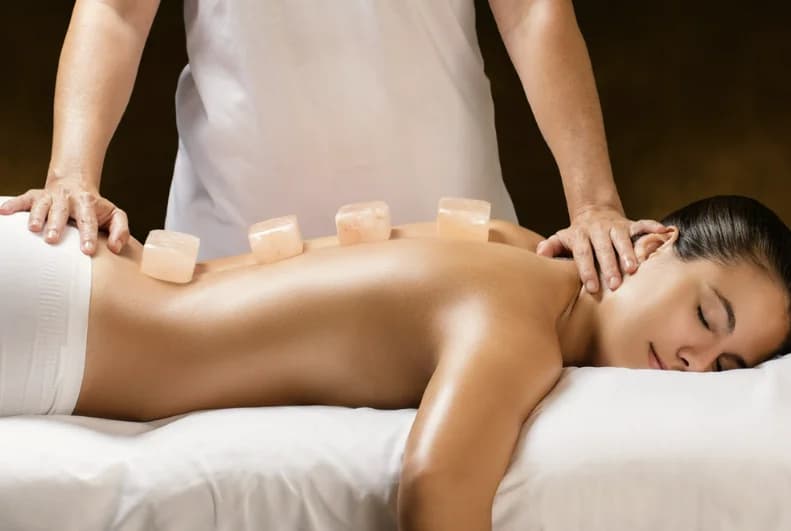
Passive salt rooms recreate the feel of a natural salt cave by lining walls and floors with salt blocks or loose salt and maintaining a calm, low‑allergen environment. There is no active aerosolization; instead, the therapeutic claim rests on the stable microclimate—low humidity, reduced airborne allergens, and the presence of salt surfaces that may have mild antimicrobial or skin‑beneficial effects. Passive sessions are often more about relaxation, ambient exposure, and topical contact with salt (sitting, breathing the room air, or light skin contact) rather than forced inhalation of salt particles.
Health Benefits of Halotherapy
Halotherapy delivers microscopic salt particles or a saline microclimate to a controlled space, and proponents attribute several health effects to that exposure.
Improved breathing is one of the most commonly reported benefits: inhaled salt particles are said to help thin mucus, loosen phlegm, and make airway clearance easier, which can reduce coughing and improve perceived airflow during and after sessions.
Infection fighting is another proposed advantage. Salt has long been recognized for its antimicrobial properties, and topical or airborne saline can create an environment less hospitable to some bacteria and fungi. Inhaled saline may help clear pathogens mechanically by improving mucociliary clearance, and salt surfaces in a room can reduce microbial load on contact surfaces. These effects are supportive rather than curative and should not replace medical treatment for infections.
Healthier skin outcomes are reported for conditions such as eczema, psoriasis, and acne. Salt’s mild antiseptic and anti‑inflammatory properties can reduce surface bacteria and soothe irritated skin; salt rooms and topical saline treatments may improve skin texture, reduce itching, and support barrier repair when used as part of a broader skincare plan.
Stress reduction and relaxation are consistent, well‑documented benefits of salt‑room experiences. The quiet, low‑allergen environment, combined with guided breathing and the ritual of a dedicated wellness session, can lower perceived stress, improve mood, and support better sleep. These psychological benefits often amplify physical symptom relief by reducing tension that can worsen breathing and skin flare‑ups.

Risks of Halotherapy
Halotherapy exposes the airways and skin to concentrated salt aerosols or a salt‑rich microclimate, and while many users report relaxation and symptomatic relief, adverse effects are possible. The most commonly reported issues include throat and eye irritation, increased coughing, nasal dryness, and transient wheeze or shortness of breath, especially after exposure to dry salt aerosol or low‑humidity environments. In sensitive individuals, inhaled salt particles can provoke bronchospasm, making breathing worse rather than better, and some people experience heightened airway reactivity following a session.
Certain groups face higher risk and should avoid halotherapy or use it only under medical supervision. People with uncontrolled asthma, recent respiratory infections, chronic obstructive pulmonary disease exacerbations, severe cardiovascular disease, infants, and pregnant people are among those who may be vulnerable; individuals on strict sodium‑restricted regimens or with salt‑sensitive conditions should also seek medical advice before participating. Facilities sometimes market halotherapy for medical conditions, but clinical guidance is limited and professional evaluation is recommended for anyone with chronic or severe illness.
Facility hygiene and session management matter because poorly maintained environments can introduce infection or allergen risks. Although salt has mild antimicrobial properties, shared rooms, contaminated halogenerators, or inadequate cleaning can increase exposure to pathogens or irritants; halotherapy should not be used during active respiratory infections because coughing and aerosol generation can spread pathogens and worsen symptoms for the user and others. Additionally, overly long or frequent sessions may increase irritation risk, so moderation is important.
To reduce harm, start with short sessions (10–20 minutes), test tolerance, avoid halotherapy during active infections, and choose reputable centers that use medical‑grade salt and strict cleaning protocols. Bring rescue medication if you have reactive airways, stop immediately for worsening cough, chest tightness, or breathing difficulty, and treat halotherapy as a complementary wellness option rather than a substitute for evidence‑based medical care.

Is a salt room worth trying?
Salt rooms offer a calm, low‑allergen environment and—when a halogenerator is used—deliver fine salt aerosol that many people report helps loosen mucus, ease nasal congestion, soothe irritated skin, and promote relaxation. These subjective benefits often come from a combination of improved mucociliary clearance, salt’s mild antiseptic effects on skin surfaces, and the restorative setting of a dedicated wellness session. Risks are generally low for healthy adults, though dry salt aerosol can irritate eyes and throat and may trigger bronchospasm in people with reactive airways; those with uncontrolled asthma, recent respiratory infections, or serious cardiovascular conditions should consult a clinician first. If you decide to try one, start with a short session, choose a reputable facility that uses medical‑grade salt and clean equipment, and monitor your response—stop and seek care if breathing worsens.

Conclusion
Halotherapy, or salt therapy, combines a saline microclimate and, in active formats, aerosolized microscopic salt particles to produce several commonly reported benefits: easier mucus clearance and reduced nasal congestion, mild antiseptic and anti‑inflammatory effects on the skin, and a relaxing, low‑allergen environment that supports stress reduction and improved sleep.
Read More