

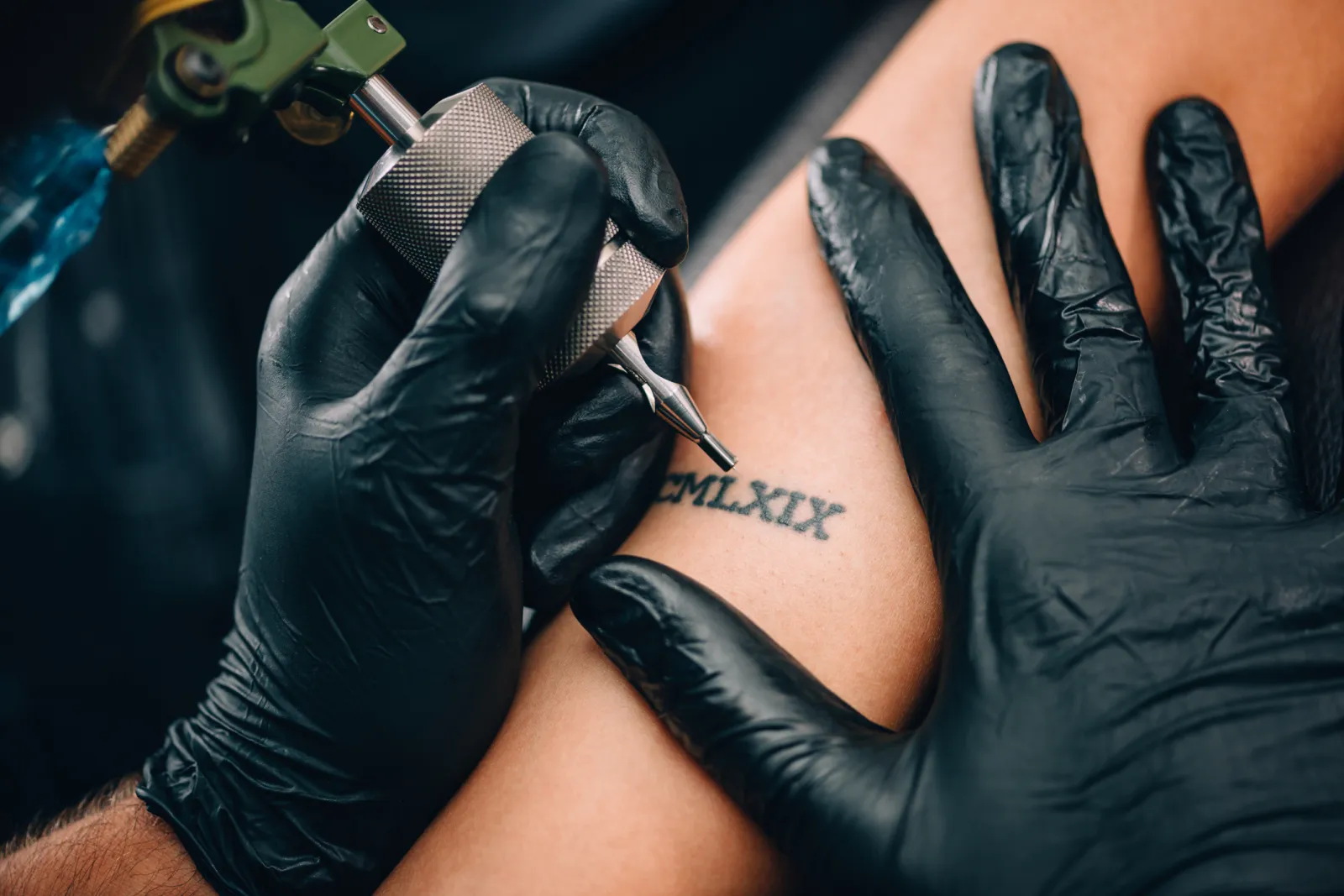
Tattoo styles are defined by line work, shading, color palette, composition, and cultural lineage. Tattoo styles are the visual languages of tattooing—each style has its own rules, history, and typical imagery.
What is a tattoo?
A tattoo is a deliberate mark or design placed on the skin by introducing pigment into the dermis, the deeper layer beneath the epidermis, so the image remains visible over time. Tattoos can be permanent (indelible ink deposited under the skin) or temporary (cosmetic transfers or semi‑permanent dyes), and they serve many purposes: personal expression, cultural or spiritual symbolism, memorialization, identification, or purely aesthetic decoration. Modern tattooing is performed by tattoo artists using electric tattoo machines that rapidly drive sterile needles to deposit ink, though traditional hand‑tapping and hand‑poke techniques remain in many cultures. A tattoo’s appearance depends on ink composition, needle technique, depth of placement, skin type, and aftercare, and designs range from simple line work to photorealistic portraits and complex, large‑scale compositions. Because pigment sits in the dermis, tattoos age with the skin—lines can blur and colors can fade over years—so placement, ink quality, and sun protection affect long‑term results. Legally and ethically, reputable studios follow consent, hygiene, and safety protocols, including medical history screening and sterile technique, to reduce infection and allergic risks. While tattoos are widely accepted in many societies, cultural meanings and workplace attitudes vary, so people often weigh aesthetic goals against social, medical, and occupational considerations before getting inked.

What are the different styles of tattoo?
Different tattoo styles offer distinct visual languages and technical demands; choose a style that fits your aesthetic, placement, and an artist who specializes in it. A wide range of tattoo styles exists, each defined by characteristic line work, shading, color use, composition, and historical roots.
Traditional (Old School) tattoos are known for bold black outlines, a limited saturated palette, and iconic motifs like roses, anchors, and swallows; they were designed to age well and remain legible over time.
Realism aims for photographic detail and subtle shading, requiring high technical skill and careful placement because fine detail can blur as skin ages.
Watercolor tattoos mimic painterly washes and gradients with soft edges and minimal outlines; they create a fluid, artistic look but often fade faster and may need more touch‑ups.
Fine line work uses delicate, precise lines for minimalist portraits, script, or botanical pieces; it reads as elegant and subtle but can be vulnerable to spreading on certain body areas.
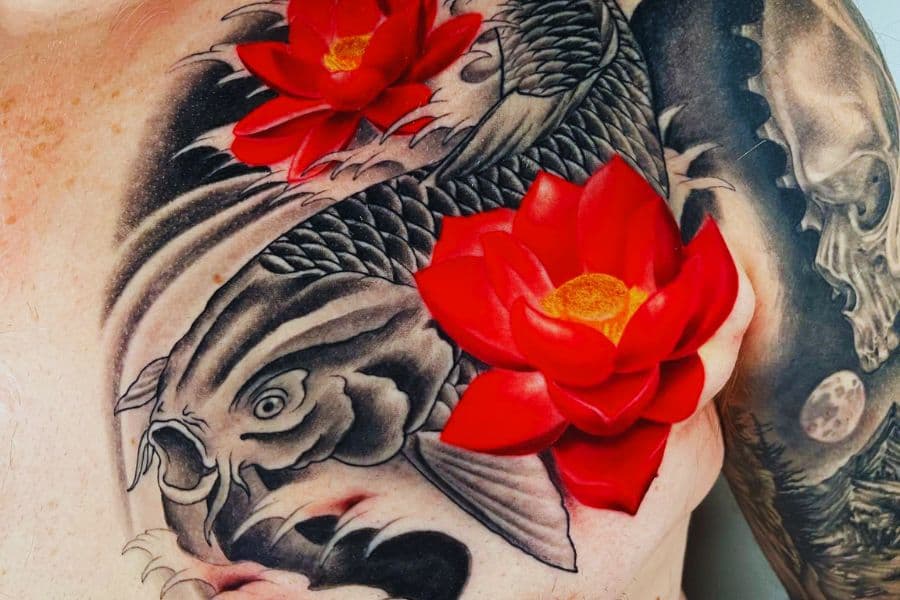
Japanese (Irezumi) is a traditional, narrative style built for large compositions, flowing backgrounds, and symbolic imagery (koi, dragons, waves) that follow long‑established compositional rules.
Tribal tattoos encompass many cultural lineages—Polynesian, Maori, and others—and emphasize bold black shapes, repeating patterns, and cultural meaning, so cultural context and respectful sourcing are important.
Minimalist tattoos strip imagery to its essentials—simple icons, tiny symbols, or geometric marks—offering low‑commitment, discreet options that suit many lifestyles.
Each style carries trade‑offs: bold traditional pieces generally age best, while highly detailed realism and watercolor may require more maintenance; placement, skin type, and sun exposure also affect longevity. Because techniques differ—needle grouping, shading approaches, color layering—artist specialization matters: seek portfolios showing healed work in your chosen style and ask about ink quality, sterilization, and expected touch‑up needs.
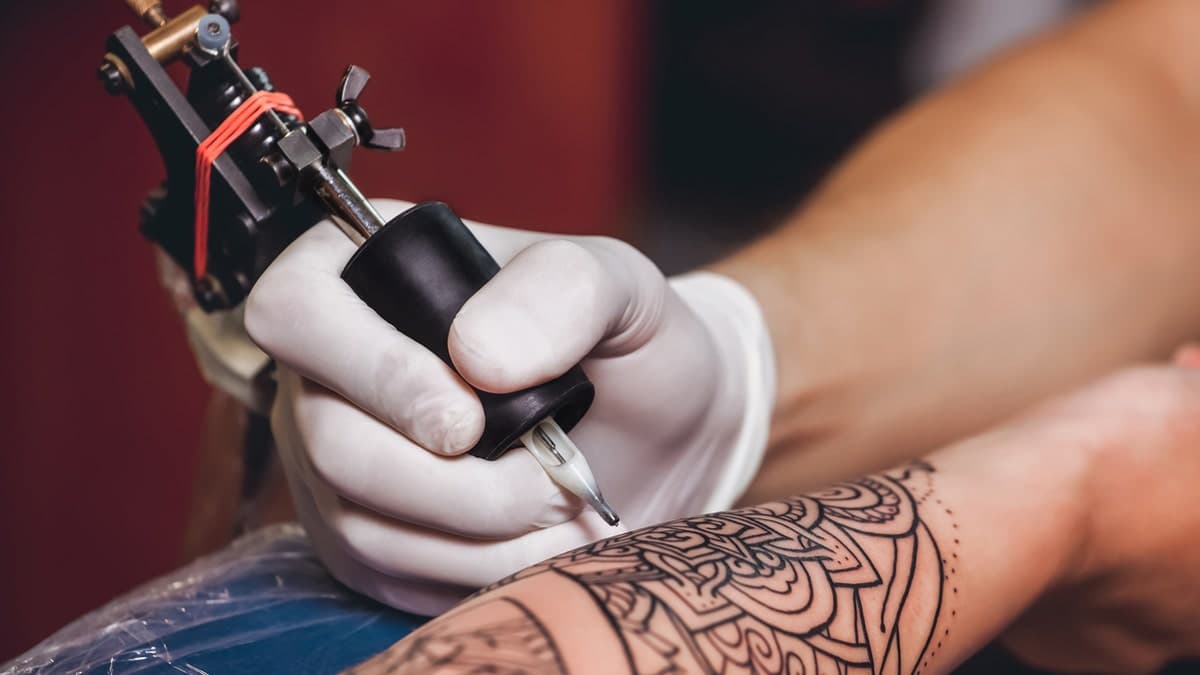
What are the risks of getting a tattoo?
Getting a tattoo carries several real risks—most commonly infection, allergic reactions, scarring, and long‑term changes to skin and pigment—that are largely preventable with proper studio hygiene, quality inks, and careful aftercare.
A tattoo punctures the skin repeatedly to deposit pigment into the dermis, so local infections from nonsterile needles, contaminated ink, or poor aftercare can cause redness, swelling, pus, and systemic illness in severe cases; people with weakened immune systems or chronic conditions face higher risk.
Allergic reactions to pigments—especially red dyes—can produce persistent itching, swelling, or dermatitis and may occur months after tattooing.
Some individuals develop hypertrophic scars or keloids, and tattoos can trigger inflammatory skin conditions or the Koebner phenomenon in susceptible people.
Mechanical issues include poor placement, blowouts (ink spreading), and fading or distortion as skin ages; certain areas (hands, feet) and high‑movement sites blur faster.
Rare but serious complications include bloodborne infections if equipment is reused and MRI‑related pigment reactions in a few cases.
To reduce risk, choose a licensed studio that uses single‑use sterile needles, ask about ink ingredients, follow written aftercare (keep clean, avoid submersion, protect from sun), and seek medical advice for spreading redness, fever, or severe pain.
Conclusion
Tattoo styles offer distinct visual languages—from bold Traditional and intricate Realism to airy Watercolor, delicate Fine Line, storied Japanese, geometric Tribal, and pared‑down Minimalist—each with different technical demands, aging patterns, and maintenance needs. Choose a style that fits your aesthetic, placement, and lifestyle, and pick an artist who specializes in that style and can show healed work; quality inks, proper placement, sun protection, and realistic expectations about touch‑ups are the best ways to ensure your tattoo looks great now and years from now.
Read More