

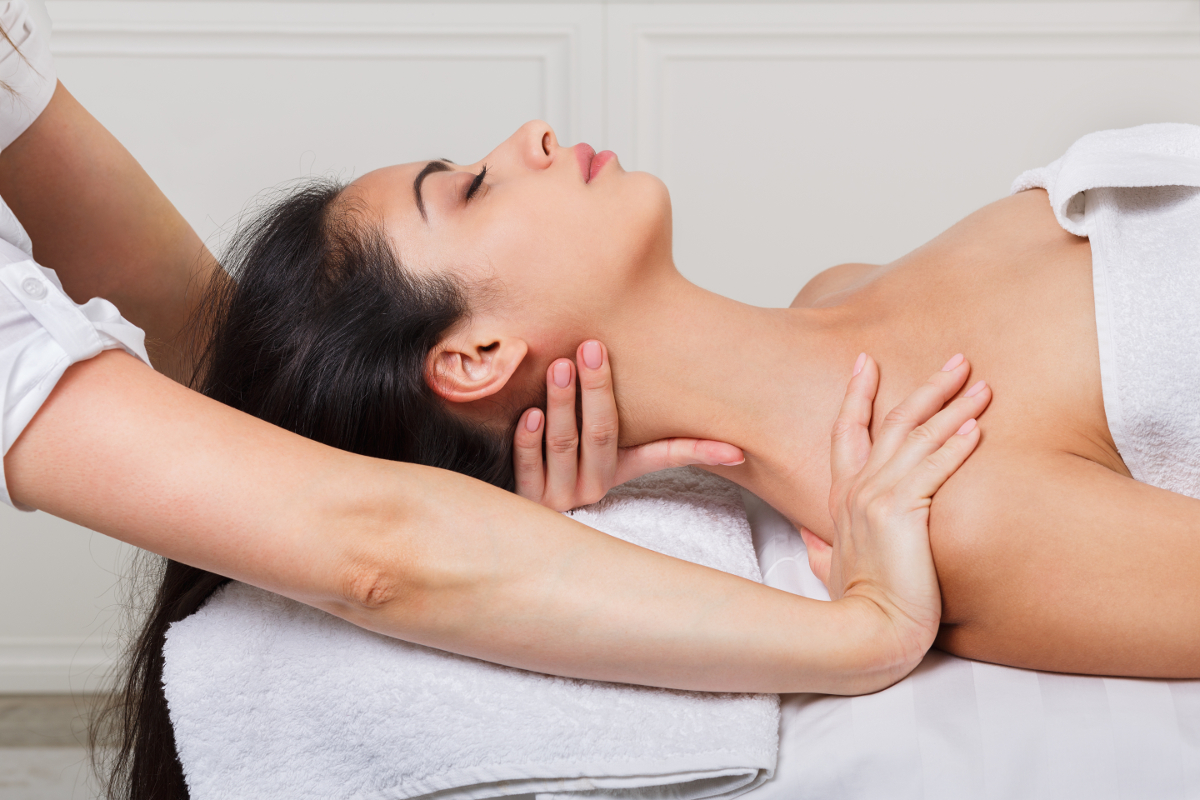
Massage therapy is a hands‑on health practice that uses manual techniques on muscles and soft tissues to relieve pain, reduce stress, and improve physical function; it’s adaptable to many goals and ranges from gentle relaxation to targeted therapeutic work.
What is massage therapy?
Massage therapy involves the manual manipulation of muscles, tendons, ligaments, fascia, and skin using techniques such as stroking, kneading, pressing, and stretching to promote relaxation, increase circulation, and support recovery from injury or chronic tension. It has a long history across cultures and today is practiced both as a wellness service and as a complementary clinical intervention; therapists may work on a massage table, in a chair, or on a mat depending on the technique and client needs. There are many styles—Swedish (classical) massage for general relaxation, deep tissue for chronic muscle tension, sports massage for athletic recovery, and traditions like Shiatsu and Tuina that derive from Eastern medicine—each varying in pressure, rhythm, and intent. Therapists select techniques to meet specific goals: reduce pain, improve range of motion, release trigger points, or simply promote relaxation and stress relief.
Different types of massage therapy
Massage therapy is a hands‑on practice that uses manual techniques on muscles and soft tissues to relieve pain, reduce stress, and improve mobility; styles range from gentle Swedish relaxation to targeted deep‑tissue and sports work, so the right choice depends on your goals and health needs.
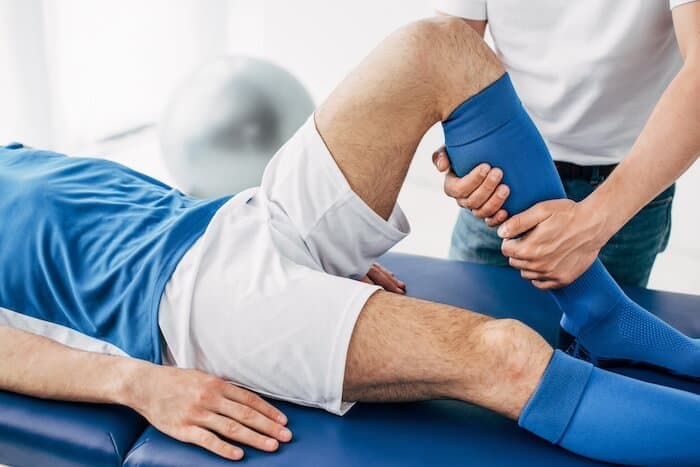
Sports massage
Sports massage is a specialized approach that combines techniques from deep‑tissue work, stretching, trigger‑point release, and rhythmic effleurage to address the specific demands of training and competition. Therapists tailor sessions to an individual’s sport, training phase, or injury history, using techniques that increase local circulation, break down adhesions, and restore range of motion. Sessions may be scheduled pre‑event to prime muscles and improve mobility, post‑event to accelerate recovery, or used regularly during training cycles to manage chronic tension and asymmetries. Sports massage delivers both immediate and cumulative benefits. Immediate effects often include reduced muscle tightness, decreased perceived soreness, and a sense of relaxation that can improve sleep and readiness to train. Cumulative benefits include improved flexibility, better tissue quality, and enhanced movement patterns that lower the likelihood of overuse injuries. Because sports massage addresses both mechanical restrictions and nervous‑system arousal, it can speed recovery from intense exercise, reduce delayed onset muscle soreness (DOMS), and support faster return to training—advantages valuable to elite athletes and recreational exercisers alike.
Swedish massage
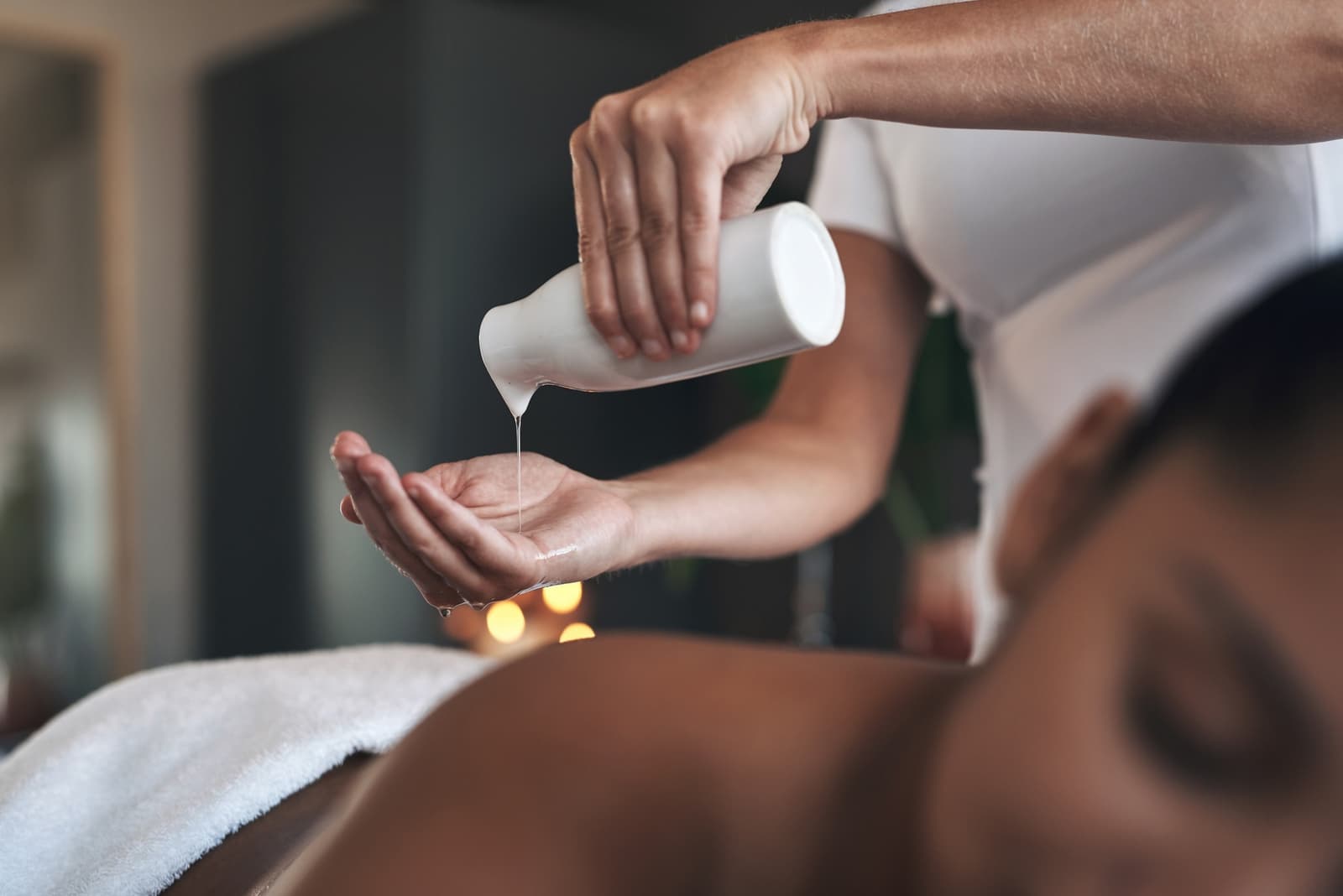
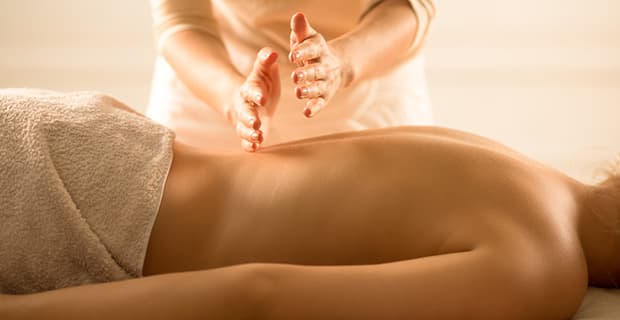
Swedish massage, often called classical massage, centers on five core techniques—effleurage (long gliding strokes), petrissage (kneading), friction, tapotement (rhythmic tapping), and vibration—applied with oil or lotion to reduce friction and allow smooth movement across the skin. The method is designed to increase local blood flow, loosen tight muscles, and activate the parasympathetic nervous system, which supports relaxation and lowers physiological arousal. Because of its moderate pressure and flowing rhythm, Swedish massage is particularly effective for reducing perceived stress and anxiety, improving mood, and promoting a sense of calm after a single session. Repeated treatments can help with chronic muscle stiffness, mild pain, and sleep quality, and many people report feeling more flexible and less tense in daily life. Practically, Swedish massage is adaptable: therapists can vary pressure and focus areas to address specific complaints—neck and shoulders for desk‑related tension, lower back for postural strain, or full‑body sessions for overall relaxation. It’s also commonly used as an introductory modality for people new to massage because it’s comfortable, predictable, and easy to tailor. Swedish massage is consistently recommended as a noninvasive, low‑risk option to complement broader self‑care strategies like stretching, hydration, and movement; when combined with regular physical activity and ergonomic adjustments, it can support recovery and reduce the recurrence of tension‑related symptoms.
Hot stone massage
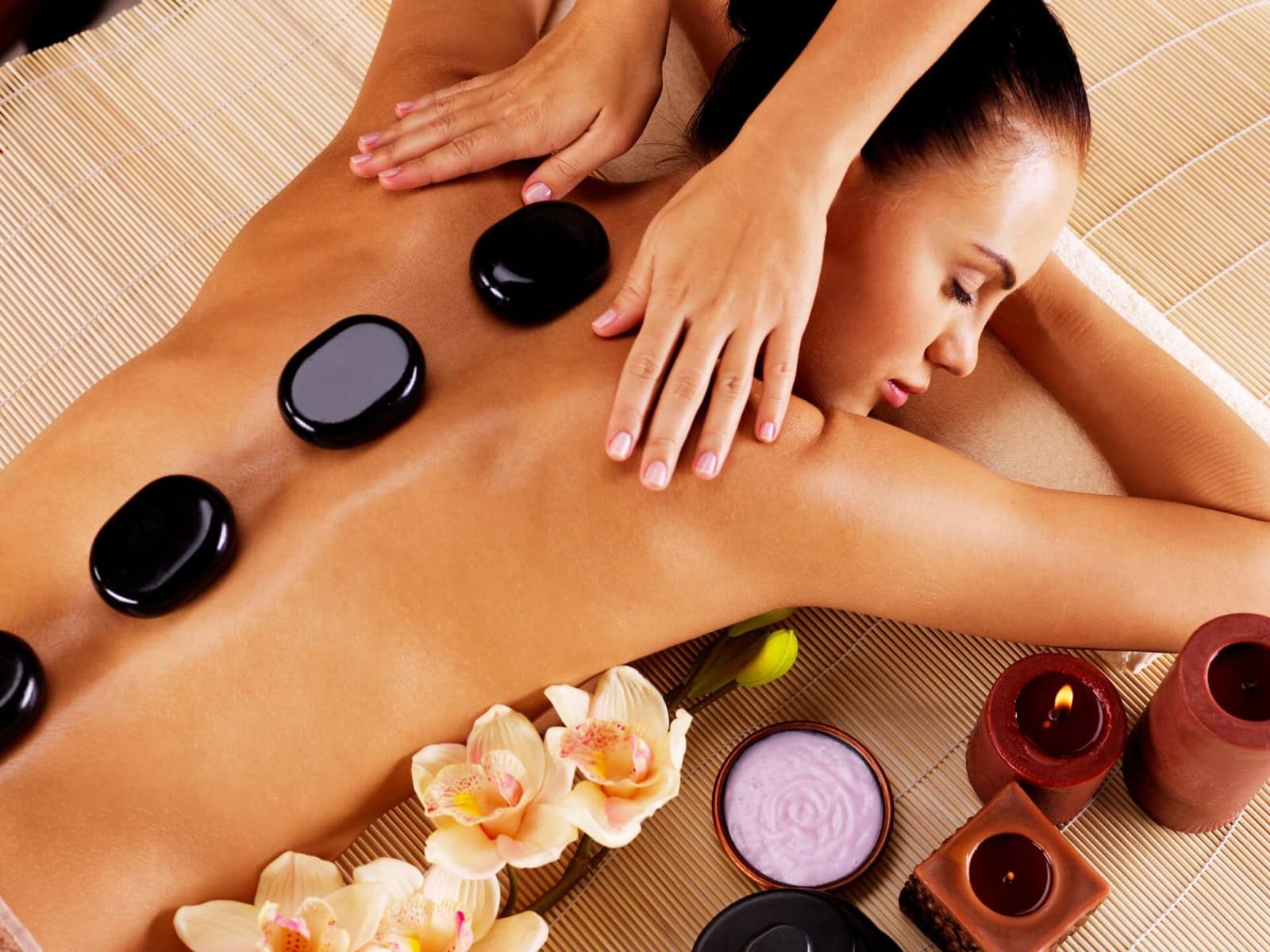
Hot stone massage places smooth basalt stones heated to a controlled temperature on key areas (spine, palms, feet) and may also use the stones to apply pressure and glide across muscles; the warmth helps tissues relax so therapists can work more effectively with less force, and stones are commonly heated to around 130–145°F (54–63°C) for safe, therapeutic use. The combination of heat and manual therapy produces several practical benefits: reduced muscle tension and stiffness, immediate relaxation and lowered perceived stress, improved local circulation, and relief from soreness after exertion. Many clients report better sleep and a marked sense of calm after a session, and therapists often use hot stones to enhance the effects of long, flowing strokes that stimulate the parasympathetic nervous system. For people with chronic tightness or high sympathetic arousal, the added warmth can speed tissue warming and make deeper work more comfortable.
Reflexology
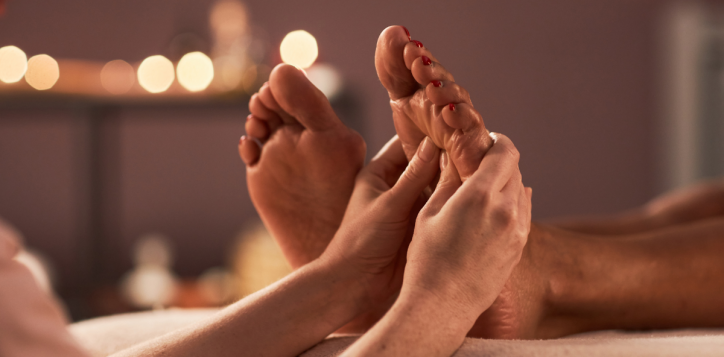
Reflexology is a complementary therapy based on the idea that specific zones on the feet, hands, and ears correspond to organs and systems in the body, and that applying pressure to these reflex points can stimulate the nervous system, encourage relaxation, and support overall well‑being. Sessions typically involve a trained reflexologist using thumbs, fingers, and specialized techniques to work through reflex maps while the client lies comfortably; the treatment is gentle yet focused, making it accessible to many people who prefer a milder alternative to full‑body massage. Reported benefits include reduced perceived stress and anxiety, improved relaxation and sleep, and short‑term relief from pain or tension, particularly for conditions like headaches, musculoskeletal discomfort, and some digestive complaints. Reflexology is generally safe when performed by a trained practitioner, but people with certain medical issues—acute injury, deep vein thrombosis, uncontrolled diabetes, or pregnancy complications—should consult a healthcare provider before treatment and inform the reflexologist of relevant health history.
Shiatsu
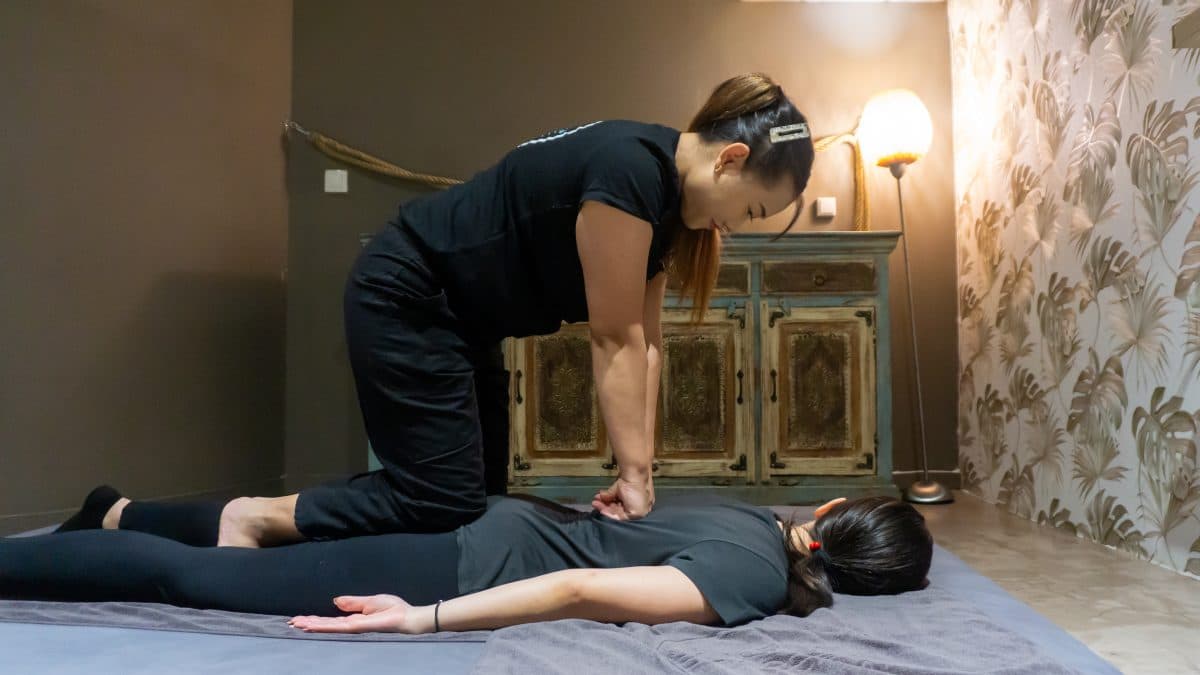
Shiatsu is a traditional Japanese manual therapy that blends acupressure principles with stretching, kneading, and joint mobilization; practitioners apply pressure with thumbs, palms, elbows, knees, and sometimes feet while the client remains clothed on a mat, and sessions emphasize balancing the body’s energy pathways (meridians) alongside mechanical release of soft tissues. Techniques vary from sustained pressure on specific points to rhythmic compressions and assisted stretches, making Shiatsu both grounding and dynamic. Key benefits reported by clients and described in clinical overviews include reduced muscle tension, improved local circulation, relief from headaches and lower‑back pain, decreased fatigue, and enhanced flexibility; many people also experience immediate relaxation and improved sleep after a session. Because Shiatsu integrates nervous‑system modulation with mechanical work, it can lower sympathetic arousal and promote parasympathetic responses that support recovery and stress reduction. Practitioners tailor sessions to individual needs—using gentler pressure for sensitive clients or deeper, focused work for chronic tightness—and often combine point work with whole‑body sequences to address postural patterns and movement restrictions. Safety and suitability are important: Shiatsu is generally safe for healthy adults but should be adapted or avoided in cases of acute injury, deep vein thrombosis, uncontrolled circulatory conditions, or certain pregnancy complications; disclose medical history so the therapist can modify techniques.
Aromatherapy massage
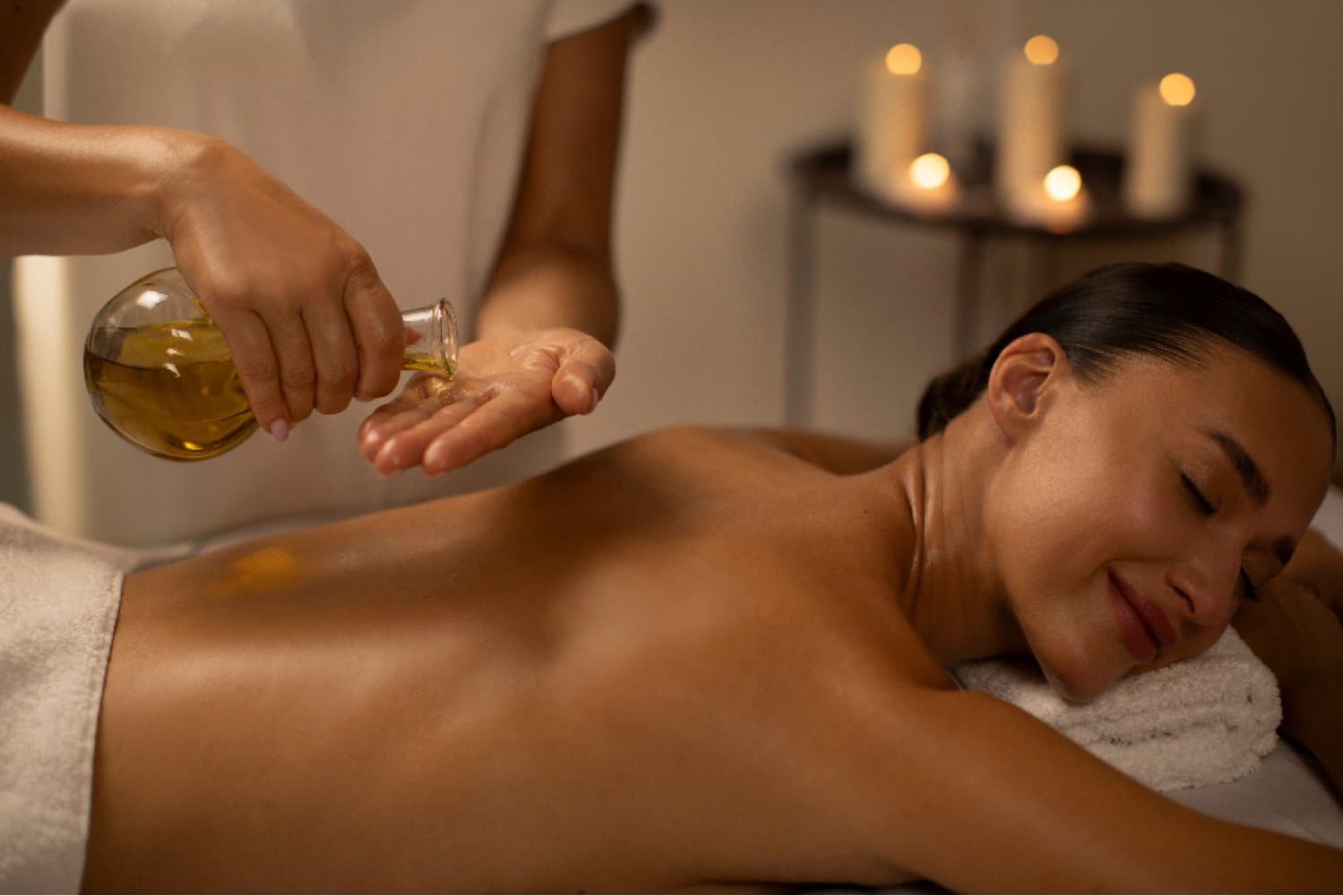
Aromatherapy massage pairs traditional massage techniques with the use of essential oils—concentrated plant extracts chosen for their aromatic and purported therapeutic properties—to amplify the calming and restorative effects of hands‑on bodywork. During a session, a therapist may diffuse oils in the room or blend a few drops into carrier oil and apply them to the skin, allowing both inhalation and topical absorption to contribute to the experience. The combined approach targets multiple pathways: manual manipulation of muscles and fascia improves circulation and reduces tension, while aroma inhalation engages the olfactory system and limbic brain regions that influence mood, memory, and stress responses. Practically, clients often report immediate relaxation, reduced perceived stress, improved mood, and better sleep after aromatherapy massage, and some oils—like lavender, bergamot, and chamomile—are commonly used for their calming effects. In addition to subjective benefits, aromatherapy massage may support pain relief and reduced muscle soreness when integrated with appropriate massage techniques, and the multisensory nature of the treatment can make it especially effective for people who respond well to scent‑based cues and guided relaxation. Safety and personalization are important: therapists select oils based on client goals and medical history, dilute essential oils properly in carrier oils to avoid skin irritation, and avoid certain oils or techniques for pregnancy, allergies, or specific medical conditions. While many clients experience meaningful short‑term improvements, the research base varies by outcome and oil type; clinical summaries and practitioner reports highlight promising effects for stress and mood but call for more rigorous trials to define long‑term benefits and optimal protocols.
Thai massage
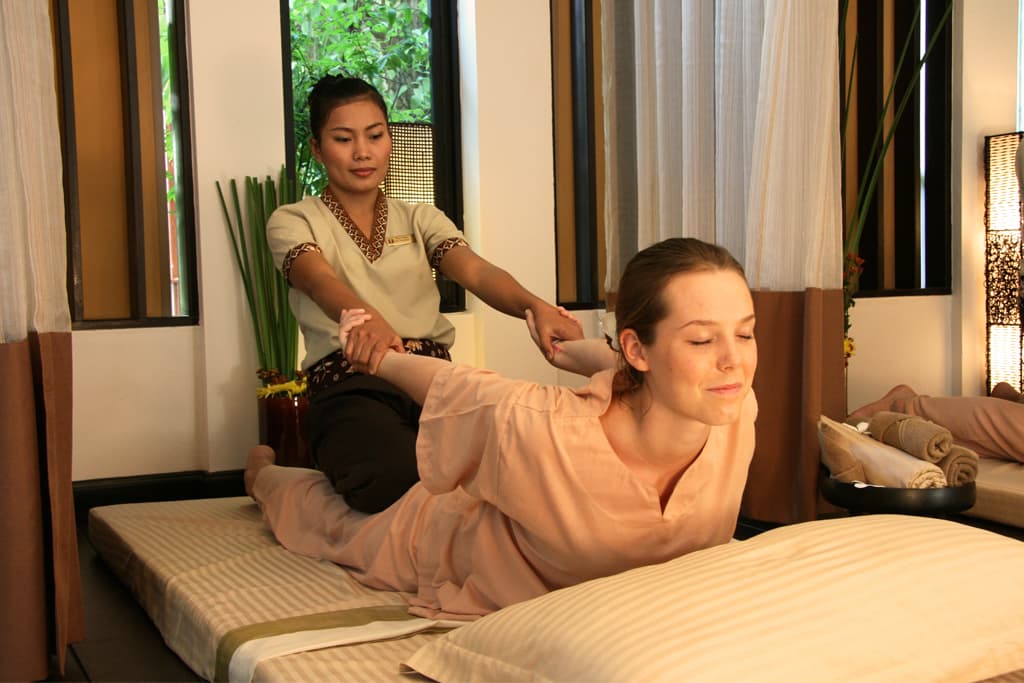
Thai massage is a traditional Southeast Asian therapy that combines acupressure, assisted stretching, and rhythmic compressions to free tension along energy lines and improve mobility. Sessions are typically performed on a mat with the client fully clothed while the practitioner uses thumbs, palms, elbows, knees, and feet to apply pressure and guide passive stretches; the work resembles a blend of yoga, acupressure, and deep tissue techniques and emphasizes whole‑body sequencing rather than isolated strokes. Reported benefits include reduced muscle stiffness, improved flexibility, decreased back and joint pain, lowered stress, and enhanced sleep quality. Athletes and active people often use Thai massage to improve mobility and recovery, while others seek it for stress relief and increased energy; many clients notice immediate gains in range of motion and a sense of lightness after a session. The combination of mechanical release and nervous‑system calming helps explain why people experience both short‑term relaxation and longer‑term improvements in movement patterns.
Prenatal massage
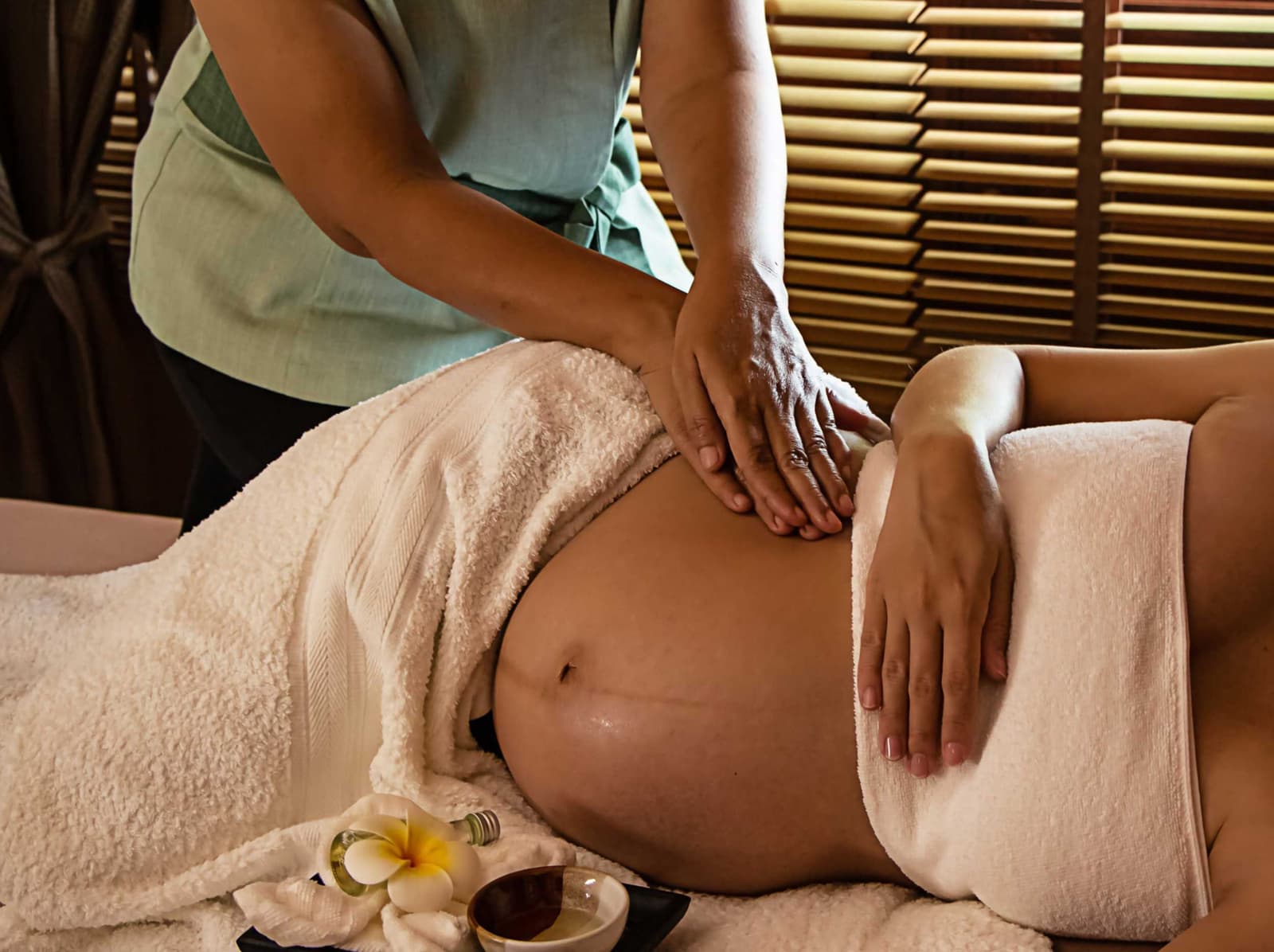
Prenatal massage is a specialized massage tailored to the physiological and postural changes of pregnancy; therapists use gentler techniques, modified positioning, and pregnancy‑specific supports (bolsters, side‑lying) to protect both mother and baby while addressing common complaints like low‑back pain, hip and pelvic tension, and swollen legs. Short, regular sessions often combine Swedish‑style strokes, light myofascial release, and lymphatic‑style techniques to reduce fluid retention and soothe muscle strain, making the treatment both restorative and practical for daily comfort. Clients commonly report reduced anxiety, decreased symptoms of depression, less muscle and joint pain, improved sleep, and greater overall well‑being after prenatal massage; some clinical summaries also link prenatal massage with improved labor outcomes and newborn health when integrated into broader prenatal care. Physiologically, massage can lower sympathetic arousal and promote parasympathetic activity, which helps with relaxation and pain modulation, while targeted work on the hips, lower back, and shoulders addresses the mechanical stresses of a changing center of gravity.
Trigger point massage
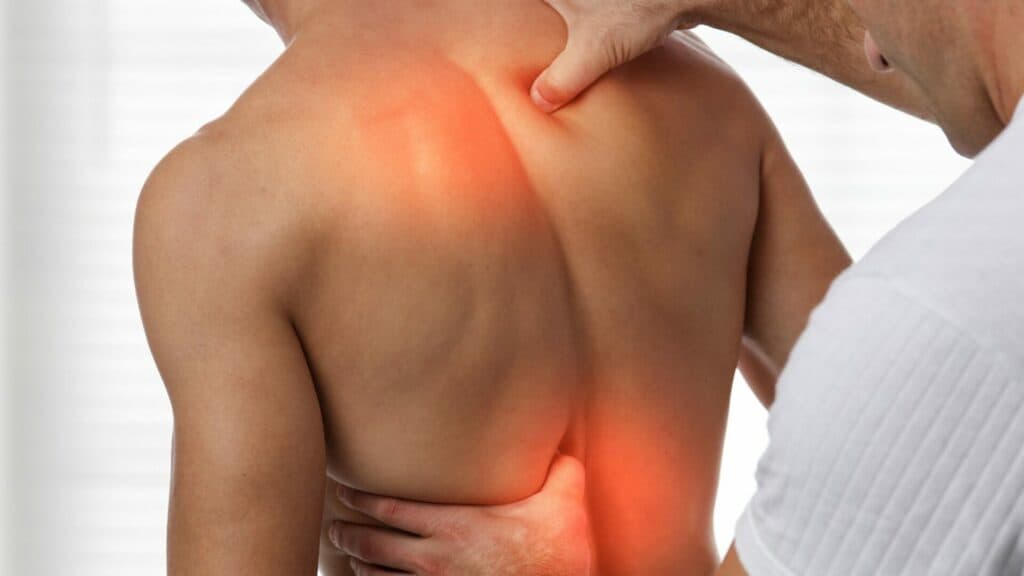
Trigger point massage focuses on identifying and releasing trigger points—small, hyperirritable knots within taut bands of muscle fibers that often produce localized tenderness and referred pain elsewhere in the body. Practitioners apply sustained, focused pressure and ischemic compression directly to these spots, sometimes followed by stretching or friction to encourage blood flow and normalize muscle tone. The technique differs from general relaxation massage because it is targeted and therapeutic, aiming to deactivate the dysfunctional motor endplates that keep muscle fibers contracted and to interrupt pain referral patterns that can cause headaches, shoulder pain, or sciatica. Reported benefits include reduced pain intensity, improved range of motion, decreased muscle stiffness, and faster recovery from overuse injuries, and many people experience noticeable relief after a single session while cumulative treatments help prevent recurrence. Trigger point work also supports broader rehabilitation by making corrective exercises and mobility work more effective once tight spots are released. Because the method can be intense, therapists calibrate pressure and combine manual release with home strategies—self‑massage, stretching, heat, and gradual strengthening—to sustain gains and address contributing factors like posture or repetitive strain.
How often should I get a massage?
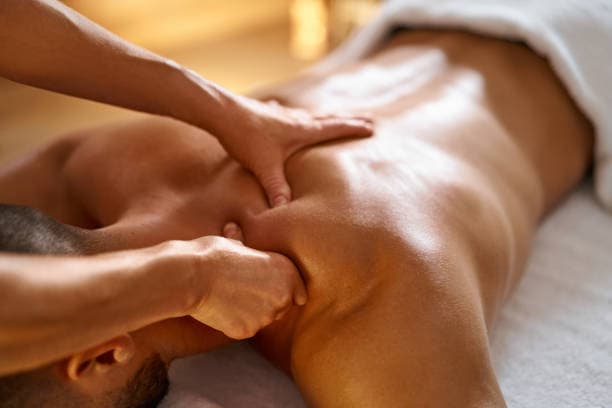
Deciding how often to get a massage starts with your primary goal. If you’re managing chronic pain, recovering from injury, or training intensely, more frequent sessions—once a week or every two weeks—help break up tension, support tissue healing, and allow the therapist to track progress and adjust treatment plans. For short‑term recovery (for example, after a race or a hard training block), a cluster of sessions over several days can speed recovery and reduce delayed onset muscle soreness. For general wellness, stress relief, or maintenance of mobility, monthly sessions often provide meaningful benefits without a large time or financial commitment. Many people find that a monthly massage maintains relaxation and reduces the buildup of chronic tension, while adding a few targeted sessions during high‑stress periods or training cycles keeps symptoms from returning.
Conclusion
Different massage modalities—from Swedish for relaxation to deep‑tissue, sports, Thai, prenatal, and specialty approaches like shiatsu, hot‑stone, and trigger‑point—offer distinct techniques that target relaxation, pain relief, mobility, or performance; the best choice depends on your goals, health status, and personal preference. Regular, tailored sessions combined with simple self‑care and movement produce the most lasting benefits, and clear communication with your therapist ensures safe, effective treatment.
Read More