


Meditation is a simple, trainable skill that helps you calm the mind, reduce stress, and sharpen attention; start with just 3–10 minutes a day using a basic breath or body‑scan practice and build from there.
What is Meditation?
Meditation is an ancient yet widely adaptable practice that involves intentionally directing attention and cultivating a particular quality of awareness—often described as present‑moment, nonjudgmental observation of thoughts, sensations, or a chosen anchor such as the breath. At its core, meditation trains attention and reduces automatic reactivity, helping people notice habitual patterns of thinking and feeling without being swept away by them. Practices range from focused‑attention techniques (for example, watching the breath) to open‑monitoring or mindfulness (noticing whatever arises), and include guided meditations, body scans, loving‑kindness (compassion) practices, and mantra or transcendental styles. Regular practice is associated with measurable benefits: reduced stress and anxiety, improved sleep, greater emotional regulation, and enhanced concentration and cognitive control. Beginners are encouraged to start small—3–10 minutes daily—with a simple focus like the breath, and to treat wandering attention as the practice itself: noticing distraction and gently returning to the chosen focus.
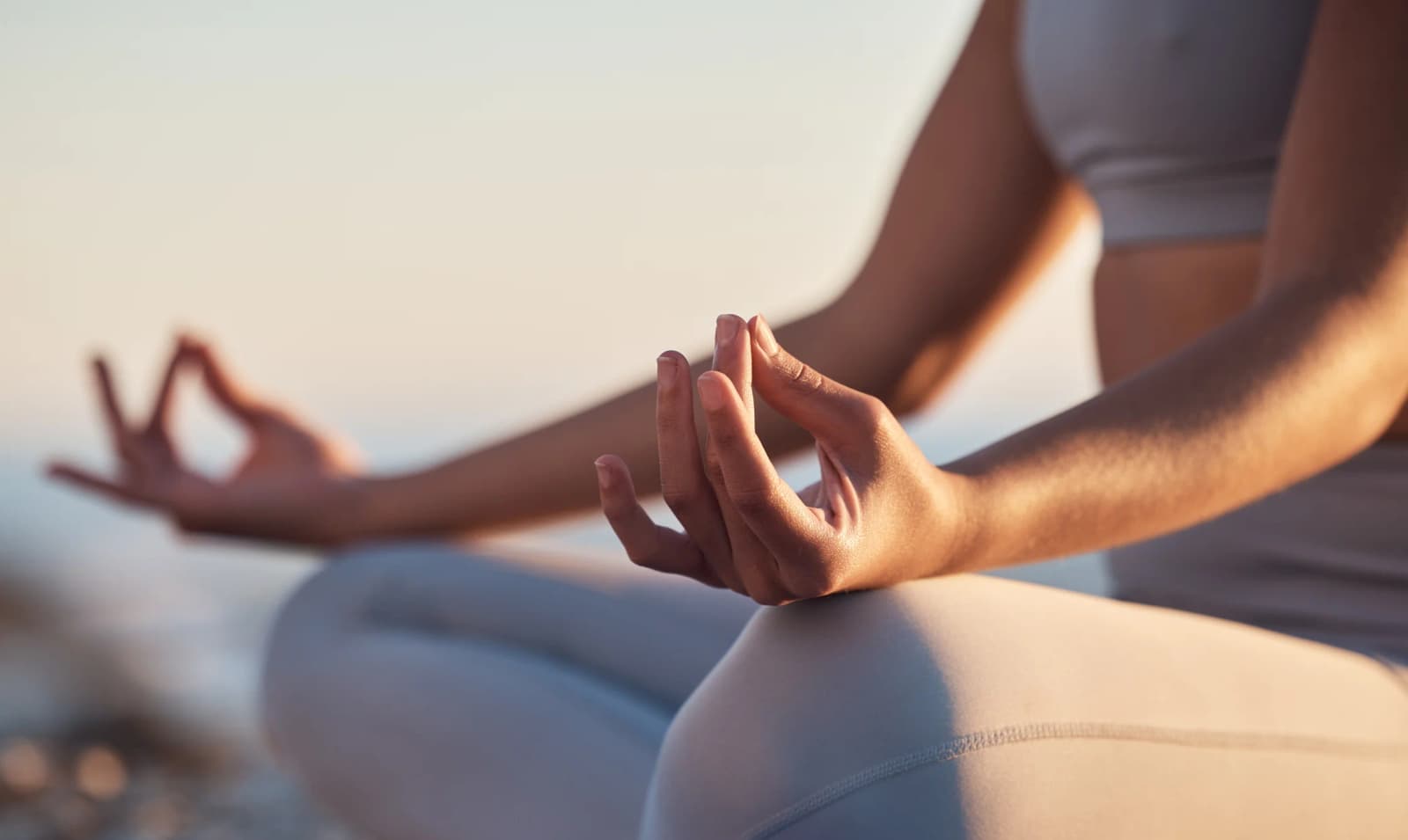
Different types of Meditation
Different types of meditation include focused‑attention, open‑monitoring (mindfulness), loving‑kindness, mantra/transcendental, and movement practices; each uses a different anchor and cultivates specific mental qualities like concentration, awareness, compassion, or embodied presence.
Mindfulness meditation
Mindfulness meditation is a practice of intentionally bringing attention to the present moment with an attitude of nonjudgmental curiosity, often using the breath, body sensations, or sounds as an anchor; it teaches people to notice thoughts and feelings without automatically reacting, which builds mental space between stimulus and response. Regular practice reduces stress and anxiety, partly by changing how the brain processes threat and emotion, and it supports better sleep and lower physiological arousal. Mindfulness also strengthens attention and working memory by training focused‑attention and open‑monitoring skills, which helps with concentration at work or study and reduces habitual distraction. Over time, practitioners commonly report improved emotional regulation and greater resilience: instead of being swept away by difficult feelings, they learn to observe them, let them pass, and choose more skillful responses. Clinical and educational programs that teach mindfulness show measurable improvements in mood, stress markers, and cognitive control, making it a practical tool for mental health and performance enhancement. Benefits accumulate with consistent practice—short daily sessions (for example, 3–10 minutes) are more effective for habit formation than infrequent long sessions, and guided meditations or brief body scans can make the practice accessible for beginners.

Transcendental Meditation
Transcendental Meditation is a specific, standardized technique in which practitioners silently repeat a personally assigned mantra—a simple sound or phrase—while seated comfortably with eyes closed, allowing the mind to settle into a state often described as restful alertness; the method is taught by certified instructors and is typically practiced twice daily for about 10–20 minutes to produce consistent effects. Unlike concentration practices that require effort to hold attention, TM emphasizes an effortless approach: the mantra functions as an anchor that naturally draws attention inward without force, which many people find accessible even when they struggle with more effortful meditation styles. Research and clinical summaries associate TM with a range of mental and physical benefits: reduced perceived stress and anxiety, improved mood and cognitive clarity, and measurable cardiovascular improvements such as lower blood pressure in some studies. Proponents and organizational summaries also point to a substantial body of research—hundreds of peer‑reviewed studies—examining TM’s effects on brain function, stress physiology, and well‑being, though reviewers note variability in study quality and call for continued rigorous trials to clarify mechanisms and long‑term outcomes. Practically, many people report feeling more refreshed, focused, and less reactive after short sessions, and some clinical programs have integrated TM as a complementary approach for stress‑related conditions and performance enhancement. Because TM is taught as a standardized, instructor‑led program, beginners often receive personalized guidance and a specific mantra, which can make early adoption straightforward; however, access and cost vary by region and provider.
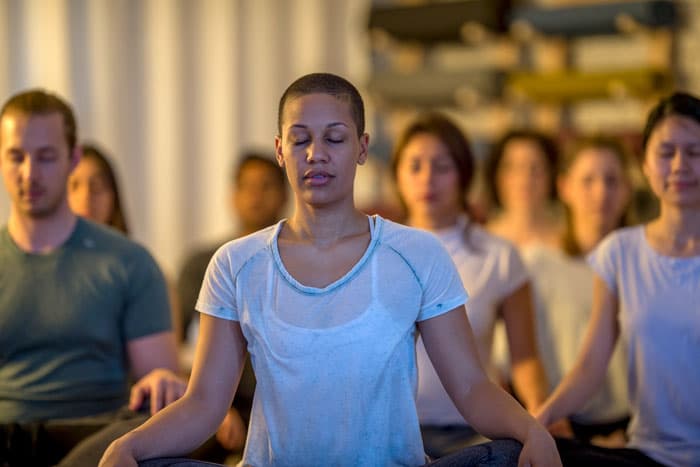
Movement meditation
Movement meditation blends conscious movement with focused attention, inviting you to use the body as an anchor for awareness rather than a still posture. In practice you slow down ordinary actions—walking, stretching, tai chi, qigong, or mindful household tasks—and bring full attention to sensations, breath, and the shifting balance of the body. This approach makes mindfulness accessible for people who struggle with seated practice and helps integrate awareness into everyday life. Movement meditation fosters a stronger mind‑body connection, increases bodily awareness, and creates a natural rhythm that supports sustained attention without forcing stillness. Movement meditation offers several practical benefits: reduced stress and anxiety, improved mood, enhanced concentration, and greater bodily resilience; it can also improve posture, balance, and physical coordination while releasing tension held in muscles. Because it combines physical activity with mindful attention, it often produces both physiological relaxation and mental clarity, making it a useful bridge between exercise and contemplative practice.

Focused meditation
Focused attention meditation is a concentration‑based practice in which you deliberately place and sustain attention on a chosen anchor—commonly the breath, a bodily sensation, a mantra, or an external object—and gently return to that anchor whenever the mind wanders. The core skill is monitoring attention: noticing when it drifts, labeling the distraction if helpful, and bringing it back without self‑criticism. This repeated redirection builds attentional control, making it easier to resist habitual distraction and sustain effortful focus in daily tasks. Practitioners report clearer thinking and improved task performance, and guided programs show that focused practice can boost concentration and reduce the frequency of mind‑wandering episodes. Over weeks of consistent practice, benefits often extend beyond attention: many people experience better working memory, improved mood, and enhanced emotional regulation, because the practice increases the gap between impulse and response and strengthens neural systems involved in executive control. Focused attention is also adaptable: sessions can be as short as 5–10 minutes for beginners and lengthened as skill grows; simple variations—counting breaths, using a short mantra, or focusing on the sensation at the nostrils—help maintain engagement.

Guided meditation
Guided meditation is a practice where an instructor—live or recorded—directs your attention through breath awareness, body scans, visualizations, or gentle prompts. This external guidance removes the pressure of “doing it right,” helps anchor wandering minds, and provides a clear structure for each session. Because a guide sets the pace and focus, guided sessions are especially helpful for beginners, people with anxiety, and those who prefer verbal cues over silent sitting. Short guided practices (5–20 minutes) are effective for producing immediate relaxation and lowering perceived stress, making them a practical tool for daily self‑care. Guided meditation delivers many of the same benefits as unguided practices while lowering the barrier to entry: reduced stress and anxiety, improved mood, better sleep, and enhanced emotional regulation. Clinical summaries and consumer health reviews note that even brief, regular guided sessions can decrease physiological stress responses and improve mental well‑being. Digital guided programs and apps have expanded access, and emerging studies show that app‑based guided meditations can produce measurable improvements in mood, sleep, and repetitive negative thinking when used consistently.

Mantra meditation
Mantra meditation centers on the repetition of a chosen sound, word, or phrase—silently or aloud—as an anchor for attention, allowing the mind to settle without forceful concentration. The practice can be secular or rooted in spiritual traditions; in either case the mantra functions as a mental tool that redirects habitual thinking and creates a rhythmic focus that is easy to return to when distraction arises. Because the repetition is simple and structured, mantra practice is especially helpful for people who struggle with a busy mind or find breath‑focused techniques difficult. Regular repetition tends to produce immediate calming effects by engaging the parasympathetic nervous system and lowering physiological arousal, and many practitioners report a subjective sense of increased clarity and reduced anxiety after short sessions. Over time, consistent practice supports improved attentional stability, reduced rumination, and enhanced emotional regulation, with some studies and clinical summaries noting benefits for mood and stress management. Mantra meditation is flexible in format—sessions can be brief (5–10 minutes) or longer, practiced sitting or during gentle movement—and can be combined with breath awareness or body relaxation to deepen its effects. Because mantras can be culturally or personally meaningful, some people experience added motivational or spiritual resonance, while others prefer neutral sounds chosen for their ease of repetition.

Visualization meditation
Visualization meditation invites you to create vivid, sensory mental images—a peaceful scene, a successful performance, or a healing process—and hold that imagery with calm, focused attention. During a session you settle into a comfortable posture, breathe slowly, and guide your mind to imagine details: colors, textures, sounds, bodily sensations, and the sequence of events. The practice blends relaxation with directed imagination, making it useful for stress reduction, creative problem solving, and performance preparation. Because the brain often responds to imagined experiences similarly to real ones, visualization can prime emotional and physiological systems in helpful ways: calming the nervous system, sharpening intention, and rehearsing desired behaviors. Visualization reduces stress and promotes relaxation by shifting attention away from rumination and toward calming, controllable images; many guided imagery programs report immediate decreases in anxiety and improved mood. It enhances motivation and performance. Visualization supports cognitive and emotional change by helping people rehearse new responses, reframe difficult memories, or imagine healing processes—techniques used in therapy and wellness programs to foster resilience and positive mindset shifts. It’s accessible and adaptable, as sessions can be brief (5–15 minutes), self‑guided or recorded, and tailored to goals like sleep, stress relief, creativity, or goal attainment; combining imagery with sensory detail and relaxed breathing increases effectiveness.

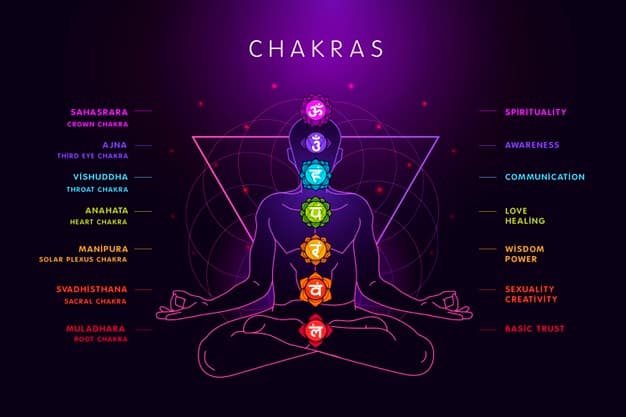
Chakra meditation
Chakra meditation is an energy‑based contemplative practice that directs awareness to the seven primary chakras—energy centers traditionally located along the spine from the base to the crown—using breath, visualization, sound, or focused attention to sense and harmonize each center. Practitioners may visualize colors, repeat phrases or mantras associated with specific chakras, or place mindful attention on bodily sensations at each location to encourage a felt sense of openness and flow. The practice is often taught as a sequence that moves from grounding at the root chakra up through the sacral, solar plexus, heart, throat, third eye, and crown, with the aim of restoring balance when a chakra feels blocked or overactive. Chakra meditation is reported to support emotional balance, stress reduction, and increased self‑awareness by giving people a structured way to notice and work with bodily sensations and habitual emotional patterns; many teachers and wellness resources describe improvements in mood, clarity, and a sense of inner stability after regular practice. Because the method combines focused attention, breath regulation, and imagery, it can produce immediate calming effects—lowering physiological arousal—and longer‑term gains in emotional regulation and resilience. Some practitioners also report enhanced creativity, improved sleep, and a deeper sense of purpose or spiritual connection as chakras feel more aligned and energy flows more freely.
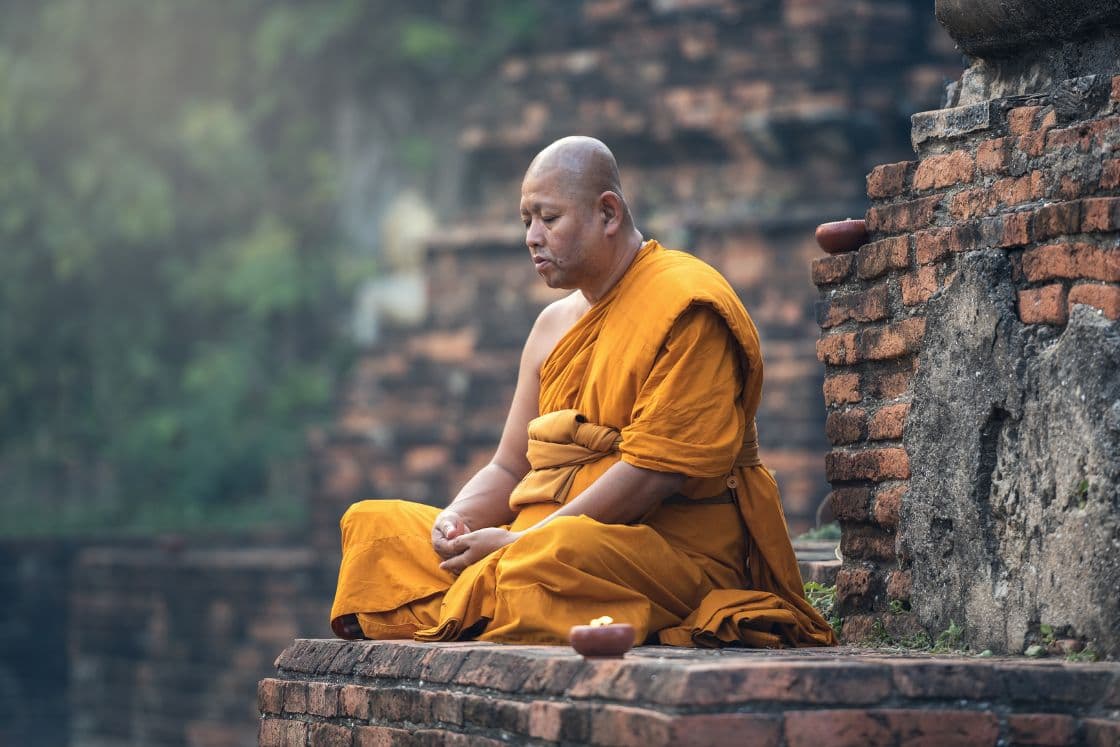
Vipassana meditation
Vipassana, often translated as insight or “seeing things as they really are,” is a traditional Buddhist meditation technique that emphasizes systematic self‑observation of breath, bodily sensations, thoughts, and feelings with an attitude of nonjudgmental curiosity. Practitioners learn to notice the arising and passing of experience rather than trying to change it, which gradually reveals habitual patterns of reactivity and opens space for wiser responses. Vipassana training typically begins with focused attention on the breath or a single bodily point to stabilize the mind, then expands into open monitoring of sensations and mental events; this progression builds both concentration and clear awareness, enabling practitioners to observe how sensations, emotions, and thoughts interrelate without being swept away by them. The benefits of Vipassana are both psychological and physiological: reduced stress and anxiety, improved emotional regulation, greater self‑awareness, and enhanced attention.
Why is meditation beneficial?
Meditation reliably reduces stress and emotional reactivity by shifting attention away from rumination and activating relaxation responses. Short practices lower perceived stress, ease anxiety, and can reduce pain and depressive symptoms by interrupting habitual worry cycles and calming the nervous system. These immediate effects make meditation a practical tool for everyday stress management and for buffering the physiological toll of chronic stress on the body. Meditation also improves cognitive function, especially attention and working memory. Training that stabilizes attention—such as breath‑focused or focused‑attention practices—reduces mind‑wandering and strengthens executive control, which helps with concentration at work or study and decreases distractibility.
Conclusion
Different meditation styles—mindfulness, concentration, loving‑kindness, mantra, movement, and guided visualization—offer varied routes to the same aims: greater awareness, reduced stress, and improved emotional balance; the best choice is the one you can practice consistently, so start small, match the method to your goal, and build a simple daily habit to see real change.
Read More