


Asthma is a chronic airway condition with several distinct patterns or subtypes defined by triggers, age of onset, and underlying inflammation; identifying your type helps tailor treatment and improve control.
What Is Asthma?
Asthma is a chronic inflammatory condition of the airways in which the bronchial tubes become hyperresponsive to a variety of triggers, leading to reversible narrowing, mucus production, and airflow limitation. During an asthma episode the airway lining swells, smooth muscle tightens (bronchospasm), and excess mucus can further obstruct airflow, producing the classic symptoms of wheezing, coughing, chest tightness, and shortness of breath. Triggers vary widely and include allergens (pollen, dust mites, pet dander), respiratory infections, exercise, cold air, smoke, strong odors, and emotional stress; some people have clear allergic asthma while others have nonallergic or mixed forms. Asthma severity ranges from intermittent, mild symptoms to persistent, severe disease that limits daily activities and increases risk of life‑threatening exacerbations. Although asthma cannot be cured, most people achieve good control with a combination of inhaled anti‑inflammatory medications (usually corticosteroids) and bronchodilators for symptom relief, plus trigger management and an action plan for exacerbations. Accurate diagnosis typically uses clinical history and spirometry or peak‑flow testing to document variable airflow obstruction and response to bronchodilators, and targeted testing (allergy testing, fractional exhaled nitric oxide) can help classify phenotype and guide therapy.

Types of asthma
Asthma is an umbrella term for airway conditions that share chronic inflammation and variable airflow obstruction, but clinicians separate common subtypes because they differ in triggers, course, and optimal management.
Allergic asthma is driven by IgE‑mediated sensitivity to environmental allergens (pollen, dust mites, pet dander) and often begins in childhood; it commonly coexists with allergic rhinitis and eczema and typically responds well to inhaled corticosteroids and allergy‑directed measures such as avoidance and immunotherapy.
Cough‑variant asthma presents mainly with a persistent, dry cough rather than classic wheeze or breathlessness; it may be triggered by viral infections or reflux and is diagnosed by lung function testing and response to bronchodilators or inhaled steroids.
Occupational asthma results from workplace exposures (chemicals, dusts, fumes) and may improve when the exposure stops; early recognition, exposure control, and sometimes job modification are critical to prevent chronic disease.
Exercise‑induced asthma (exercise‑induced bronchoconstriction) causes shortness of breath, coughing, or wheeze during or after exertion and is often prevented with pre‑exercise inhaled bronchodilators and warm‑up strategies.
Non‑allergic asthma lacks clear allergic sensitization and is more common in adults; triggers include infections, irritants, cold air, and stress, and it may require higher anti‑inflammatory treatment or targeted biologics if eosinophilic inflammation is present.
Seasonal asthma overlaps with allergic asthma but is characterized by symptom flares tied to seasonal allergens such as tree or grass pollen; anticipatory treatment before highexposure periods can reduce exacerbations.
Many patients have mixed features (for example, allergic plus exercise‑induced symptoms), so classification guides but does not rigidly determine therapy. Accurate diagnosis uses history, spirometry or peak flow testing, and sometimes allergy testing or biomarkers (blood eosinophils, exhaled nitric oxide) to match treatment to phenotype, improving control and reducing exacerbations.

Symptoms of asthma
Asthma symptoms arise from airway inflammation, bronchospasm, and mucus production, which together narrow airflow and produce the classic symptom cluster of wheezing, coughing, chest tightness, and shortness of breath. Symptoms often fluctuate: some people have intermittent episodes tied to triggers (allergens, exercise, cold air, respiratory infections, smoke, or strong odors), while others experience persistent daily symptoms and frequent exacerbations. Cough may be the dominant or only symptom in cough‑variant asthma, and symptoms commonly worsen at night or early morning, disrupting sleep. During an exacerbation the breathing difficulty can escalate rapidly, with louder wheeze, increased cough, faster breathing, and difficulty speaking; relief often follows inhaled bronchodilators, but severe attacks may require urgent care. Symptom severity does not always match lung function, so even people with mild daily complaints can have significant airway obstruction during an attack. Because triggers and patterns vary, tracking when symptoms occur, what provokes them, and how quickly they respond to rescue inhalers helps clinicians confirm the diagnosis and tailor treatment to reduce both daily symptoms and the risk of severe exacerbations.

Asthma causes & triggers
Asthma develops when a person with genetic predisposition encounters environmental factors that shape airway development and immune responses, producing chronic airway inflammation and hyperresponsiveness that make the bronchi overly sensitive to otherwise tolerated stimuli. Early‑life influences such as viral respiratory infections, exposure to tobacco smoke, and certain microbial patterns can increase the risk of developing asthma, while adult‑onset asthma may follow occupational exposures, hormonal changes, or persistent irritant exposure. The underlying biology often involves type‑2 inflammatory pathways in allergic and eosinophilic asthma, but non‑type‑2 mechanisms also occur, so the same person may react to different triggers through different inflammatory routes. Because the exact mix of causes differs between individuals, asthma is best understood as a syndrome with multiple interacting causes rather than a single disease entity.
What is the best way to manage asthma?
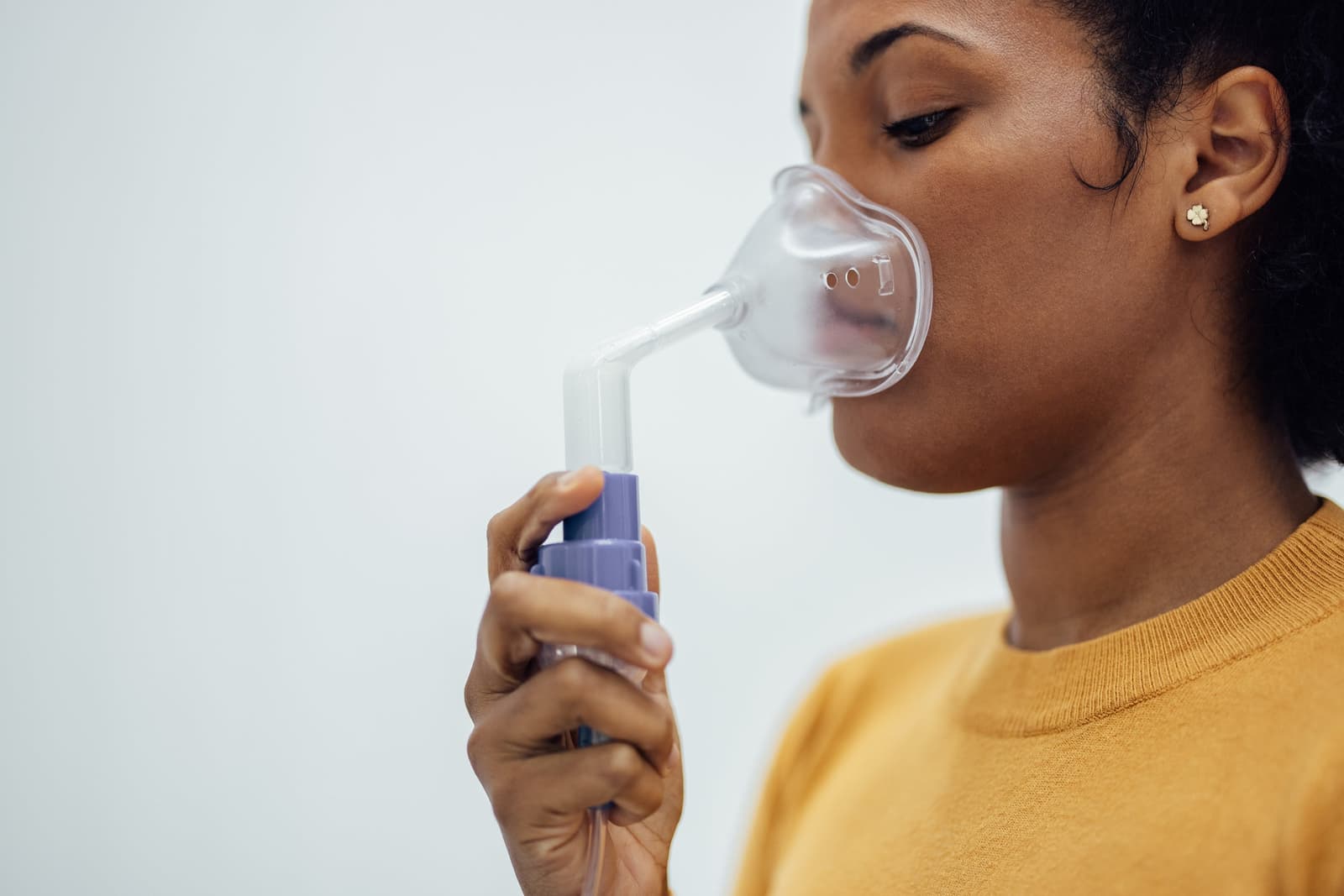
Effective asthma management begins with accurate diagnosis and assessment of severity and risk, using history, spirometry or peak flow, and, when indicated, biomarkers such as blood eosinophils or fractional exhaled nitric oxide to guide therapy. Start with daily anti‑inflammatory controller treatment—typically inhaled corticosteroids at the lowest effective dose—to reduce airway inflammation and prevent exacerbations, and pair this with a short‑acting or combination reliever for symptom relief and rescue use. Management is stepwise and personalized: escalate treatment when symptoms or exacerbation risk persist, and step down when control is sustained. Equally important are trigger identification and avoidance, inhaler technique training, vaccination against respiratory pathogens, and a written asthma action plan that tells patients how to adjust medications during worsening symptoms and when to seek urgent care. Regular review of control, adherence, and comorbidities (allergic rhinitis, reflux, obesity) improves outcomes. For patients with severe or difficult‑to‑control asthma, referral to a specialist enables advanced options such as biologic therapies targeted to type‑2 inflammation and consideration of add‑on treatments informed by biomarkers and multidisciplinary assessment.

Conclusion
Asthma comes in several overlapping types—each with different triggers, inflammatory patterns, and treatment responses—so identifying your specific type is essential to choose the most effective, personalized care.
Read More