


Erectile Dysfunction (ED) is a common yet often misunderstood condition affecting millions of men worldwide. Defined as the consistent inability to achieve or maintain an erection sufficient for satisfactory sexual performance, ED can have significant physical, emotional, and psychological impacts. While it becomes more prevalent with age, it is not an inevitable part of aging and often signals underlying health issues that require attention.
Understanding the causes of erectile dysfunction is crucial—not only for effective treatment but also for early detection of potentially serious medical conditions. In this article, we explore the primary causes of ED in detail, covering physical, psychological, and lifestyle-related factors.
Cardiovascular Diseases
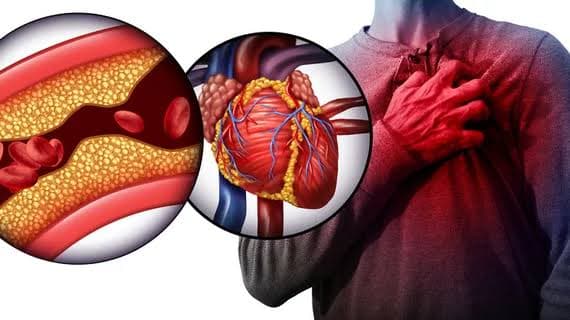
One of the most common causes of erectile dysfunction is poor blood flow, often linked to cardiovascular conditions such as atherosclerosis (narrowing of the arteries), hypertension (high blood pressure), and heart disease.
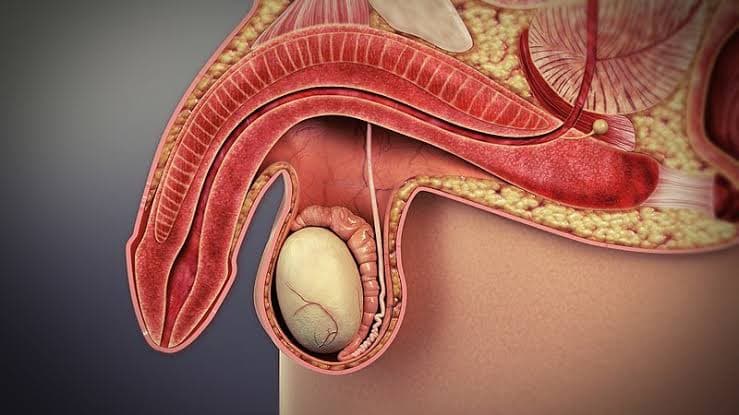
An erection depends on adequate blood flow to the penile tissues. When arteries become narrowed or blocked due to plaque buildup, blood cannot flow efficiently, making it difficult to achieve or maintain an erection. In fact, ED is sometimes considered an early warning sign of heart disease because penile arteries are smaller and may show symptoms earlier than coronary arteries.
Men experiencing ED should consider cardiovascular screening, as addressing heart health can significantly improve erectile function.
Diabetes and Metabolic Disorders
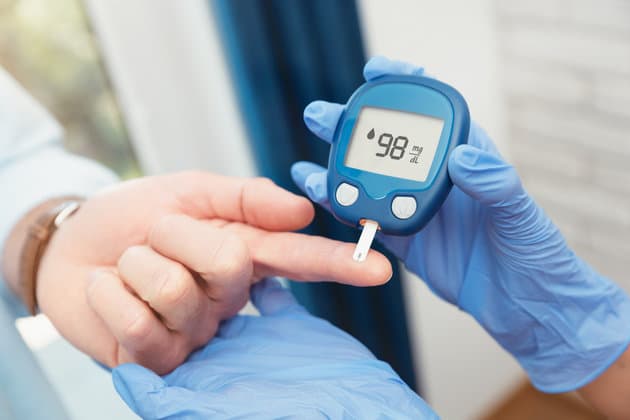
Diabetes is another leading cause of erectile dysfunction. High blood sugar levels can damage both blood vessels and nerves over time, impairing the mechanisms required for an erection.
Men with diabetes are significantly more likely to develop ED—and often at a younger age—than those without the condition. Poorly controlled diabetes accelerates nerve damage (neuropathy) and reduces blood flow, both of which are essential for sexual function.
Other metabolic disorders, such as obesity and metabolic syndrome, also contribute to ED by disrupting hormonal balance and vascular health.
Hormonal Imbalances
Hormones play a critical role in sexual function, particularly testosterone. Low testosterone levels (hypogonadism) can reduce libido and contribute to erectile difficulties. Other hormonal issues that may cause ED include:
Thyroid disorders (both hyperthyroidism and hypothyroidism)
Elevated prolactin levels
Imbalances in luteinizing hormone (LH) or follicle-stimulating hormone (FSH)
Hormonal ED often presents alongside symptoms such as fatigue, decreased muscle mass, mood changes, and reduced sexual desire. Blood tests are typically used to diagnose these conditions.

Neurological Disorders
The brain and nervous system are essential for initiating and maintaining erections. Any disruption in nerve signals can lead to erectile dysfunction. Neurological causes include:
Parkinson’s disease
Multiple sclerosis (MS)
Stroke
Spinal cord injuries
Nerve damage from surgeries (e.g., prostate surgery)
These conditions interfere with the communication between the brain and the penile nerves, making it difficult to trigger or sustain an erection.

Psychological Factors
Not all cases of ED have a physical cause. Psychological factors can play a major role, especially in younger men. Common psychological causes include:
Stress
Anxiety (especially performance anxiety)
Depression
Relationship issues
Low self-esteem
Mental health conditions can disrupt the brain’s ability to send the necessary signals for an erection. In many cases, psychological ED can create a cycle where anxiety about performance worsens the condition over time. Addressing these issues through therapy, counseling, or stress management techniques can significantly improve outcomes.

Medications and Medical Treatments
Certain medications can interfere with sexual function as a side effect. These include:
Antidepressants (SSRIs)
Blood pressure medications (beta-blockers, diuretics)
Antihistamines
Sedatives and tranquilizers
Hormonal drugs (such as those used in prostate cancer treatment)
Additionally, treatments like radiation therapy or surgery—especially prostate or pelvic surgery—can damage nerves or blood vessels involved in erections. If ED begins after starting a new medication, consulting a healthcare provider about alternatives may help.

Lifestyle Factors
Lifestyle choices have a profound impact on sexual health. Unhealthy habits can significantly increase the risk of erectile dysfunction. Key lifestyle contributors include:
Smoking: Smoking damages blood vessels and restricts blood flow, making it a major risk factor for ED.
Alcohol Consumption: While moderate drinking may not cause issues, excessive alcohol use can depress the central nervous system and impair sexual performance.
Lack of Physical Activity: Sedentary lifestyles contribute to obesity, cardiovascular disease, and poor circulation—all linked to ED.
Poor Diet: Diets high in processed foods, sugar, and unhealthy fats can negatively affect vascular health and hormone levels.
Adopting a healthier lifestyle—including regular exercise, a balanced diet, and quitting smoking—can improve erectile function and overall well-being.

Age and Natural Changes
Although aging itself does not directly cause erectile dysfunction, the likelihood of developing conditions associated with ED increases over time. Older men are more likely to experience:
Reduced testosterone levels
Slower arousal response
Increased prevalence of chronic diseases
However, ED should never be dismissed as “just aging.” Proper evaluation can identify treatable causes at any age.

Chronic Illness and General Health
Chronic conditions such as kidney disease, liver disease, and cancer can affect overall health and contribute to erectile dysfunction. These conditions often lead to fatigue, hormonal imbalances, and reduced physical function, all of which can impact sexual performance. Additionally, the psychological burden of chronic illness can further exacerbate ED.
Conclusion
Erectile dysfunction is a multifactorial condition with a wide range of causes, including physical, psychological, and lifestyle-related factors. While it can be distressing, it is also highly treatable once the underlying cause is identified. In many cases, ED serves as an early warning sign of more serious health conditions, particularly cardiovascular disease and diabetes. Seeking medical advice is crucial—not only to restore sexual function but also to protect overall health.
Read More