


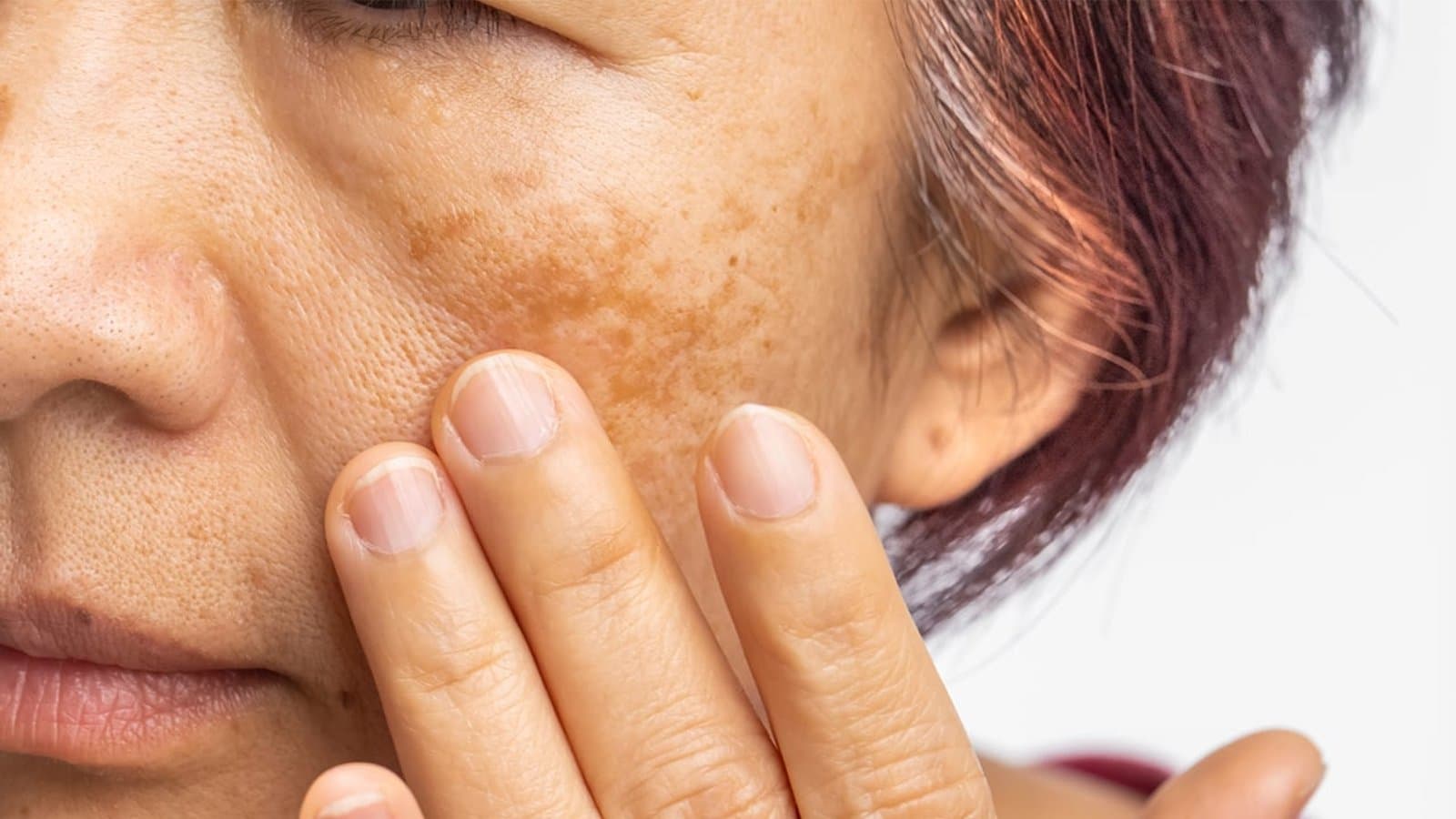
Melasma is an acquired pigmentary disorder that causes symmetric, blotchy, brown to gray-brown patches on sun‑exposed areas of the face, most commonly the cheeks, forehead, upper lip, nose, and chin.
What is melasma?
Melasma is a common acquired pigmentary disorder characterized by symmetrical, irregularly shaped patches of light to dark brown discoloration that most often appear on sun-exposed areas of the face—particularly the cheeks, forehead, upper lip, nose, and chin. It primarily affects women of reproductive age and is strongly associated with hormonal influences such as pregnancy and use of oral contraceptives or hormone therapy, although men can also develop the condition. Ultraviolet radiation is a major trigger and exacerbating factor, and individuals with darker skin phototypes or a family history of melasma are at higher risk. The pigmentation may be located in the epidermis, the dermis, or both, which influences its appearance and responsiveness to treatment. While melasma is not harmful physically, it can cause significant psychosocial distress because of its visible and often chronic, relapsing course. Diagnosis is typically clinical, sometimes aided by tools such as Wood’s lamp or dermoscopy to estimate pigment depth. Management centers on strict sun protection, avoiding triggering hormones or photosensitizing agents where possible, and the use of topical depigmenting agents and, in selected cases, procedural therapies—always with realistic expectations about recurrence and the need for maintenance.

How common is melasma?
Melasma is a common acquired pigmentary disorder with a markedly variable prevalence across populations and settings; it is far more frequent in women—especially those of reproductive age—and is strongly associated with hormonal events such as pregnancy and use of oral contraceptives, as well as with darker skin phototypes and a family history of the condition. Reported prevalence ranges widely because studies differ by region, ethnicity, and whether the surveyed group includes high-risk subpopulations such as pregnant women or dermatology clinic attendees; prevalence estimates therefore span from low single-digit percentages in some community samples to much higher rates in clinics and among pregnant cohorts. Melasma commonly begins in the second to fourth decades of life and disproportionately affects people who have frequent ultraviolet exposure, which both precipitates and worsens pigmentary changes. Because presentation is visible and often chronic with a relapsing course, even moderate prevalence translates into substantial psychosocial burden and quality-of-life effects for many individuals. Epidemiologic surveys and reviews emphasize that melasma’s true population-level frequency depends on local genetics, sun behavior, and hormonal factors, and that clinicians should consider these contextual variables when assessing risk and planning prevention and long-term management.
Who is at risk of melasma?
Melasma most commonly affects women of reproductive age and is strongly associated with hormonal changes such as pregnancy and use of oral contraceptives or hormone replacement therapy, though men can develop it as well. People with darker skin phototypes have higher susceptibility, and a positive family history increases risk, suggesting a genetic predisposition. Ultraviolet radiation is a major precipitating and exacerbating factor, so individuals with high sun exposure—outdoor workers, people living in sunny climates, or those who frequently use tanning beds—are at greater risk. Other contributors include certain medications and cosmetic or topical agents that provoke photosensitivity or irritation, which can trigger pigmentation in susceptible individuals. The typical onset is in the second to fourth decades of life, and risk rises when multiple factors coexist (for example, a pregnant woman with darker skin and significant sun exposure). Because melasma often follows a chronic, relapsing course and appears on highly visible facial areas, even moderate risk translates into meaningful psychosocial impact for many affected people.
What are the types of melasma?
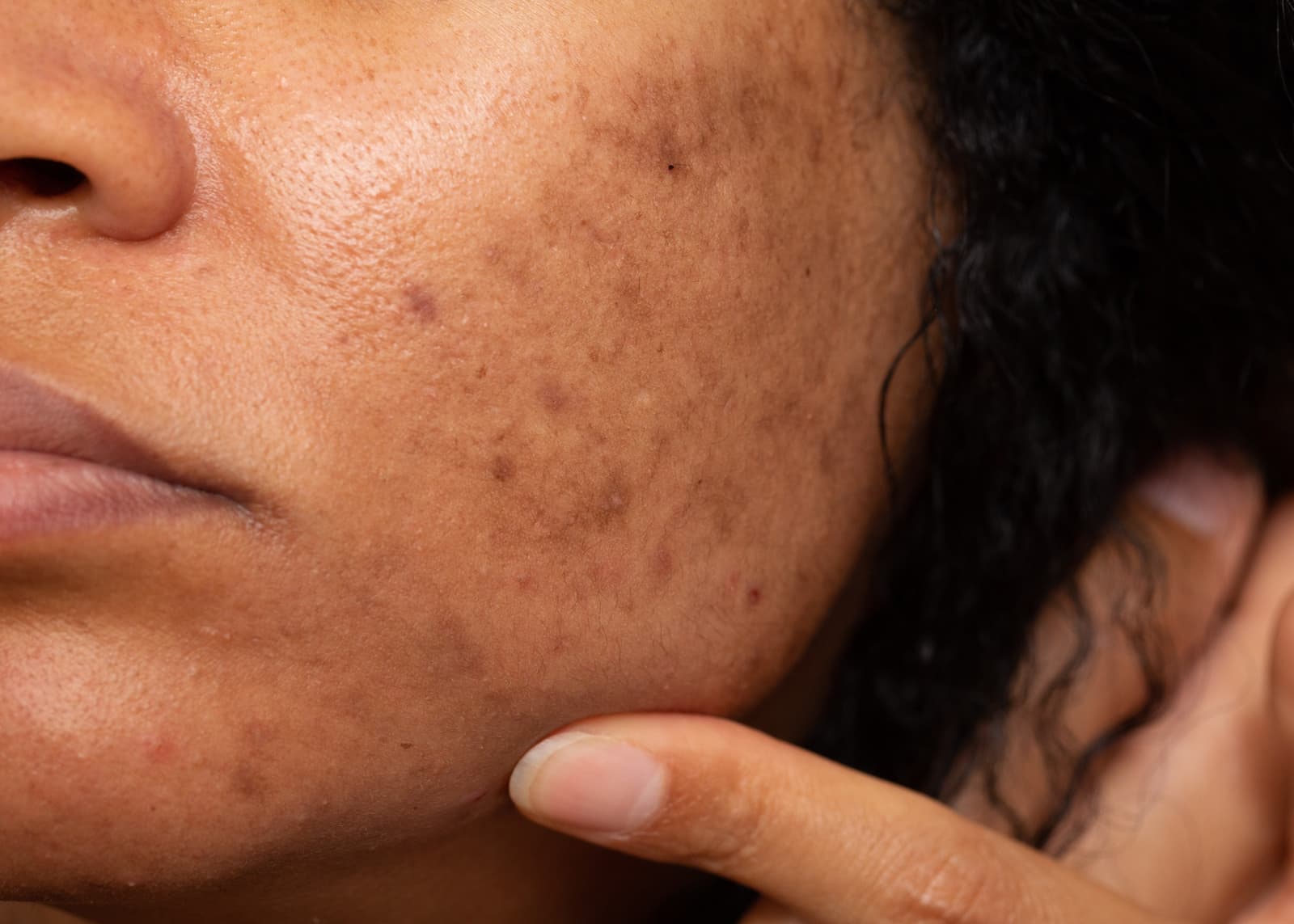
Melasma is classically categorized into three types—epidermal, dermal, and mixed—based on the depth of pigment deposition, which influences clinical appearance and treatment response.
Epidermal melasma involves excess melanin and increased melanocyte activity confined to the basal and suprabasal layers of the epidermis, producing relatively well‑defined, light to dark brown macules that typically respond best to topical depigmenting agents and sun protection.
Dermal melasma features melanin and melanophages within the dermis, often giving a slate‑gray or bluish hue and tending to be more persistent and refractory to therapy because pigment resides deeper in the skin.
Mixed melasma shows combined epidermal and dermal involvement, producing variable coloration and an intermediate treatment response; management usually requires a multimodal approach that addresses both superficial and deeper pigment, and clinicians often use adjunctive procedures with caution to avoid postinflammatory hyperpigmentation.
Differentiating these types clinically can be aided by Wood’s lamp examination or dermoscopy to estimate pigment depth, though these tools have limitations and biopsy is rarely needed. Recognizing the type helps set realistic expectations and informs a tailored, long‑term strategy emphasizing photoprotection and maintenance therapy.

What causes melasma?
Melasma arises from increased activity of melanocytes—the pigment‑producing cells in skin—triggered by a combination of genetic, hormonal, and environmental factors; the exact biologic mechanism is not fully understood but these influences prompt melanin overproduction and its deposition in the epidermis, dermis, or both. Hormonal fluctuations are a principal driver: rises in estrogen and progesterone during pregnancy, use of oral contraceptives, hormone replacement therapy, and some hormonal IUDs commonly precipitate or worsen melasma. Ultraviolet and visible light exposure are critical environmental triggers that stimulate melanogenesis and perpetuate lesions, which explains the predilection for sun‑exposed facial areas. A family history and darker skin phototypes confer increased susceptibility, implying a genetic predisposition that interacts with external triggers. Additional contributors include certain medications and topical agents that cause photosensitivity or cutaneous irritation, as well as procedures or inflammation that can induce postinflammatory hyperpigmentation in predisposed individuals. Because multiple factors often act together—such as a genetically susceptible woman experiencing hormonal change plus frequent sun exposure—melasma frequently follows a chronic, relapsing course that requires ongoing photoprotection and maintenance therapy for control rather than a single definitive cure.
Is there a cure for melasma?
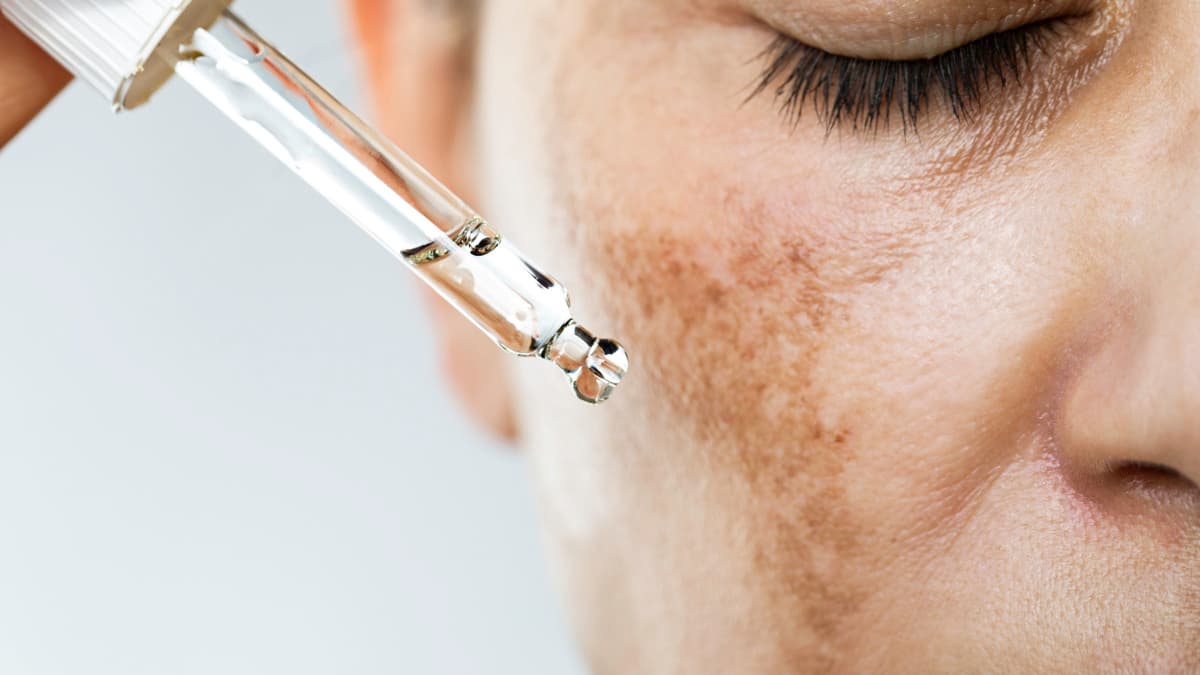
Melasma is generally considered a chronic, relapsing condition rather than one with a definitive, permanent cure; treatments can substantially lighten lesions and improve appearance, but recurrence is common because underlying drivers—hormonal influences, genetic predisposition, and lifetime sun and visible light exposure—often remain. Most effective management combines rigorous photoprotection (broad‑spectrum sunscreen, visible‑light protection, physical barriers), avoidance or modification of hormonal triggers when possible, and topical agents that reduce melanogenesis such as hydroquinone, retinoids, azelaic acid, and tranexamic acid. Procedural therapies — chemical peels, microneedling with topical agents, and selective lasers or light devices — can accelerate clearance in selected patients but carry risks of irritation or postinflammatory hyperpigmentation and often require maintenance therapy to sustain gains. Because pigment can be epidermal, dermal, or mixed, response varies: epidermal disease tends to respond better than dermal. Long‑term control strategies and patient education about realistic expectations are crucial; many people achieve marked improvement but need ongoing sun protection and intermittent or continuous topical maintenance to prevent relapse. Research into new agents and combination approaches continues, but at present management focuses on durable control and quality‑of‑life improvement rather than an assured permanent cure.
Conclusion
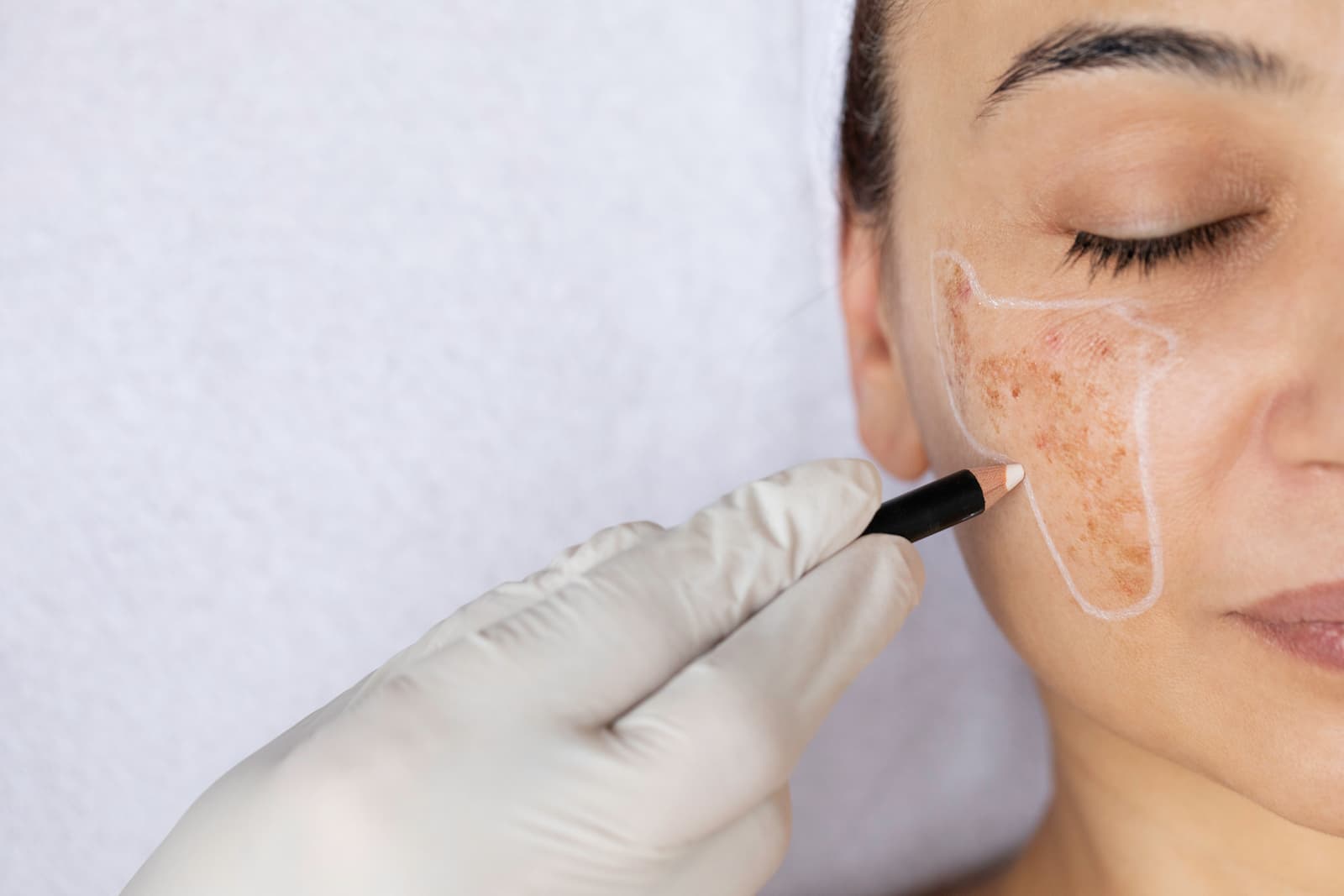
Melasma is a common, often chronic pigmentary disorder driven by a mix of genetic, hormonal, and environmental factors, with ultraviolet and visible light exposure serving as major triggers. Although complete and permanent cure is uncommon, many patients achieve meaningful improvement through a combination of strict photoprotection, targeted topical agents, cautious use of procedural therapies, and long‑term maintenance to reduce recurrence. Early recognition, realistic expectations, and individualized treatment plans that address pigment depth and precipitating factors improve outcomes and quality of life. Ongoing research promises better options, but current best practice emphasizes durable control, patient education, and consistent sun protection to manage melasma effectively.
Read More