

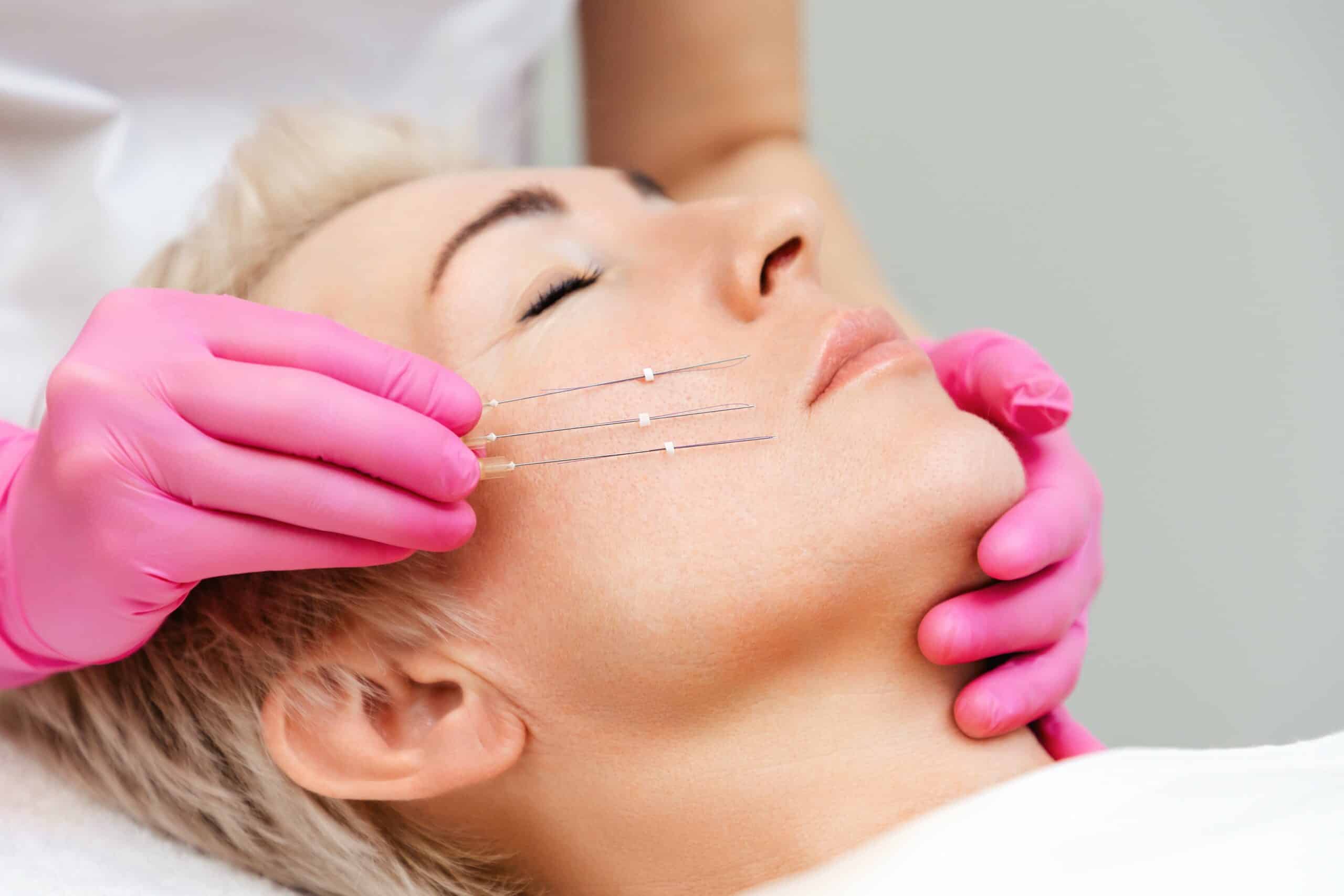
A facial thread lift is a non-surgical cosmetic procedure designed to lift and tighten sagging skin, offering a more youthful, refreshed appearance without the need for invasive surgery.
What is a thread lift?
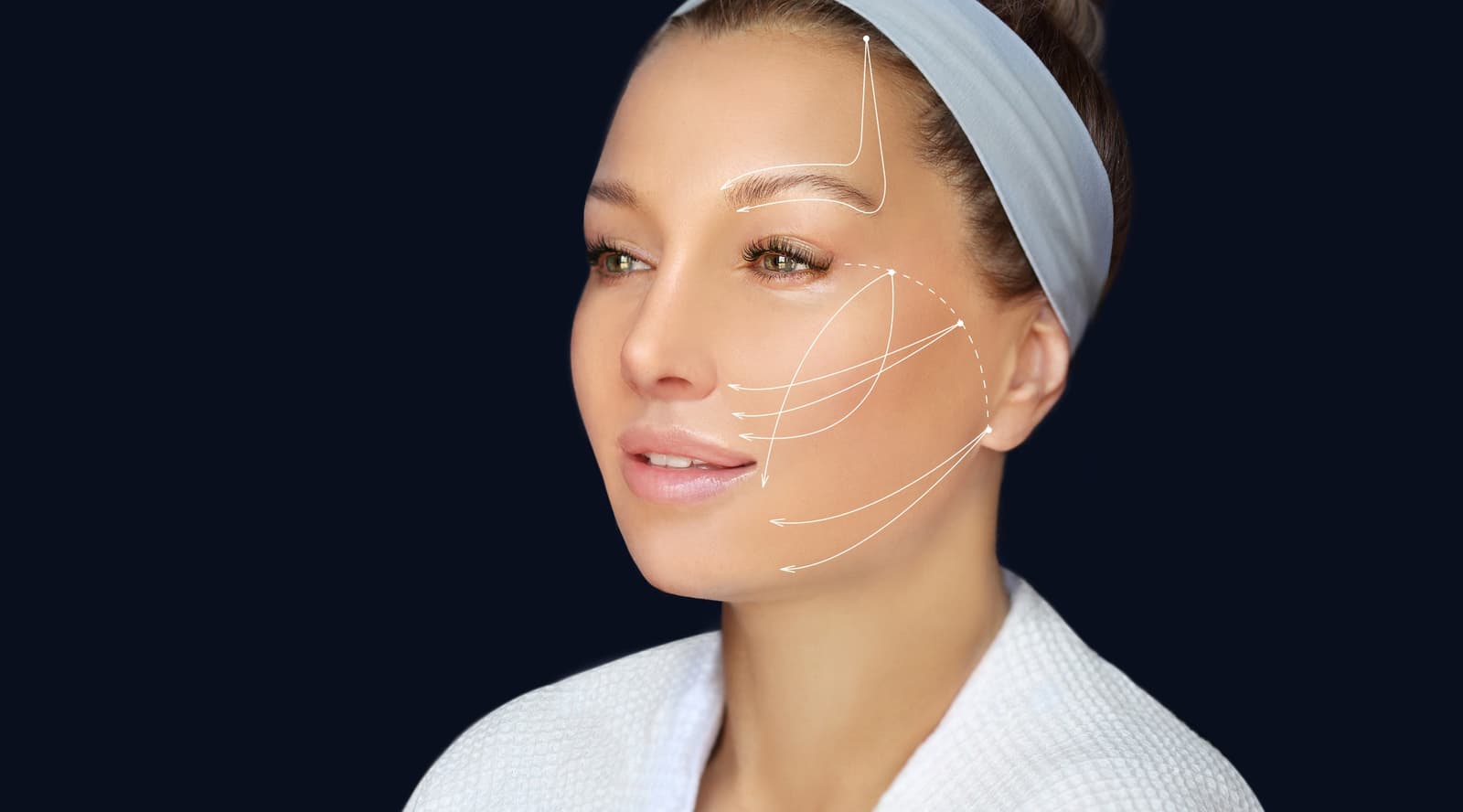
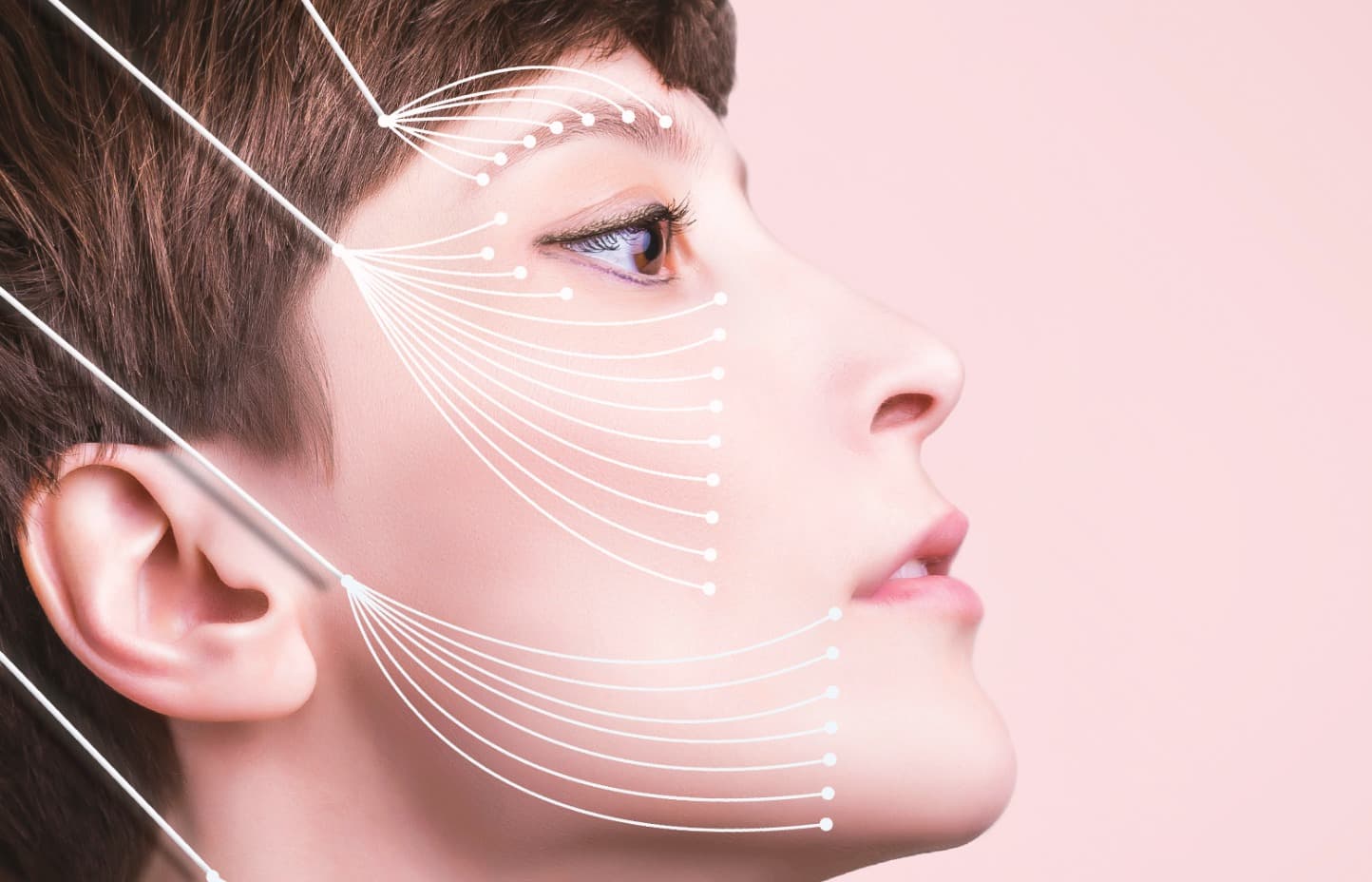
A thread lift is a minimally invasive cosmetic procedure designed to lift and tighten sagging skin on the face and neck, offering a more youthful appearance without the need for traditional surgery. During the procedure, fine, dissolvable threads made of materials like polydioxanone (PDO), poly-L-lactic acid (PLLA), or caprolactone are inserted under the skin using a needle. These threads create a supportive structure that lifts and repositions the skin, offering an immediate tightening effect. Over time, the threads stimulate collagen production in the treated area, which further enhances skin elasticity and smoothness. A thread lift can be used to target various areas of the face, including the cheeks, jawline, brow, and neck, addressing issues like sagging skin, jowls, and fine lines. The procedure is relatively quick, usually taking about 30 to 60 minutes, with minimal discomfort and little downtime. While results are not as dramatic or long-lasting as those from a facelift, a thread lift can provide a noticeable improvement in facial contours that lasts from 1 to 2 years, depending on the type of threads used. It’s a popular option for those seeking a subtle lift and rejuvenation without the risks and recovery time of more invasive surgeries.
What types of thread lifts are available?
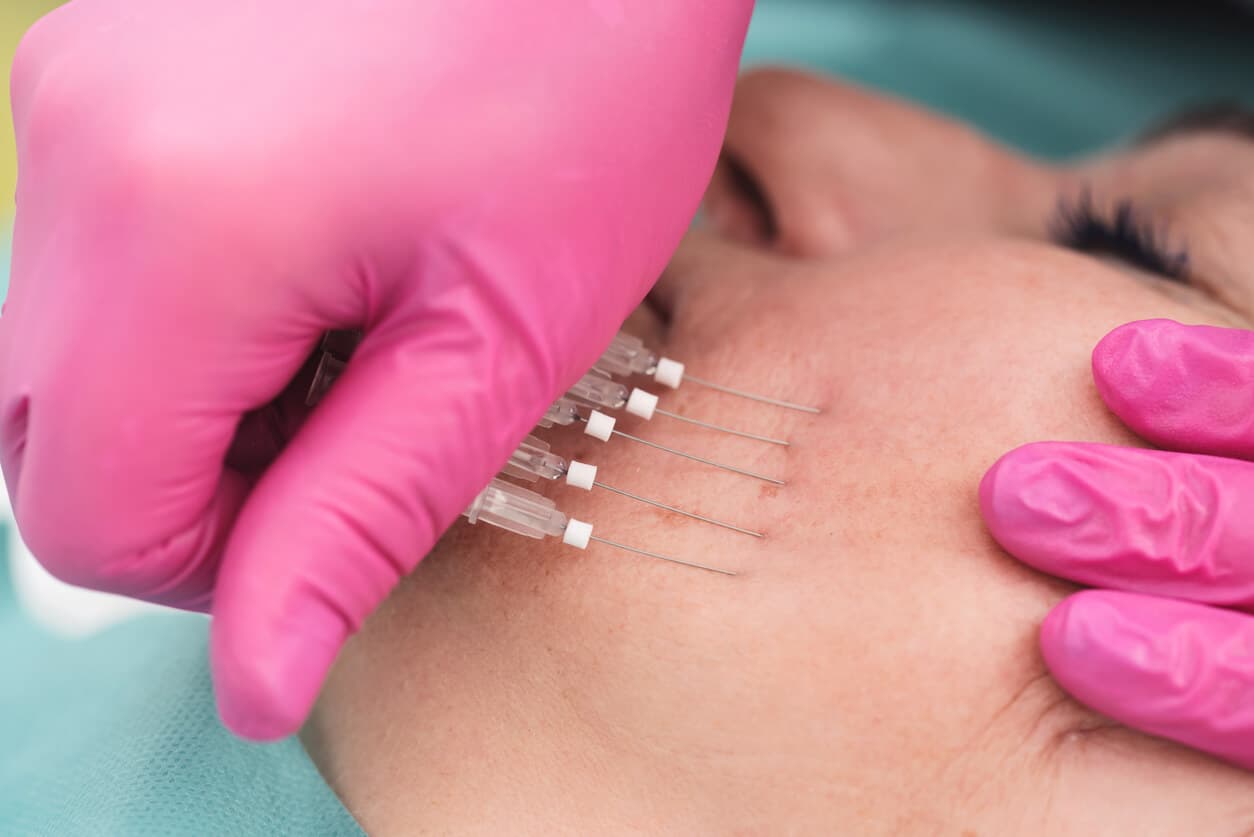
There are several types of thread lifts available, each offering different benefits depending on the individual’s aesthetic goals and the areas being treated. The most common types include PDO (Polydioxanone) thread lifts, PLLA (Poly-L-lactic Acid) thread lifts, and Silhouette Soft thread lifts.
PDO thread lifts are the most popular and widely used. These threads are made of biodegradable material that is absorbed by the body over time. PDO threads provide an immediate lifting effect, followed by gradual skin tightening as collagen is stimulated. This type is often chosen for its affordability, versatility, and minimal downtime.
PLLA thread lifts are made from a synthetic material that also dissolves over time, but they work by stimulating deeper collagen production, making them ideal for individuals looking for longer-lasting results. PLLA threads are typically used for more noticeable lifting and volumizing effects.
Silhouette Soft thread lifts use threads with bi-directional cones, designed to anchor the skin in place and provide more substantial lifting and contouring. These threads are often used for lifting the cheeks, jawline, and neck, offering a more significant result compared to PDO threads. Silhouette Soft threads also stimulate collagen production, contributing to long-term skin rejuvenation.
Each type of thread lift can be tailored to individual needs, providing a non-invasive solution for facial lifting and rejuvenation.
What are the alternatives to having a thread lift?
While thread lifts are a popular non-surgical option for facial rejuvenation, there are several effective alternatives that can also address sagging skin, loss of volume, and other signs of aging.
One such alternative is Endolift, a minimally invasive laser treatment designed to tighten and lift the skin. Endolift uses laser energy delivered through tiny fibers inserted under the skin to stimulate collagen production and promote tissue contraction. This process helps tighten sagging skin, improve skin tone, and enhance facial contours without the need for stitches or incisions. Endolift is particularly effective for the lower face, neck, and jawline areas, offering a subtle lift and improvement in skin texture.
Other alternatives include Ultherapy, which uses focused ultrasound to lift and tighten the skin by stimulating deep collagen production, and radiofrequency treatments like Thermage, which also help to tighten and firm the skin over time.
Dermal fillers can be used to restore lost volume and reduce sagging, particularly in areas like the cheeks and under the eyes, while Botox and similar neuromodulators help relax muscles and smooth out wrinkles and fine lines.
For those with more pronounced skin laxity, traditional surgical options like facelifts may be considered. Each treatment has its own set of benefits and is tailored to individual needs and concerns.

Who’s a good candidate for a thread lift?
A good candidate for a thread lift is typically someone who is experiencing mild to moderate skin sagging or signs of aging but is not ready for, or does not need, more invasive surgical procedures like a facelift. Ideal candidates are usually between the ages of 30 and 60, though it can vary depending on individual skin condition. Those with early signs of aging, such as subtle jowls, sagging cheeks, or fine lines, can benefit most from a thread lift.
The procedure is particularly effective for individuals with good skin elasticity, as the threads rely on the skin's ability to respond to lifting and stimulation of collagen production. People who have loose or thin skin that lacks elasticity may not see as dramatic results, as the lift provided by threads is not as intense as that of a surgical facelift. Candidates should also be in good overall health, without any major medical conditions or active skin infections, as these could interfere with healing. Additionally, thread lifts are a great option for those seeking a non-invasive solution with minimal downtime and a natural-looking result. People looking for subtle rejuvenation without undergoing general anesthesia or long recovery periods often find thread lifts to be an ideal choice.
What happens during a thread lift?
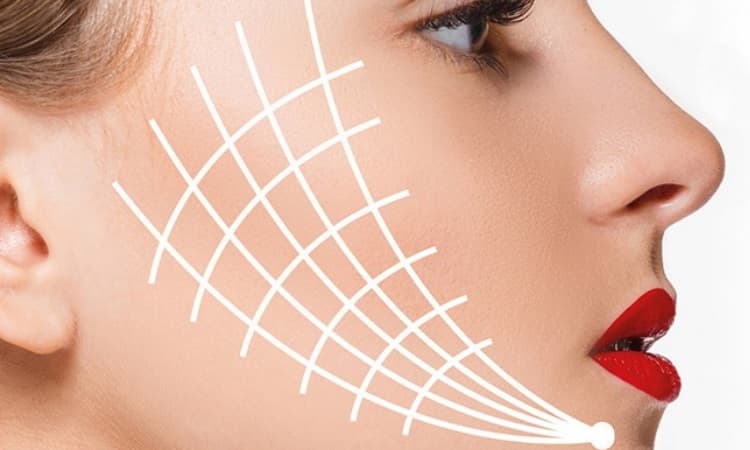
During a thread lift procedure, the first step is a consultation with the surgeon or practitioner to assess the areas of concern and determine the most suitable type of threads for the desired results. The procedure typically begins with the application of a local anesthetic to numb the treatment area, ensuring comfort throughout. Once the area is numbed, the practitioner uses a thin needle to insert the specially designed threads beneath the skin. These threads, made from materials like PDO (Polydioxanone), are placed strategically to lift and support sagging skin. Depending on the type of thread used, the threads may have small barbs or cones that grip the skin, helping to lift and tighten it immediately.
The threads are then gently pulled to create the desired lift and are anchored in place beneath the skin. As the procedure progresses, the threads are trimmed, and the skin is massaged to ensure smooth results. The entire process typically takes around 30 to 60 minutes, depending on the number of areas being treated. After the procedure, patients may experience some swelling, bruising, and mild discomfort, which usually subsides within a few days. Over time, the threads dissolve, stimulating collagen production, which helps further tighten and rejuvenate the skin for several months to come.
What are the risks & benefits of a thread lift?
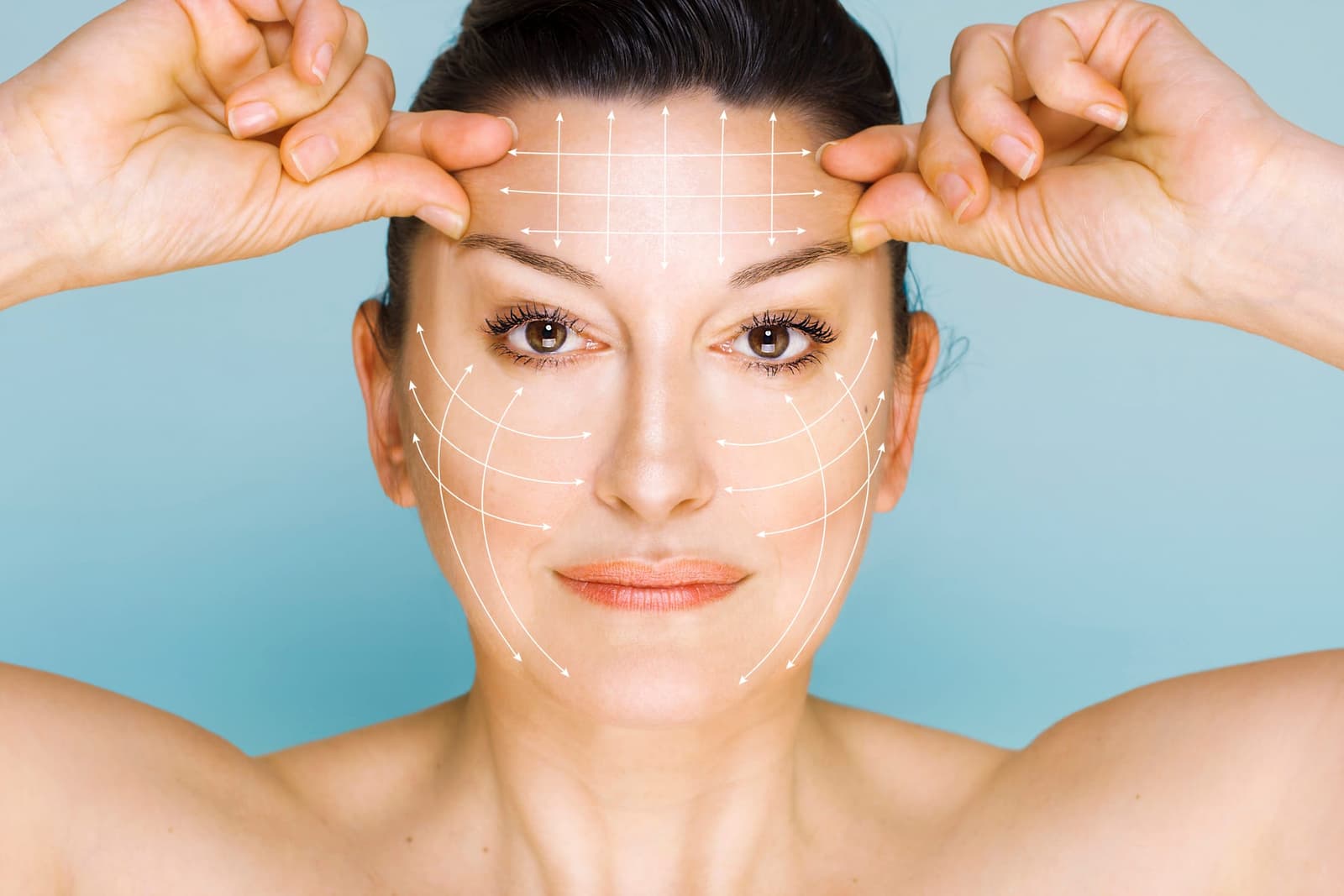
A thread lift offers several benefits but also carries certain risks that should be carefully considered. Benefits include a non-invasive procedure with minimal downtime, making it an attractive option for those seeking facial rejuvenation without the need for surgery. It provides an immediate lifting effect, improving facial contours and reducing sagging skin, particularly in areas like the cheeks, jawline, and neck. Additionally, thread lifts stimulate collagen production, which enhances skin texture and elasticity over time, leading to natural-looking, long-lasting results. The procedure is relatively quick, typically taking 30 to 60 minutes, and involves local anesthesia, so there is no need for general anesthesia or an extended recovery period.
However, risks include mild to moderate side effects such as swelling, bruising, or tenderness in the treated areas. In rare cases, there may be infection, thread migration (where the threads shift from their original position), or visible bumps under the skin. Some patients may experience asymmetry or the need for follow-up treatments to adjust results. There is also a slight risk of nerve damage or scarring, though these complications are uncommon. Additionally, while the effects of a thread lift are long-lasting, they are not permanent, and the threads will dissolve over time, requiring maintenance treatments to preserve results.
Thread lift recovery process
The recovery process following a thread lift is relatively quick and minimally invasive compared to traditional facelift surgery. Most patients experience some swelling, bruising, and mild discomfort in the treated areas, which usually subsides within a few days to a week. Immediately after the procedure, patients are advised to rest with their head elevated to minimize swelling and avoid applying pressure to the treated areas. Most individuals can return to their normal routine within 1 to 2 days, although strenuous activities, heavy lifting, and exercises should be avoided for at least 2 to 3 weeks to prevent unnecessary strain on the skin and threads. For the first few days, patients may need to apply ice packs to reduce swelling and avoid touching or massaging the treated areas to prevent shifting the threads. The skin may feel tight or slightly tender, but this typically resolves within a short period. It’s also important to avoid excessive facial expressions, such as yawning, laughing, or smiling broadly, to prevent stressing the skin. While visible results are immediate, final outcomes become more apparent over the next few weeks as the skin adjusts and collagen production is stimulated. Follow-up appointments with the practitioner are essential to monitor healing and ensure the best possible outcome.

Conclusion
In conclusion, a facial thread lift offers a non-invasive, effective solution for those seeking to rejuvenate their appearance with minimal downtime and no need for surgery. It provides immediate lifting and tightening of the skin while stimulating collagen production for long-lasting results. Although the procedure carries some risks, such as swelling or bruising, these are typically mild and temporary. With proper aftercare and the guidance of an experienced practitioner, a thread lift can deliver subtle, natural-looking improvements in facial contour and skin quality, making it an appealing option for individuals looking to enhance their appearance without the invasiveness of traditional facelifts.
Read More