


A chin implant (chin augmentation or genioplasty) is a surgical procedure that places a biocompatible implant over the chin bone to increase projection, improve facial balance, and sharpen the jawline.
What is a Chin Implant?
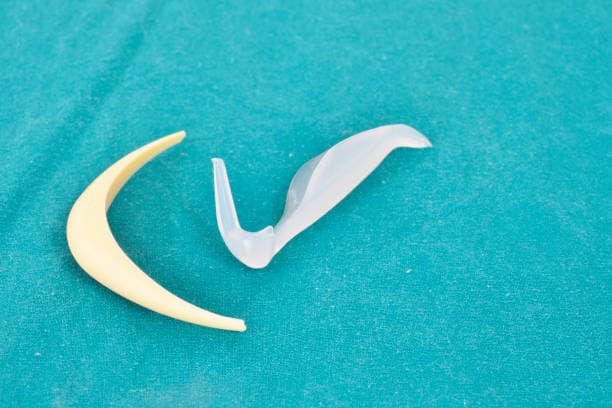
A chin implant is a cosmetic surgical device placed over the bony chin to enhance projection, reshape contours, and restore balance to the lower face. Designed from biocompatible materials, implants come in a range of sizes and shapes so surgeons can tailor the change to a patient’s facial proportions and aesthetic goals. The procedure is most commonly performed through a small incision under the chin or inside the mouth, where the surgeon creates a pocket and positions the implant against the mandible; it may be secured with sutures or left to integrate with surrounding tissues. Patients seek chin implants to correct a weak or receding chin, improve side-profile harmony—often in concert with rhinoplasty—or to sharpen the jawline for a more youthful or masculine appearance. Recovery typically involves swelling, bruising, and temporary numbness that resolve over days to weeks, and most people return to normal activities within one to three weeks depending on their surgeon’s advice. While results are long-lasting, implants carry risks such as infection, shifting, scarring, or the need for revision, so careful surgical planning and realistic expectations are essential for a successful outcome.

Who is a candidate for Chin Implant?
A good candidate for a chin implant is an adult in overall good health who seeks a lasting improvement in lower-face proportion and jawline definition; candidates commonly include people with a naturally small or retrusive chin, asymmetry of the mandibular contour, or those who want better balance between the nose and chin often after or alongside rhinoplasty. Ideal candidates have realistic expectations about outcomes and understand risks, are nonpregnant, and are willing to follow pre- and postoperative instructions. Those with untreated dental or gum disease, active smoking without willingness to quit, uncontrolled medical conditions such as diabetes or bleeding disorders, or ongoing facial infections are generally poor candidates until those issues are addressed. Psychological readiness and clear motivation for cosmetic change are important because satisfaction depends on both surgical result and expectation management. Some patients benefit from alternative or complementary options—orthognathic surgery, dermal fillers, or fat grafting—so candidacy is confirmed after clinical exam, facial analysis, and discussion of goals with a board-certified facial plastic or maxillofacial surgeon. A careful evaluation includes evaluation of bone anatomy, skin quality, and any history of previous facial surgery to plan an implant type and surgical approach that minimize complications and maximize a natural, harmonious outcome.

What are the alternatives to a Chin Implant?
Injectable dermal fillers and fat transfer are two common, less-invasive alternatives to a chin implant for improving chin projection and lower-face balance.
Fillers such as hyaluronic acid or calcium hydroxylapatite are injected in minutes to add volume, sharpen contours, and correct minor asymmetries with immediate results and minimal downtime; effects typically last from several months to two years depending on the product and metabolism, making fillers attractive for patients who want reversible, staged adjustments or to preview more permanent changes.
Fat transfer uses the patient’s own fat harvested by liposuction, purified, and grafted to the chin to provide longer‑lasting volume and natural feel; it can simultaneously remove unwanted fat from donor sites but carries variability in graft survival and sometimes requires touch‑ups. Both options avoid implant-related risks like long-term foreign body reaction or implant malposition but have their own tradeoffs: fillers require repeat treatments and can cause migration or temporary lumps, while fat grafting involves surgical harvesting, variable resorption, and recovery time.
Choosing between them depends on desired permanence, tolerance for surgery, available donor fat, and the clinician’s experience; a consultation with a facial plastic surgeon or trained injector helps determine the best tailored approach for each individual patient carefully.

What Happens During Chin Implant procedure?
A chin implant procedure typically begins with a preoperative plan and marking guided by facial analysis and patient goals, then proceeds under local anesthesia with sedation or general anesthesia depending on the surgeon and patient preference. After sterile prep, the surgeon makes a small incision either beneath the chin in the natural crease or inside the mouth along the lower gum to avoid an external scar. Through that incision a pocket is carefully created on top of the mandibular bone while preserving nerves and soft tissues. The chosen implant — preselected for shape and size — is positioned into the pocket and adjusted until projection and symmetry match the planned aesthetic; the surgeon may temporarily suture the implant or secure it with a small screw if extra stability is required. Once placement is confirmed visually and by palpation, the incision is closed in layers with sutures and a sterile dressing applied; if an intraoral incision was used, an oral rinse protocol is started postoperatively. Patients typically spend a short recovery period in the clinic for monitoring, receive pain control and antibiotics as indicated, and are given specific care instructions about activity restrictions, swelling management, and follow-up visits to ensure proper healing and implant position.

What are the risks of a chin implant?
A chin implant carries several potential risks that patients should understand before choosing surgery.
Early postoperative complications include infection, bleeding or hematoma, and wound healing problems that can lead to visible scarring or the need for additional treatment.
Sensory changes such as numbness, tingling, or altered lower lip and chin sensation can occur from temporary or rarely permanent nerve irritation or injury.
Mechanical problems include implant malposition, rotation, or migration, which may create asymmetry or an unnatural contour and often require revision surgery; in rare cases the implant can extrude through the skin or oral mucosa.
Long-term issues include chronic discomfort, palpable or visible implant edges in thin tissues, and gradual bone resorption where pressure from the implant remodels the underlying mandible.
Allergic or foreign-body reactions are uncommon but possible depending on material.
Anesthesia-related risks, while generally low, are present.
Smoking, uncontrolled medical conditions, poor oral hygiene, or previous facial surgery raise complication rates.
Finally, aesthetic dissatisfaction despite technically successful placement is a meaningful risk; patients may require implant adjustment, replacement, or removal to achieve desired results.

Chin Implant recovery process
Recovery after a chin implant is a staged but predictable process that begins immediately after surgery and typically spans several weeks to months. In the first 48 to 72 hours most patients experience the greatest swelling and bruising; cold compresses, head elevation during rest, and prescribed pain medication keep discomfort manageable. Early activity is limited: avoid heavy lifting, bending, vigorous exercise, and anything that might jolt the chin for at least one to two weeks. If an intraoral incision was used, oral hygiene and sometimes an antiseptic rinse are critical to reduce infection risk; external incisions should be kept clean and dry until sutures are removed. Temporary numbness or altered sensation around the lower lip and chin is common and usually improves over weeks to months as nerves recover. Follow-up visits let the surgeon check implant position, address swelling, and remove sutures or drains if placed. Most people can return to desk work within seven to ten days, though noticeable swelling may persist for several weeks and subtle contour refinement can continue for three to six months. Smoking, poor wound care, or unmanaged medical conditions can prolong healing and increase complication risk, so following postoperative instructions and attending scheduled appointments are essential for a smooth recovery and optimal long‑term result.
Conclusion
A chin implant is a reliable surgical option to improve lower‑face balance and jawline definition, offering durable and predictable results when performed by a qualified surgeon; careful evaluation, realistic expectations, and adherence to postoperative instructions help minimize risks and optimize outcomes.
Read More