

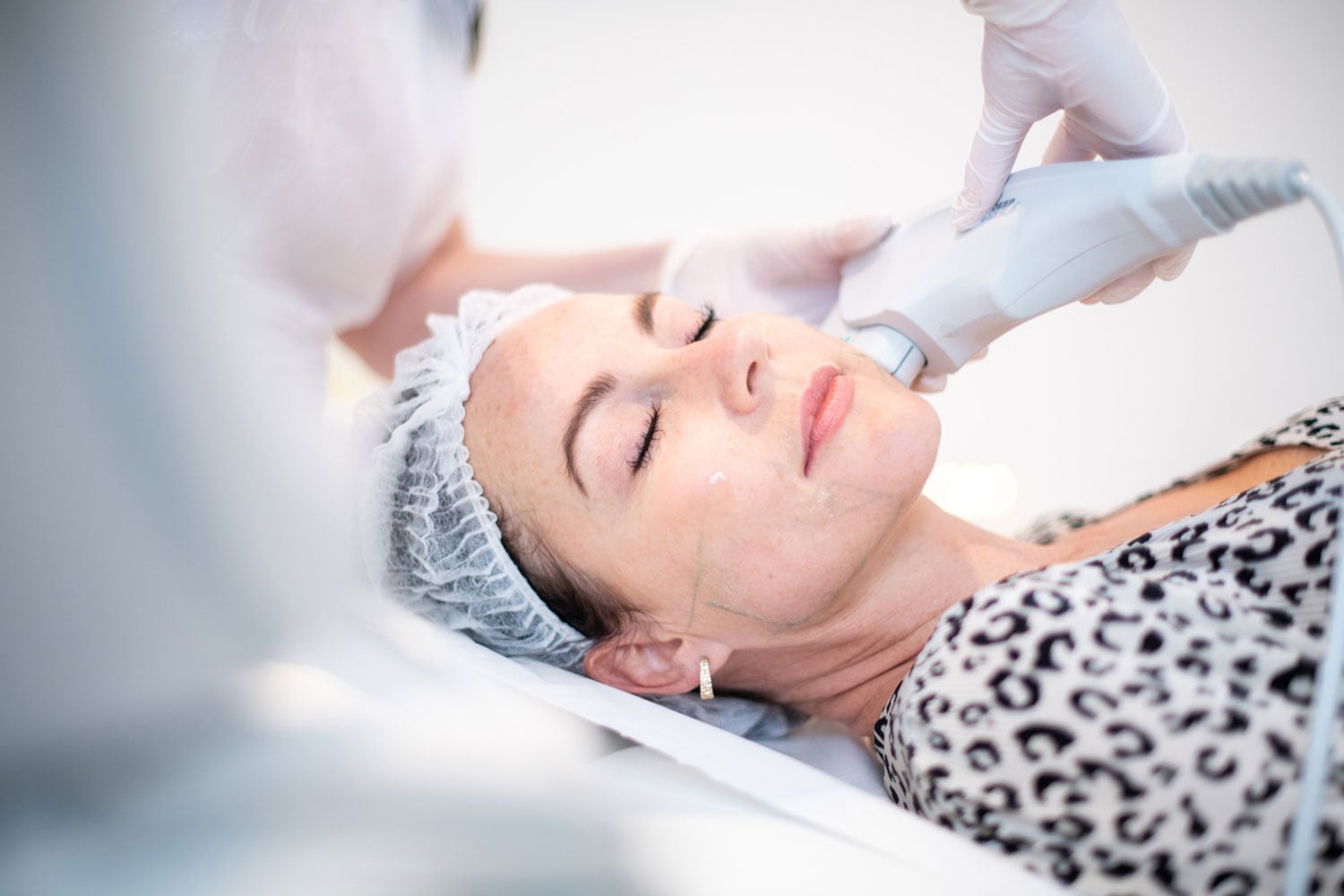
Carboxytherapy is a minimally invasive treatment that involves the controlled administration of medical-grade carbon dioxide (CO₂) beneath the skin. Although carbon dioxide is commonly associated with breathing and cellular metabolism, its controlled therapeutic use has been explored in aesthetic medicine and certain medical applications.
Today, carboxytherapy is primarily known as a cosmetic treatment. It is used by some practitioners to address concerns such as cellulite, localized fat, stretch marks, dark circles under the eyes, and skin laxity. It may also be used to improve the appearance and quality of the skin in selected areas.
What Is Carboxytherapy?
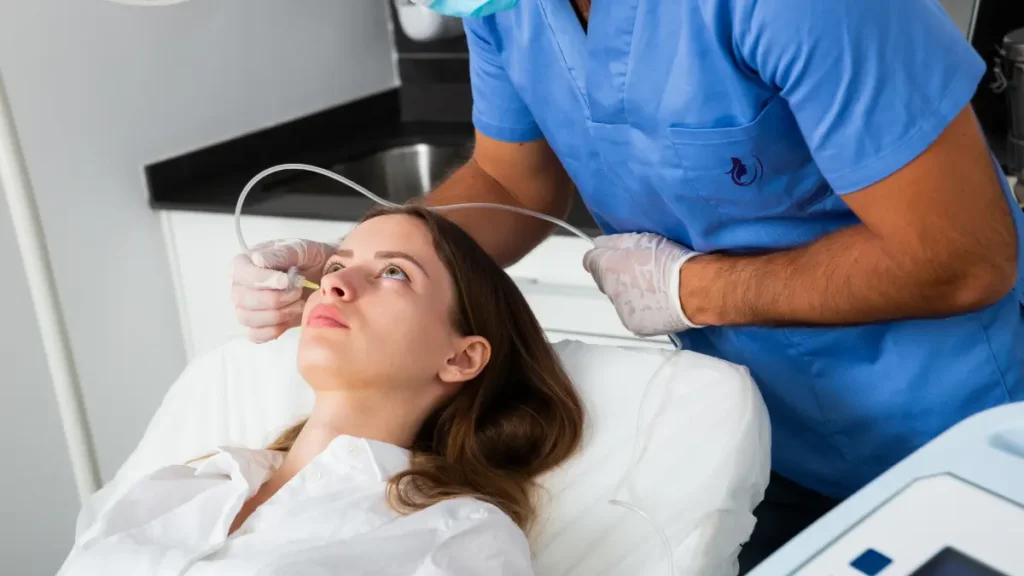
Carboxytherapy is a procedure in which carbon dioxide gas is injected into the tissue beneath the skin using a small needle. The amount and location of CO₂ are controlled by the practitioner according to the treatment area and the specific protocol. Once carbon dioxide enters the tissue, the body responds to the temporary change in the local environment. One proposed mechanism involves increased local blood flow and changes in oxygen release from hemoglobin.
This is partly related to the Bohr effect. As carbon dioxide concentration increases and the local environment becomes more acidic, hemoglobin can release oxygen more readily to surrounding tissues. The treatment may therefore influence circulation and tissue responses in the treated area. However, the effects and level of clinical evidence differ depending on the condition being treated.
What Is Carboxytherapy Used For?
Carboxytherapy has several applications in aesthetic medicine. The most common include the following:
Cellulite
Cellulite is one of the most frequently discussed cosmetic applications of carboxytherapy. Cellulite creates a dimpled or uneven appearance of the skin, particularly on areas such as the thighs, buttocks, hips, and abdomen. It is influenced by factors including connective tissue structure, fat distribution, skin elasticity, and circulation.
Carboxytherapy may be used as part of a treatment plan intended to improve the appearance of cellulite. The proposed effects include changes in local circulation and tissue characteristics. However, carboxytherapy does not permanently eliminate cellulite. Results can vary considerably, and multiple treatment sessions may be recommended.
Stretch Marks
Stretch marks, or striae, are common skin changes that can occur when the skin stretches or changes rapidly. They may develop during pregnancy, puberty, significant weight changes, or periods of rapid muscle growth. They can appear red, purple, pink, or white depending on their stage and the individual's skin tone.
Carboxytherapy has been investigated as a treatment for stretch marks because controlled CO₂ injections may stimulate changes in the treated tissue and potentially support collagen-related remodeling. Some people may experience improvement in the appearance and texture of stretch marks, but complete removal should not be expected.
Dark Under-Eye Circles
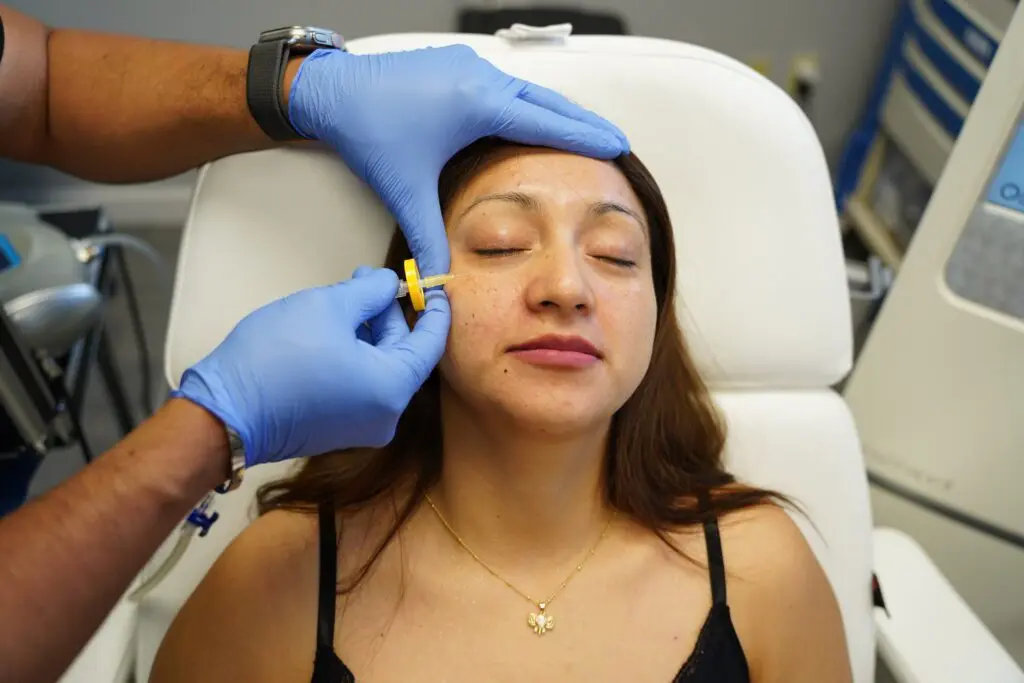
Another aesthetic application of carboxytherapy is the treatment of certain types of dark circles beneath the eyes. Under-eye darkness can have many causes, including pigmentation, visible blood vessels, shadows created by facial anatomy, thin skin, and volume loss. Because the underlying cause differs from person to person, carboxytherapy may be more appropriate for some cases than others.
The treatment is thought to potentially influence local circulation and improve the appearance of thin or tired-looking skin. Because the skin around the eyes is delicate and the area contains important blood vessels and structures, treatment should only be performed by an appropriately qualified professional experienced in periorbital procedures.
Skin Laxity
Carboxytherapy may also be used to improve the appearance of mildly loose or less firm skin. As the skin ages, changes in collagen, elastin, hydration, and tissue structure can contribute to reduced firmness. Controlled CO₂ treatment has been investigated for its potential effects on skin remodeling.
It may be considered for areas such as the face, neck, abdomen, arms, thighs, or other areas where mild laxity is present. Carboxytherapy is not equivalent to a surgical lift. People with significant excess or sagging skin may require a different treatment approach.
Localized Fat
Some aesthetic clinics use carboxytherapy as part of treatment plans for small areas of localized fat. The proposed mechanisms include effects on local blood flow and tissue metabolism. However, carboxytherapy should not be considered a substitute for weight-loss treatment.
It is generally discussed in the context of small, localized cosmetic concerns rather than generalized obesity or significant weight reduction. Patients should have realistic expectations about how much change the procedure can produce.
Skin Rejuvenation
Carboxytherapy may also be used as a skin-rejuvenation treatment. Practitioners may use it to address skin that appears dull, tired, or less elastic. The treatment's proposed effects on circulation and tissue remodeling may contribute to improvements in skin appearance.
Depending on the patient's goals, carboxytherapy may be used alone or incorporated into a broader aesthetic treatment plan. The treatment does not stop the natural aging process, and maintaining healthy skincare habits and sun protection remains important.
Scars
Carboxytherapy has also been investigated for improving the appearance of certain scars, including some atrophic scars. Scars develop when the skin repairs itself after injury, surgery, inflammation, or other damage. Their appearance depends on the original injury, location, depth, and individual healing process.
By producing controlled changes within the tissue, carboxytherapy may potentially contribute to remodeling in selected scars. However, scar treatment is highly individualized. Depending on the scar, other options such as laser therapy, microneedling, chemical peels, or surgical revision may be considered.
Hair Loss
Carboxytherapy has been explored as a treatment for certain types of hair loss because of its potential effects on local blood flow and tissue oxygenation. The scalp requires an adequate supply of oxygen and nutrients to support healthy hair follicles. The proposed mechanism of carboxytherapy involves temporarily altering the local tissue environment and potentially improving microcirculation.
However, hair loss has numerous causes, including androgenetic alopecia, hormonal changes, nutritional deficiencies, autoimmune conditions, and other medical disorders. Anyone experiencing significant or unexplained hair loss should receive an appropriate medical evaluation rather than relying solely on a cosmetic treatment.
How Does Carboxytherapy Work?
During treatment, a practitioner uses a fine needle to introduce a controlled amount of medical-grade carbon dioxide into the targeted tissue. The body responds to the temporary increase in CO₂. As described by the Bohr effect, increased carbon dioxide and changes in tissue acidity can promote oxygen release from hemoglobin. CO₂ also acts as a vasodilator, meaning it can contribute to widening blood vessels in the treated area. This may temporarily increase local blood flow.
These physiological responses are among the mechanisms proposed to explain the effects of carboxytherapy. However, the precise mechanisms responsible for improvements in different cosmetic conditions are not completely established, and clinical evidence varies between applications.
What Happens During a Carboxytherapy Session?
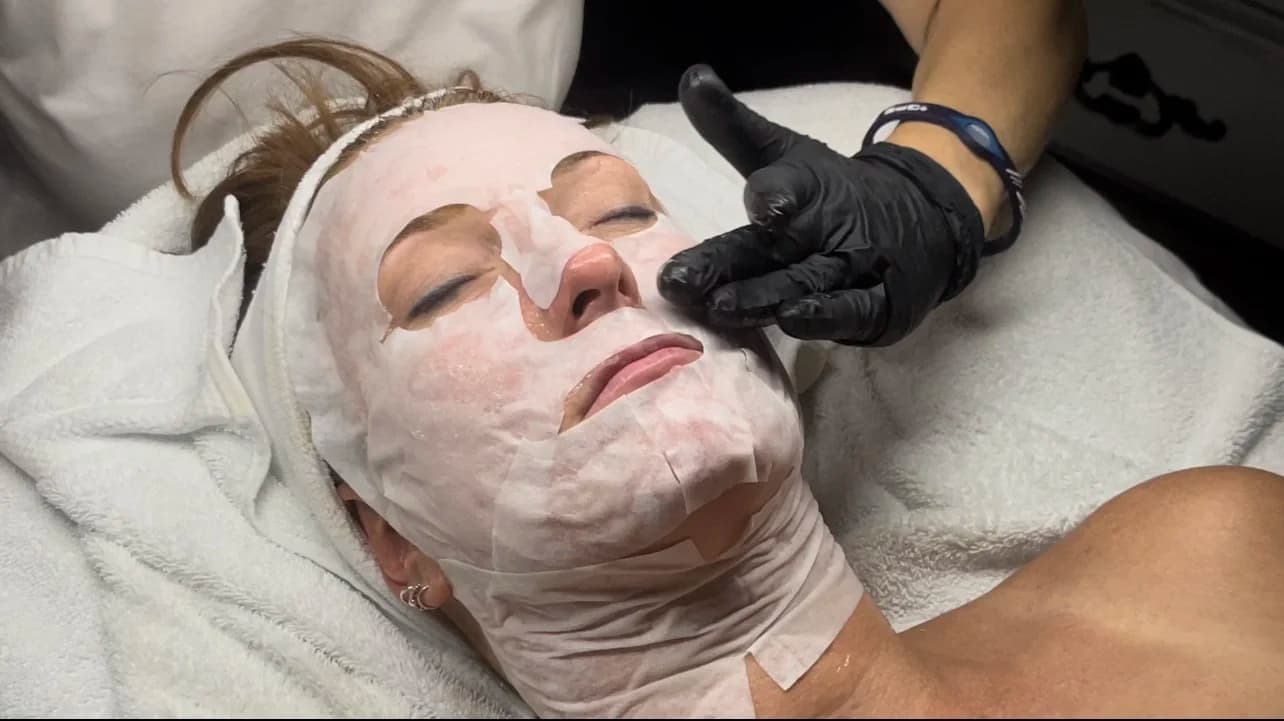
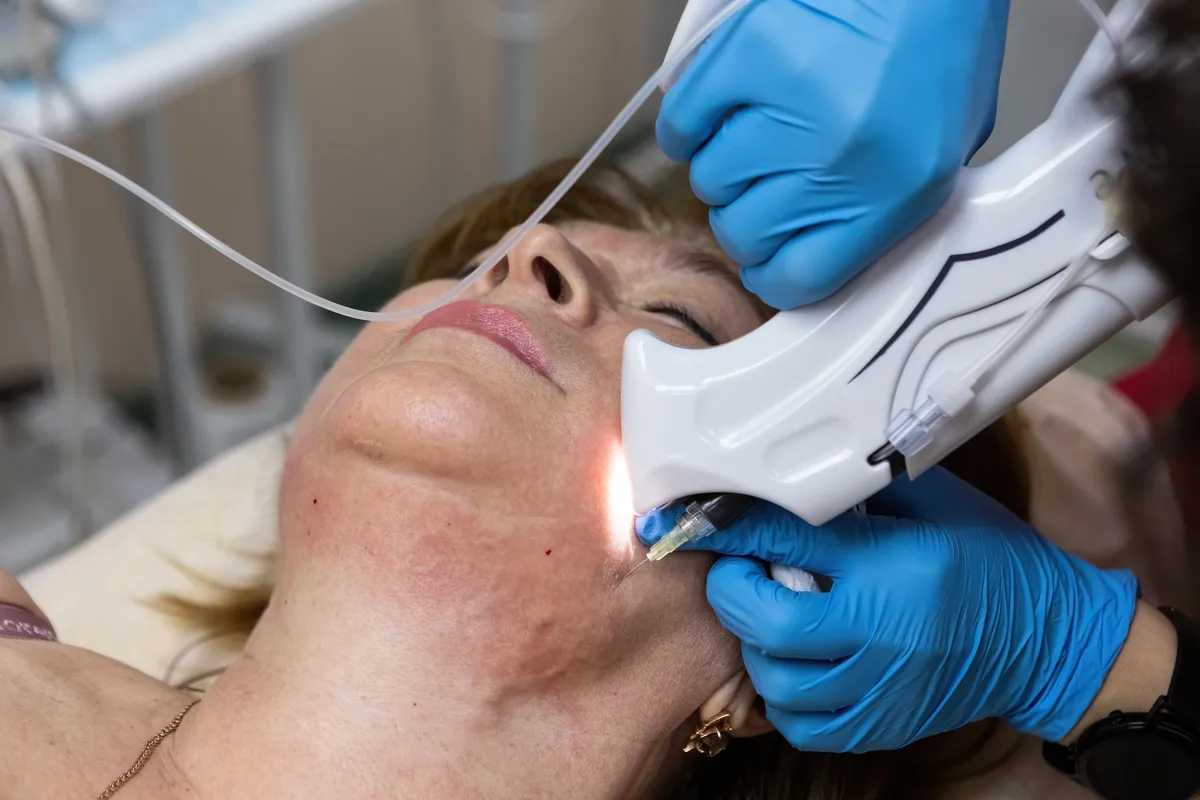
Before treatment, the practitioner examines the treatment area and discusses the patient's goals and medical history. The skin is cleaned, and a fine needle is used to deliver controlled amounts of CO₂ beneath the skin. Patients may experience pressure, warmth, tightness, or a temporary stinging sensation as the gas enters the tissue. The sensation generally lasts for a short period.
The treatment duration depends on the size and number of areas being treated. Carboxytherapy is usually performed as an outpatient procedure, meaning patients generally do not need to stay in a hospital afterward.
How Many Sessions Are Needed?
The number of sessions varies according to the condition being treated and the patient's response. Some aesthetic protocols involve a series of treatments rather than a single session. The sessions may be scheduled at intervals determined by the practitioner.
There is no universal treatment schedule for every condition. A qualified provider should establish an individualized plan based on the treatment area, goals, and available clinical evidence.
Is Carboxytherapy Safe?
Carboxytherapy is generally considered minimally invasive, but it is still an injection-based procedure and can cause side effects. Temporary effects can include:
Pain or discomfort
Redness
Swelling
Bruising
A sensation of pressure or tightness
Temporary warmth in the treated area
These effects generally resolve over time, but recovery varies between individuals.
Who Should Avoid Carboxytherapy?
Carboxytherapy is not appropriate for everyone. A medical consultation is particularly important for people who are pregnant or breastfeeding, have significant cardiovascular or respiratory conditions, have an active infection at the treatment site, or have other medical conditions that could affect the safety of the procedure.
The practitioner should also know about all medications and supplements the patient takes, particularly those that can increase bleeding or bruising. A thorough medical history helps determine whether carboxytherapy is suitable or whether an alternative treatment would be safer.
Conclusion
Carboxytherapy is a minimally invasive procedure involving the controlled injection of carbon dioxide beneath the skin. It has been used and investigated for a variety of aesthetic concerns, including cellulite, stretch marks, dark under-eye circles, mild skin laxity, localized fat, scars, skin rejuvenation, and certain forms of hair loss.
Its proposed effects are related partly to changes in local blood flow, oxygen release, and the tissue environment. However, the level of scientific evidence is not the same for every application, and results can vary significantly between patients.
Read More