

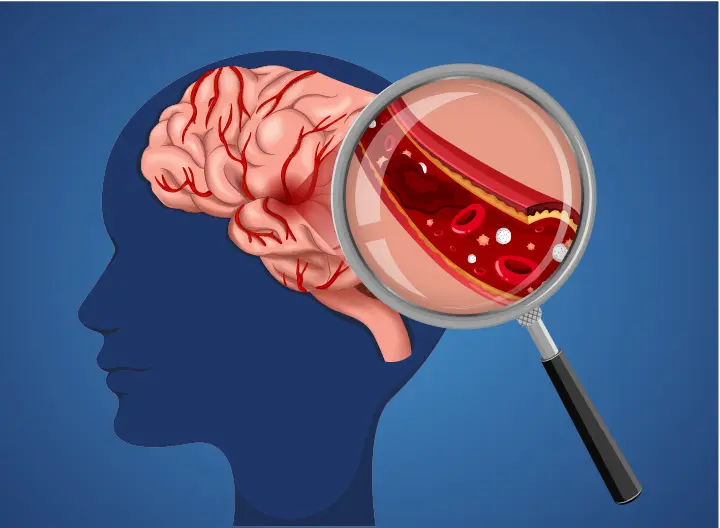
Cerebrovascular surgery is a specialized area of neurosurgery focused on treating conditions that affect the blood vessels of the brain and spinal cord. These blood vessels supply oxygen and nutrients to nervous tissue, so problems affecting them can sometimes cause serious neurological complications.
Depending on the condition, cerebrovascular surgery may be used to prevent bleeding, restore or improve blood flow, remove abnormal blood vessels, or treat damage caused by a vascular disorder. Some cerebrovascular conditions require emergency treatment, while others can be managed with planned surgery or minimally invasive procedures.
What Is Cerebrovascular Surgery?
Cerebrovascular surgery refers to surgical and endovascular procedures used to diagnose, treat, or prevent diseases involving the blood vessels of the brain and spinal cord. The specific procedure depends on the blood vessel involved and the nature of the problem. Traditional open surgery may be necessary in some cases, while other conditions can be treated through minimally invasive techniques using a catheter inserted into a blood vessel. Common cerebrovascular procedures include:
Surgical clipping of brain aneurysms
Endovascular coiling or other embolization techniques
Arteriovenous malformation (AVM) surgery
Cerebral bypass surgery
Carotid artery surgery in selected cases
Treatment of certain vascular malformations
The goal is not always to remove a blood vessel abnormality. In many cases, the objective is to prevent a potentially dangerous event such as a brain hemorrhage or ischemic stroke.
The Uses of Cerebrovascular Surgery
Brain Aneurysms
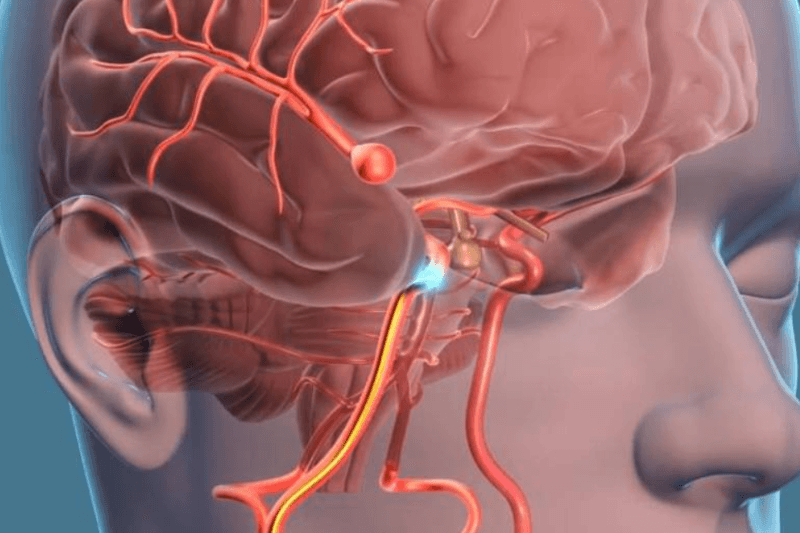
One of the best-known reasons for cerebrovascular treatment is a brain aneurysm. A brain aneurysm is a weakened area in the wall of a blood vessel that can form a balloon-like bulge. Some aneurysms are discovered incidentally before causing symptoms, while others may rupture and cause bleeding around the brain, known as a subarachnoid hemorrhage.
Treatment depends on factors such as the aneurysm's size, location, shape, whether it has ruptured, and the patient's overall health. One traditional surgical treatment is clipping. During this procedure, a neurosurgeon places a small clip across the neck of the aneurysm to prevent blood from entering it. Another option is endovascular treatment, such as coil embolization. In this approach, a catheter is guided through the blood vessels to the aneurysm, where materials are placed to reduce or stop blood flow into the aneurysm.
Arteriovenous Malformations
Cerebrovascular surgery may also be used to treat arteriovenous malformations (AVMs). An AVM is an abnormal connection between arteries and veins. Instead of blood passing through the normal network of small vessels called capillaries, blood flows directly from arteries into veins.
AVMs can sometimes cause headaches, seizures, neurological symptoms, or bleeding in the brain. However, some are discovered during investigations for unrelated conditions. Treatment depends on the AVM's size, location, structure, symptoms, and risk of future complications. Possible treatments include microsurgical removal, endovascular embolization, stereotactic radiosurgery, or a combination of these approaches.
Stroke and Cerebrovascular Surgery
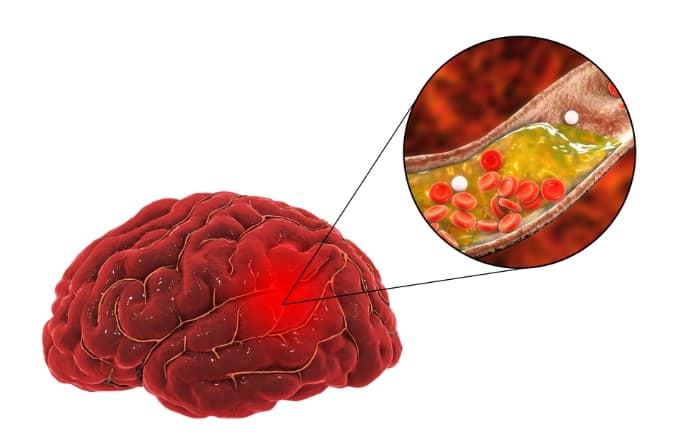
Stroke occurs when the brain's blood supply is interrupted or when a blood vessel in the brain bleeds. There are two major types of strokes: ischemic stroke, caused by a blocked blood vessel, and hemorrhagic stroke, caused by bleeding.
Some acute strokes can be treated with endovascular procedures. For example, in selected patients with a large blood clot blocking a major brain artery, mechanical thrombectomy can be performed. A catheter is guided through the blood vessels to the location of the clot, where specialized equipment is used to remove it.
Mechanical thrombectomy is not appropriate for every stroke patient. Eligibility depends on factors such as the type and location of the stroke, the time since symptoms began or the patient's last known well time, imaging findings, and overall clinical condition. Because stroke treatment is time-sensitive, emergency medical evaluation is essential when symptoms occur.
Cerebral Bypass Surgery
Another specialized cerebrovascular procedure is cerebral bypass surgery. A cerebral bypass creates an alternative route for blood to reach parts of the brain that may not receive sufficient blood through their normal circulation.
One condition that may sometimes be treated with bypass surgery is moyamoya disease, a rare disorder in which certain arteries supplying the brain become progressively narrowed or blocked. Bypass surgery may also be considered in selected patients with complex vascular conditions when other treatment approaches are unsuitable. The exact bypass technique depends on the patient's vascular anatomy and the underlying condition.
Carotid Artery Disease
The carotid arteries are major blood vessels in the neck that supply blood to the brain. Narrowing of these arteries, known as carotid artery stenosis, can increase the risk of ischemic stroke in certain patients. A procedure called carotid endarterectomy may be recommended for selected patients with significant carotid narrowing, particularly when other risk factors and symptoms indicate that intervention may provide benefit.
During the procedure, the surgeon opens the affected carotid artery and removes plaque that has accumulated inside the vessel. In some situations, carotid artery stenting may be considered as an alternative to open surgery. The choice depends on factors such as the severity and location of the narrowing, the patient's anatomy, medical history, and overall risk.
Hemorrhagic Stroke and Brain Bleeding
Cerebrovascular surgery can also be used to treat certain forms of bleeding within or around the brain. The treatment depends on the location and cause of the bleeding. For example, surgery may sometimes be required to remove a collection of blood, reduce pressure on the brain, repair an abnormal blood vessel, or prevent additional bleeding.
Some hemorrhagic strokes are managed primarily with medication and intensive monitoring, while others require surgical or endovascular intervention. Because brain hemorrhage can be life-threatening, patients with sudden severe headache, weakness, difficulty speaking, loss of coordination, seizures, or altered consciousness require urgent medical assessment.

What Happens Before Cerebrovascular Surgery?
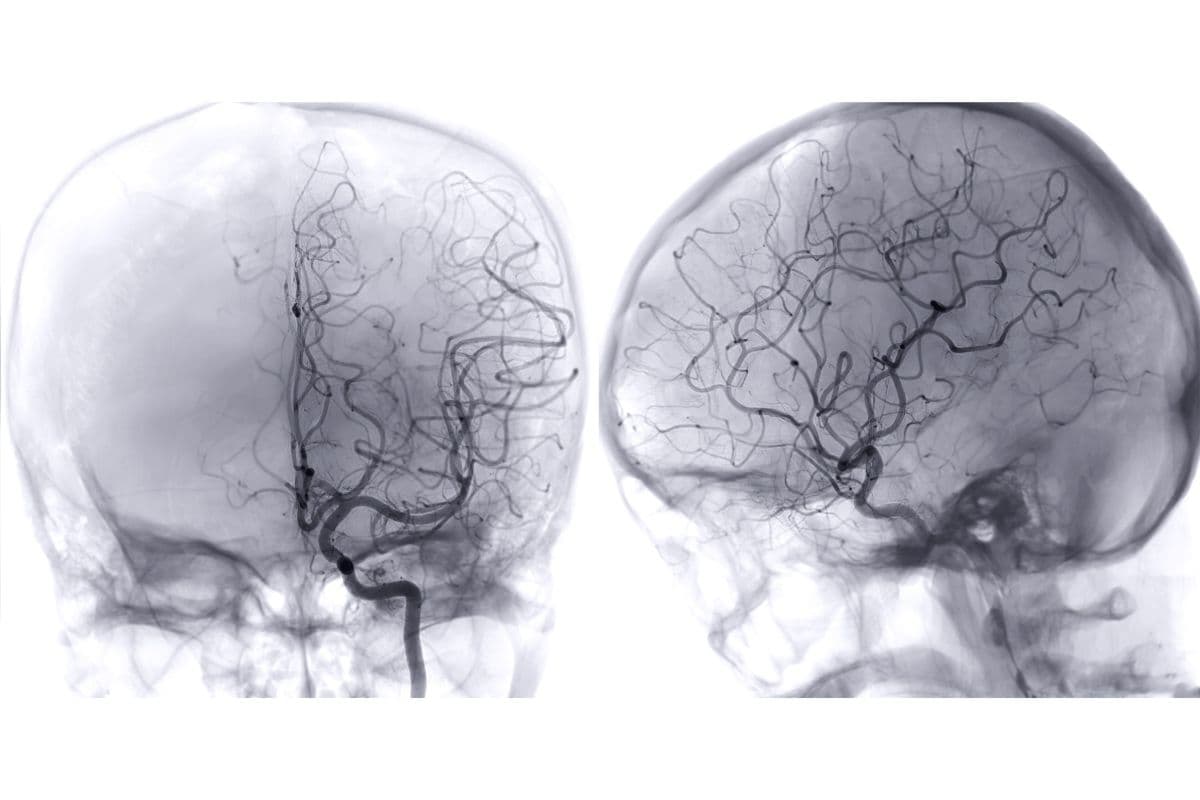
Careful diagnostic evaluation is essential before cerebrovascular treatment. Doctors may use imaging studies such as CT scans, MRI, CT angiography, MR angiography, or conventional cerebral angiography to examine the brain and its blood vessels.
The medical team may also assess neurological function, blood pressure, medication use, and other health conditions that could affect treatment. Based on these findings, specialists determine whether observation, medication, endovascular treatment, open surgery, or a combination of approaches is appropriate.
Recovery After Cerebrovascular Surgery
Recovery varies considerably depending on the underlying condition and the type of procedure performed. Some minimally invasive endovascular procedures may require a shorter hospital stay, while major open cerebrovascular surgery can involve a longer period of hospitalization and rehabilitation.
During recovery, patients may require neurological monitoring and follow-up imaging. Some people may also need physical therapy, occupational therapy, speech therapy, or other rehabilitation services if the underlying condition caused neurological impairment.
Cerebrovascular Surgery Potential Risks
Cerebrovascular procedures are complex and can carry significant risks. These vary according to the condition, procedure, and patient's health. Potential complications can include:
Stroke
Bleeding
Infection
Blood vessel injury
Seizures
Neurological deficits
Blood clots
Reactions to anesthesia or contrast material
Recurrence or persistence of the vascular abnormality
The treating specialist should explain the specific risks and potential benefits before treatment.
Conclusion
Cerebrovascular surgery is used to treat a wide range of disorders involving the blood vessels of the brain and spinal cord. Depending on the condition, treatment may involve open microsurgery, endovascular procedures, or a combination of techniques. Common applications include treating brain aneurysms, arteriovenous malformations, selected cases of stroke, carotid artery disease, moyamoya disease, and certain forms of brain hemorrhage. The goal may be to prevent bleeding, restore blood flow, remove an abnormal vascular structure, or reduce the risk of future neurological complications.
Read More