

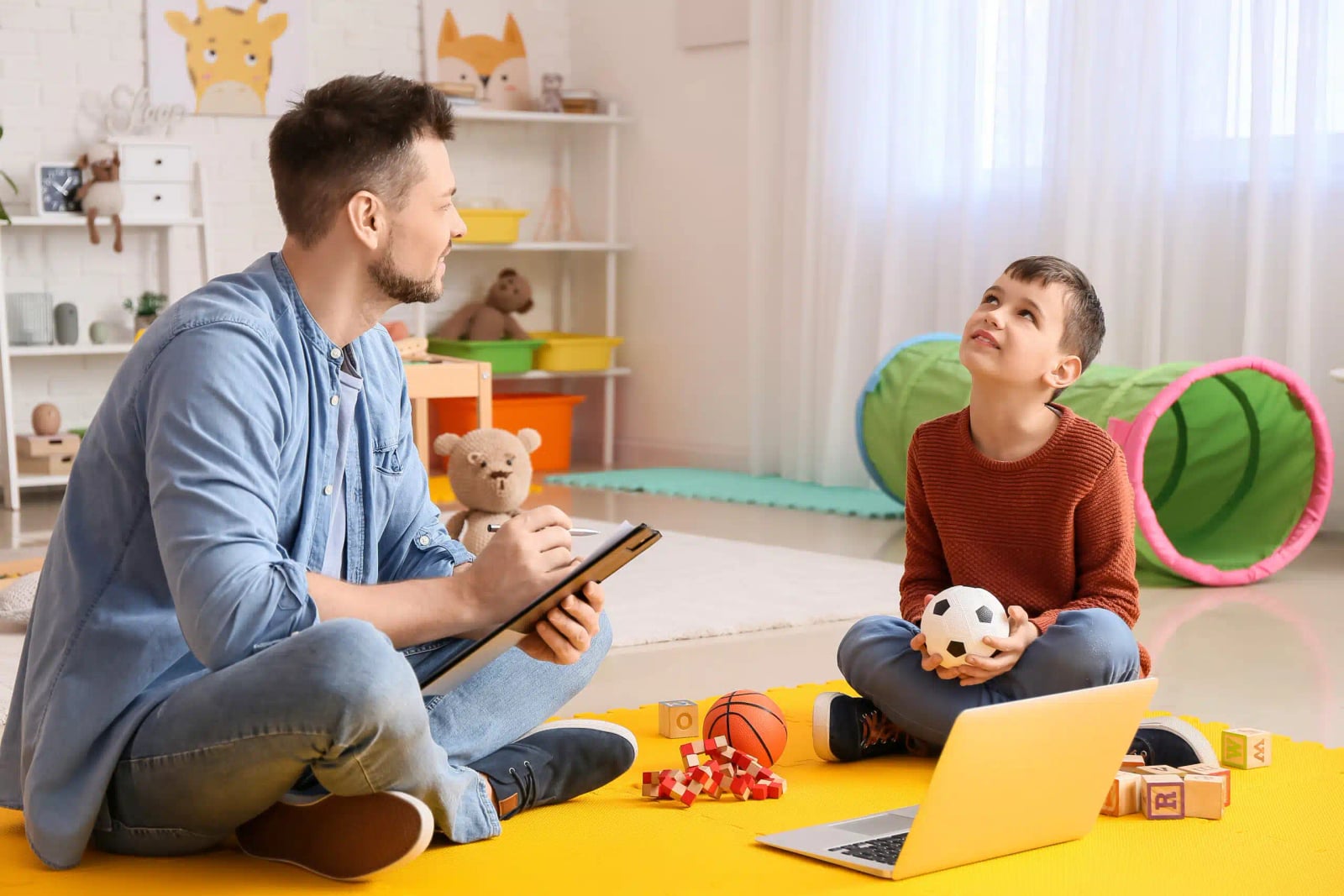
Child and adolescent psychotherapy is a specialized form of mental health treatment designed to support the emotional, behavioral, and psychological well-being of young people—from early childhood through the teenage years. In today’s fast-changing world, young people face a wide range of challenges, including academic pressure, social media influences, family conflicts, and mental health concerns such as anxiety and depression. Psychotherapy provides a safe, structured space where they can express themselves, process their experiences, and develop healthier coping strategies.
Understanding Child and Adolescent Psychotherapy
At its core, child and adolescent psychotherapy focuses on helping young individuals understand their thoughts, emotions, and behaviors. It is conducted by trained mental health professionals such as child psychologists, psychiatrists, or licensed therapists who specialize in developmental psychology. Therapy sessions may involve:
Talking (for older children and adolescents)
Play-based techniques (for younger children)
Creative activities like drawing or storytelling
Family involvement
The primary goal is not just to treat symptoms but to promote healthy development and emotional resilience.
Why Is Psychotherapy Important for Young People?
Children and adolescents often lack the vocabulary or emotional awareness to express what they are going through. As a result, psychological distress may show up as behavioral problems, academic decline, or physical symptoms like headaches or stomachaches. Psychotherapy helps by:
Providing a safe and non-judgmental environment
Teaching emotional regulation skills
Improving communication abilities
Strengthening self-esteem and confidence
Early intervention is crucial, as untreated mental health issues in childhood can persist into adulthood.
Common Issues Addressed in Therapy
Child and adolescent psychotherapy can help with a wide range of concerns, including:
Emotional Disorders
Anxiety
Depression
Phobias
Behavioral Issues
Aggression
Defiance
Attention difficulties (e.g., ADHD)
Social Challenges
Bullying
Peer relationship problems
Social withdrawal
Family-Related Issues
Divorce or separation
Loss of a loved one
Parenting conflicts
Developmental and Trauma-Related Concerns
Autism spectrum disorders
Learning difficulties
Trauma or abuse
Types of Psychotherapy for Children and Adolescents
Different therapeutic approaches are used depending on the child’s age, personality, and specific challenges.
Play Therapy
Play therapy is one of the most effective methods for younger children. Since children often communicate through play rather than words, therapists use toys, games, and imaginative activities to understand their feelings and experiences. Through play, children can:
Express emotions safely
Reenact experiences
Develop problem-solving skills
Cognitive Behavioral Therapy (CBT)
CBT is widely used for older children and adolescents. It focuses on identifying and changing negative thought patterns that influence behavior and emotions. CBT helps young individuals:
Recognize unhealthy thinking patterns
Develop coping strategies
Improve emotional regulation
Family Therapy
Family therapy involves parents or caregivers in the treatment process. It addresses family dynamics that may contribute to a child’s difficulties. This approach can:
Improve communication within the family
Resolve conflicts
Strengthen relationships
Psychodynamic Therapy
This approach explores unconscious thoughts and past experiences that influence current behavior. It is more commonly used with adolescents who can reflect on their inner experiences.
Art and Creative Therapies
Art, music, and drama therapy allow children to express emotions in non-verbal ways. These methods are especially helpful for those who struggle to articulate their feelings.
How Does the Therapy Process Work?
The psychotherapy process typically begins with an initial assessment, where the therapist gathers information about the child’s background, behavior, and concerns. This may involve:
- Interviews with parents or caregivers
- Observation of the child
- Standardized assessments
Based on this evaluation, a personalized treatment plan is created.
Structure of Sessions
Sessions usually last 30–60 minutes
Frequency may range from weekly to biweekly
Duration depends on the child’s needs
The therapist builds a trusting relationship with the child, which is essential for effective treatment.
The Role of Parents and Caregivers
Parents play a crucial role in child and adolescent psychotherapy. Their involvement can significantly impact the success of the treatment. Therapists often:
Provide guidance on parenting strategies
Offer feedback on the child’s progress
Encourage consistent support at home
However, it’s also important to respect the child’s privacy, especially for adolescents, to build trust in the therapeutic relationship.
Signs a Child May Benefit from Psychotherapy
Recognizing when a child needs help is essential. Some common warning signs include:
Persistent sadness or anxiety
Sudden changes in behavior or mood
Decline in school performance
Difficulty forming or maintaining relationships
Sleep or appetite disturbances
Excessive anger or irritability
If these symptoms persist or interfere with daily life, seeking professional help is recommended.
Benefits of Child and Adolescent Psychotherapy
Psychotherapy offers long-term benefits that extend beyond symptom relief:
Emotional Growth: Children learn to understand and manage their emotions effectively.
Improved Behavior: Therapy helps reduce disruptive behaviors and promotes positive actions.
Better Relationships: Improved communication skills lead to healthier interactions with family and peers.
Increased Resilience: Children develop the ability to cope with challenges and adapt to change.
Enhanced Academic Performance: Addressing emotional and behavioral issues often leads to better focus and learning outcomes.
Challenges in Child and Adolescent Psychotherapy
While psychotherapy is highly beneficial, it can come with challenges:
Building trust with the child may take time
Resistance to therapy, especially in adolescents
Inconsistent parental involvement
External factors like school or peer pressure
A skilled therapist works to overcome these barriers and create a supportive environment.
The Importance of Early Intervention
One of the most critical aspects of child and adolescent psychotherapy is early intervention. Addressing mental health concerns early can:
Prevent problems from becoming more severe
Support healthy brain development
Improve long-term outcomes
Investing in a child’s mental health is an investment in their future.
Conclusion
Child and adolescent psychotherapy is a vital tool for nurturing the mental and emotional well-being of young individuals. By providing a safe space for expression, teaching coping skills, and addressing underlying issues, therapy helps children and teenagers navigate the complexities of growing up.
Read More