

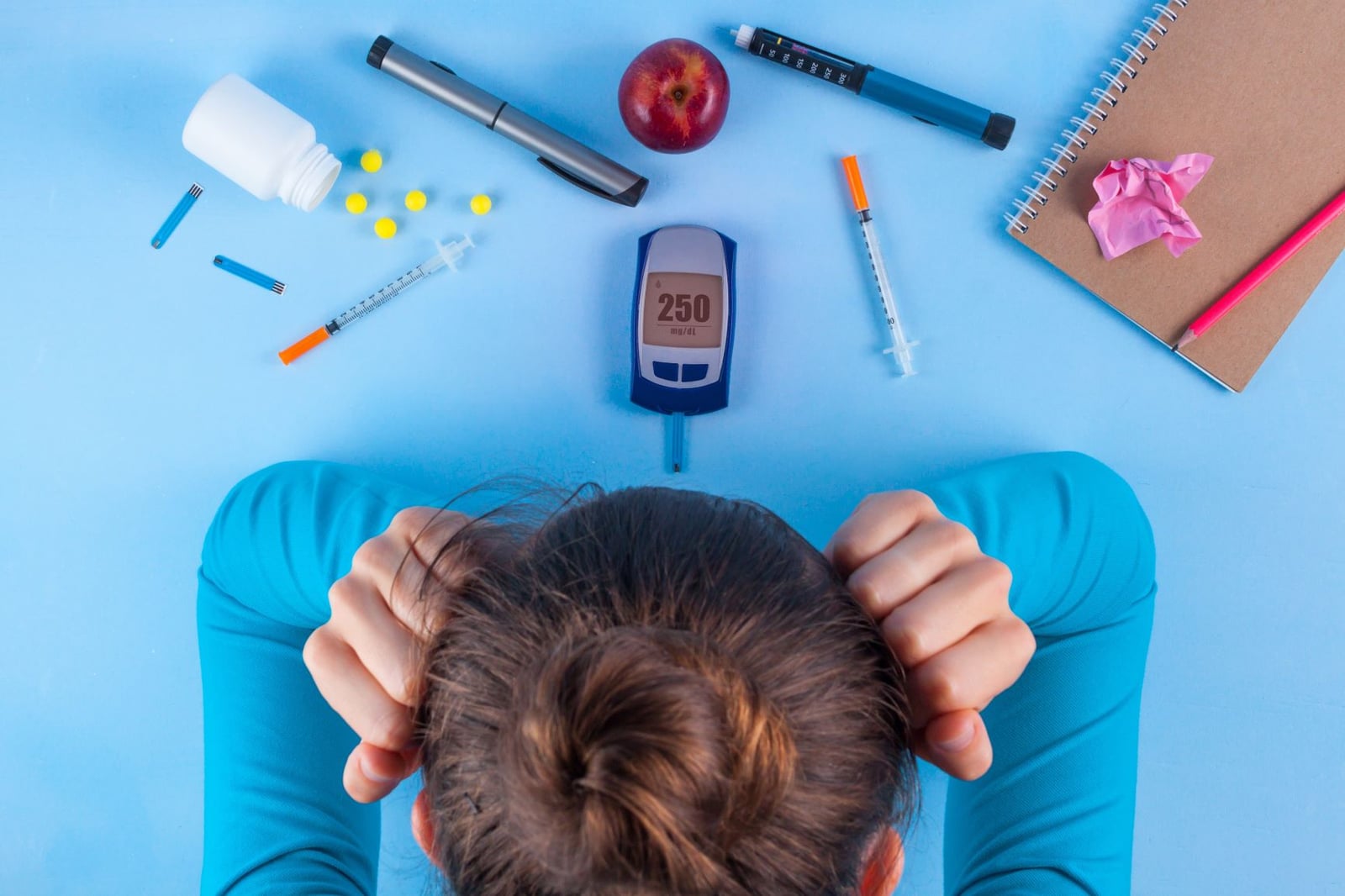
Diabetes is a chronic condition in which the body cannot properly produce or use insulin, causing elevated blood glucose; it includes several types (type 1, type 2, gestational, and others) and requires tailored management to prevent complications.
What is diabetes condition?
Diabetes occurs when insulin, a hormone made by the pancreas that helps cells take up glucose for energy, is insufficient or ineffective; as a result, blood glucose rises and cells are starved of fuel, producing symptoms like increased thirst, frequent urination, fatigue, and blurred vision. Type 1 diabetes is an autoimmune condition that destroys insulin-producing cells and always requires insulin therapy, while type 2 diabetes is driven by insulin resistance often linked to genetics, excess weight, and inactivity and may be managed with lifestyle changes and medications. Gestational diabetes appears during pregnancy and raises short- and long-term risks for both mother and child.
Diagnosis relies on blood tests such as fasting plasma glucose, oral glucose tolerance testing, and the HbA1c test, which reflects average blood sugar over months; early detection matters because many people with type 2 diabetes have no obvious symptoms. Management centers on individualized goals: regular blood glucose monitoring, healthy eating, physical activity, weight management, and medications when needed—ranging from oral agents like metformin to injectable therapies and insulin—guided by a healthcare team. Long-term high blood glucose increases the risk of cardiovascular disease, kidney failure, vision loss, nerve damage, and limb complications, so prevention and tight but safe glucose control reduce these outcomes.
What are the types of diabetes?
Diabetes is not a single disease but a group of metabolic disorders that share high blood sugar as a hallmark.
Type 1 diabetes is an autoimmune condition causing near‑complete loss of insulin production and requires lifelong insulin replacement; it often appears in childhood or adolescence but can occur at any age.
Type 2 diabetes arises from a combination of insulin resistance and relative insulin deficiency, is strongly linked to genetics, excess weight, and physical inactivity, and is the most common form worldwide.
Gestational diabetes is glucose intolerance first recognized during pregnancy and increases short‑term risks for mother and baby and long‑term risk of future diabetes for both.
Beyond these, there are monogenic forms (single‑gene defects such as MODY), cystic fibrosis‑related diabetes, and secondary diabetes caused by medications, surgery, or endocrine disorders; these less common types require specific diagnostic attention because they change treatment choices and prognosis.
Accurate classification matters because it guides therapy—insulin is mandatory for type 1, while type 2 may be managed with lifestyle, oral agents, injectables, or insulin depending on progression—and because misdiagnosis can delay optimal care.
What are the symptoms of diabetes?
Diabetes produces a range of symptoms because high blood glucose affects many organs and tissues; the most common early signs are increased thirst (polydipsia), frequent urination (polyuria), unexplained weight loss or gain, persistent fatigue, and blurred vision. People may also notice slow wound healing, recurrent infections (including thrush), numbness or tingling in the hands or feet from nerve damage, dry or itchy skin, and increased hunger; in children and in type 1 diabetes these signs often develop rapidly, while in type 2 they can be subtle and develop over months or years. Some people have no noticeable symptoms, which is why screening with blood tests is important when risk factors are present. In pregnancy, gestational diabetes may be asymptomatic but still raises risks for mother and baby. Severe, untreated hyperglycemia can lead to acute emergencies—diabetic ketoacidosis in type 1 and hyperosmolar hyperglycemic state in type 2—both of which cause profound dehydration, confusion, and require urgent care. Because symptoms overlap with other conditions and may be mild, clinical context, risk factors, and diagnostic testing (fasting glucose, oral glucose tolerance test, or HbA1c) determine whether symptoms reflect diabetes or another problem.

What causes diabetes?
Diabetes is a group of disorders united by high blood glucose but caused by different processes.
Type 1 diabetes is primarily an autoimmune condition in which the immune system destroys pancreatic beta cells, producing an absolute insulin deficiency; triggers include genetic susceptibility and likely environmental factors such as viral exposures, though the exact causes remain under study.
Type 2 diabetes develops from a combination of insulin resistance (cells respond poorly to insulin) and relative insulin deficiency; major contributors are genetics, excess body fat—especially central adiposity—physical inactivity, and aging, which together alter metabolism and increase demand on beta cells until they fail to keep up.
Gestational diabetes occurs because pregnancy hormones increase insulin resistance and some people cannot produce enough extra insulin during pregnancy; risk rises with overweight, prior gestational diabetes, and certain genetic backgrounds.
Less common causes include monogenic diabetes (single‑gene defects such as MODY), pancreatic disease or surgery, and medication‑induced hyperglycemia (for example, long‑term corticosteroids); identifying these is important because treatment and prognosis differ.
Environmental and social determinants—dietary patterns, socioeconomic status, and access to healthcare—shape risk and the timing of onset.
What are the complications of diabetes?
Diabetes complications fall into acute and chronic categories.
Acute complications include severe hypoglycemia and life‑threatening hyperglycemic crises such as diabetic ketoacidosis (more common in type 1) and hyperosmolar hyperglycemic state (more common in type 2); both cause dehydration, altered consciousness, and need emergency treatment.
Chronic complications arise from long‑standing high blood glucose and include macrovascular disease (accelerated atherosclerosis causing heart attack and stroke) and microvascular disease (retinopathy that can lead to blindness; nephropathy that can progress to kidney failure; and peripheral and autonomic neuropathy causing pain, numbness, digestive problems, and sexual dysfunction).
Nerve damage plus poor blood flow increases the risk of non‑healing foot ulcers and infections that can lead to hospitalization or amputation. Many complications are preventable or delayed: tight but safe glycemic control, blood pressure and lipid management, smoking cessation, regular eye and foot exams, and timely vaccination are central to reducing harm.
How is diabetes managed?
Diabetes care rests on four interlocking pillars.
First, self‑management and lifestyle: adopting a balanced eating plan, regular physical activity, weight management, and smoking cessation reduce insulin resistance and cardiovascular risk; these changes are tailored to personal preferences, culture, and resources.
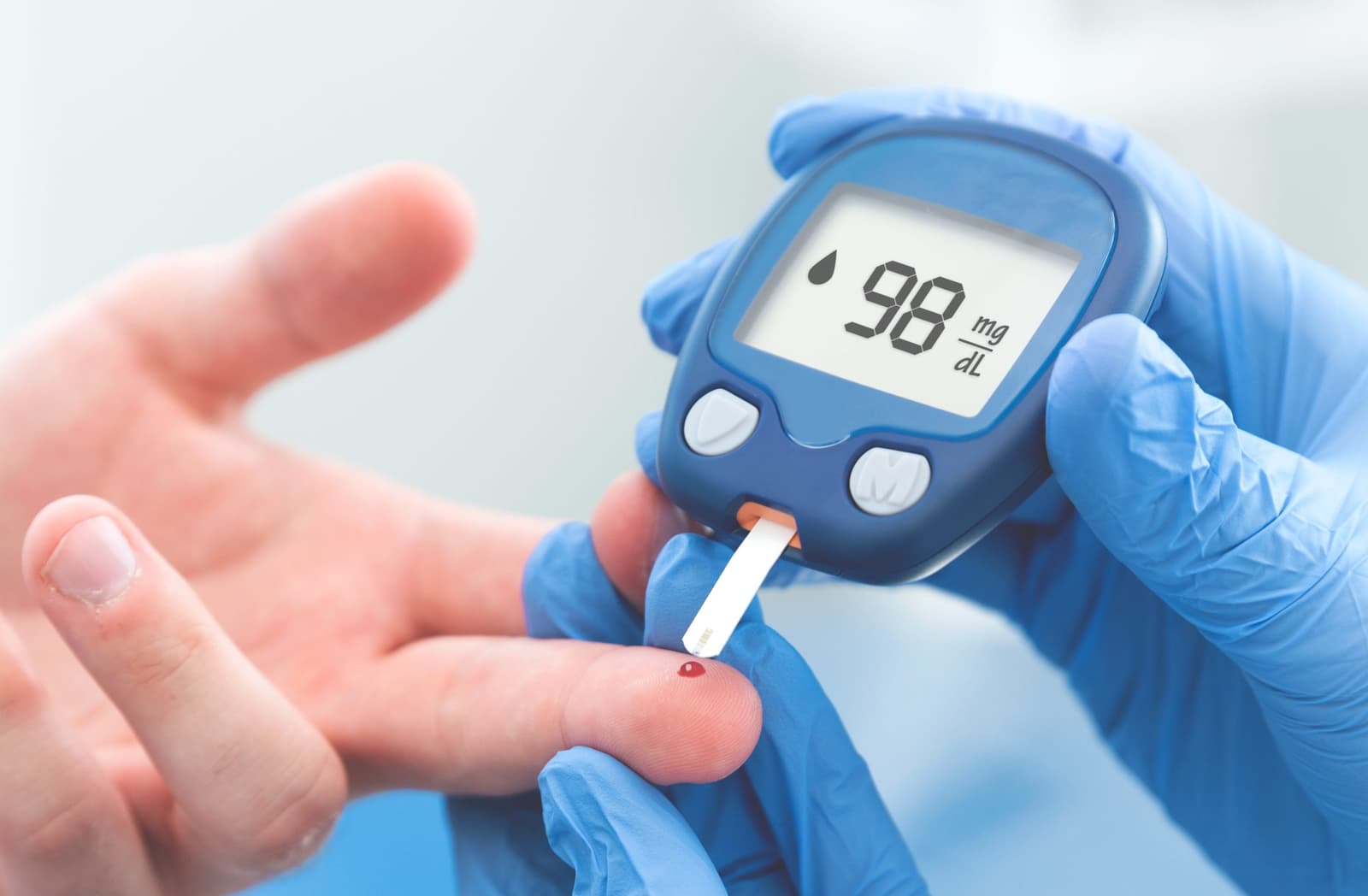
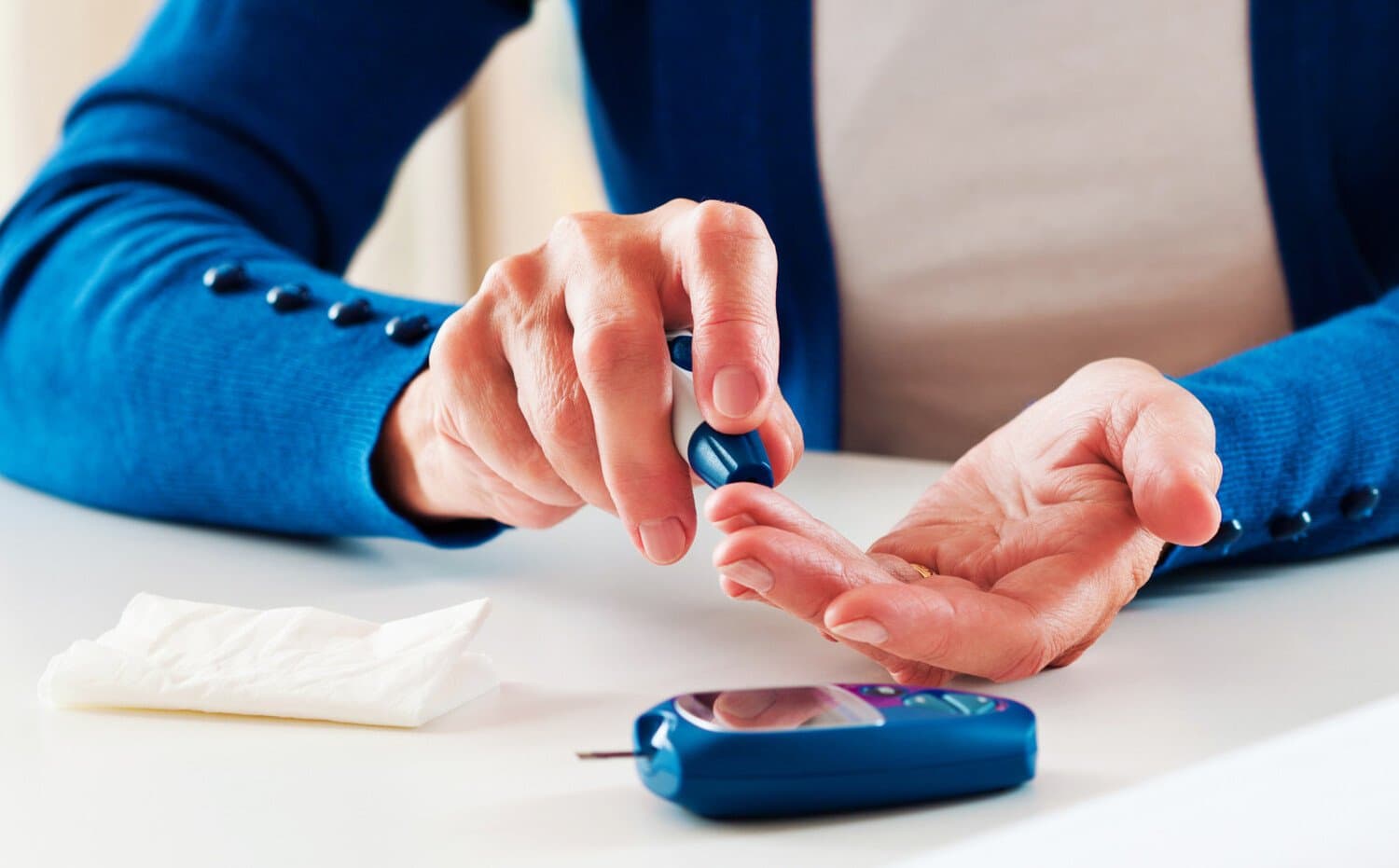
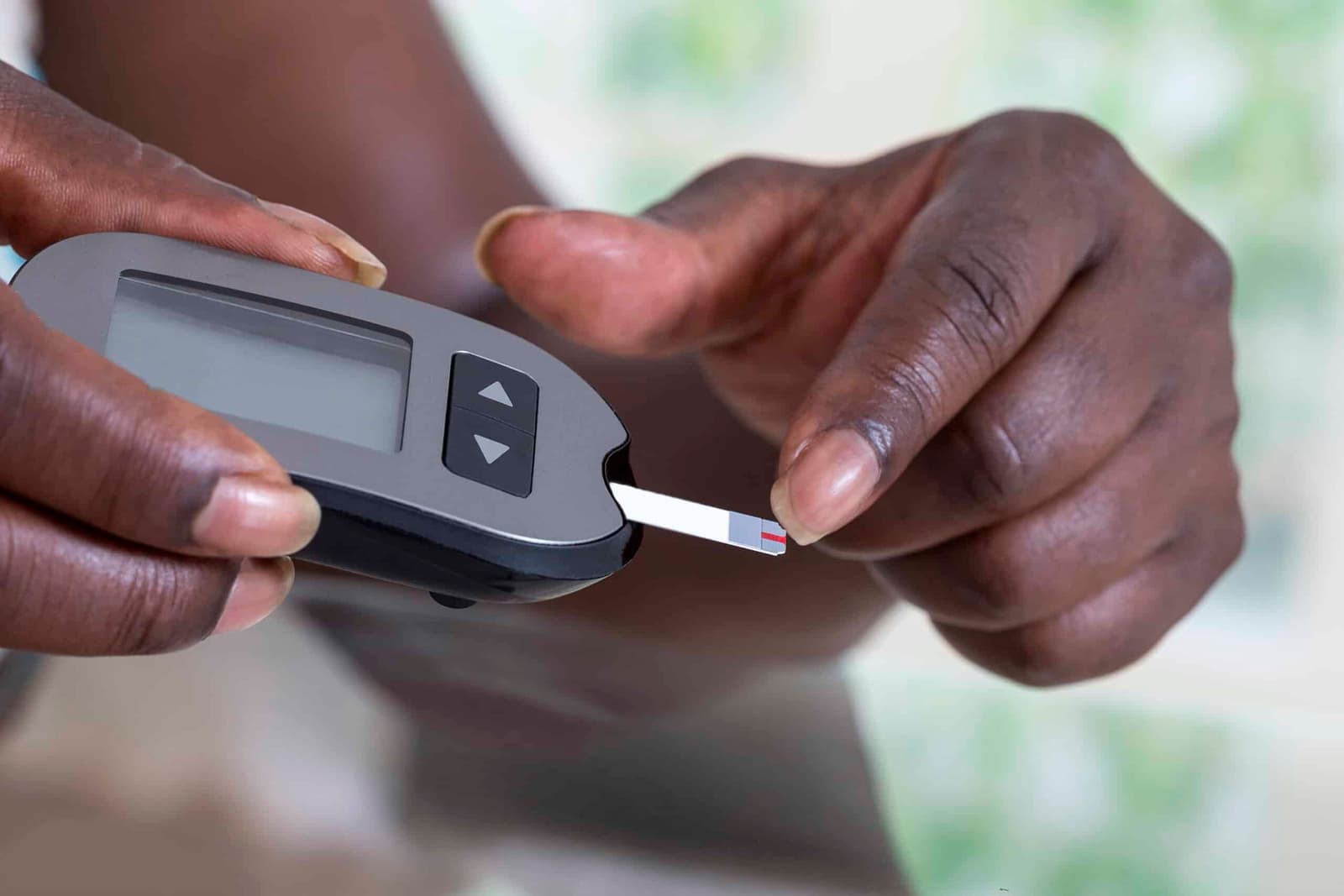
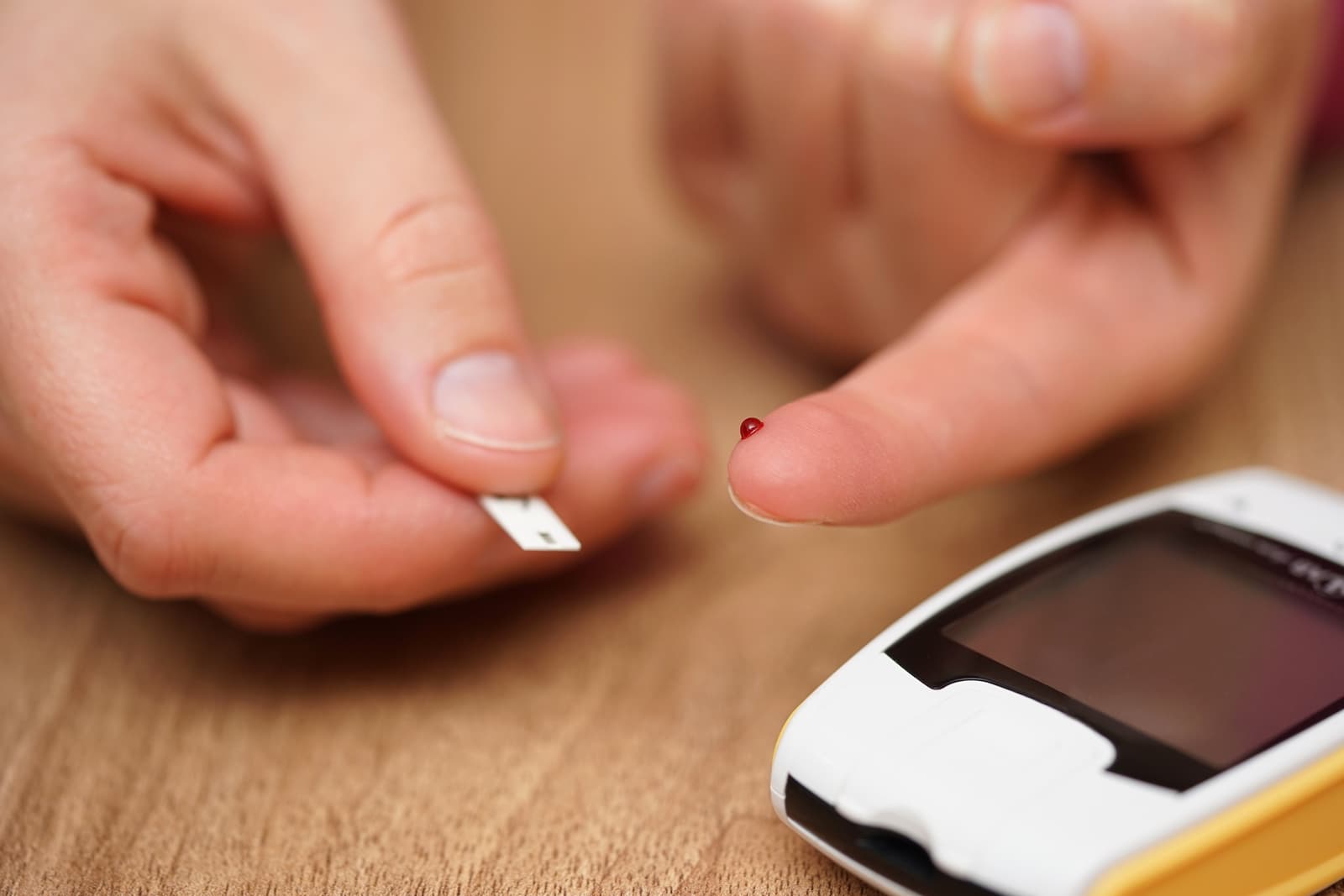
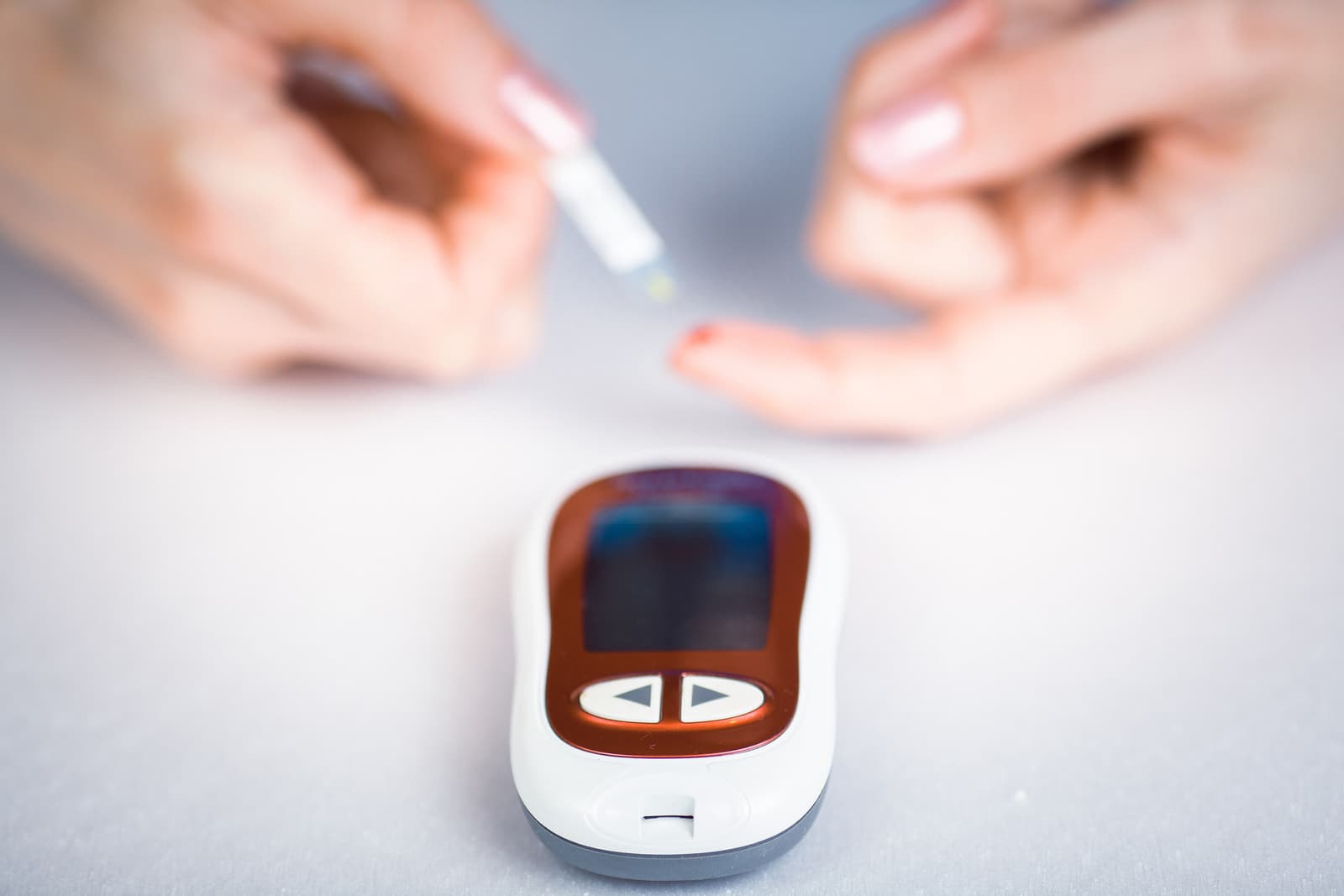
Second, blood glucose monitoring and targets: people use fingerstick testing or continuous glucose monitoring to track patterns and guide therapy, while clinicians set individualized HbA1c and daily glucose goals that balance long‑term benefit with hypoglycemia risk.
Third, pharmacotherapy: for many with type 2 diabetes, metformin is a first‑line oral agent, with additional classes (SGLT2 inhibitors, GLP‑1 receptor agonists, DPP‑4 inhibitors, insulin) added based on glucose control, comorbidities, and side‑effect profiles; type 1 diabetes requires insulin replacement, often delivered via multiple daily injections or pumps, and may be supported by automated insulin delivery systems.
Fourth, comprehensive risk‑factor management and screening: controlling blood pressure and lipids, using antiplatelet therapy when indicated, regular eye and foot exams, kidney monitoring, and vaccinations reduce complications. Education, psychosocial support, and access to supplies and care teams (primary care, endocrinology, diabetes educators, dietitians) are essential because social determinants strongly influence outcomes.
Acute problems—severe hypoglycemia, diabetic ketoacidosis, or hyperosmolar states—need urgent treatment and prevention planning. Shared decision‑making ensures that targets and therapies reflect the person’s life, comorbidities, and priorities, and technology (continuous glucose monitors, insulin pumps, telehealth) can improve control and quality of life when accessible. Regular follow‑up and adjustment of the plan keep care responsive to changing needs.
Can diabetes be prevented?
Many cases of type 2 diabetes are preventable or delayable because the condition often develops from modifiable risks such as excess weight, poor diet, and physical inactivity. Evidence from large trials and public‑health programs shows that modest weight loss (about 5–7% of body weight) combined with regular moderate physical activity and healthier eating can cut the risk of progression from prediabetes to type 2 diabetes by roughly half; structured year‑long programs modeled on the Diabetes Prevention Program are widely recommended for people with prediabetes. National and clinical programs that combine coaching, goal setting, and peer support produce durable behavior change and are endorsed by major diabetes organizations as first‑line prevention strategies. For some high‑risk individuals, short‑term medication such as metformin may be considered when lifestyle change alone is insufficient or not feasible; medication decisions should be individualized with a clinician.

Conclusion
Diabetes is a group of metabolic disorders characterized by elevated blood glucose that, over time, can damage the heart, kidneys, eyes, nerves, and feet. Type 1 results from autoimmune loss of insulin and requires lifelong insulin replacement; type 2 stems from insulin resistance and relative insulin deficiency and is strongly linked to lifestyle and genetic factors; gestational diabetes appears during pregnancy and raises future risk for both mother and child. Effective care combines early detection, sustained lifestyle change, individualized medication, and regular screening to reduce the chance of acute crises and long‑term complications.
Read More