

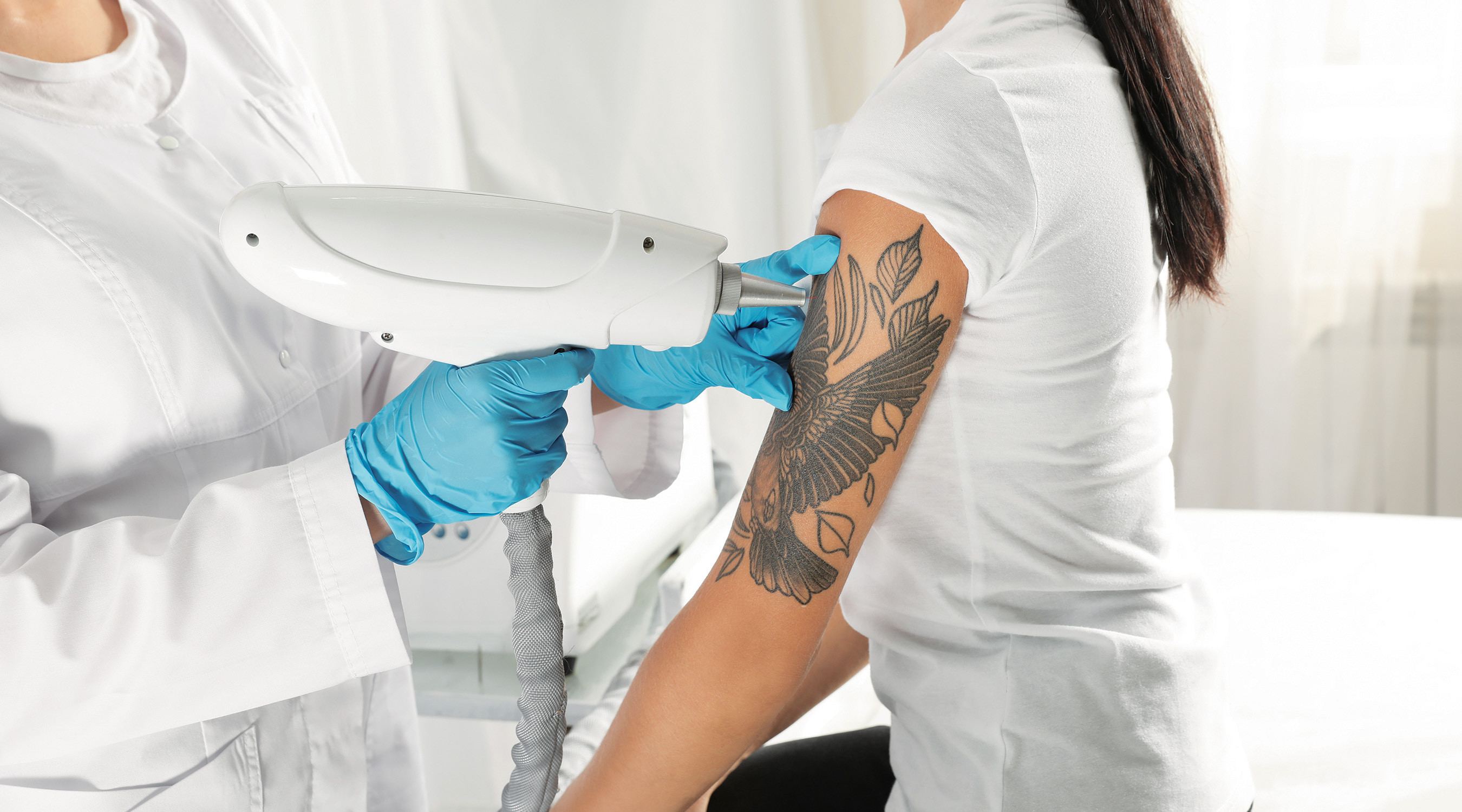
Tattoo removal is the process of reducing or eliminating unwanted ink from the skin, most commonly performed with specialized lasers that break pigment into smaller particles the immune system can clear.
What is tattoo removal?
Tattoo removal is the process of diminishing or eliminating unwanted tattoo pigment from the skin using medical and surgical techniques tailored to the tattoo’s age, ink colors, depth, and the patient’s skin type. The most common method uses specialized lasers that deliver brief, high‑energy pulses at specific wavelengths to fragment tattoo ink into smaller particles the body’s immune system can gradually clear, requiring multiple treatments spaced weeks apart to allow for pigment breakdown and tissue healing. Other approaches include surgical excision for small tattoos, which removes inked skin directly, and mechanical methods such as dermabrasion that abrade the skin to remove pigment, both of which have different scar and recovery profiles. Success depends on factors such as ink color and composition, the presence of layered or amateur tattoos, and individual healing responses. Temporary side effects typically include redness, swelling, blistering, and crusting, while longer‑term risks can include hypopigmentation, hyperpigmentation, textural changes, or scarring.
How does tattoo removal work?
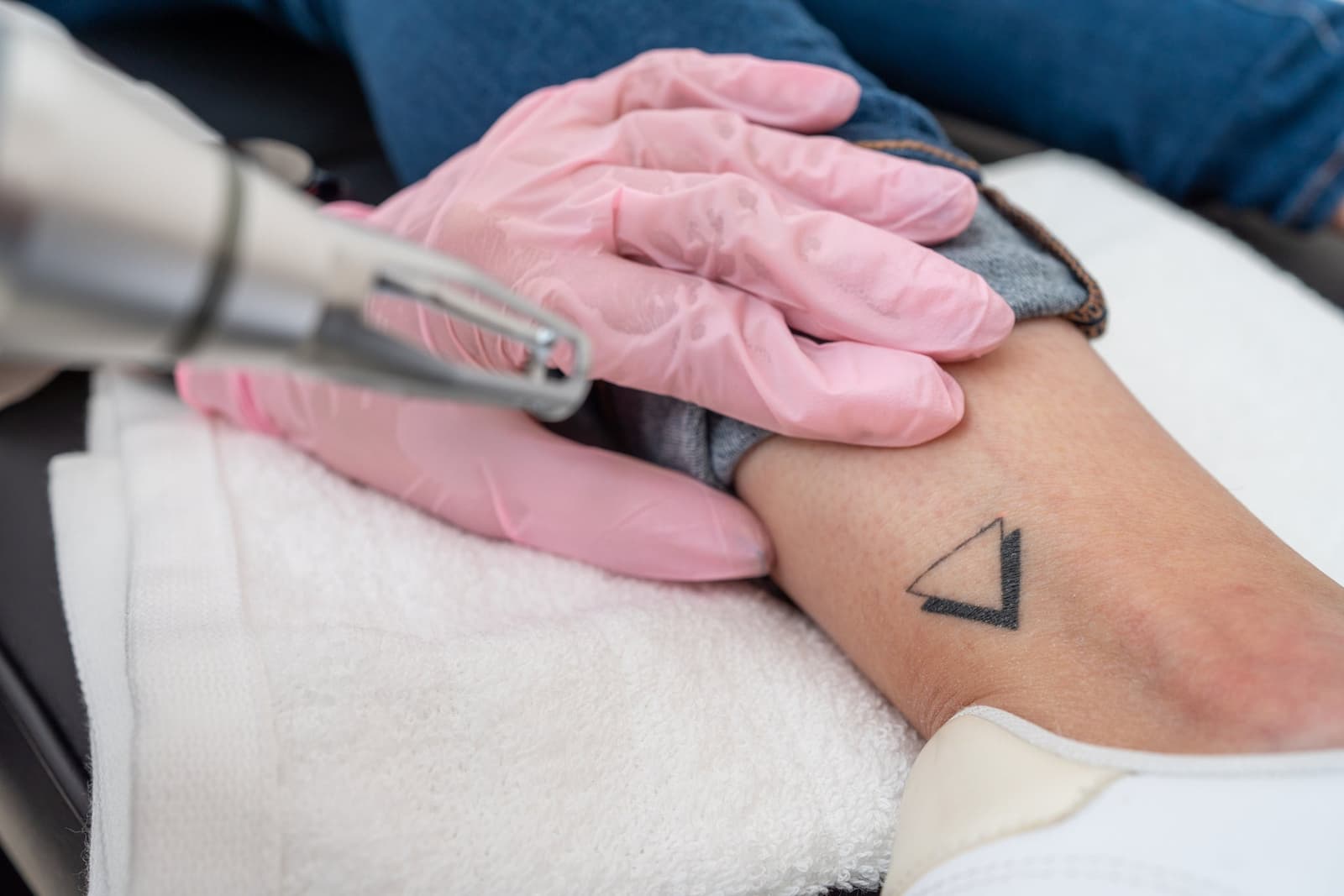
Tattoo removal most commonly uses Q‑switched or picosecond lasers that deliver extremely short, high‑intensity pulses of light at specific wavelengths to target tattoo pigments without removing large amounts of surrounding skin; the laser energy selectively fragments the ink particles into much smaller pieces that the body’s immune system—primarily macrophages—can gradually clear away over weeks to months, producing progressive fading across multiple treatment sessions. Different wavelengths are used for different ink colors because each pigment absorbs light differently, so black and dark blue inks respond best to common lasers while greens, yellows, and some bright colors may require alternative wavelengths or more sessions. Treatments are spaced weeks apart to allow tissue healing and immune clearance; during and after sessions patients commonly experience redness, swelling, blistering, and crusting, and there is a risk of temporary or permanent pigment changes or scarring. Alternative removal methods include surgical excision for small tattoos and dermabrasion, but these carry higher risks of scarring and longer downtime. A dermatologist or experienced laser clinician assesses tattoo size, color, location, and skin type to estimate the number of sessions, choose lasers, and set realistic expectations for fading or complete removal.

Is tattoo removal painful?
Tattoo removal can be uncomfortable but is usually described as tolerable and often less intense than the original tattooing process; many patients report sensations similar to a hot sunburn or repeated snaps of a rubber band against the skin, with short, sharp pulses during laser treatment and lingering soreness afterward. Pain intensity varies by individual pain tolerance, tattoo size, ink color, location on the body, and the removal method used; areas with thin soft tissue or close to bone (for example, the wrist, ankle, or around the ribs) tend to be more painful than fleshier sites such as the upper arm. Modern lasers deliver treatments quickly, which concentrates discomfort into brief moments, and clinics commonly offer topical anesthetics, cooling devices, nerve blocks, or local anesthesia to reduce pain during sessions. Aftercare can involve tenderness, redness, swelling, blistering, and crusting that may be uncomfortable for days to weeks, and patients should follow wound‑care instructions to minimize complications and related pain. Overall, while tattoo removal is not painless, pain-management options and the transient nature of the procedure make it manageable for most people seeking fading or removal of unwanted ink.

Who is a candidate for tattoo removal?
A good candidate for tattoo removal is any person who wishes to diminish or eliminate unwanted body art and who understands the likely course, limitations, and risks of the available methods; almost all tattoos can be considered for removal, but ideal candidates are those with realistic expectations, good overall health, and an ability to attend multiple treatment sessions and follow postoperative care instructions. Skin type, tattoo color, age of the tattoo, ink composition, depth of pigment, and whether the tattoo is a single layer or has been layered with cover‑ups all influence how well removal works and how many sessions are needed. People with darker skin tones need careful assessment because certain lasers carry a higher risk of pigmentation changes, and those with medical conditions that impair healing, a history of keloids, or active skin infections may need medical clearance or may be counseled against some removal techniques. Smokers and those unable to avoid sun exposure during treatment can face slower healing and higher complication risks.
What are the types of tattoo removal?
There are several approaches to tattoo removal, each with distinct mechanisms, benefits, and risks, and the best option depends on tattoo size, color, depth, location, and the patient’s skin type.
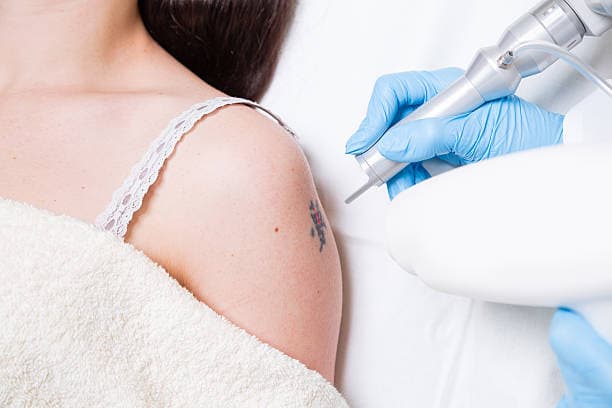
Laser tattoo removal, the most common method, uses Q‑switched or picosecond lasers at specific wavelengths to fragment ink particles so the immune system can clear them over multiple sessions, typically giving the best balance of effectiveness and safety for a wide range of colors.
Dermabrasion mechanically abrades the upper skin layers to remove pigment and can lighten tattoos but carries a higher risk of scarring and pigment changes and generally yields less predictable results than lasers.
Chemical peels and topical solutions use acidic or caustic agents to remove superficial skin layers and fade ink but are often inconsistent and increase the chance of irritation and scarring.
Surgical excision removes the tattooed skin entirely and provides immediate, complete removal for small tattoos at the cost of a surgical scar and recovery time.
Over‑the‑counter tattoo removal creams promise fading by topical action but are largely ineffective for deep ink and can cause local irritation or dermatitis.

How long does tattoo removal take?
How long tattoo removal takes varies widely because it depends on tattoo size, ink colors, depth, age of the tattoo, location on the body, the technology used, and individual healing and immune response; small, single‑color tattoos on fleshier areas treated with modern picosecond lasers may fade substantially after a few sessions spaced six to twelve weeks apart, while larger, multicolored, older, or layered tattoos can require a year or more of intermittent treatments to reach satisfactory fading or removal. Typical treatment plans call for multiple sessions—often anywhere from 3 to 12 or more—scheduled several weeks apart to permit skin healing and immune clearance of fragmented pigment, and darker inks generally respond faster than certain greens, yellows, and blues that are more stubborn. Patient skin type and a history of tanning or scarring can extend the timeline because practitioners must work more conservatively to avoid pigmentary changes or textural injury.

Is tattoo removal safe?
Tattoo removal is generally considered safe when performed by a qualified clinician using appropriate technology and protocols, but like any medical procedure it carries potential risks and variable outcomes; modern laser treatments such as Q‑switched and picosecond systems offer the best balance of effectiveness and safety for many tattoos because they selectively target pigment while minimizing damage to surrounding skin, yet multiple sessions and careful wavelength selection are often required to address different ink colors and skin types.

Conclusion
Tattoo removal offers reliable options to fade or eliminate unwanted ink, with laser therapy providing the best balance of effectiveness and safety for most tattoos; success depends on tattoo characteristics, skin type, and the provider’s experience. Treatments usually require multiple sessions and careful aftercare, and risks such as pigment changes or scarring are possible, so realistic expectations and a consultation with a qualified clinician are essential. With informed planning and conservative management, many people achieve significant fading or complete removal while minimizing complications.
Read More