

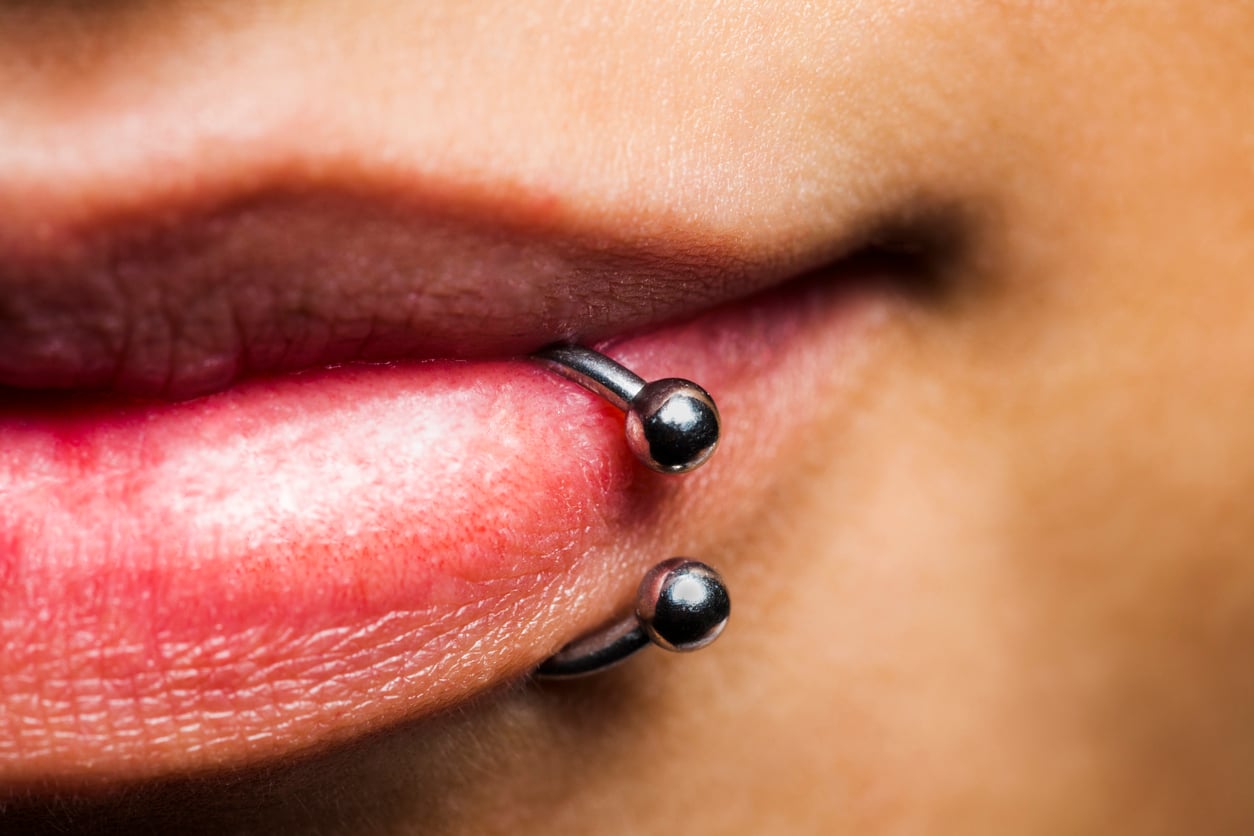
Piercing is a long-practiced form of body modification that creates an opening in the skin to wear jewelry for cultural, aesthetic, or personal reasons.
What is Piercing?
A piercing is a controlled puncture or incision through soft tissue—commonly the earlobe, cartilage, nose, lip, eyebrow, navel, or oral tissues—made to insert jewelry for adornment, cultural expression, or identity. The practice has ancient roots across many cultures, serving as rites of passage, status markers, or spiritual symbols, and today ranges from traditional ceremonial piercings to contemporary fashion statements. Modern professional piercing typically involves a consultation, site assessment, marking, and needle insertion performed with single‑use sterile needles; needles are preferred over piercing guns because they create a cleaner channel and reduce tissue trauma. Jewelry material matters: implant‑grade titanium, surgical stainless steel, niobium, or 14–18k gold reduce allergy risk and support healing. Healing times vary by site—earlobes often heal in weeks, cartilage and navel piercings can take months—and individual factors such as smoking, diabetes, and medication use affect outcomes. Proper aftercare focuses on gentle saline cleansing, avoiding unnecessary manipulation, and delaying jewelry changes until the piercing is fully healed. Complications can include local infection, allergic reaction, hypertrophic scarring or keloid formation, migration or rejection of the jewelry, and, rarely, deeper tissue injury; choosing a reputable, licensed piercer who follows sterilization protocols and provides clear aftercare instructions reduces these risks. For people with bleeding disorders, immune suppression, or certain medical implants, medical consultation before piercing is advisable. When problems arise—spreading redness, increasing pain, purulent drainage, fever, or rapidly enlarging swelling—seek professional medical evaluation promptly to prevent worsening infection or scarring.
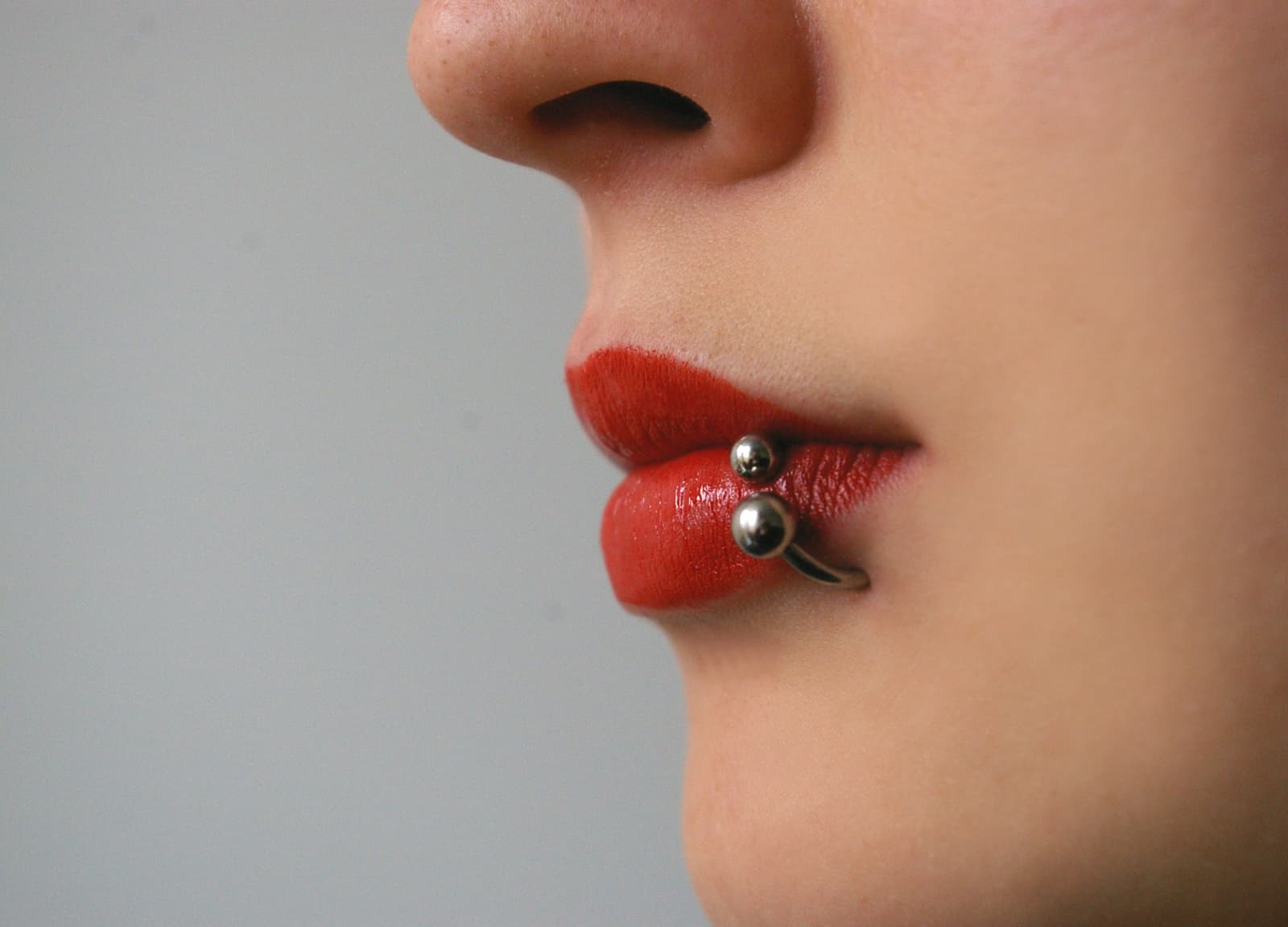
What to Know Before You Get a Piercing
Getting a piercing is both a personal and medical decision: choose the location based on lifestyle, pain tolerance, and healing time, since earlobes heal much faster than cartilage, navel, or oral piercings. Research studios: look for a reputable shop that uses single‑use sterile needles, autoclave sterilization for reusable tools, visible hygiene practices, and clear consent and aftercare instructions; reviews and professional credentials help identify trustworthy piercers. Jewelry matters—select implant‑grade materials such as titanium, niobium, surgical stainless steel, or 14–18k gold to minimize allergic reactions and support healing. Expect healing to vary widely by site and person; even if a piercing feels fine, deeper tissues may still be healing for weeks to months, so patience and consistent care are essential.
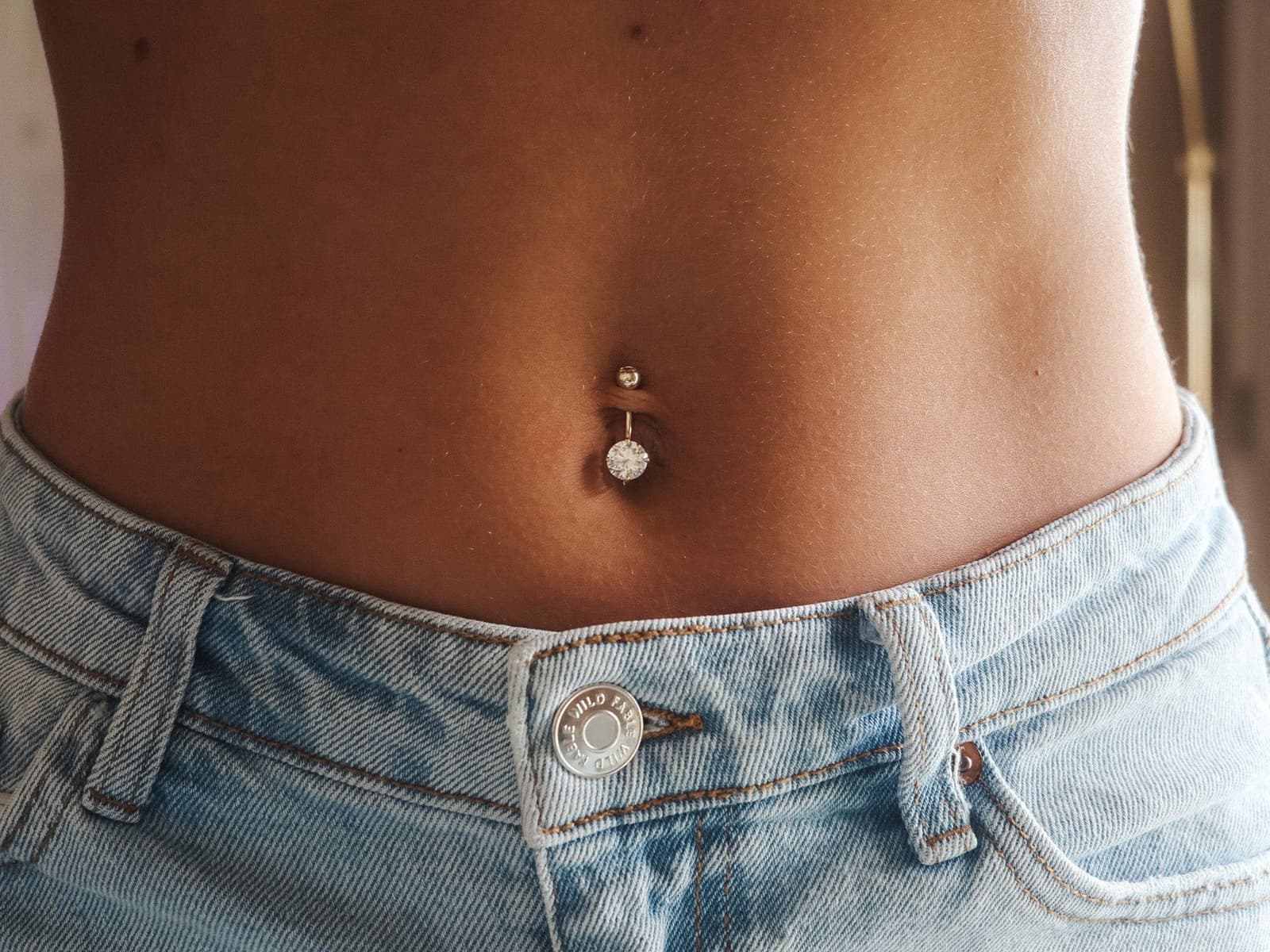
How is a Piercing Done?
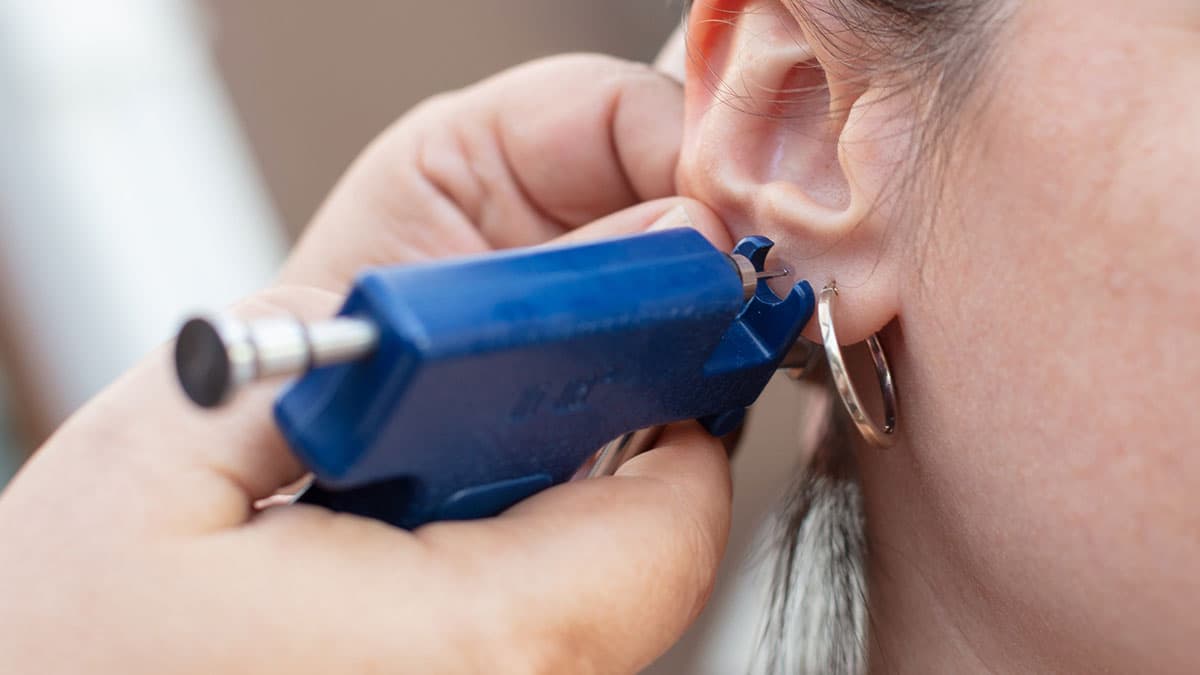
A piercing begins with a consultation and site assessment where the piercer reviews your medical history, explains risks, and helps choose suitable jewelry and placement. The piercer cleans and marks the exact entry and exit points, often asking you to confirm placement while standing or moving to ensure symmetry and comfort. For most professional studios, the preferred method is a hollow, single‑use sterile needle rather than a gun because needles create a cleaner channel and reduce tissue trauma; the needle is passed through the tissue and immediately followed by the initial piece of jewelry (a captive bead ring, barbell, or labret) to maintain the tract. During the procedure the piercer may use forceps, receiving tubes, or clamps to stabilize the tissue and protect the opposite side, and they work quickly to minimize discomfort. After insertion the piercer trims or seats the jewelry, checks alignment, and gives you written aftercare instructions including cleaning with sterile saline, avoiding unnecessary touching, and not changing jewelry until healing is complete. Healing times vary by site—earlobes often heal in weeks, cartilage and navel piercings can take months—so patience and consistent care are essential for a good outcome.
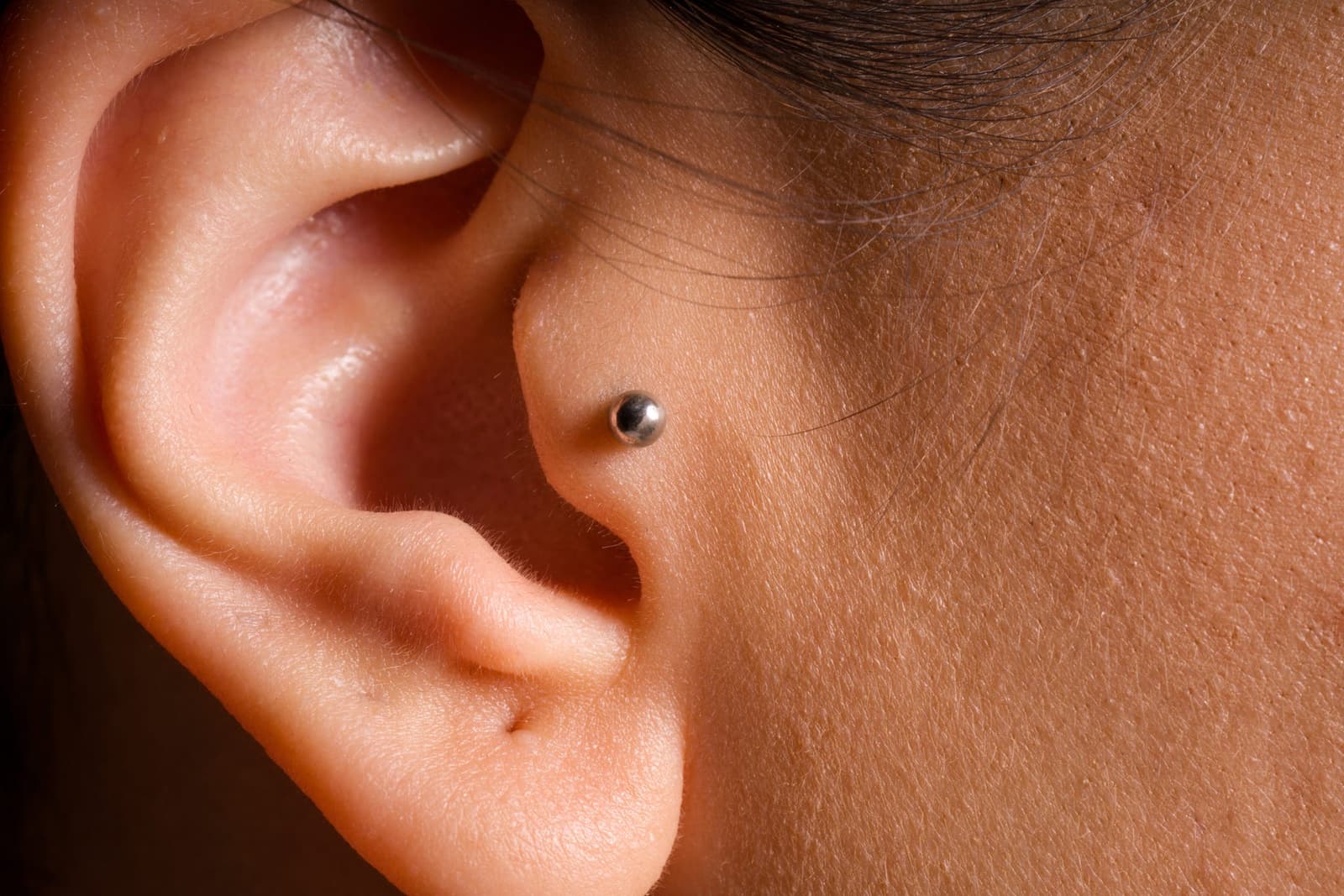
What are the risks of getting a Piercing?
A piercing creates a deliberate wound and therefore carries infection risk, from superficial cellulitis to deeper soft‑tissue infections, especially when performed in nonsterile settings or with poor aftercare; signs include increasing redness, warmth, pus, and fever.
Allergic reactions to low‑quality metals (nickel being common) can cause chronic irritation and dermatitis, so implant‑grade materials such as titanium or niobium are recommended.
Some people develop hypertrophic scars or keloids, raised fibrous tissue that can be cosmetically and functionally problematic; cartilage sites are more prone to prolonged healing and deformity.
Mechanical complications include migration, rejection, tearing, or traumatic displacement of jewelry, particularly with thin or improperly sized pieces.
There are also bleeding and nerve‑injury risks, especially in highly vascular or innervated areas, and rare but serious outcomes—such as systemic infection or endocarditis in people with certain heart conditions—can occur if underlying medical risks are present.
Oral and genital piercings carry additional hazards like tooth damage, gum recession, and urinary complications.
Healing times vary by site and individual health factors (smoking, diabetes, immunosuppression), and inadequate healing increases complication likelihood.

How to take care of a new piercing
A new piercing is a controlled wound that needs consistent, gentle care to heal properly. Wash your hands before touching the area, and avoid rotating or playing with the jewelry because movement delays healing and introduces bacteria. Use a packaged sterile saline wound wash (0.9% sodium chloride) to clean the site; spray or soak the piercing once or twice daily and gently pat dry with clean, disposable paper towels. Avoid homemade sea‑salt soaks unless instructed by a professional, since incorrect concentrations can irritate tissue. Showering with mild, fragrance‑free soap is acceptable, but rinse thoroughly and avoid harsh cleansers, hydrogen peroxide, alcohol, or antibiotic ointments that can over‑dry or damage healing tissue. Keep hair, clothing, and phone contact to a minimum around the piercing, and avoid swimming in pools, hot tubs, lakes, or oceans until the piercing is well healed to reduce infection risk.
Conclusion
Piercings are a common form of body modification that can be safe and meaningful when performed by a trained professional using sterile technique, implant‑grade jewelry, and consistent aftercare; informed choices and prompt attention to complications greatly reduce risks.
Read More