

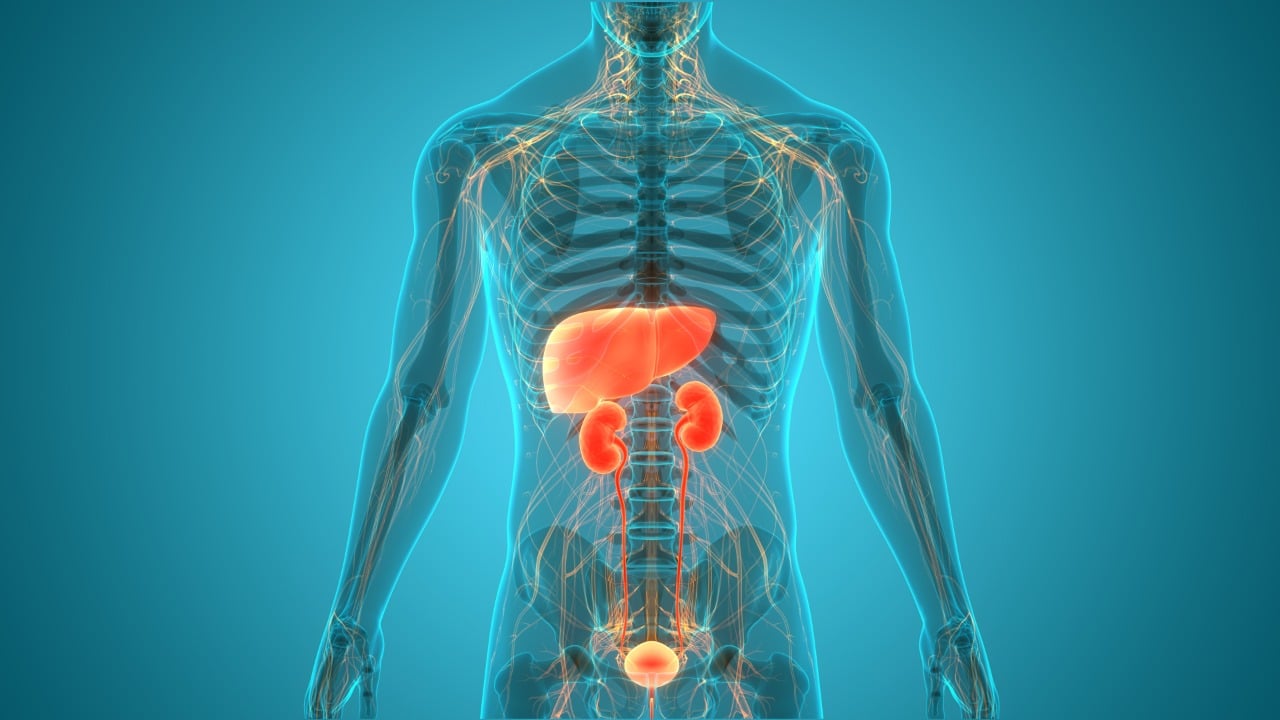
Combined liver–kidney transplantation (CLKT) is an established therapeutic option for patients with concurrent end-stage liver disease and irreversible renal dysfunction.
What is a combined liver-kidney transplant?
A combined liver–kidney transplant is a surgical procedure in which a patient receives both a new liver and a new kidney from the same donor during a single operation. This approach is used when someone has advanced, irreversible disease in both organs, often caused by conditions such as polycystic disease, certain metabolic disorders, or long‑standing liver failure that has led to kidney damage. Instead of performing two separate transplants, surgeons replace both organs at once, which can reduce overall recovery time and improve long‑term outcomes. The procedure is highly complex and requires careful coordination among transplant teams, as well as thorough evaluation to ensure the patient is healthy enough to undergo major surgery. After the operation, the new liver typically begins functioning quickly, while the kidney may take a bit longer to reach full performance. Patients spend time in intensive care and then continue recovery with close monitoring, medications to prevent organ rejection, and long‑term follow‑up. While the surgery carries significant risks, it can offer a meaningful improvement in quality of life for people whose liver and kidney diseases cannot be managed by other treatments.
Who needs a combined liver-kidney transplantation?
A combined liver–kidney transplant is considered for people who have severe, irreversible disease in both organs, making it unlikely that either a liver‑only or kidney‑only transplant would succeed on its own. Candidates often include individuals with advanced liver failure who have also developed permanent kidney damage, sometimes due to long‑standing conditions such as hepatitis‑related cirrhosis, alcoholic liver disease, or autoimmune liver disorders. In some cases, kidney injury develops as a direct consequence of liver failure, a situation known as hepatorenal syndrome, where the kidneys stop functioning properly even though they may not be structurally damaged. Other patients may have metabolic or genetic diseases—such as polycystic disease or certain enzyme deficiencies—that harm both organs simultaneously. Doctors also consider this combined approach when kidney function is so poor that recovery after a liver‑only transplant is unlikely. Because the surgery is complex and the risks are significant, transplant teams evaluate each case carefully, looking at overall health, the likelihood of organ recovery, and whether a single‑organ transplant could be sufficient. While this procedure isn’t common, it can offer a meaningful path forward for people whose dual organ failure cannot be managed by other treatments. If you want, I can also outline how doctors determine eligibility.
What happens before a combined liver-kidney transplant?
Before a combined liver–kidney transplant, patients go through an extensive evaluation process designed to confirm that the surgery is appropriate, safe, and likely to succeed. This period involves a series of medical tests, consultations, and compatibility checks.
One of the most important steps is crossmatching, a laboratory test that determines whether the patient’s immune system will react against the donor’s organs. In this test, the patient’s blood is mixed with donor cells to check for harmful antibodies; a negative crossmatch indicates good compatibility and lowers the risk of rejection.
Alongside crossmatching, patients undergo blood typing, tissue typing, and a full panel of infectious disease screenings.
Imaging studies—such as CT scans, ultrasounds, and chest X‑rays—help doctors assess the condition of the liver, kidneys, and surrounding structures.
Cardiac evaluations, including EKGs and stress tests, ensure the heart is strong enough for major surgery.
Patients also meet with specialists in nutrition, anesthesia, and mental health to evaluate overall readiness and support needs.
Throughout this process, transplant teams review medical history, current medications, and any factors that could affect recovery. The goal is to build a complete picture of the patient’s health so the team can plan a safe, coordinated transplant that gives both organs the best chance to function well after surgery.
What happens during a combined liver-kidney transplant?
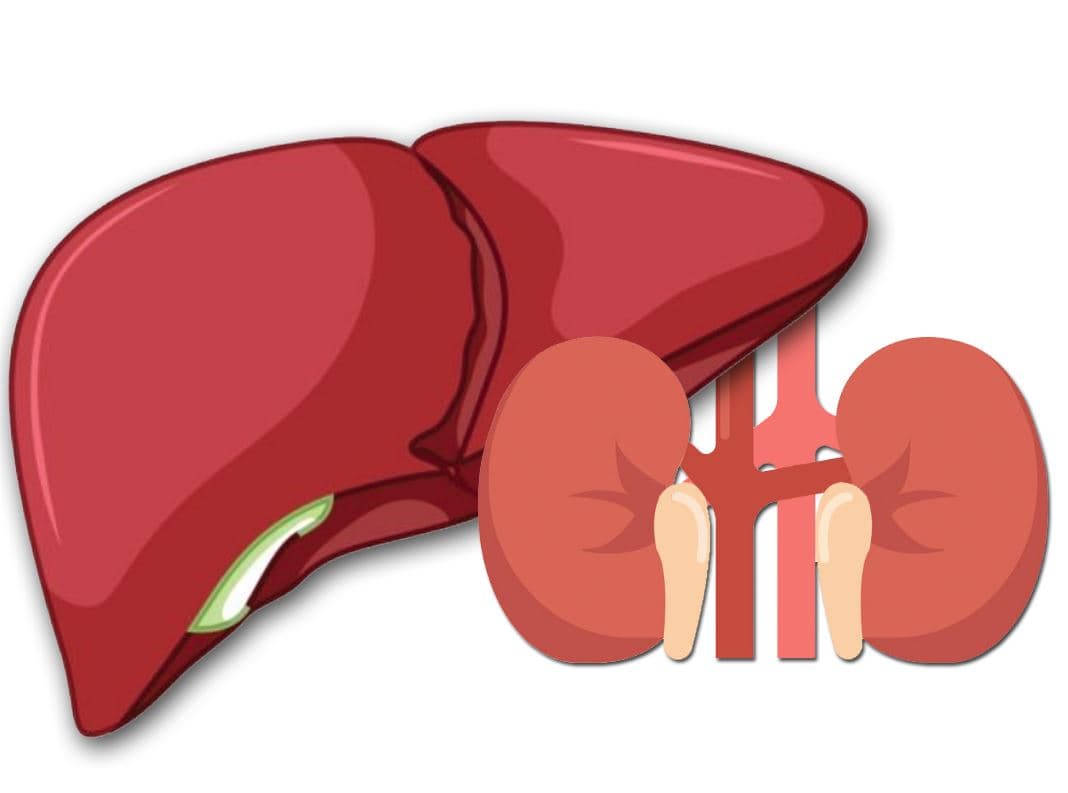
A combined liver–kidney transplant is performed as a single, carefully coordinated operation in which surgeons replace both failing organs during the same surgical session. The procedure begins with anesthesia and preparation of the abdomen to allow access to the liver and kidneys. Surgeons first remove the diseased liver, a step that can be complex because advanced liver disease often causes scarring and enlarged blood vessels. Once the old liver is removed, the donor liver is placed into position and connected to the major blood vessels and bile ducts so it can begin functioning. After the liver is secured, attention shifts to the kidneys. The failing kidney is usually left in place unless there is a specific reason to remove it, and the donor kidney is implanted in the lower abdomen. Surgeons connect the kidney’s blood vessels and attach the ureter to the bladder so urine can drain normally. Throughout the operation, the transplant team monitors blood flow, organ function, and stability to ensure both organs are working properly. Once the surgery is complete, the patient is moved to intensive care for close observation, where the new liver typically begins functioning quickly and the kidney gradually increases its performance over the following hours or days.
What are the risks & benefits of combined liver-kidney transplant?
A combined liver–kidney transplant carries significant risks, but it also offers meaningful benefits for people with irreversible disease in both organs. The major risks stem from the complexity of the surgery itself. Because two organs are transplanted in one operation, patients face a higher chance of bleeding, infection, and complications related to anesthesia. There is also the possibility of delayed kidney function, where the new kidney takes time to start working fully. As with any transplant, rejection is a concern, and patients must take lifelong immunosuppressive medications that can increase susceptibility to infections and certain long‑term side effects. Despite these challenges, the benefits can be substantial. For individuals whose liver and kidney failure are closely linked, receiving both organs together can improve survival and reduce the likelihood that one failing organ will jeopardize the other. A combined transplant can also simplify treatment by avoiding two separate surgeries and reducing the overall recovery burden. In some cases, receiving a new liver can help stabilize the immune system and improve the success of the kidney transplant. For many patients, the procedure offers the chance to regain strength, restore organ function, and return to daily activities that were impossible before surgery.
Combined liver-kidney transplant survival rates & aftercare
Combined liver–kidney transplant survival rates have steadily improved over the years, largely because of advances in surgical techniques, organ preservation, and post‑transplant care. While exact numbers vary by center and individual health factors, many programs report strong one‑year survival rates for patients and grafts, reflecting the effectiveness of performing both transplants together when medically necessary. Long‑term outcomes often depend on the underlying cause of organ failure, the patient’s overall condition before surgery, and how well the new organs function in the early postoperative period.
Aftercare plays a central role in maintaining these outcomes. Patients spend the first days to weeks in the hospital, where teams monitor liver and kidney function, adjust medications, and watch for signs of infection or rejection. Once home, lifelong follow‑up becomes essential. This includes regular clinic visits, blood tests, and strict adherence to immunosuppressive medications that help protect both organs. Lifestyle adjustments—such as maintaining a balanced diet, avoiding alcohol, staying active, and managing other health conditions—support long‑term health. Emotional and social support also matter, as recovery can be physically and mentally demanding. With consistent aftercare and close coordination with the transplant team, many patients experience meaningful improvements in quality of life and long‑term stability.
Conclusion
A combined liver–kidney transplant represents a powerful option for people facing irreversible failure of both organs, offering a path toward restored health when other treatments are no longer effective. Although the procedure is complex and requires careful evaluation, meticulous surgical planning, and lifelong follow‑up, it can provide meaningful improvements in survival, stability, and overall quality of life. By addressing liver and kidney disease simultaneously, this approach reduces the risk that one failing organ will compromise the other and allows patients to move forward with a single, coordinated recovery.
Read More