Angioplasty Procedure
How is Angioplasty performed?
The process begins with the patient receiving a mild sedative to help them relax, but they remain conscious throughout the procedure. The area where the catheter will be inserted, typically the groin or wrist, is cleaned and numbed with a local anesthetic. The doctor then makes a small puncture in the skin and inserts a thin tube called a sheath into the artery. Through this sheath, a long, flexible tube called a catheter is threaded up to the coronary arteries using X-ray images as a guide.
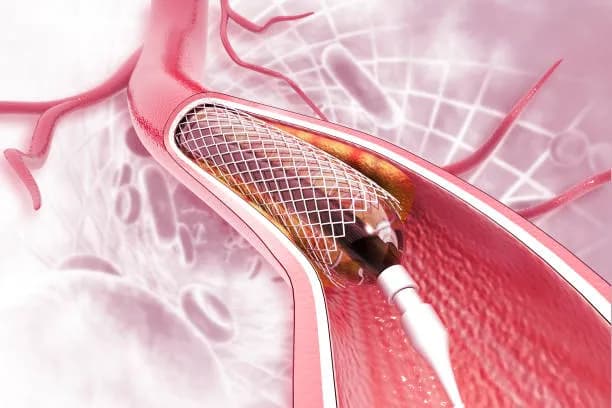
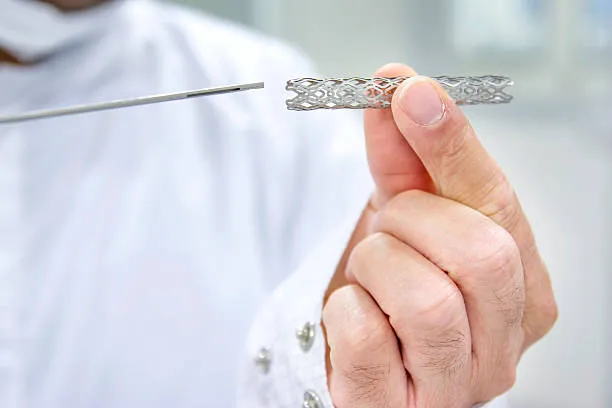
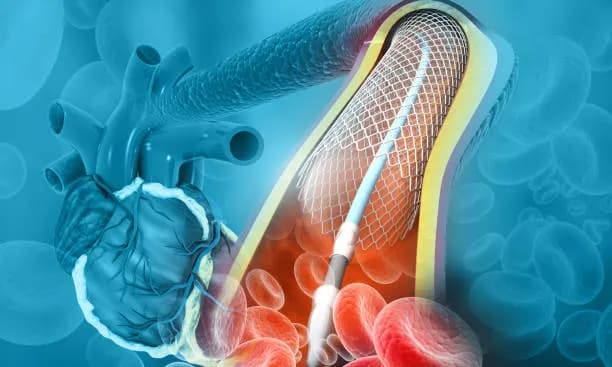
Once the catheter reaches the narrowed section of the artery, a small balloon at its tip is inflated. This balloon pushes the fatty deposits, or plaque, against the artery walls, which helps to widen the artery and restore blood flow to the heart. The balloon is then deflated and removed. In many cases, a stent—a small, wire mesh tube—is placed in the artery to help keep it open. The stent is mounted on a balloon at the tip of the catheter. When the balloon is inflated, the stent expands and locks into place. The balloon is then deflated and withdrawn while the stent stays in the artery permanently.
After the procedure, the sheath is removed, and pressure is applied to the entry site to prevent bleeding. The patient is then taken to a recovery area for monitoring. They may need to lie flat for several hours to avoid bleeding from the catheter insertion site. Most patients are able to go home the same day or the next morning.
Angioplasty significantly improves symptoms of heart disease, such as chest pain and shortness of breath. It can also increase the patient's ability to perform physical activities that were previously too difficult. While angioplasty is less invasive than open-heart surgery, it still carries risks such as bleeding, blood clots, and artery damage. However, serious complications are rare, and the procedure has a high success rate in relieving symptoms of blocked arteries.
How to prepare for Angioplasty
Preparing for an angioplasty is a critical step to ensure the procedure's success and minimize potential risks. Here's a comprehensive guide on how to prepare:
Medical Evaluation: Initially, the patient will undergo a thorough medical evaluation, including a physical examination and a review of their medical history. This assessment helps the cardiologist determine the patient's suitability for angioplasty and identify any potential risks.
Diagnostic Tests: Before the procedure, several diagnostic tests such as blood tests, an electrocardiogram (ECG), and a coronary angiogram may be performed. These tests provide valuable information about the heart's condition and the extent of coronary artery disease.
Medications: The doctor may prescribe or adjust medications prior to angioplasty. Patients should inform their doctor of all medications they are taking, including over-the-counter drugs, supplements, and herbal remedies. It's crucial to follow the doctor's instructions regarding which medications to take or avoid before the procedure.
Fasting: Patients are usually required to fast for 6-8 hours before the angioplasty. This means no food or drink, except for small sips of water to take any necessary medications.
Arranging Transportation: Since patients are given sedatives during the procedure, they will not be able to drive afterward. It's important to arrange for someone to drive them home from the hospital.
Personal Items: Patients should bring a list of their current medications, insurance information, and personal items they may need during their hospital stay, such as glasses or dentures.
Clothing: Wear comfortable, loose-fitting clothing to the hospital. Patients will change into a hospital gown for the procedure, but comfortable clothes will be needed for the journey home.
Allergies: Inform the medical team of any allergies, especially to iodine or contrast dye, which is commonly used during angioplasty to visualize the arteries.
Consent: The patient will be asked to sign a consent form explaining angioplasty's risks and benefits. They should read this form carefully and ask questions if anything is unclear.
Emotional Preparation: It's natural to feel anxious before a medical procedure. Patients should discuss any fears or concerns with their doctor, who can provide reassurance and information.
By meticulously following these preparation steps, patients can help ensure a smoother angioplasty procedure and recovery. It's also a good opportunity to discuss any lifestyle changes that may be necessary post-procedure to maintain heart health and prevent future blockages.
What are the benefits of Angioplasty?
Angioplasty, also known as percutaneous coronary intervention (PCI), is a medical procedure that has revolutionized the treatment of coronary artery disease. It involves the insertion of a catheter with a small balloon at its tip into a narrowed segment of a coronary artery. The balloon is then inflated to open up the artery, improving blood flow to the heart muscle. Often, a stent, which is a small wire mesh tube, is placed in the artery to keep it open long-term.
The benefits of angioplasty are numerous and significant. Firstly, it can rapidly alleviate symptoms of heart disease such as chest pain (angina) and shortness of breath, which can improve a patient's quality of life. By restoring blood flow, angioplasty can also reduce the risk of a heart attack and increase the chances of survival if one occurs. For many patients, the procedure allows them to return to their normal activities within a few weeks, with many reporting that they can do more and feel better than before the procedure.
Another advantage of angioplasty is that it is less invasive than traditional open-heart surgery. The procedure typically requires only local anesthesia, involves a shorter hospital stay, and results in a quicker recovery time. This particularly benefits older patients or those with other health conditions that make surgery riskier.
Angioplasty can also prevent the progression of disease in the treated arteries, potentially reducing the need for more invasive procedures in the future. It's an efficient way to get blood flowing to the heart again quickly, which is crucial after a heart attack to minimize damage to the heart muscle.
In terms of long-term outcomes, patients who undergo angioplasty often experience a significant reduction in the incidence of recurrent chest pain, and the need for additional medication may be decreased. The procedure also has a good track record of safety and effectiveness, with continual advancements in technology and technique further improving its success rate.