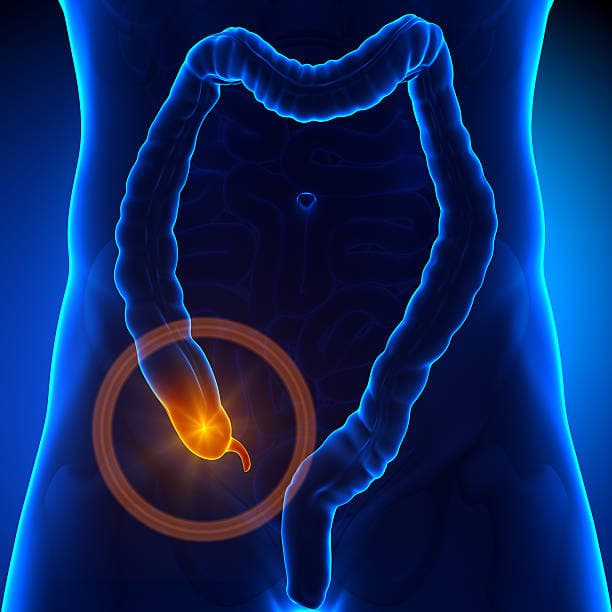
Preparing for an appendectomy involves several important steps to ensure a smooth and successful procedure. Whether the surgery is scheduled in advance or performed on an emergency basis, understanding how to get ready can help reduce anxiety and improve overall outcomes.
Preoperative Evaluation: Before the surgery, the healthcare team will conduct a thorough evaluation to assess the patient's overall health and determine the best approach for the procedure. This evaluation typically includes a physical examination, medical history review, and diagnostic tests such as blood tests and imaging studies (e.g., ultrasound, CT scan) to confirm the diagnosis of appendicitis and assess the severity of the condition.
Medical History and Medications: Patients should provide their healthcare provider with a complete medical history, including any existing medical conditions, allergies, and current medications. It is important to inform the surgical team about all medications being taken, including prescription drugs, over-the-counter medications, and supplements. Some medications, such as blood thinners, may need to be adjusted or temporarily discontinued before the surgery to reduce the risk of bleeding.
Fasting: Patients are usually instructed to fast for a specific period before the surgery, typically for at least six to eight hours. This means avoiding all food and drinks, including water, to ensure an empty stomach during the procedure. Fasting helps reduce the risk of aspiration (inhaling stomach contents into the lungs) while under anesthesia.
Preoperative Instructions: The surgical team will provide detailed preoperative instructions, which may include guidelines on what to wear and bring to the hospital. Patients are often advised to wear loose, comfortable clothing and avoid wearing jewelry, makeup, or nail polish. Personal items such as eyeglasses, contact lenses, and dentures should be removed before the surgery. It is also helpful to arrange for someone to drive the patient to and from the hospital, as they will not be able to drive after the procedure.
Preparing the Surgical Site: The surgical site, typically the lower right side of the abdomen, will be cleaned and sterilized before the procedure. Patients may be asked to shower with an antiseptic soap the night before or the morning of the surgery to help reduce the risk of infection.
Mental and Emotional Preparation: Undergoing surgery can be stressful, so it is important for patients to take steps to manage anxiety and prepare mentally and emotionally. Practicing relaxation techniques such as deep breathing, meditation, or visualization can help reduce stress. It is also beneficial to have open communication with the healthcare team, ask questions, and discuss any concerns about the procedure.
Logistical Arrangements: Patients should make logistical arrangements in advance, such as arranging for time off work or school, organizing childcare, and ensuring a comfortable recovery environment at home. Having a support system in place, including family and friends who can assist with daily tasks and provide emotional support, can significantly enhance the recovery experience.
Preoperative Preparation: Before the surgery begins, the patient is placed under general anesthesia to ensure they are unconscious and free from pain throughout the procedure. The surgical team, including the surgeon, anesthesiologist, and nurses, prepares the operating area by sterilizing the skin around the incision site to reduce the risk of infection. Once the patient is fully anesthetized and the surgical site is prepped, the procedure can begin.
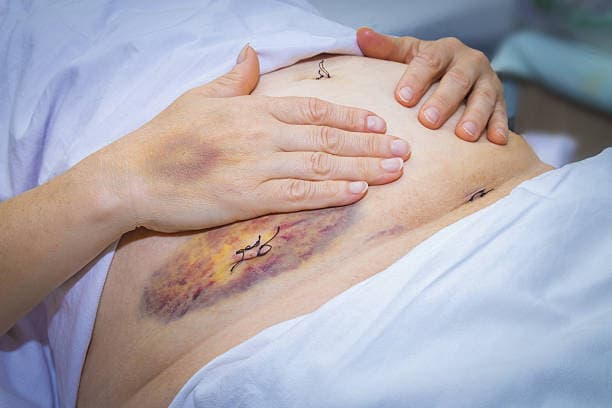
Open Appendectomy: In an open appendectomy, the surgeon makes a single, larger incision in the lower right side of the abdomen. This incision typically measures about 2 to 3 inches in length. The surgeon carefully separates the abdominal muscles and tissue to access the appendix. Once the appendix is located, it is isolated and tied off with surgical sutures to prevent any contents from spilling into the abdominal cavity. The appendix is then removed, and the area is thoroughly cleaned to ensure no infection remains. The surgeon closes the incision with sutures or staples, and a sterile dressing is applied to protect the wound.
Laparoscopic Appendectomy: In a laparoscopic appendectomy, the surgeon makes several small incisions, each about half an inch in length. Through one of these incisions, a laparoscope—a thin tube equipped with a camera and light—is inserted to provide a clear view of the abdominal cavity on a monitor. Additional surgical instruments are inserted through the other incisions. The surgeon uses the laparoscope to locate the appendix and carefully detaches it from the surrounding tissue. The appendix is then removed through one of the small incisions. The laparoscopic approach is minimally invasive, often resulting in less postoperative pain, smaller scars, and a quicker recovery compared to the open method.
Completion and Recovery: After the appendix is removed, the surgeon ensures that there is no bleeding or infection in the abdominal cavity. The small incisions in a laparoscopic procedure are closed with sutures or surgical tape, and sterile dressings are applied. The patient is then moved to the recovery room, where they are monitored as they wake up from anesthesia. Pain management is provided as needed, and the patient is encouraged to begin light activities and walking to promote circulation and aid recovery.
An appendectomy, the surgical removal of the appendix, is a common procedure primarily performed to treat appendicitis. While it is generally considered safe and effective, like any surgical procedure, it comes with potential risks and complications that patients and healthcare providers must be aware of to ensure informed decision-making and appropriate postoperative care.
Infection: One of the primary risks associated with appendectomy is infection, which can occur at the incision site or within the abdominal cavity. Despite strict aseptic techniques and the use of prophylactic antibiotics, bacteria can still enter the surgical site, leading to redness, swelling, pain, and potentially the formation of an abscess. Severe infections may require additional treatment, such as antibiotic therapy or drainage.
Bleeding and Hematoma: Bleeding is a common risk in any surgical procedure. While most cases involve minor bleeding that is easily controlled, excessive bleeding or the formation of a hematoma (a collection of blood outside the blood vessels) can occur. This may require further intervention to manage and resolve the issue.
Damage to Nearby Organs: The appendix is located near several vital structures, including the intestines, bladder, and blood vessels. During the surgery, there is a risk of inadvertently damaging these nearby organs, which could lead to complications such as perforation, leakage, or injury. If this occurs, additional surgical procedures may be needed to repair the damage.
Anesthesia-Related Risks: General anesthesia is used during an appendectomy to ensure the patient is unconscious and free from pain. However, anesthesia carries its own set of risks, including allergic reactions, respiratory complications, and adverse effects on the cardiovascular system. A thorough preoperative evaluation and careful anesthetic management are essential to minimize these risks.
Postoperative Complications: After the surgery, patients may experience postoperative complications such as ileus (a temporary slowing or stopping of intestinal function), wound dehiscence (reopening of the surgical incision), or deep vein thrombosis (blood clot formation in the deep veins, usually in the legs). These complications require prompt medical attention and appropriate treatment.
Adhesions and Bowel Obstruction: Over time, scar tissue can form within the abdominal cavity, leading to adhesions (bands of scar tissue that can cause organs to stick together). Adhesions can result in bowel obstruction, causing symptoms such as abdominal pain, nausea, vomiting, and bloating. In severe cases, surgical intervention may be necessary to resolve the obstruction.