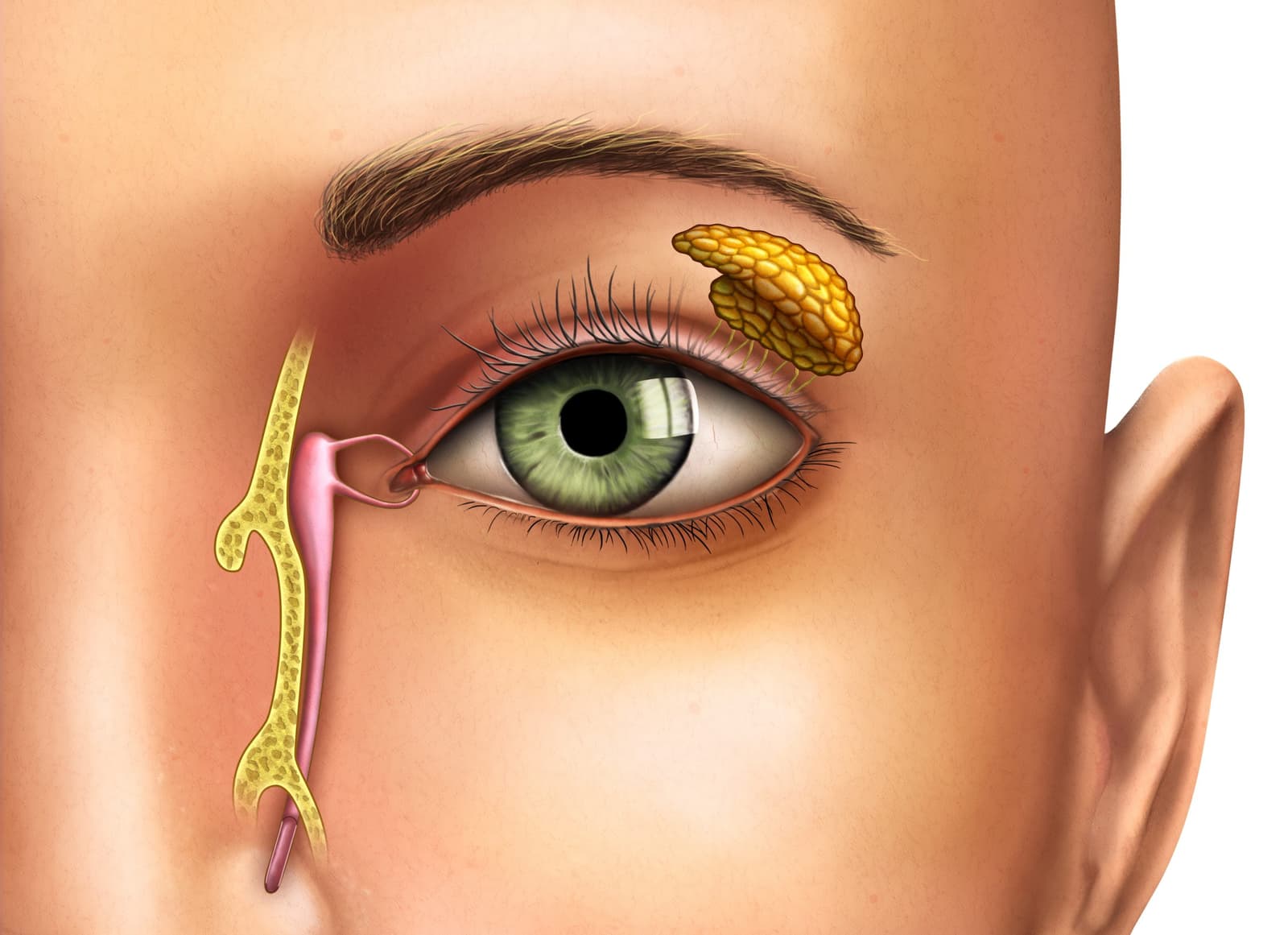
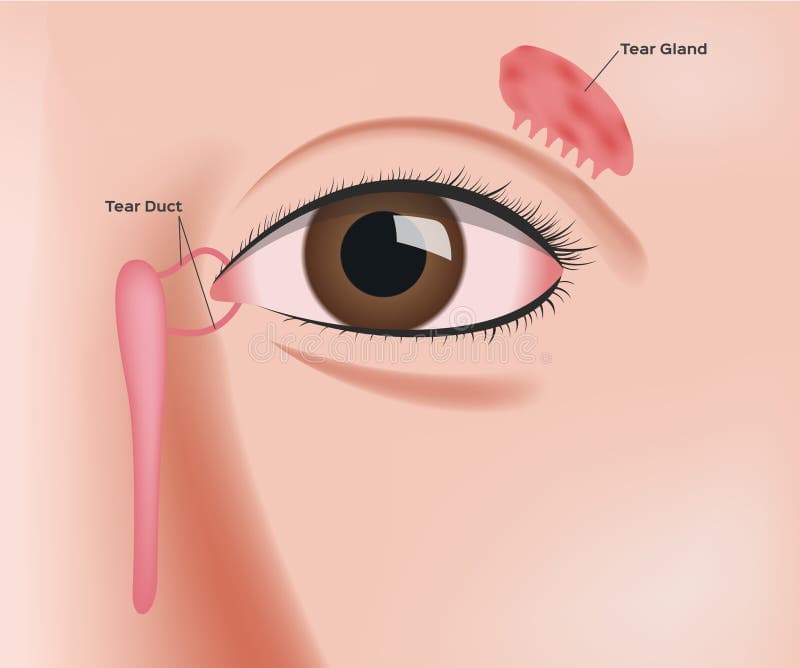
One of the primary causes is congenital blockage, which is common in newborns. In these cases, the tear drainage system may not be fully developed, or there may be a thin tissue membrane covering the opening of the nasolacrimal duct. This condition often resolves on its own within the first year of life.
Age-related changes are another significant cause. As people age, the tiny openings that drain tears, known as puncta, can become narrower, leading to blockages. This narrowing can impede the normal flow of tears, causing them to back up and overflow onto the face.
Infections and inflammations are also common culprits. Chronic infections or inflammations of the eyes, tear drainage system, or nasal passages can lead to scarring and blockages in the tear ducts. Conditions such as conjunctivitis or sinusitis can contribute to this problem, as the inflammation can spread to the tear ducts.
Injury or trauma to the face can cause blockages as well. Any damage to the bones or tissues around the tear drainage system can result in scarring or structural changes that obstruct the flow of tears. Even minor injuries, such as getting dirt or small particles in the eye, can lead to temporary blockages.
Tumors are a less common but serious cause of blocked tear ducts. Tumors in the nasal passages or along the tear drainage system can press on the ducts, causing obstruction. Early detection and treatment of such tumors are crucial to prevent further complications.
Certain medical treatments can also lead to blocked tear ducts. Long-term use of eye drops for conditions like glaucoma, as well as cancer treatments such as chemotherapy and radiation, can cause changes in the tear drainage system that result in blockages.
In some cases, systemic diseases like sarcoidosis or Wegener's granulomatosis can infiltrate the tear ducts, leading to obstruction. These diseases cause inflammation and granuloma formation, which can block the tear ducts.