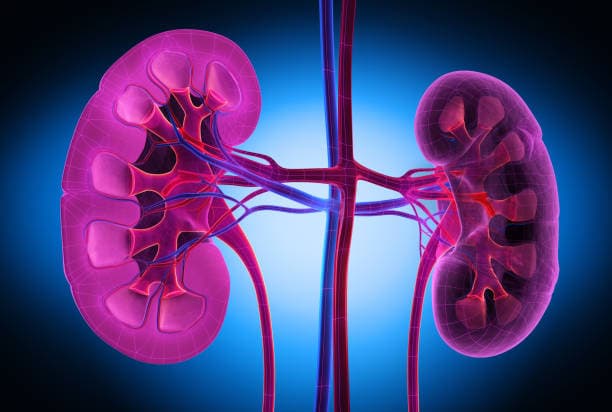
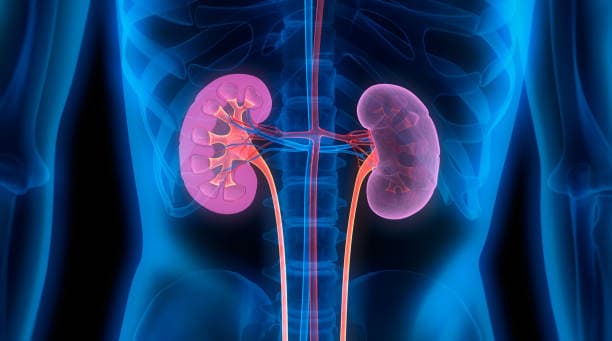
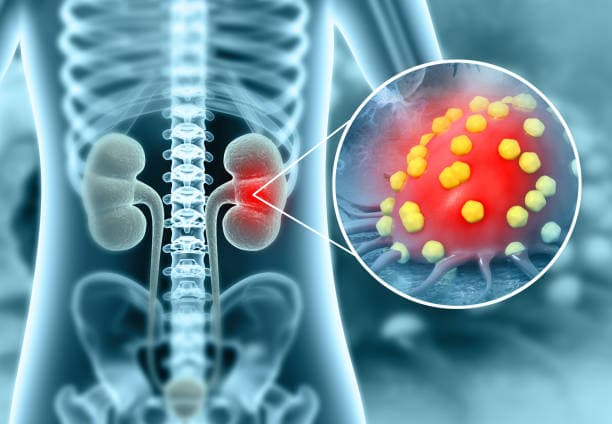
Chronic Kidney Disease (CKD) is one of the most common nephrological diseases, characterized by the gradual loss of kidney function over time. CKD can be caused by diabetes, hypertension, glomerulonephritis, and other conditions. It progresses through stages, with early detection and management being crucial to slow the disease and prevent complications like cardiovascular disease and end-stage renal disease (ESRD), which may require dialysis or kidney transplantation.
Acute Kidney Injury (AKI) is a sudden decline in kidney function, often resulting from severe infections, dehydration, exposure to toxic substances, or other acute medical conditions. AKI requires prompt medical attention to prevent permanent damage. It can sometimes be reversed with appropriate treatment and management of the underlying cause.
Glomerulonephritis involves inflammation of the glomeruli, the tiny filtering units within the kidneys. This condition can result from infections, autoimmune diseases, or other health issues, leading to significant kidney damage if not properly managed. Glomerulonephritis can manifest as acute or chronic, with symptoms such as blood in the urine, proteinuria (excessive protein in the urine), and swelling.
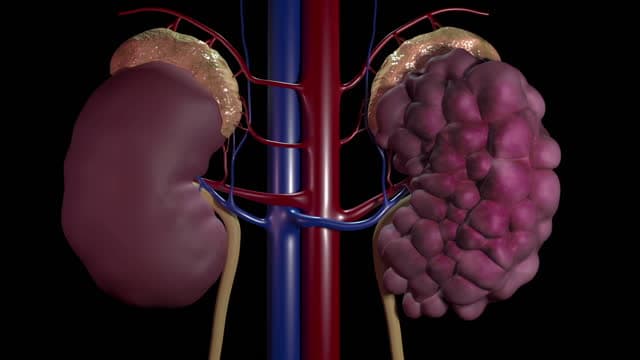
Polycystic Kidney Disease (PKD) is a genetic disorder characterized by the growth of numerous cysts in the kidneys, leading to enlargement and impaired function over time. PKD can cause high blood pressure, kidney stones, and kidney failure. Management includes monitoring kidney function, controlling blood pressure, and addressing complications as they arise.
Nephrotic Syndrome is marked by excessive protein loss in the urine due to damage to the glomeruli. It can result in symptoms such as swelling, high cholesterol levels, and increased risk of infections. Nephrotic syndrome can be caused by various underlying conditions, including glomerulonephritis, diabetes, and certain autoimmune diseases.
Kidney Stones are hard deposits of minerals and salts that form in the kidneys and can cause severe pain and urinary complications. They can result from dietary factors, dehydration, genetic predisposition, and other medical conditions. Treatment options include medications, lifestyle changes, and surgical interventions.
Diabetic Nephropathy is a specific type of kidney damage caused by diabetes. It is one of the leading causes of chronic kidney disease and end-stage renal disease. Effective management of blood sugar levels and blood pressure is essential to prevent or slow the progression of diabetic nephropathy.