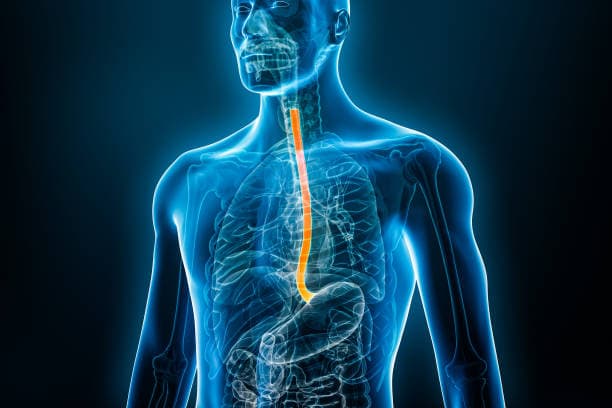
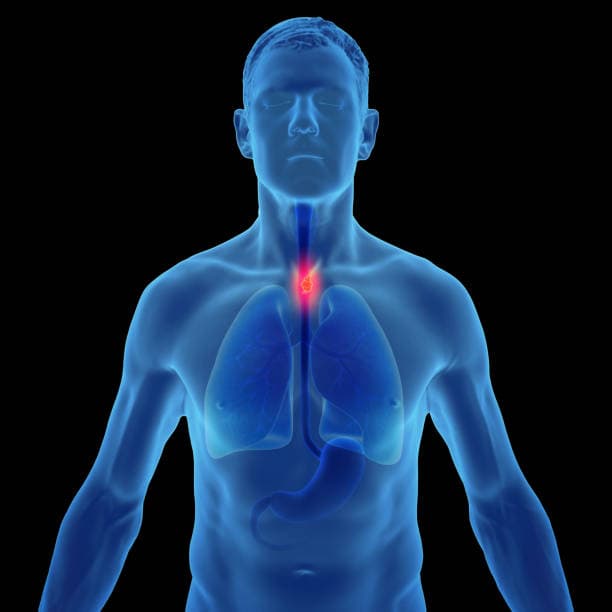
Preparing for an esophagectomy involves several steps to ensure the best possible outcome and smooth recovery. The preparation process includes a series of medical evaluations, lifestyle adjustments, and mental preparedness to get the patient ready for the surgery and the recovery period that follows.
Firstly, the patient will undergo a thorough medical evaluation to assess their overall health and determine their suitability for the procedure. This typically includes blood tests, imaging studies like CT scans or PET scans, endoscopic examinations, and sometimes a biopsy of the esophagus. These tests help to pinpoint the exact location and extent of the disease, as well as to identify any other potential health issues that could impact the surgery or recovery.
Nutritional status is a critical factor in the preparation for esophagectomy. Many patients with esophageal conditions may experience difficulty swallowing and subsequent weight loss and malnutrition. To address this, a dietitian will usually be involved in the care team to optimize the patient's nutritional intake. This might involve dietary supplements, enteral nutrition (tube feeding), or even intravenous nutrition in severe cases to ensure the patient is in the best possible nutritional state before surgery.
Lifestyle modifications are also crucial. Patients are often advised to stop smoking and reduce alcohol consumption if applicable, as these can negatively impact healing and increase the risk of complications. Exercise and physical conditioning are encouraged to improve overall strength and respiratory function, which are vital for recovery after surgery. Respiratory therapy might be recommended to strengthen the lungs and improve breathing capacity, which can help reduce postoperative complications such as pneumonia.
Mental and emotional preparation is equally important. Undergoing a major surgery like esophagectomy can be stressful and anxiety-inducing. Patients are encouraged to discuss their fears and concerns with their healthcare team, which might include surgeons, nurses, and psychologists. Preoperative counseling and support groups can provide valuable information and emotional support, helping patients to manage anxiety and maintain a positive outlook.
Patients will also need to prepare for the practical aspects of the surgery and recovery. This includes arranging for postoperative care, such as help at home during the initial recovery period, and planning for time off work or other responsibilities. Understanding the postoperative course, potential complications, and the gradual progression of diet from liquids to solids is essential for setting realistic expectations and ensuring a smoother recovery process.
The esophagectomy procedure begins with the administration of general anesthesia, ensuring the patient is unconscious and pain-free throughout the surgery. Depending on the specific surgical approach chosen—transhiatal, transthoracic, or minimally invasive—the surgeon makes a series of incisions in the patient's neck, chest, or abdomen. These incisions provide access to the esophagus and surrounding structures.
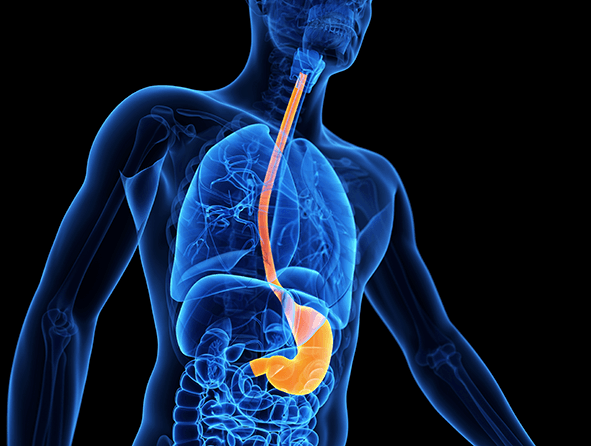
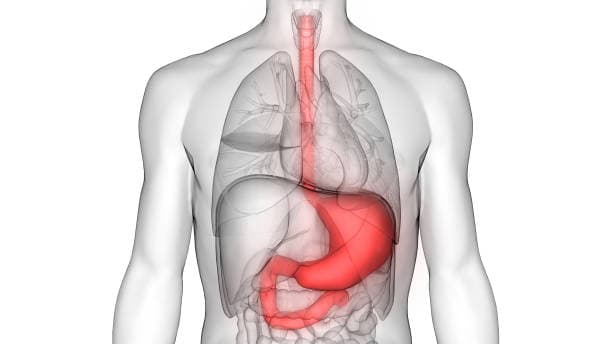
The first step involves carefully mobilizing the esophagus. The surgeon separates the esophagus from adjacent tissues and organs, including the trachea, aorta, and diaphragm. This delicate process requires precision to avoid damaging vital structures. If the procedure is being performed for cancer, nearby lymph nodes may also be removed to check for the spread of the disease.
Once the esophagus is mobilized, the surgeon proceeds to resect, or remove, the affected portion of the esophagus. The extent of the resection depends on the size and location of the disease. The surgeon ensures that the resection margins are clear of any diseased tissue, which is particularly critical in cancer surgeries to reduce the risk of recurrence.
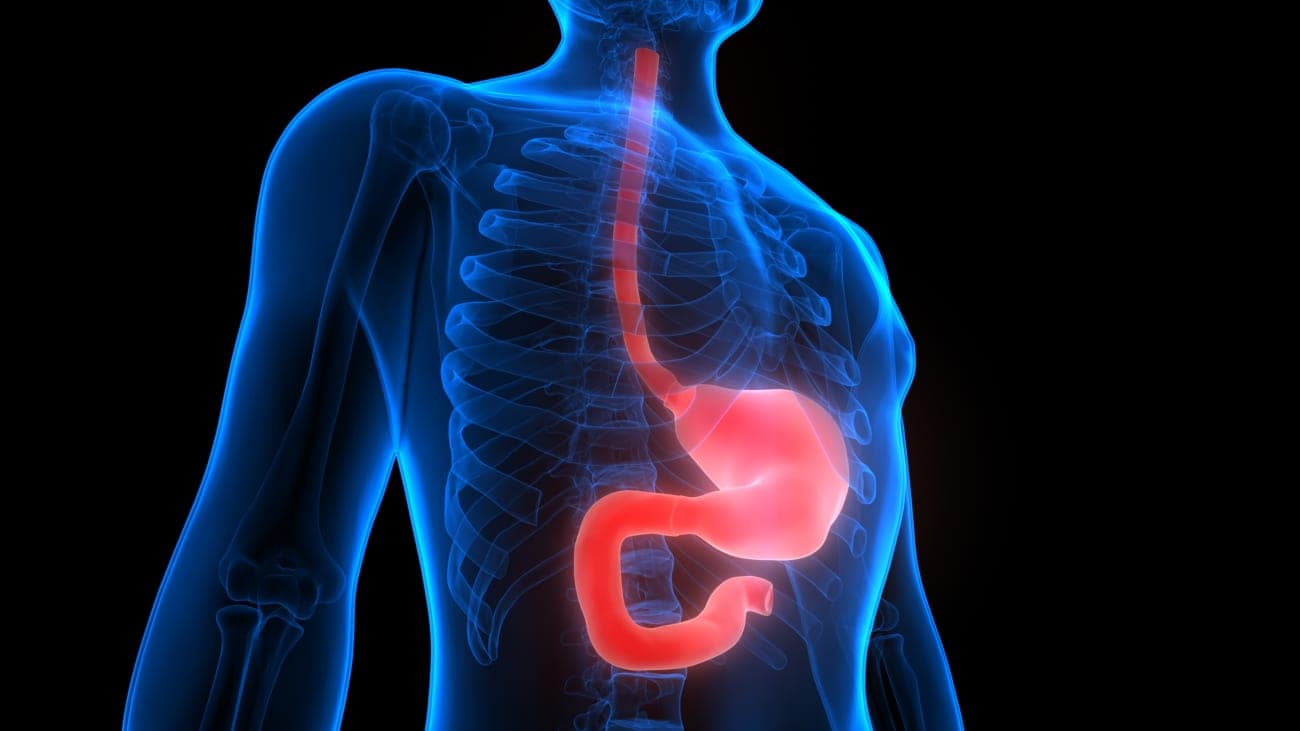
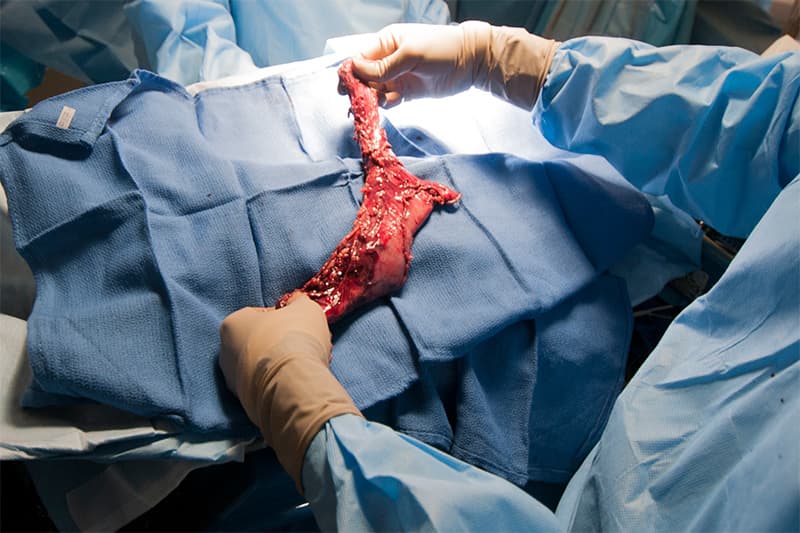
After the esophagus is resected, the surgeon reconstructs the digestive tract to restore continuity. This often involves pulling the stomach up into the chest or neck to create a new esophageal conduit, a technique known as gastric pull-up or gastric tube formation. In some cases, a segment of the intestine may be used instead. The surgeon then creates an anastomosis, which is a connection between the remaining esophagus and the new conduit. This connection is meticulously stitched to ensure a secure and leak-proof join.
Throughout the procedure, the surgical team closely monitors the patient's vital signs and takes measures to manage any potential complications. After completing the reconstruction, the surgeon may place drains around the surgical site to prevent fluid buildup and help detect any early signs of leakage or infection.
The final steps include closing the incisions and ensuring proper wound care. The patient is then transferred to a recovery area, often an intensive care unit (ICU), where they receive close monitoring and support. Postoperative care is crucial and involves pain management, respiratory therapy, and gradual reintroduction of nutrition, starting with liquids and slowly progressing to solid foods as the new esophageal conduit heals and adapts.
One of the most common side effects after esophagectomy is difficulty swallowing, also known as dysphagia. This occurs because the surgery alters the anatomy of the esophagus and its connection to the stomach. Patients may experience difficulty swallowing solid foods and may need to start with a liquid diet before gradually reintroducing solid foods. Over time, many patients adapt, but some may require additional interventions such as dilation procedures to alleviate strictures (narrowing) that can develop at the surgical site.
Another significant side effect is the risk of leakage at the surgical anastomosis, where the remaining esophagus is connected to the stomach or intestine. Leakage can lead to serious infections and requires immediate medical attention. Symptoms of a leak may include fever, chest pain, and difficulty breathing. Preventive measures and close postoperative monitoring are essential to detect and manage leaks early.
Patients may also experience respiratory complications, including pneumonia and reduced lung function. These complications are more common in the early postoperative period and can be exacerbated by pre-existing lung conditions, smoking, or reduced mobility. Respiratory therapy and exercises are often recommended to help improve lung function and reduce the risk of pneumonia.
Reflux and heartburn are other potential side effects after esophagectomy. Since the surgery often involves using the stomach to reconstruct the esophagus, patients may experience increased acid reflux, which can cause discomfort and damage to the esophagus. Medications to reduce stomach acid and dietary modifications are typically recommended to manage these symptoms.
Nutritional challenges are also common after esophagectomy. The changes in the digestive tract can affect how food is processed and absorbed, leading to weight loss and malnutrition. Patients may need to eat smaller, more frequent meals and take nutritional supplements to ensure they get enough calories and nutrients. Working with a dietitian can help manage these challenges and promote healthy eating habits.
Dumping syndrome is another possible side effect, where food moves too quickly from the stomach into the small intestine, causing symptoms like nausea, vomiting, diarrhea, and dizziness. This can often be managed with dietary changes, such as eating smaller meals more frequently and avoiding high-sugar foods.