Overview
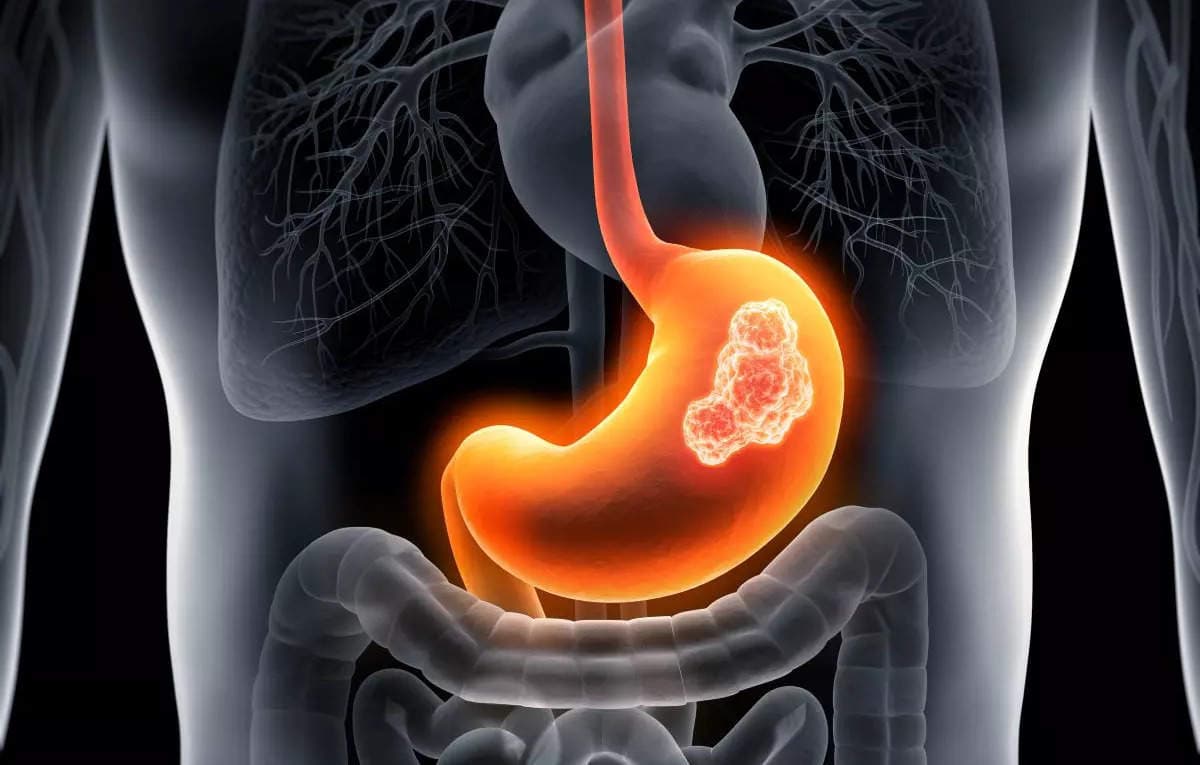
A gastrectomy is a surgical procedure to remove all or part of the stomach. It is performed to treat conditions such as stomach cancer, severe peptic ulcers, and non-cancerous growths. The surgery can be done using traditional open surgery or minimally invasive techniques like laparoscopic or robotic-assisted surgery.
About Gastrectomy
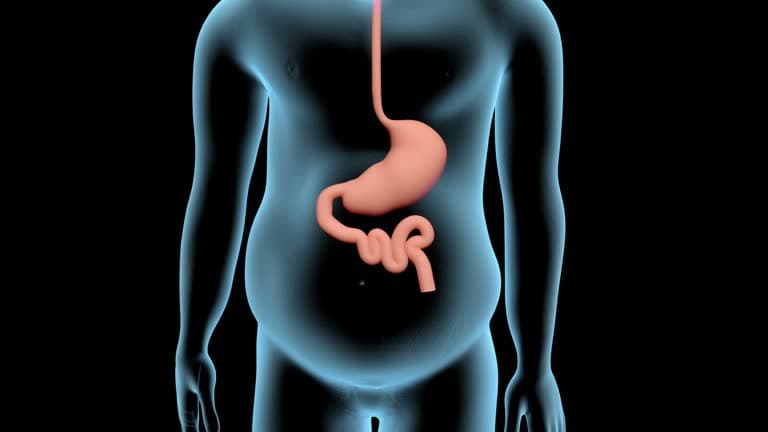
A gastrectomy is a surgical procedure involving the removal of all or part of the stomach. This operation is commonly performed to treat various conditions that affect the stomach, such as stomach cancer, severe peptic ulcers, and non-cancerous growths like polyps. In some cases, gastrectomy is also used as a treatment for obesity. The procedure can be performed using either traditional open surgery or minimally invasive techniques such as laparoscopic or robotic-assisted surgery.
What is Gastrectomy?
A gastrectomy is a surgical procedure that involves the removal of all or part of the stomach. This operation is commonly performed to treat various serious medical conditions affecting the stomach, such as stomach cancer, severe peptic ulcers, non-cancerous growths like polyps, and certain conditions related to obesity. The procedure can be performed using either traditional open surgery or minimally invasive techniques, such as laparoscopic or robotic-assisted surgery, which offer faster recovery times and smaller scars.
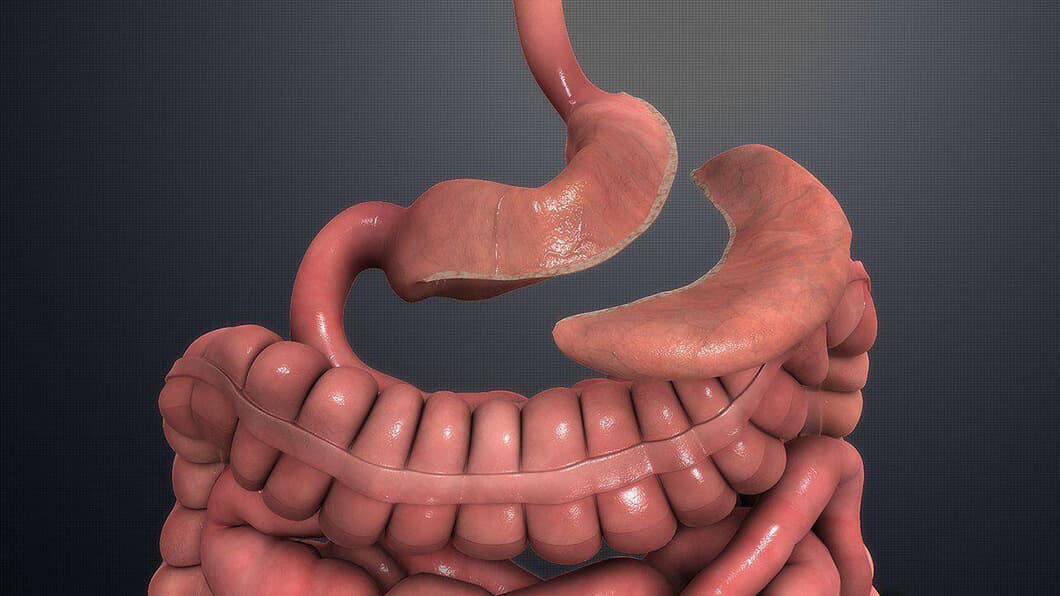
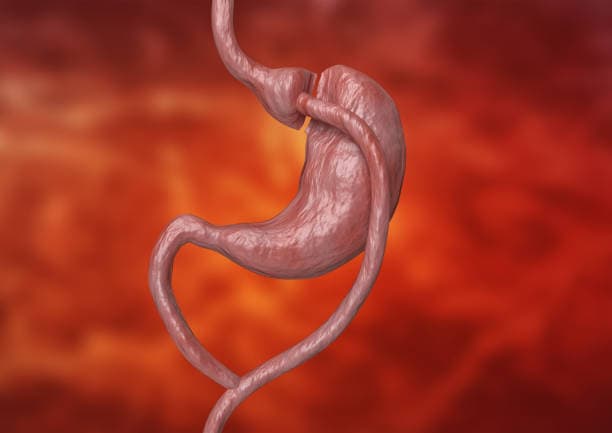
There are different types of gastrectomy procedures, depending on the extent of the stomach that needs to be removed. A total gastrectomy involves the complete removal of the stomach. In this procedure, the surgeon connects the esophagus directly to the small intestine, allowing food to pass through the digestive system. This type of surgery is often performed for advanced stomach cancer where the disease has spread extensively throughout the stomach.
A partial gastrectomy (or subtotal gastrectomy) involves removing a portion of the stomach, usually the lower part, while preserving the rest of the organ. This procedure is typically performed for conditions like peptic ulcers or localized tumors. After removing the affected part of the stomach, the remaining section is reconnected to the small intestine to ensure normal digestive function.
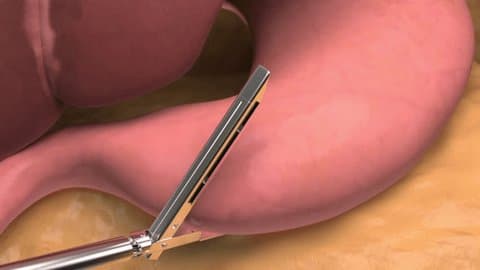
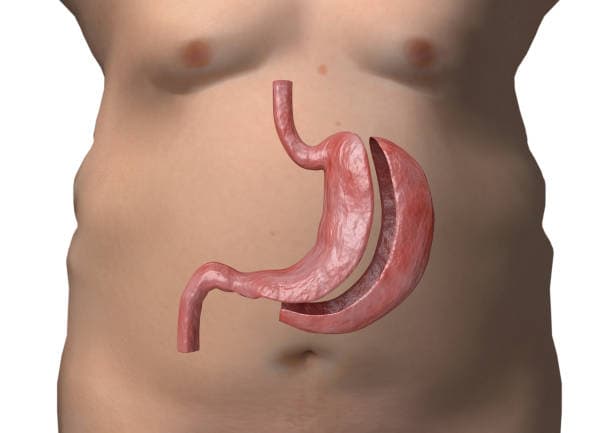
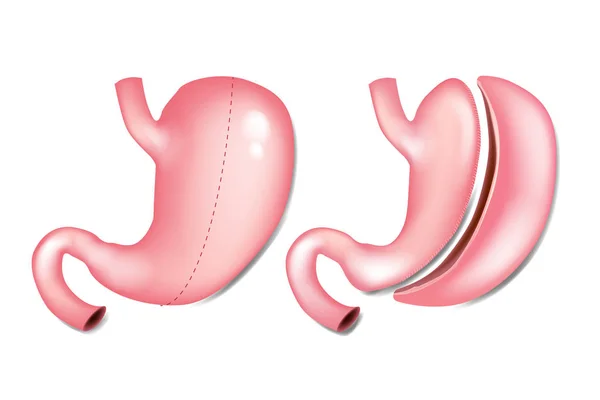
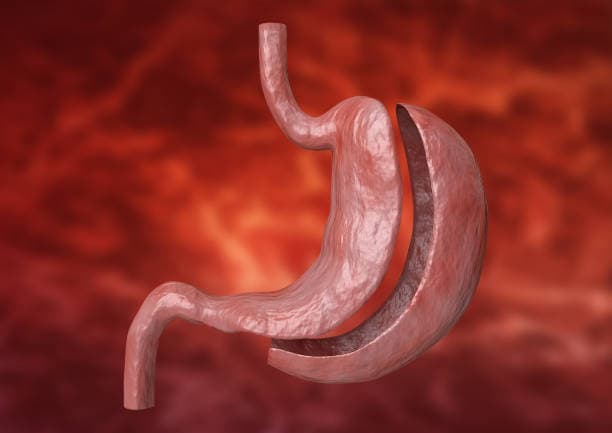
Another common type of gastrectomy is the sleeve gastrectomy, often used as a weight-loss surgery for individuals with obesity. In this procedure, a large portion of the stomach is removed, leaving behind a narrow, tube-shaped section resembling a sleeve. The reduced stomach size restricts food intake and promotes weight loss by making the patient feel full more quickly.
The decision to undergo a gastrectomy and the specific type of procedure depend on the patient's medical condition, overall health, and the surgeon's expertise. Preoperative preparation is essential and may include dietary modifications, fasting, and a thorough evaluation of the patient's medical history and current health status. Patients are also advised to discuss potential risks and benefits with their healthcare provider to make an informed decision.