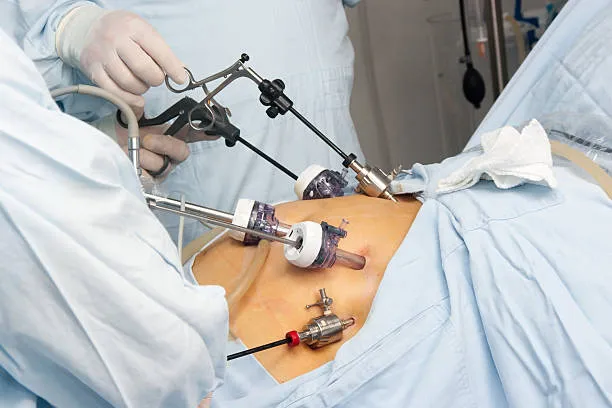
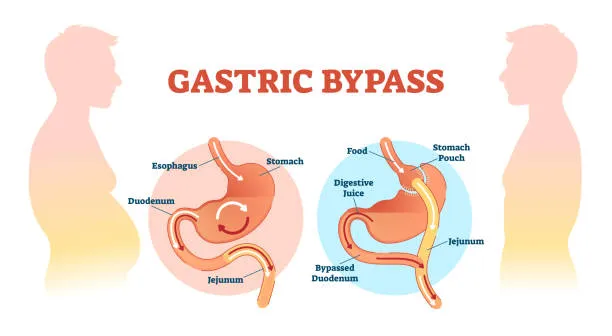
Gastric Bypass Procedure
Gastric Bypass Risks and Benefits
Gastric bypass surgery is a transformative weight-loss surgery that can offer significant health benefits for individuals struggling with severe obesity. However, like any major surgical intervention, it comes with its own set of risks and potential complications.
Gastric Bypass Benefits
The primary benefit of gastric bypass surgery is substantial and sustained weight loss. Patients often experience an improvement in obesity-related conditions such as type 2 diabetes, hypertension, high cholesterol, gastroesophageal reflux disease, obstructive sleep apnea, heart disease, and stroke. This weight loss can also lead to a decrease in the risk of certain types of cancer and can improve fertility issues related to weight. The psychological benefits are also noteworthy, as many patients report enhanced self-esteem and quality of life post-surgery.
The procedure works by restricting food intake and decreasing the absorption of nutrients, which together contribute to weight loss. It's a mixed procedure that combines both restrictive and malabsorptive approaches to achieve these results. The smaller stomach pouch created during surgery limits the amount of food one can eat, while the bypassed section of the small intestine means fewer calories and nutrients are absorbed.
Gastric Bypass Risks
The risks associated with gastric bypass surgery can be immediate or long-term. Short-term surgical risks are similar to those of any abdominal surgery and include excessive bleeding, infection, adverse reactions to anesthesia, and blood clots. Long-term risks may involve nutritional deficiencies due to the malabsorptive component of the surgery, which necessitates lifelong supplementation and dietary adjustments.
Patients may also experience dumping syndrome, where food moves too quickly from the stomach to the small intestine, causing nausea, weakness, sweating, faintness, and, occasionally, diarrhea after eating. Other potential complications include gallstones, hernias, low blood sugar, ulcers, and vomiting. It's also possible for patients to regain some of the weight over time if they do not adhere to the recommended lifestyle changes.
Gastric Bypass Aftercare
After undergoing gastric bypass surgery, a comprehensive aftercare plan is essential for recovery and long-term success. The aftercare process is multifaceted, involving dietary changes, physical activity, and medical follow-ups.
Dietary Changes: Post-surgery, patients must adhere to a staged diet that gradually transitions from liquids to solid foods. Initially, the focus is on hydration and avoiding dehydration. Patients start with clear liquids and then progress to full liquids, which may include protein shakes. This phase typically lasts for the first two weeks.
Physical Activity: Physical activity is encouraged as soon as it's medically safe. Starting with light walking and gradually increasing intensity as healing progresses is key. Regular exercise helps with weight loss maintenance and improves cardiovascular health.
Medical Follow-Ups: Regular follow-up appointments with the surgical team are vital to monitor recovery and address any complications. These appointments typically occur within the first few weeks post-surgery and then at regular intervals for at least the first year.
Lifestyle Adjustments: Long-term success requires permanent lifestyle changes. Patients must commit to a healthy diet, regular exercise, and often, vitamin and mineral supplements to prevent deficiencies.
Medication Adjustments: Significant weight loss can alter the need for medications related to obesity-related conditions. Patients must work closely with their healthcare providers to adjust dosages as needed.