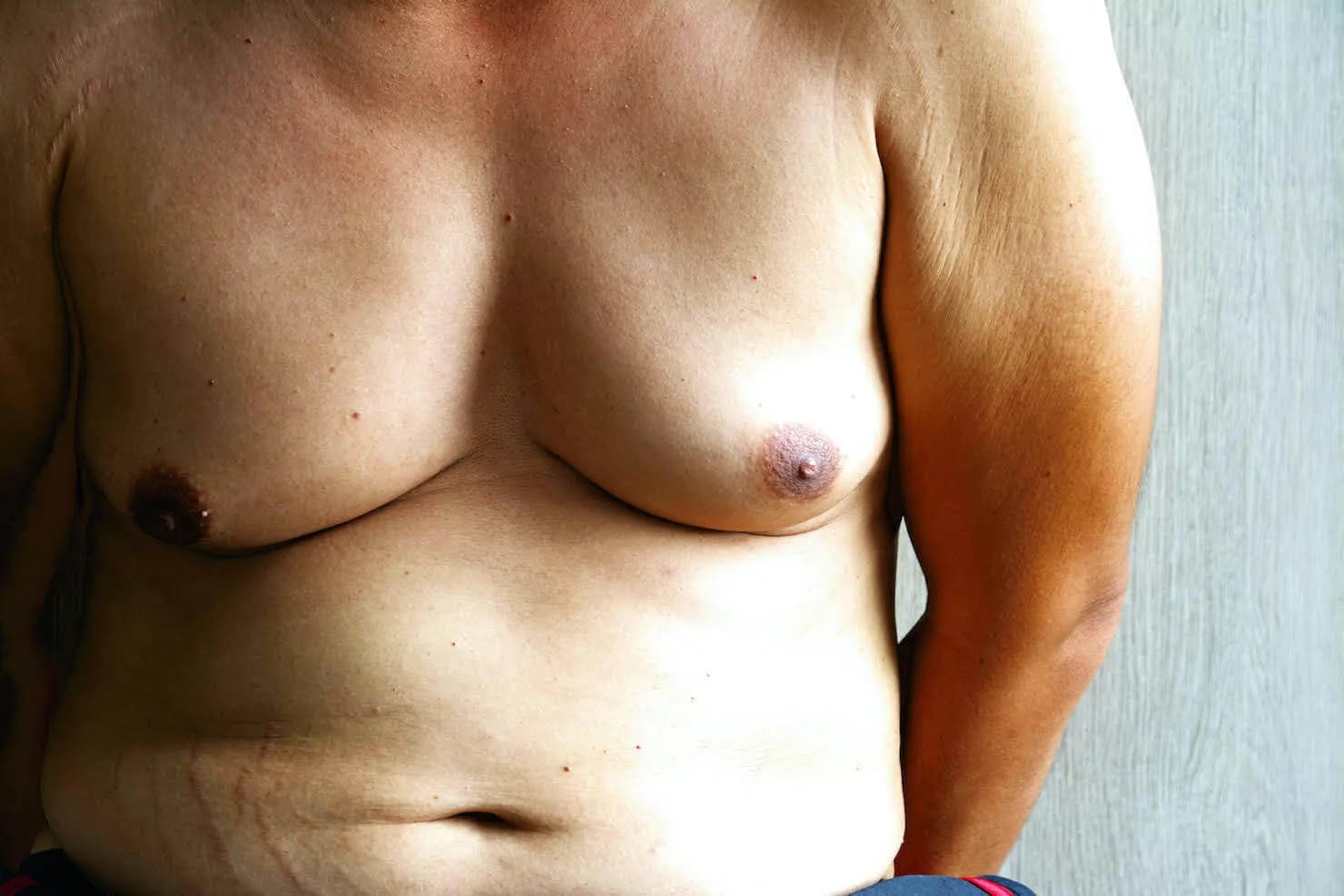
Gynecomastia Surgery
Who Can Benefit from Gynecomastia?
Gynecomastia surgery, also known as male breast reduction surgery, can be a life-changing procedure for many individuals. It is primarily beneficial for men who have developed excess glandular tissue or fat in their chest area, a condition known as gynecomastia. This can occur due to various reasons including hormonal imbalances, certain medications, aging, or significant weight gain or loss. These can benefit from gynecomastia:
Those with physical discomfort or pain due to gynecomastia can greatly benefit from this surgery. The excess weight of the breast tissue can cause strain on the chest and back, leading to discomfort. Post-surgery, patients often report relief from these physical symptoms.
Those struggling with self-esteem or body image issues stemming from the condition. Men with gynecomastia often feel self-conscious about their appearance, which can affect their confidence and social interactions. The surgery can help restore a more traditionally masculine chest contour, thereby boosting their self-esteem.
Those who lead an active lifestyle or participate in sports may find gynecomastia a hindrance. The excess chest tissue can create practical difficulties, such as finding suitable sportswear or experiencing discomfort during physical activities. Undergoing surgery can make physical activity more comfortable and enjoyable for these individuals.
It can also benefit men who have not responded to alternative treatments. While mild cases of gynecomastia can sometimes be managed with medication or lifestyle changes, surgery is often the most effective solution for more severe or persistent cases.
However, it's important to note that while many can benefit from gynecomastia surgery, it's not suitable for everyone. Potential candidates should be in good overall health, have realistic expectations about the results, and understand the risks and recovery process. It's always recommended to consult with a qualified healthcare professional to discuss individual circumstances and determine the best course of action.
Good Candidate for Gynecomastia
Gynecomastia surgery, also known as male breast reduction, is a procedure that can significantly improve the quality of life for men who are affected by the condition. However, it's important to understand that not everyone is a suitable candidate for this surgery. Here are some factors that can help determine if an individual is a good candidate for gynecomastia surgery:
Physical Health: Good candidates for gynecomastia surgery should be in good overall health. This includes being within a healthy weight range, as obesity can exacerbate gynecomastia. Individuals should also be free from any serious medical conditions that could complicate surgery or recovery.
Stable Gynecomastia: Gynecomastia can sometimes resolve on its own, especially if it's caused by hormonal changes during adolescence. Therefore, good candidates are those whose condition has been stable for at least one year.
Realistic Expectations: Candidates need to have realistic expectations about the results of gynecomastia surgery. While the procedure can significantly improve the appearance of the chest, it may not result in a "perfect" chest. A good candidate understands this and is seeking improvement, not perfection.
Emotional Well-being: Gynecomastia can have a significant impact on a man's self-esteem and emotional well-being. Those who experience distress or embarrassment due to their condition, and who believe that surgery can improve their quality of life, may be good candidates.
Non-smokers: Smoking can complicate both the surgery and the recovery process. Therefore, good candidates for gynecomastia surgery are typically non-smokers or are willing to quit before the surgery and during the recovery period.
Unresponsive to Other Treatments: Surgery is usually considered a last resort after other treatments have failed. If an individual's gynecomastia has not responded to weight loss, exercise, or medication, they may be a candidate for surgery.
The best candidates for gynecomastia surgery are healthy, emotionally stable men whose gynecomastia has stabilized, who have realistic expectations about the outcome, and whose condition has not responded to other treatments.
Gynecomastia Risks & Side Effects
Gynecomastia surgery, like any surgical procedure, carries potential risks and side effects that should be considered carefully.
Surgical Risks: These include reactions to anesthesia, blood clots, infection, and excessive bleeding. There's also the risk of poor wound healing, which can lead to noticeable scars.
Physical Side Effects: Post-surgery, patients may experience pain, swelling, and bruising in the chest area. These are typically temporary and can be managed with medication. There may also be changes in skin sensation, including numbness or tingling, which usually resolve over time.
Aesthetic Risks: There's a risk that the surgery may not produce the desired aesthetic result. This could include asymmetry in the chest, irregular contours, or a caved-in appearance. In some cases, a second surgery may be required to correct these issues.
Emotional Side Effects: The change in physical appearance can lead to emotional distress, including feelings of dissatisfaction or disappointment with the surgical outcome. It's important for patients to have realistic expectations and to discuss any concerns with their surgeon before surgery.
Long-Term Risks: In rare cases, gynecomastia surgery can lead to long-term complications such as loss of chest muscle function or deformity of the chest wall.
It's important to note that while these risks and side effects can sound alarming, they are relatively rare and the majority of patients undergoing gynecomastia surgery report high levels of satisfaction with their results. The key to minimizing these risks is choosing a qualified and experienced surgeon, following all pre-and post-operative care instructions, and maintaining open communication with your healthcare provider throughout the process.
Gynecomastia Recovery
Recovery from gynecomastia surgery is a process that requires time and patience. Here's what patients can typically expect during this period:
Immediate Post-Operative Period: After the surgery, patients are usually able to go home the same day. The chest area will be bandaged, and patients may be required to wear a compression garment to minimize swelling and support the new chest contour. Pain, swelling, and bruising are common, but can be managed with prescribed medication.
First Few Weeks: During the first few weeks after surgery, patients are advised to rest and avoid strenuous activities. Light walking is encouraged to promote blood circulation and prevent blood clots. Patients should also avoid sleeping on their stomachs to prevent putting pressure on the chest area.
Follow-Up Appointments: Regular follow-up appointments will be scheduled to monitor healing. During these visits, the surgeon will assess the patient's progress, remove sutures if necessary, and address any concerns or complications.
Resuming Activities: Most patients can return to work within a week or two, depending on the nature of their job. However, strenuous activities, heavy lifting, and exercise should be avoided for about three to six weeks, or until the surgeon gives the go-ahead.
Long-Term Recovery: Swelling and changes in nipple sensation can persist for a few months. The final results of gynecomastia surgery are typically seen three to six months post-operatively, once the swelling has completely subsided.
It's important to note that every patient's recovery process is unique and depends on various factors including the extent of the surgery, the individual's overall health, and their body's healing response. Following the surgeon's post-operative care instructions is crucial for a smooth recovery and optimal results.