Ovarian Stimulation: Hormonal medications stimulate multiple ovarian follicles to mature simultaneously. These yield more eggs for fertilization and enhance pregnancy chances. Ovarian stimulation also prevents spontaneous ovulation, which is crucial for IVF success.
Follicular Puncture: Once follicles are mature, a minor surgical procedure collects the eggs. A skilled clinician uses ultrasound guidance to aspirate the follicles.
Oocyte Denudation: The protective layer around the egg (cumulus cells) is removed. This exposes the egg's surface for fertilization.
Sperm Collection & Preparation: Sperm are collected from the male partner or a donor. The best sperm are selected based on morphology and motility. These sperm are prepared for injection.
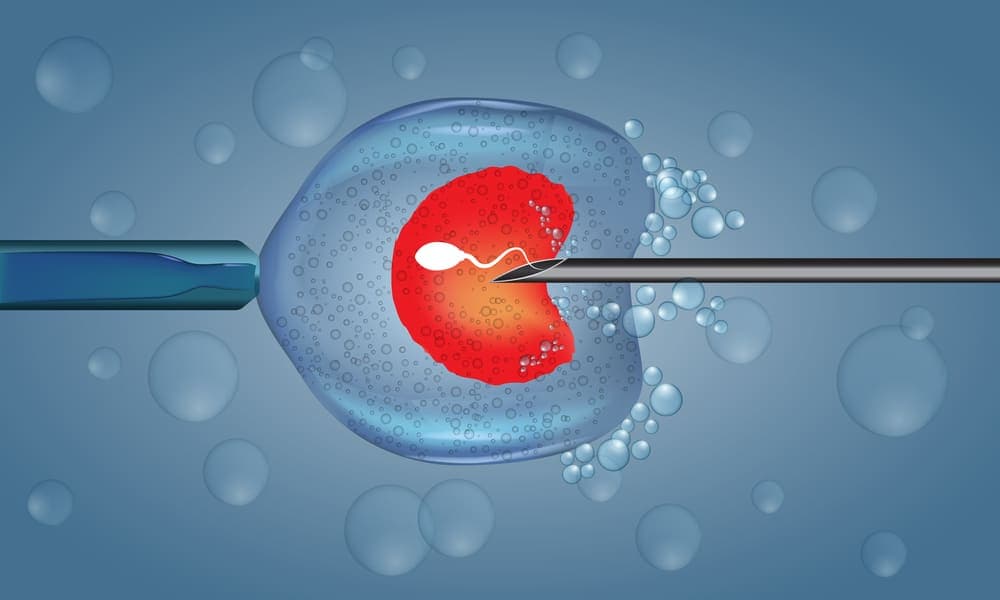
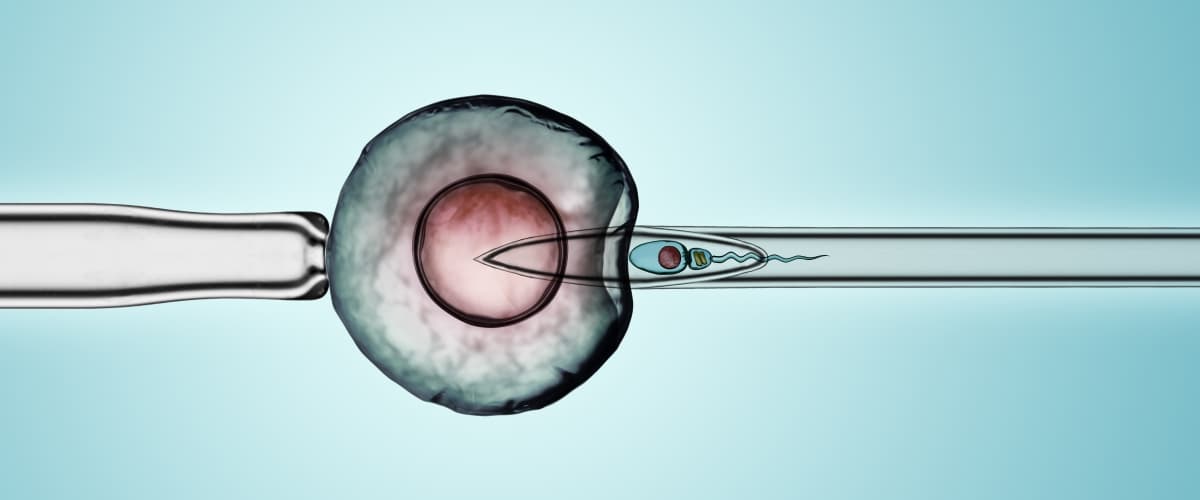
Oocyte Fertilization (ICSI): Using a micropipette, a single sperm is injected directly into the egg's cytoplasm. This precise technique ensures fertilization even with minimal sperm count or motility.
Embryo Culture: Fertilized eggs (now embryos) are cultured in the lab for 1 to 5 days. Embryos develop and multiply.
Embryo Transfer: A healthy embryo is selected for transfer to the woman's uterus. The goal is successful implantation and pregnancy.
Embryo Vitrification: Any remaining viable embryos can be frozen (vitrified) for future use.
Enhanced Fertilization Rate: Compared to traditional IVF, ICSI significantly improves the chances of fertilization. By directly injecting a single sperm into an egg, ICSI bypasses barriers and increases the number of viable embryos available for transfer or freezing.
Male Factor Infertility: ICSI is a lifeline for men with low sperm count, poor sperm quality, or ejaculation issues. It allows them to use their own sperm to father a child, eliminating the need for a sperm donor.
Precision and Success: ICSI's microsurgical precision ensures that even minimal sperm counts can lead to successful fertilization. It's a game-changer for couples striving to conceive.
Egg Damage: During the ICSI procedure, there's a small risk of damaging some or all of the eggs due to needle penetration.
Failed Fertilization: Despite precise sperm injection, there's a possibility that an egg may not fertilize successfully.
Embryo Development Issues: An embryo might stop developing either in the lab or after transfer.