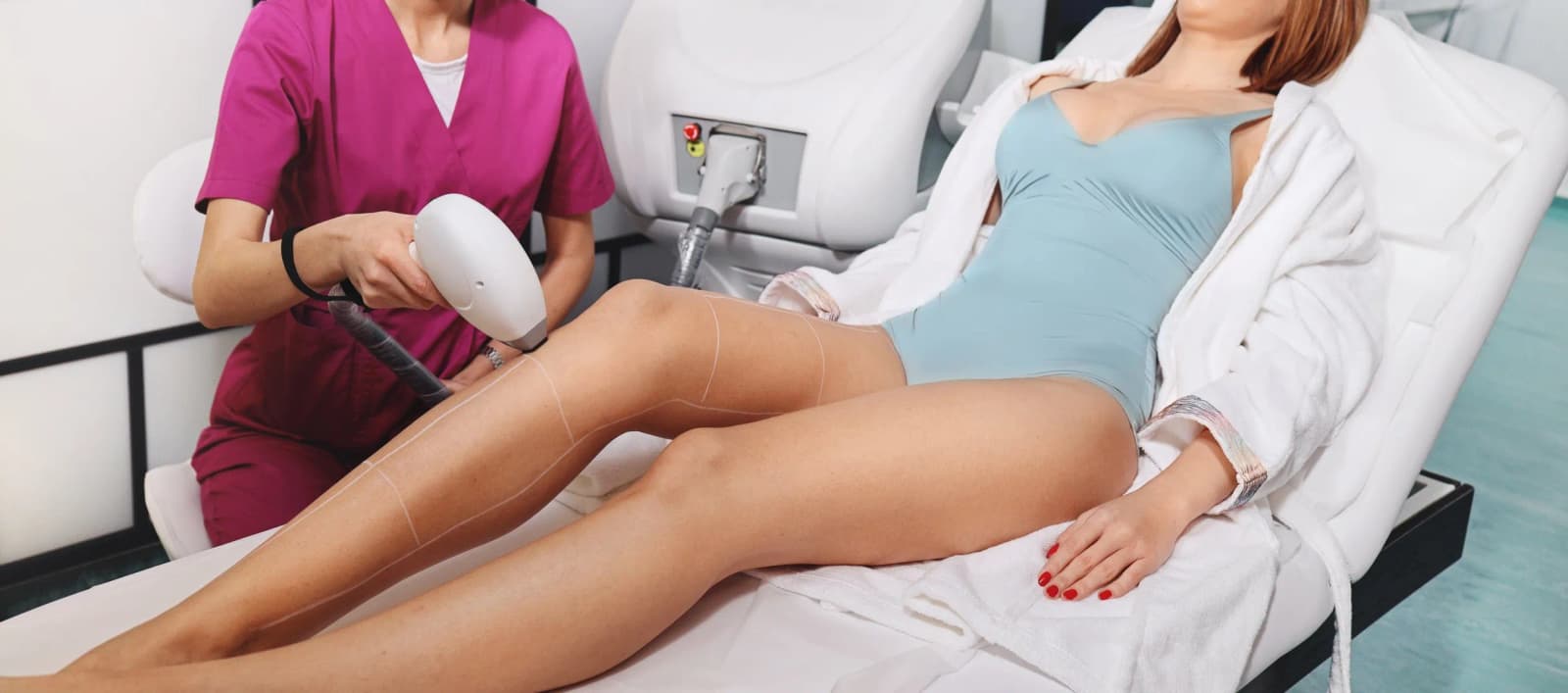
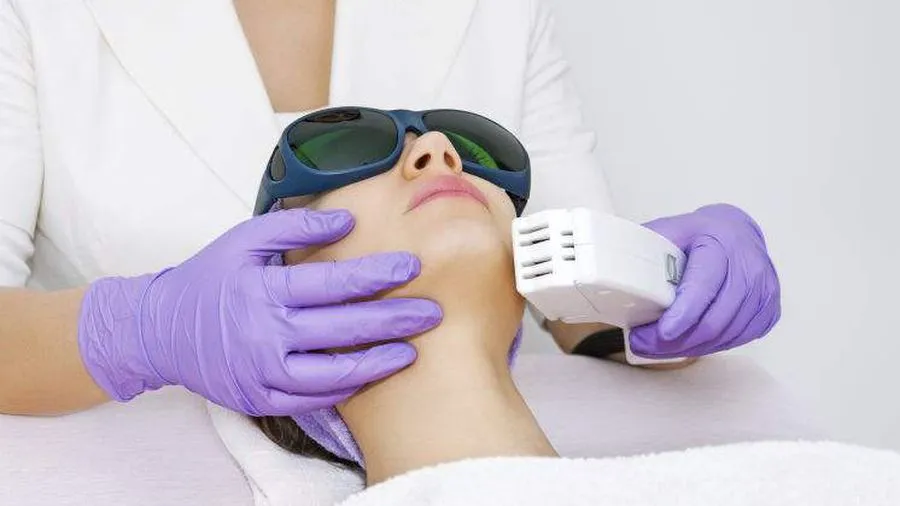
Laser Hair Removal in Iran
Equipped hospitals, advanced specialized centers with experienced doctors and specialists are available in all medical treatment areas in Iran. Also, good hotels and entertainment centers have made Iran an appropriate choice for patients who need Laser Hair Removal.
Laser hair removal cost in Iran
Laser hair removal is a popular cosmetic procedure in Iran, known for its high-quality medical services and affordable prices. This non-invasive method uses laser light to selectively interact with the hair structure, offering a permanent solution to unwanted hair. The most common parts of the body treated by laser hair removal include the back, chest, shoulders, neck, and face, particularly the upper lip and chin.
The cost of laser hair removal in Iran varies depending on the area being treated and the number of sessions required. On average, the cost ranges from 100-150 USD. This price includes all related fees such as the doctor’s visit and the procedure itself. It’s important to note that the exact cost can vary based on individual needs and the specific clinic chosen.
Iran has become a preferred destination for many people seeking laser hair removal due to its combination of skilled doctors, advanced technology, and competitive prices. In addition to the quality of service, patients choose Iran for their cosmetic procedures because of the opportunity to explore one of the best tourism destinations at a very affordable price. Many patients have shared positive experiences about their medical trips to Iran, highlighting the high standard of care and the excellent results they achieved.
Before undergoing laser hair removal in Iran, it’s recommended to have a consultation to discuss your specific needs and expectations. This will also give you a chance to ask any questions you may have about the procedure and to understand the potential results you can achieve.