Radial nerve repair is a surgical procedure performed to treat damage to the radial nerve, which is located in the upper arm. The specific type of surgery depends on the nature and severity of the injury. Several types of surgical procedures may be performed for radial nerve repair:
Nerve Repair: If the radial nerve is torn or lacerated, a peripheral nerve surgeon may rejoin the cut ends of the nerve to one another.
Nerve Graft: If injured nerve tissue must be removed, there may be a gap of such size that the nerve ends cannot be directly reconnected. In that case, a nerve graft can be performed to bridge the gap.
Nerve Decompression: A compressed nerve may need to be surgically released from compression. This may be accomplished with a typical nerve decompression surgery.
Tumor Excision Surgery: For nerves compressed by a mass, a tumor excision surgery may be performed.
The radial nerve runs from the armpit down the back of the arm to the hand. It is part of a network of nerves called the brachial plexus and provides sensation and helps move the triceps, wrist, hand, and fingers.
Before undergoing radial nerve repair, there are several important steps and considerations to ensure the best possible outcome.
Firstly, a thorough diagnosis is crucial to understand the extent of the nerve damage. This typically involves a physical examination and may include tests such as electromyography (EMG) and imaging studies.
Patients are also advised to inform their healthcare provider about all the medicines they are currently taking, including over-the-counter medicines, vitamins, herbs, and supplements. Certain medications, such as ibuprofen, aspirin, or naproxen, may need to be stopped as they can make it harder for the blood to clot.
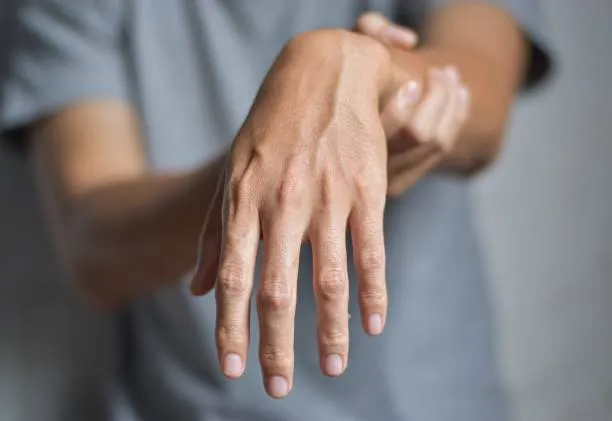
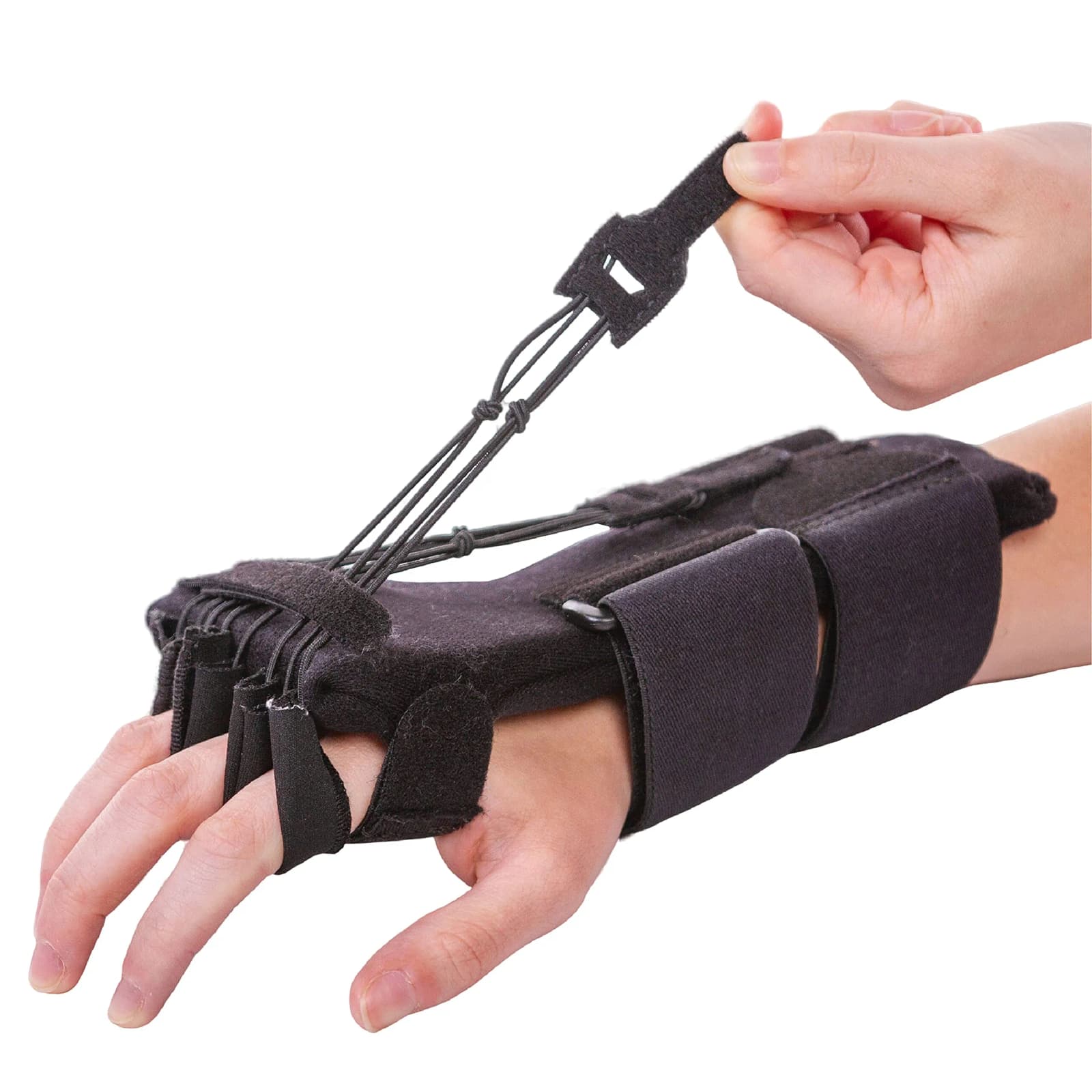
In the case of radial nerve palsy, hand therapy, splinting, and various modalities can improve the functional capacity of a patient. Hand therapy can improve the active and passive range of motion in the upper extremity before tendon transfers.
It’s also important to have a clear understanding of the surgical procedure, including the potential risks and benefits, recovery time, and post-operative care. Patients should discuss any concerns or questions they may have with their healthcare provider.
Preparing for radial nerve repair involves a thorough diagnosis, medication review, preoperative hand therapy, and a clear understanding of the surgical procedure. As with any surgical procedure, it’s important to consult with healthcare professionals to ensure the best possible outcome.
Radial nerve repair is a surgical procedure aimed at restoring the function of the radial nerve, which controls movement and sensation in the arm and hand. The after-care of this procedure is crucial for optimal recovery and involves several key steps.
Immediately after surgery, the patient’s arm is usually immobilized in a splint or cast to protect the repair site. Pain management is a priority, and medications are prescribed as needed. Patients need to follow their doctor’s instructions regarding medication use to manage pain effectively and avoid complications.
Physical therapy plays a vital role in the after-care of radial nerve repair. A physical therapist will provide exercises to improve strength and flexibility in the arm and hand. These exercises are designed to prevent stiffness and improve function. Patients need to adhere to their physical therapy regimen to achieve the best possible outcome.
Regular follow-up appointments with the surgeon are necessary to monitor healing progress. During these visits, the surgeon will assess the repair site, check for any signs of infection, and make adjustments to the treatment plan as needed. Patients should report any unusual symptoms, such as increased pain, swelling, or changes in sensation, to their doctor immediately.
Home care is another crucial aspect of after-care. Patients should keep the surgical area clean and dry to prevent infection. They should also avoid strenuous activities that could strain the repaired nerve. Adequate rest and nutrition are vital for healing. Patients should maintain a balanced diet rich in proteins and vitamins to support tissue repair and recovery.
Psychological support may also be beneficial, as dealing with a nerve injury and recovery can be emotionally challenging. Support from family, friends, or a mental health professional can help patients cope with these challenges and stay positive throughout their recovery journey.