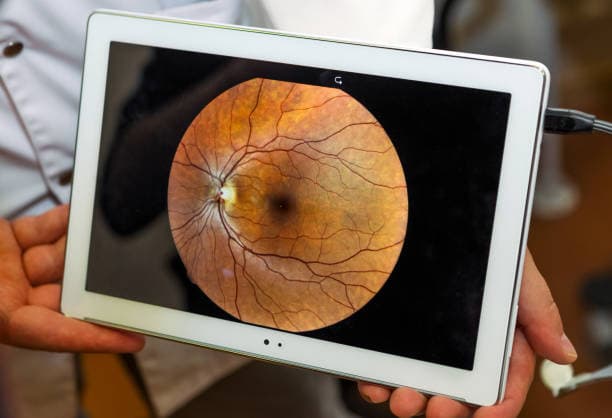
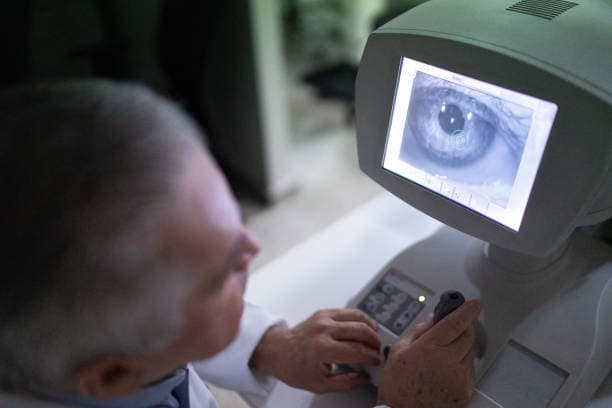
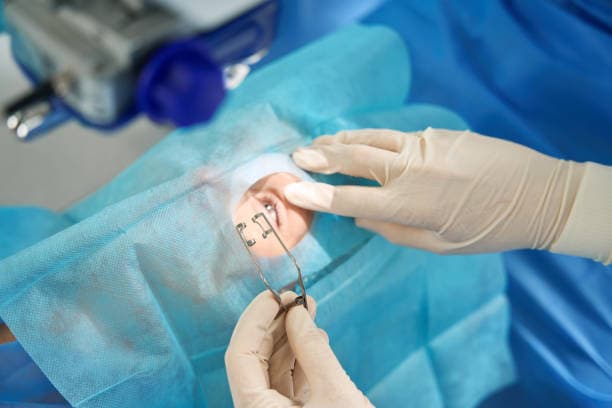
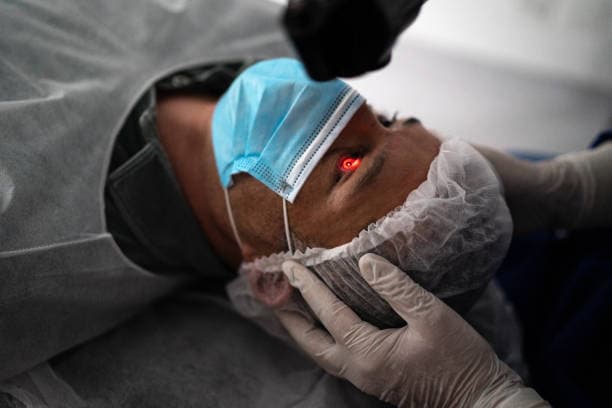
Preparation for retinal surgery begins with a comprehensive eye examination conducted by an ophthalmologist. This includes detailed imaging tests like optical coherence tomography (OCT) and ultrasound to assess the extent and specific nature of the retinal condition. Patients are advised to disclose their medical history, including any medications they are taking, to avoid complications. Prior to the surgery, the patient may be instructed to avoid eating or drinking for a specified period, typically starting from midnight before the surgery. In some cases, preoperative medications or eye drops may be prescribed to prepare the eye for surgery. Anesthesia, either local or general, is administered to ensure the patient’s comfort during the procedure.
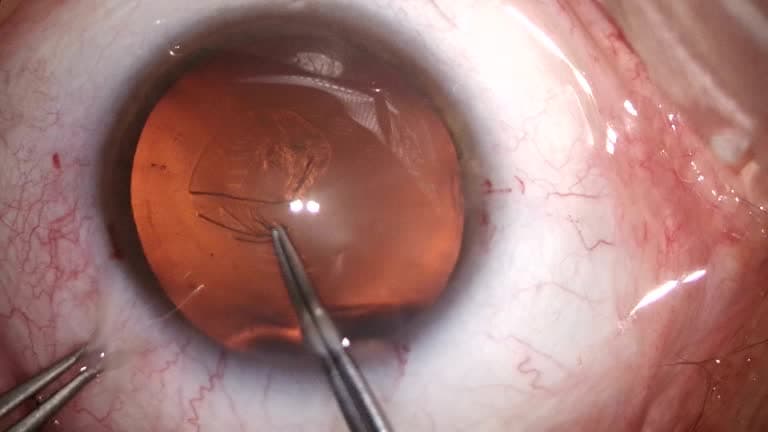
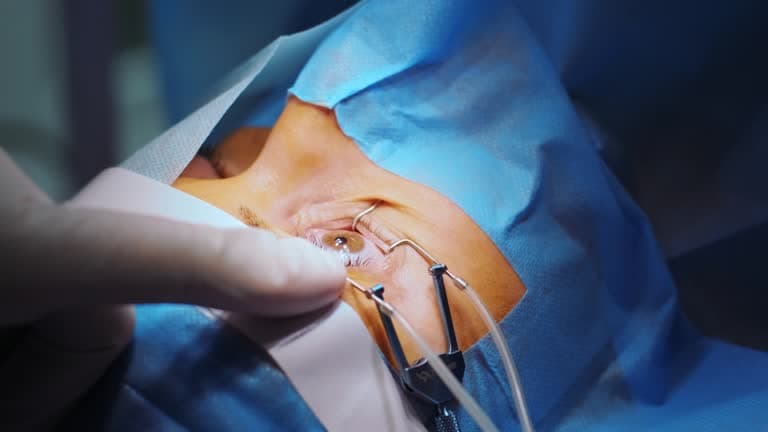
The specific steps during retinal surgery depend on the type of procedure being performed—pneumatic retinopexy, scleral buckling, or vitrectomy. In pneumatic retinopexy, a gas bubble is injected into the vitreous cavity to push the retina back into place, followed by laser or cryotherapy to seal any retinal tears. For scleral buckling, a silicone band is placed around the eye’s outer layer to indent the eye wall and support the reattachment of the retina. Vitrectomy involves removing the vitreous gel from the eye and replacing it with a saline solution, gas, or silicone oil to hold the retina in place while it heals. The surgery is typically performed under a microscope, allowing for precise manipulation of the delicate retinal tissue. The duration of the surgery can vary, but it generally takes one to three hours.
Postoperative care is crucial for the success of retinal surgery. Patients are often required to maintain a specific head position to ensure the proper placement of any gas bubble used during the procedure. Eye drops or medications may be prescribed to prevent infection, reduce inflammation, and manage pain. Follow-up visits to the ophthalmologist are scheduled to monitor the healing process and detect any complications early. During the recovery period, patients are advised to avoid strenuous activities, heavy lifting, and sudden movements that could disrupt the healing process. The recovery timeline can vary; while some patients may notice improvement in their vision within a few weeks, complete recovery may take several months. Vision may continue to improve gradually as the eye heals and adjusts.
One of the most common complications following retinal surgery is the development of cataracts. This is particularly prevalent after vitrectomy, where the removal and replacement of the vitreous gel can lead to clouding of the lens. In many cases, patients may require cataract surgery sometime after their retinal procedure to restore clear vision.
Infection, though rare, is a serious risk with any eye surgery. Endophthalmitis, an infection inside the eye, can occur and requires immediate medical attention. Symptoms include severe eye pain, redness, swelling, and reduced vision. Prompt treatment with antibiotics or antifungal medications is essential to prevent permanent vision loss.
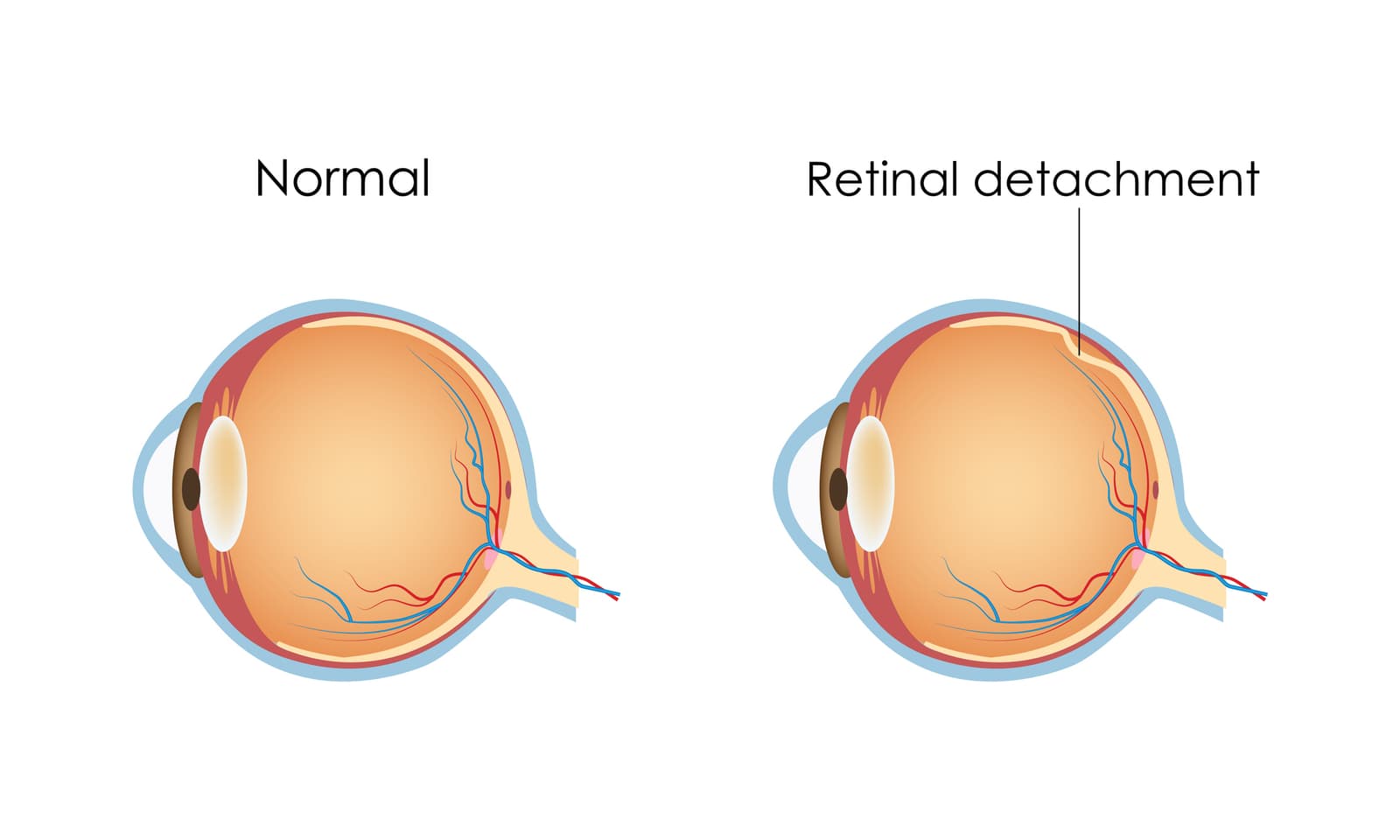
Retinal detachment recurrence is another possible complication. Despite successful initial surgery, there is a risk that the retina may detach again. This can happen due to new tears forming or inadequate sealing of previous tears. Repeat surgery may be necessary to address these issues.
Postoperative bleeding, or vitreous hemorrhage, can also occur, particularly in patients with diabetic retinopathy. Blood vessels may leak into the vitreous cavity, causing clouded vision. While minor bleeding often resolves on its own, significant hemorrhage may require additional surgical intervention.
Some patients experience elevated intraocular pressure (IOP) after retinal surgery. This can be a transient issue or develop into chronic glaucoma if not managed appropriately. Regular monitoring of IOP and the use of medications can help control this condition.
Macular pucker, or epiretinal membrane formation, is another potential complication. This occurs when scar tissue forms on the retina’s surface, leading to vision distortion and blurriness. Surgical removal of the membrane may be necessary if it significantly affects vision.
In rare cases, complications such as retinal toxicity from intraocular medications, phototoxicity from prolonged light exposure during surgery, and choroidal detachment (accumulation of fluid under the retina) can occur. These complications require prompt diagnosis and management to mitigate their impact on vision.
Immediately following surgery, patients are usually monitored for a short period to ensure there are no immediate complications, and then they are allowed to go home. An eye patch or shield may be placed over the operated eye to protect it and keep it closed, reducing the risk of infection and injury. Patients are often prescribed antibiotic and anti-inflammatory eye drops to prevent infection and control inflammation. It's crucial to use these medications exactly as directed by the ophthalmologist to facilitate healing.
One of the key aspects of recovery, especially if a gas bubble was used during the procedure, is maintaining specific head positioning. The patient may need to keep their head in a particular position, sometimes for several days or even weeks, to ensure that the gas bubble remains in the correct place and supports the reattachment of the retina. This can be challenging, but it's essential for the success of the surgery.
Patients are advised to avoid strenuous activities, heavy lifting, and rapid movements that could disrupt the healing process. Activities such as bending over, lifting heavy objects, or engaging in vigorous exercise can increase intraocular pressure and jeopardize the surgical repair. Additionally, flying in an airplane or traveling to high altitudes should be avoided if a gas bubble was used, as changes in air pressure can cause the bubble to expand and increase eye pressure.
Regular follow-up visits with the ophthalmologist are crucial to monitor the progress of healing and detect any signs of complications early. During these visits, the doctor will examine the eye, check for signs of infection or detachment, and adjust medications if necessary.
Vision improvement after retinal surgery can be gradual. Some patients may notice immediate improvements, while for others, it may take several weeks or months for vision to stabilize and improve. In some cases, additional treatments or surgeries may be required to address complications or enhance visual outcomes.
Patients should also be mindful of symptoms that could indicate complications, such as increased pain, redness, swelling, or sudden changes in vision. Promptly reporting these symptoms to their healthcare provider is vital for timely intervention.