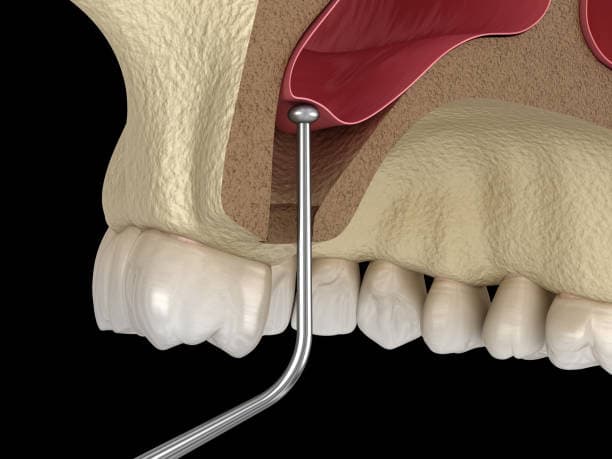
About Sinus Surgery
Sinus surgery, also known as sinusitis surgery or functional endoscopic sinus surgery (FESS), is a medical procedure designed to treat chronic or recurring issues in the sinuses. These may include sinus infections, blockages, or structural problems that affect breathing, drainage, and overall quality of life. The goal of sinus surgery is to improve airflow, reduce inflammation, and restore proper function to the nasal passages and sinus cavities.
What is sinus surgery?
Sinus surgery is a medical procedure designed to address persistent sinus issues that hinder the proper functioning of the nasal passages and sinus cavities. When conditions like chronic sinusitis, nasal polyps, or structural abnormalities, such as a deviated septum, lead to recurring infections, breathing difficulties, or facial pain, sinus surgery may be recommended. The primary goal of this surgery is to improve sinus drainage, reduce inflammation, and restore normal airflow, ultimately enhancing the patient's quality of life. Sinus surgery is typically considered after non-surgical treatments, such as medications, nasal sprays, and irrigation, have failed to provide sufficient relief.
Modern sinus surgery is often performed using minimally invasive techniques, with functional endoscopic sinus surgery (FESS) being the most common approach. This method employs an endoscope—a slender, tube-like instrument equipped with a camera and light—allowing surgeons to visualize the nasal and sinus passages with precision. Unlike traditional open surgeries, FESS enables surgeons to remove obstructions, polyps, or damaged tissue through the nostrils, eliminating the need for external incisions. The advanced technology used in endoscopic surgery results in reduced tissue trauma, shorter recovery times, and a lower risk of complications.
In some cases, additional procedures may be performed alongside sinus surgery, such as septoplasty (to correct a deviated septum) or balloon sinuplasty (to widen narrow sinus openings). These complementary techniques can further enhance the effectiveness of the treatment. The procedure is typically carried out under general or local anesthesia, depending on the complexity of the surgery and the patient's medical condition.
Recovery from sinus surgery varies depending on the individual and the specific procedure performed, but most patients can expect a significant improvement in symptoms within weeks. Post-surgical care, including follow-up visits, nasal irrigation, and avoiding strenuous activities, is essential for optimal healing. While sinus surgery is generally safe, like any medical procedure, it carries potential risks such as bleeding, infection, or scarring. Therefore, it is crucial for patients to discuss their symptoms, treatment options, and expectations thoroughly with their healthcare provider before proceeding.