Overview
A stapedectomy is a surgical procedure to improve hearing in individuals with otosclerosis, a condition where abnormal bone growth immobilizes the stapes bone in the middle ear. By removing the immobilized stapes and replacing it with a prosthesis, the procedure restores sound transmission to the inner ear, significantly enhancing hearing.
About Stapedectomy
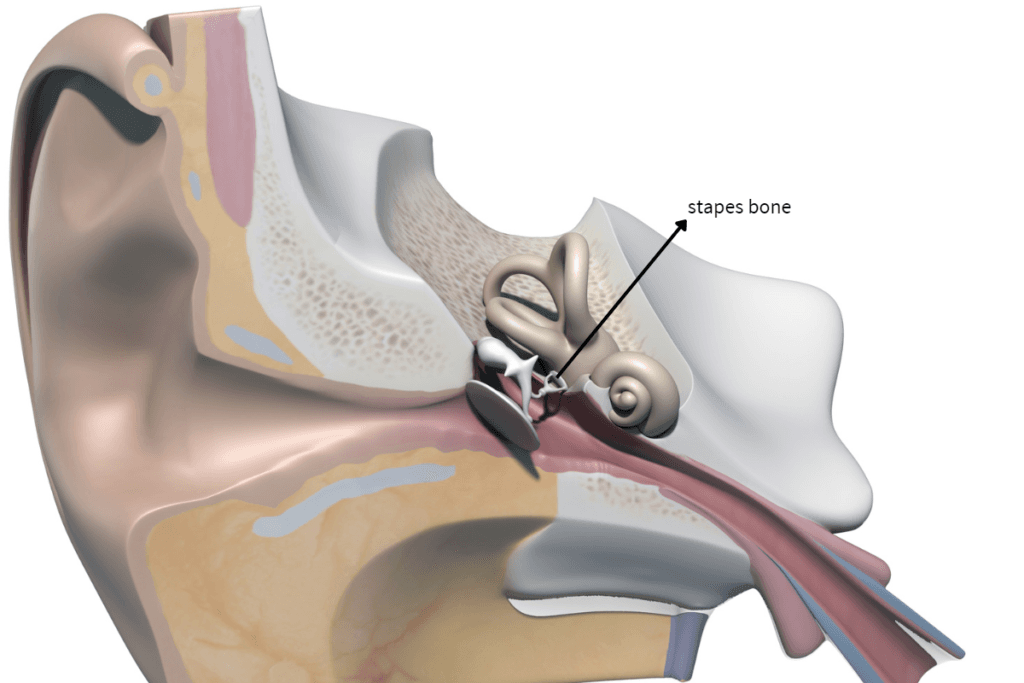
A stapedectomy is a surgical procedure performed to improve hearing in individuals with otosclerosis, a condition characterized by the abnormal growth of bone in the middle ear. Otosclerosis primarily affects the stapes, one of the tiny bones (ossicles) involved in the transmission of sound from the eardrum to the inner ear. The abnormal bone growth restricts the movement of the stapes, leading to conductive hearing loss.
What is stapedectomy surgery?
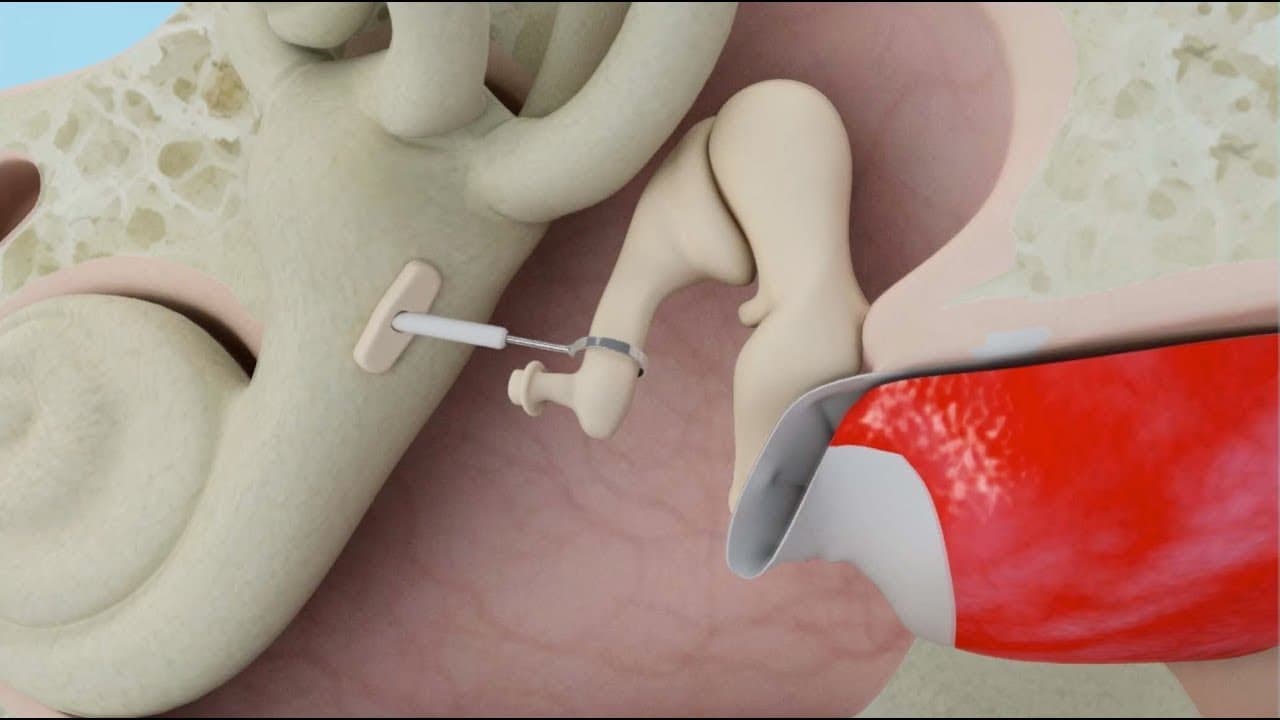
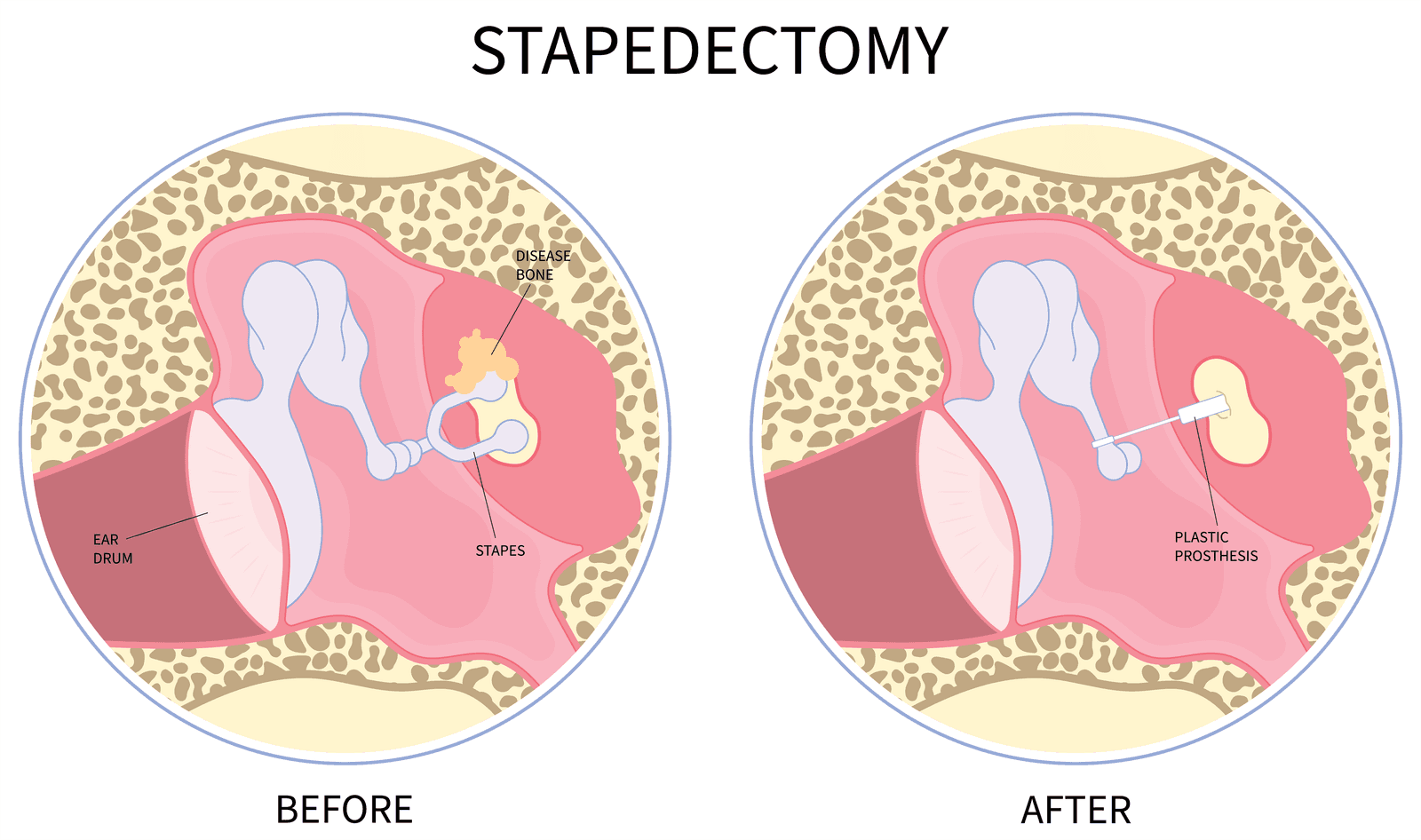
A stapedectomy is a surgical procedure specifically designed to treat otosclerosis, a condition characterized by abnormal bone growth in the middle ear that causes the stapes bone to become immobilized. The stapes is one of the three tiny ossicles in the middle ear that play a crucial role in transmitting sound vibrations from the eardrum to the inner ear. When the stapes becomes fixed due to otosclerosis, it prevents the efficient transmission of sound, leading to conductive hearing loss. A stapedectomy aims to restore the mobility of the stapes and improve hearing by removing the immobilized bone and replacing it with a prosthetic device.
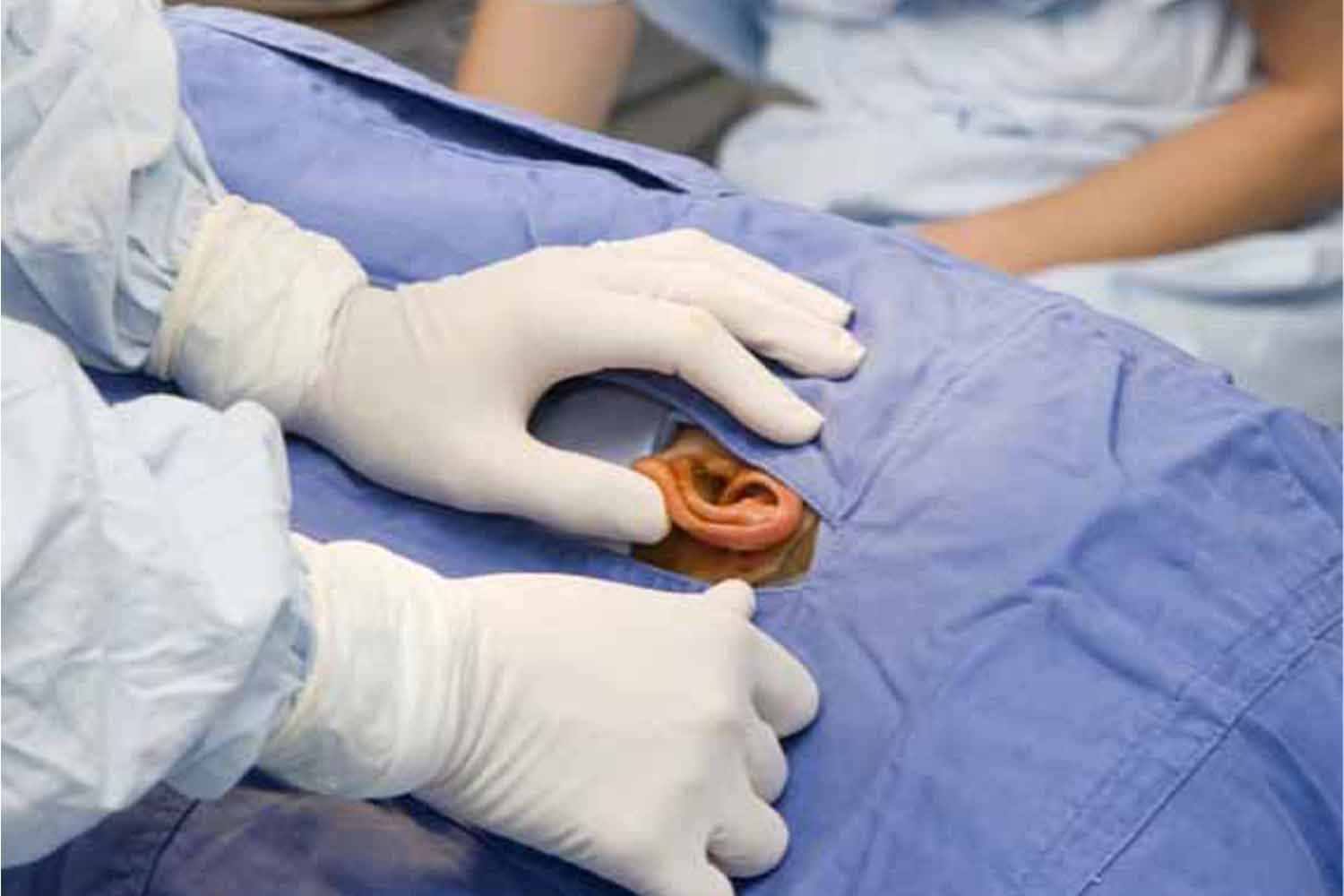
The procedure is typically performed under local or general anesthesia, depending on the patient's preference and the surgeon's recommendation. During the surgery, the surgeon makes a small incision in the ear canal or behind the ear to gain access to the middle ear. Using specialized instruments, the surgeon carefully removes the immobilized stapes bone. Once the stapes is removed, a tiny hole is created in the base of the stapes, known as the footplate. A prosthetic device, often made of metal or plastic, is then inserted into the hole to replace the stapes. This prosthesis acts as a bridge to transmit sound vibrations from the remaining ossicles to the inner ear, effectively restoring the hearing pathway.
The stapedectomy procedure is known for its high success rate and can lead to significant improvements in hearing for individuals with otosclerosis. Many patients experience immediate improvement in hearing following the surgery, with further enhancements over time as the ear heals. However, like any surgical procedure, stapedectomy carries potential risks and complications. These can include dizziness, tinnitus (ringing in the ears), taste disturbances, and, in rare cases, sensorineural hearing loss. The expertise and experience of the surgeon play a critical role in minimizing these risks and ensuring a successful outcome.
Postoperative care is essential for a smooth recovery and optimal results. Patients are typically advised to avoid activities that increase pressure in the ear, such as heavy lifting, straining, and flying, for a few weeks following the surgery. Follow-up appointments are scheduled to monitor healing and assess the effectiveness of the procedure. Audiometric tests may be conducted to evaluate the improvement in hearing and make any necessary adjustments to the prosthesis.